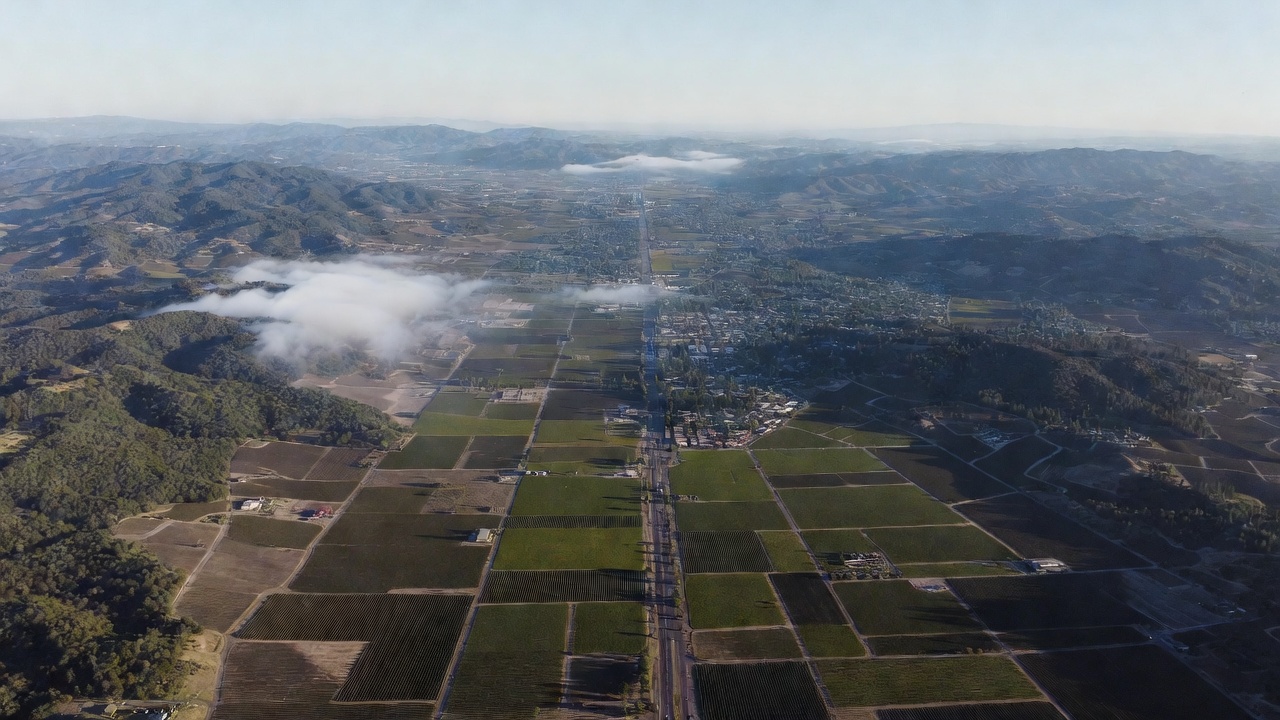
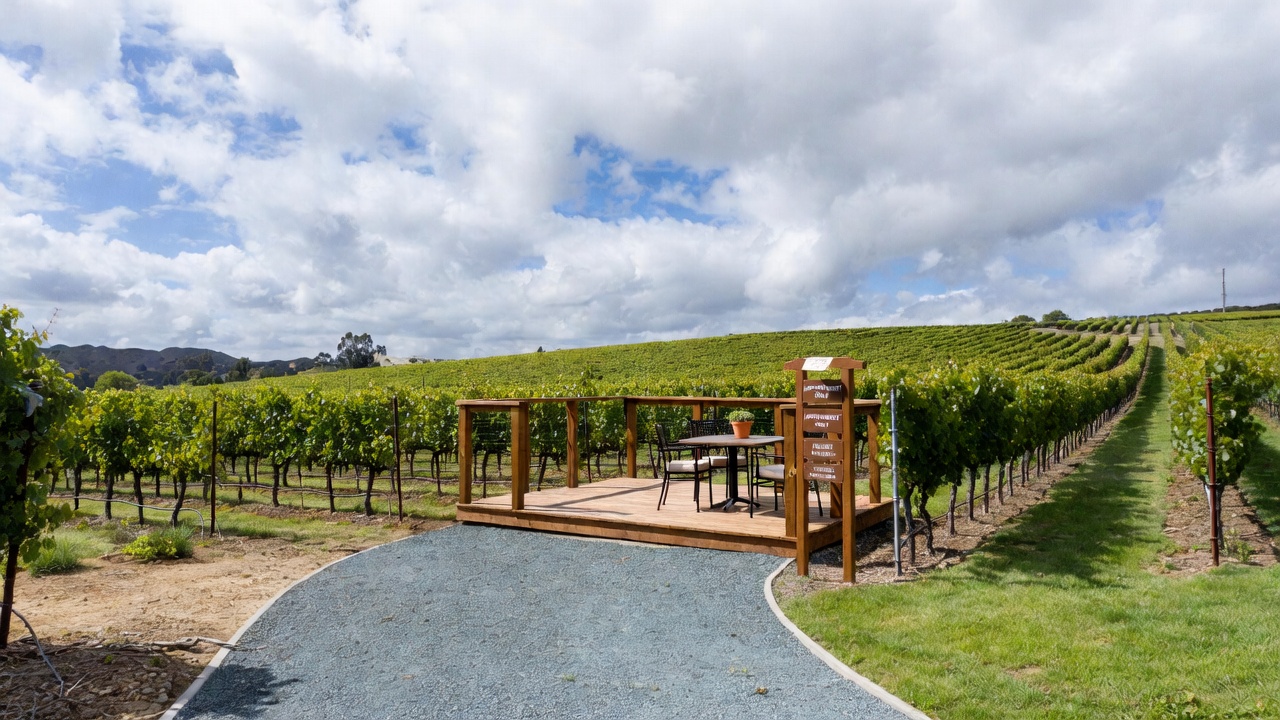
Stand at the edge of a vineyard just after sunrise and Napa Valley feels timeless.
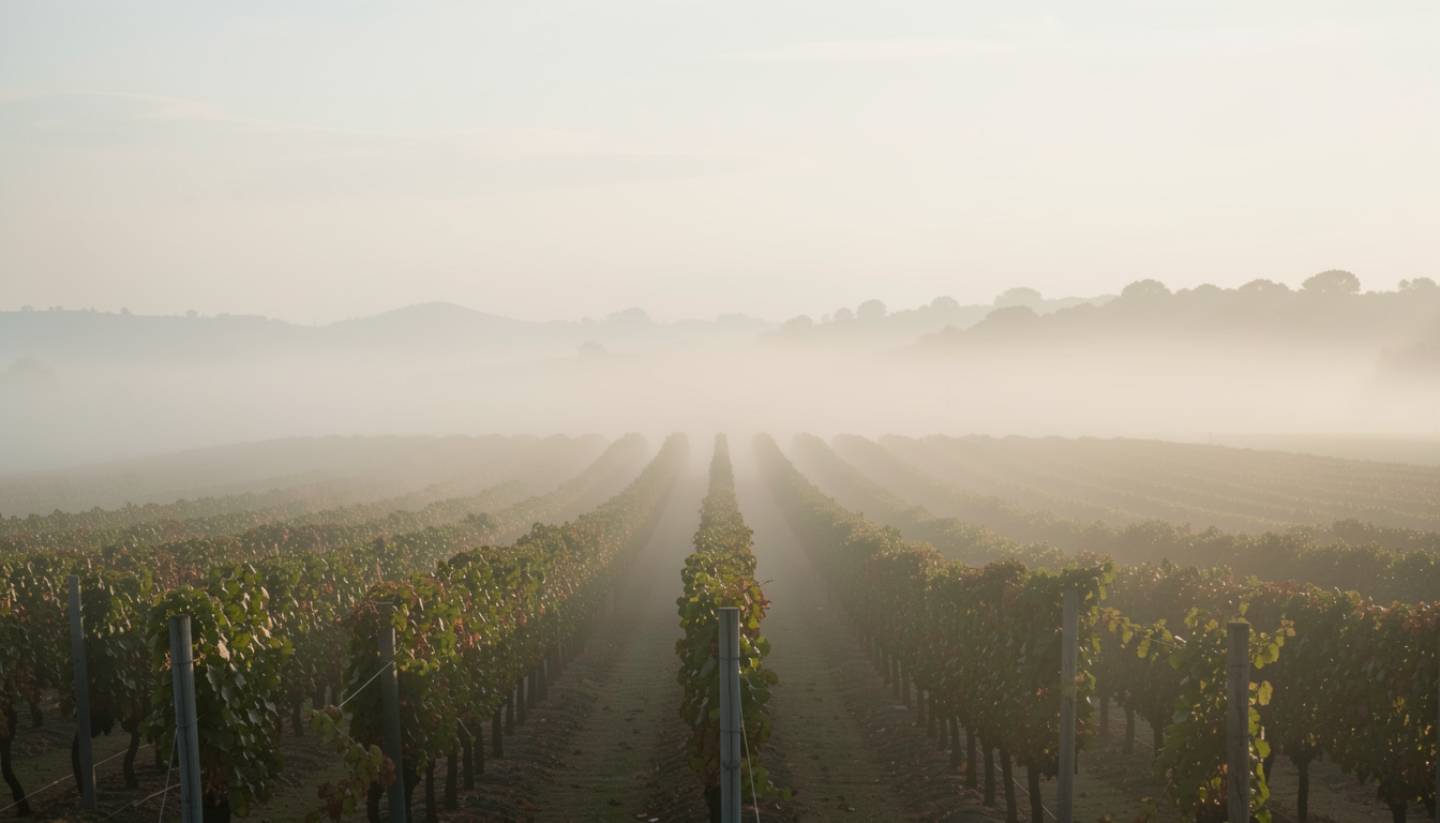
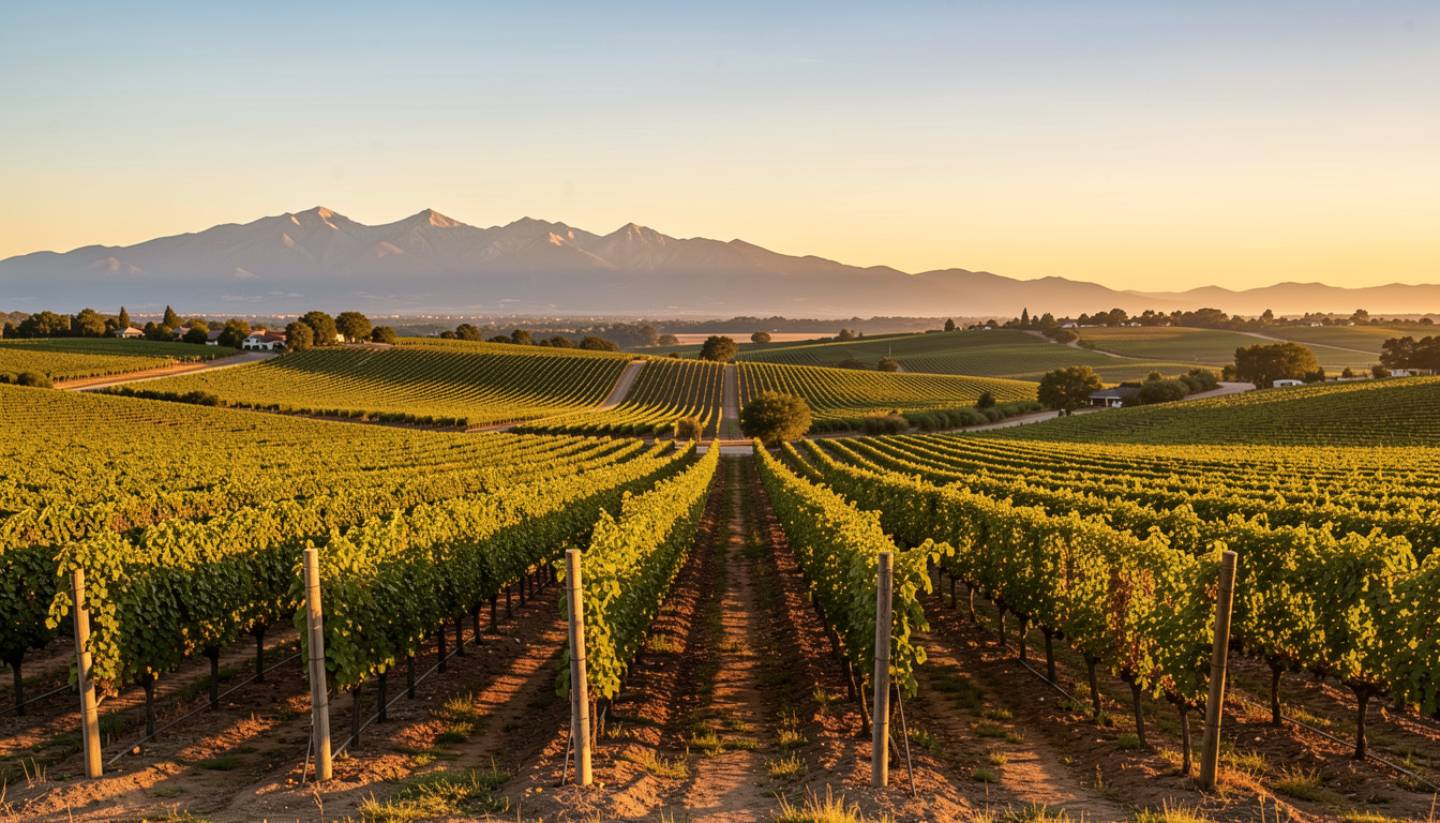
Rows of vines stretch toward the eastern hills. The lift of the morning fog hangs low over Silverado Trail. Irrigation lines hum quietly. It looks pastoral. Slow. Almost untouched.
I grew up here, and I can tell you that what appears quiet is anything but.
By midmorning, tasting appointments begin. By noon, restaurants in Yountville are pacing their lunch turns. By evening, estate dinners overlook the Rutherford benchlands while hotel occupancy rates across the valley climb toward peak capacity.
Napa may feel agricultural. But it operates with extraordinary economic precision.
If you are studying tourism economics in Napa, you are studying a rare model where land policy, agriculture, luxury hospitality, and global brand identity all intersect within a narrow stretch of valley floor.
What This Experience Is Really About
Tourism economics in Napa begins with land use.
Decades ago, Napa County made a deliberate decision to protect agricultural zoning. That choice prevented widespread commercial sprawl and preserved vineyards as the dominant land use. Scarcity was not an accident. It became strategy.
Wine production anchors the valley. But direct to consumer hospitality drives much of the profitability.
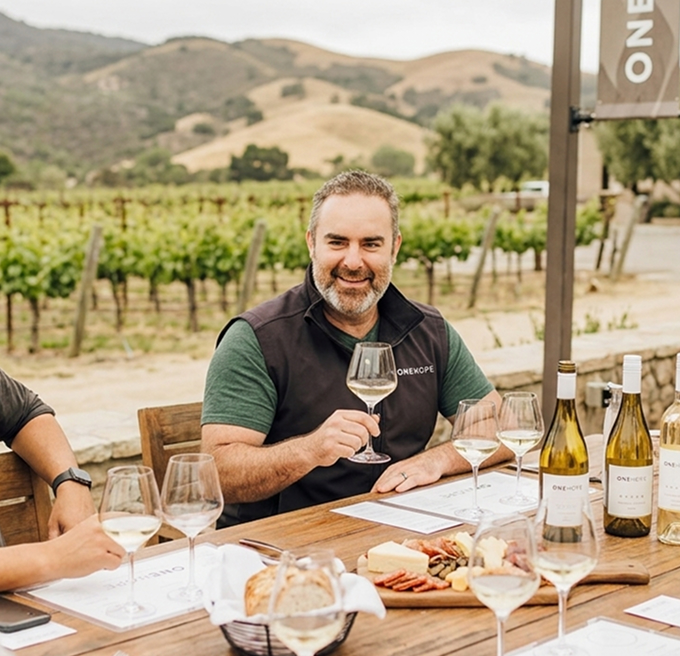
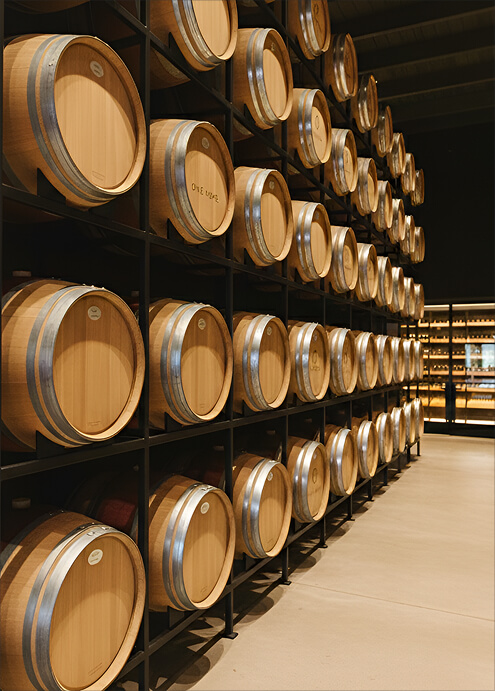
Seated tastings, private estate experiences, vineyard tours, and curated dinners generate higher margins than wholesale wine distribution. Layer in boutique lodging. Restaurants. Transportation services. Retail. The multiplier effect becomes clear.
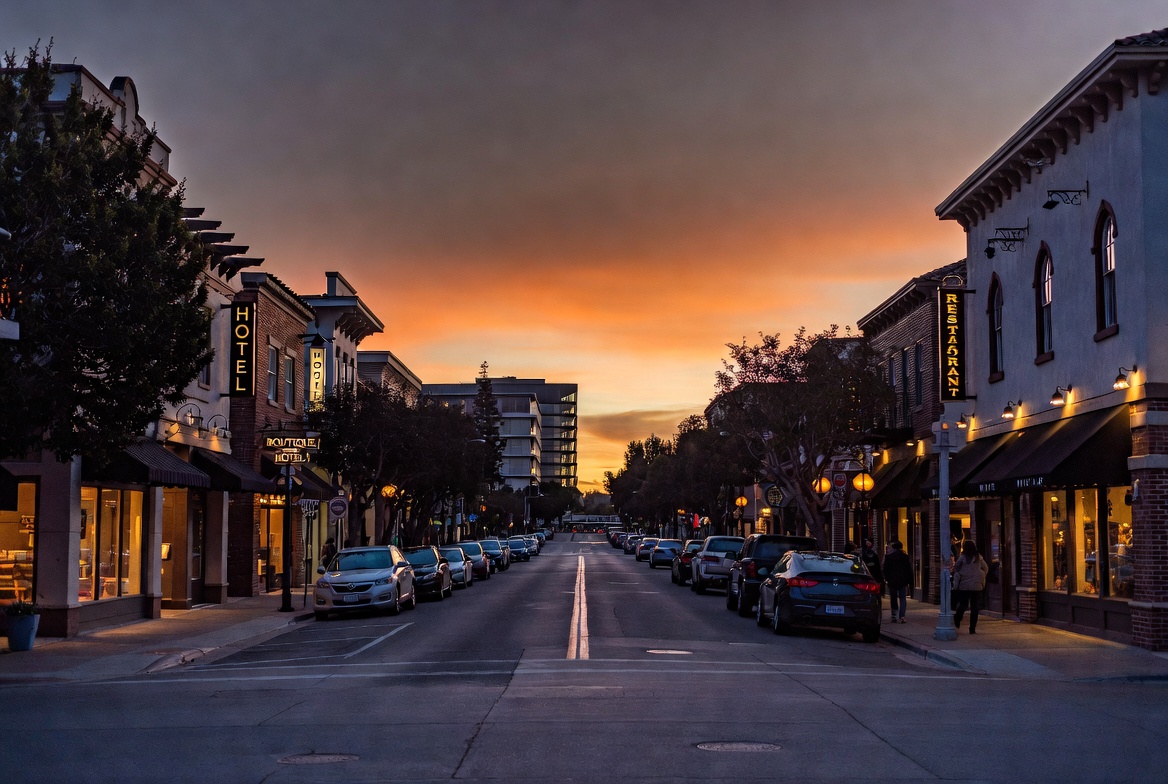
Spend an afternoon in Yountville and you will see dense culinary infrastructure within walking distance of luxury hotels. Drive five minutes north toward Oakville and the spacing between estates increases. That physical spacing reinforces exclusivity. Exclusivity reinforces premium pricing.
Geography becomes economic design.
When It Is Best to Observe
If you want to study tourism economics Napa style, timing matters.
Harvest, September through October
Demand peaks. Hotel rates rise. Vineyard crews and hospitality teams operate at full intensity. Traffic patterns shift along Highway 29 and Silverado Trail. You can feel the engine running hot.
Mustard Season, January through March
The slower, truer Napa midweek becomes visible. Promotional programming increases. Local events fill tasting rooms. Revenue smoothing strategies come into play.
Midweek versus Weekend
Compare a Tuesday afternoon in St. Helena to a Saturday night in Yountville. Staffing levels, reservation pacing, and guest volume tell two different economic stories.
Seasonality here is agricultural and financial at the same time.
What Most Visitors Miss
Visitors see tasting rooms.
Students of regional economics see systems.
Notice:
- Appointment based reservation models replacing walk in traffic
- Controlled guest flow to maximize revenue per visitor
- Restaurant clustering near lodging corridors to capture evening spend
- Transportation services built around peak wine routes
- Limited buildable land between mountain ranges restricting expansion
Drive north from Yountville Cross Road toward Oakville. Observe how estate spacing feels intentional. That sense of privacy is not accidental. It is brand positioning built into land use.
Scarcity is part of the product.
My Local Notes
As a kid, harvest felt like a switch flipping across the valley. Restaurants filled overnight. Hotels buzzed. Vineyard crews worked late into the evening under temporary lights. Even traffic along Silverado Trail carried a different urgency.
Years later, when we were designing Estate 8, I began to see the economics behind the hospitality more clearly. Guest flow was not just about comfort. It was about pacing appointments, staffing efficiently, and protecting long term brand equity.
I will admit I am a little biased. ONEHOPE and Estate 8 are deeply personal projects for me. But building them forced me to think about sustainability within a high demand tourism economy. How do you maintain intimacy in a region known globally? How do you protect land while welcoming guests?
In Napa, brand is currency. Land is legacy.
How to Study It in Real Time
If you are planning a Napa Valley trip through the lens of tourism economics, structure your observation intentionally.
The Yountville Corridor
Walk the compact stretch of Washington Street. Note the density of Michelin level restaurants, boutique hotels, and tasting salons within a few blocks.
The Estate Model on Silverado Trail
Visit appointment only wineries where volume is controlled and guest experience is curated. Observe how exclusivity translates to perceived value.
Downtown Napa Riverfront
Study mixed use development, retail integration, and how riverfront revitalization expanded tourism capacity beyond wineries.
Labor and Seasonality
Pay attention to seasonal hiring patterns and bilingual teams that bridge agriculture and hospitality.
The business of wine country reveals itself if you slow down and look past the vines.


Regional Economic Case Studies
Yountville
High density dining and lodging create a powerful tourism cluster.
St. Helena
Historic estates anchor commerce alongside locally rooted restaurants and specialty retail.
Downtown Napa
Riverfront redevelopment diversified the visitor base and extended length of stay.
Calistoga
Resort driven hospitality tied to geothermal history and wellness tourism.
Each sub region plays a distinct role in Napa’s tourism economy.