Most people experience Napa Valley at the table.
Few think about how the cheese arrived. How the bread was delivered. How the olive oil moved from press to plate before noon.
Before triple cream brie is set beside a Cabernet in Oakville. Before olives land next to a glass in Rutherford. Before a heritage loaf is sliced in Yountville. There is a quiet chain of relationships that moves product from maker to market.
In Napa Valley, food distribution is not abstract or corporate. It is relational. It is compressed. It is often a handshake between a grower in Carneros and a chef three towns north.
If you want to understand artisan food Napa Valley systems, this is one of the most transparent ecosystems in the country.
What This Experience Is Really About
Food distribution Napa style is about proximity and compression.
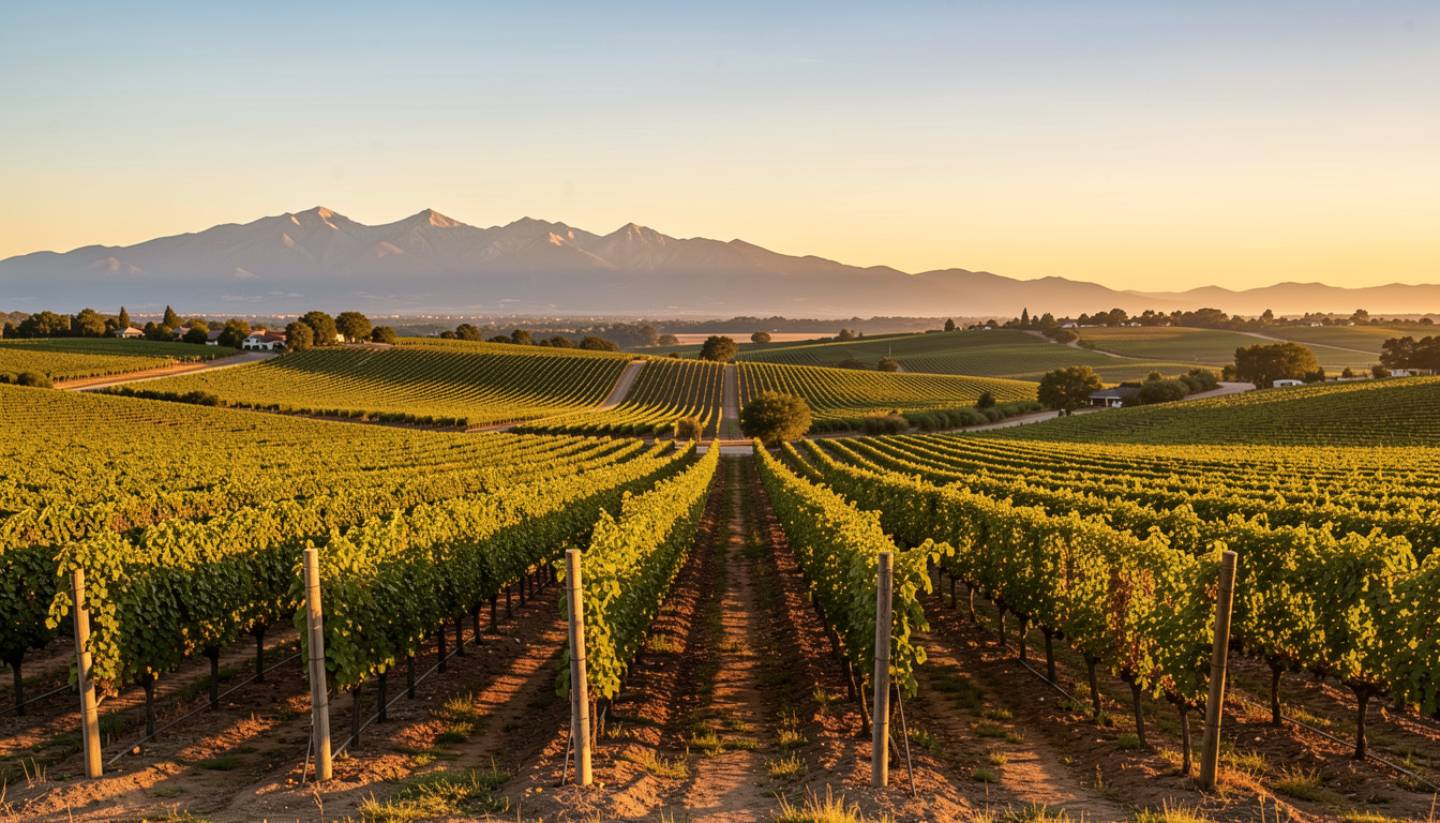
The valley runs north to south from Carneros near San Pablo Bay to Calistoga at the base of Mount St. Helena. The Mayacamas and Vaca ranges hold it tight. That geography matters.
Within that narrow corridor you will find:
- Olive oil presses in Rutherford
- Bakeries in downtown Napa
- Small ranches near St. Helena
- Honey producers in Coombsville
- Cheese makers serving Yountville restaurants
- Wineries in Oakville sourcing local charcuterie
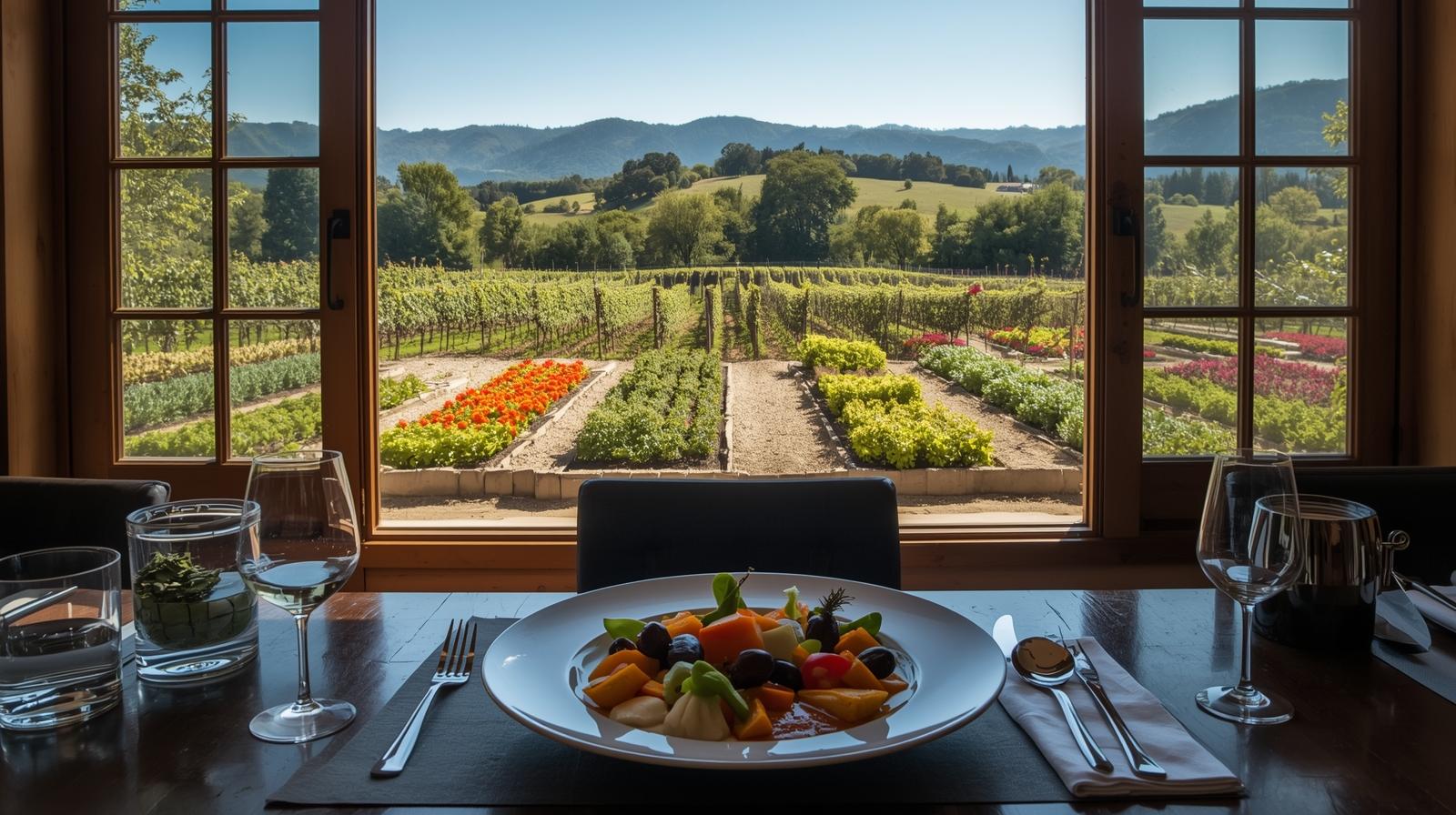
Because distances are short, distribution is often direct. A micro farm in St. Helena supplies a restaurant three blocks away. A baker in Napa delivers to tasting rooms along Silverado Trail before 10:00 am. Olive oil pressed in Rutherford appears on a Yountville table the same afternoon.
There is very little middle ground. You can trace the loop.
For anyone studying farm to market Napa systems, this valley functions like a living case study.
A Morning at Oxbow
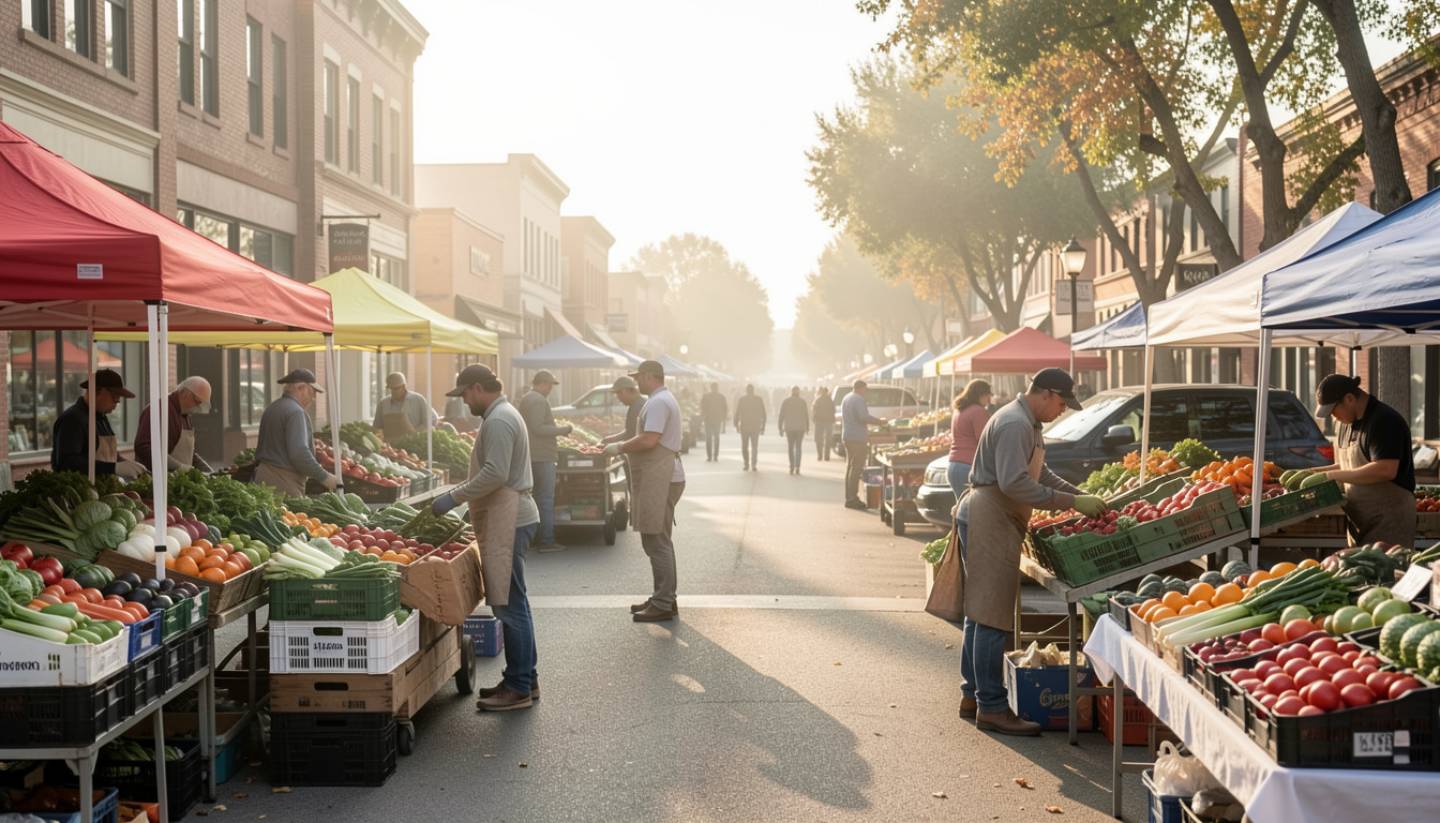
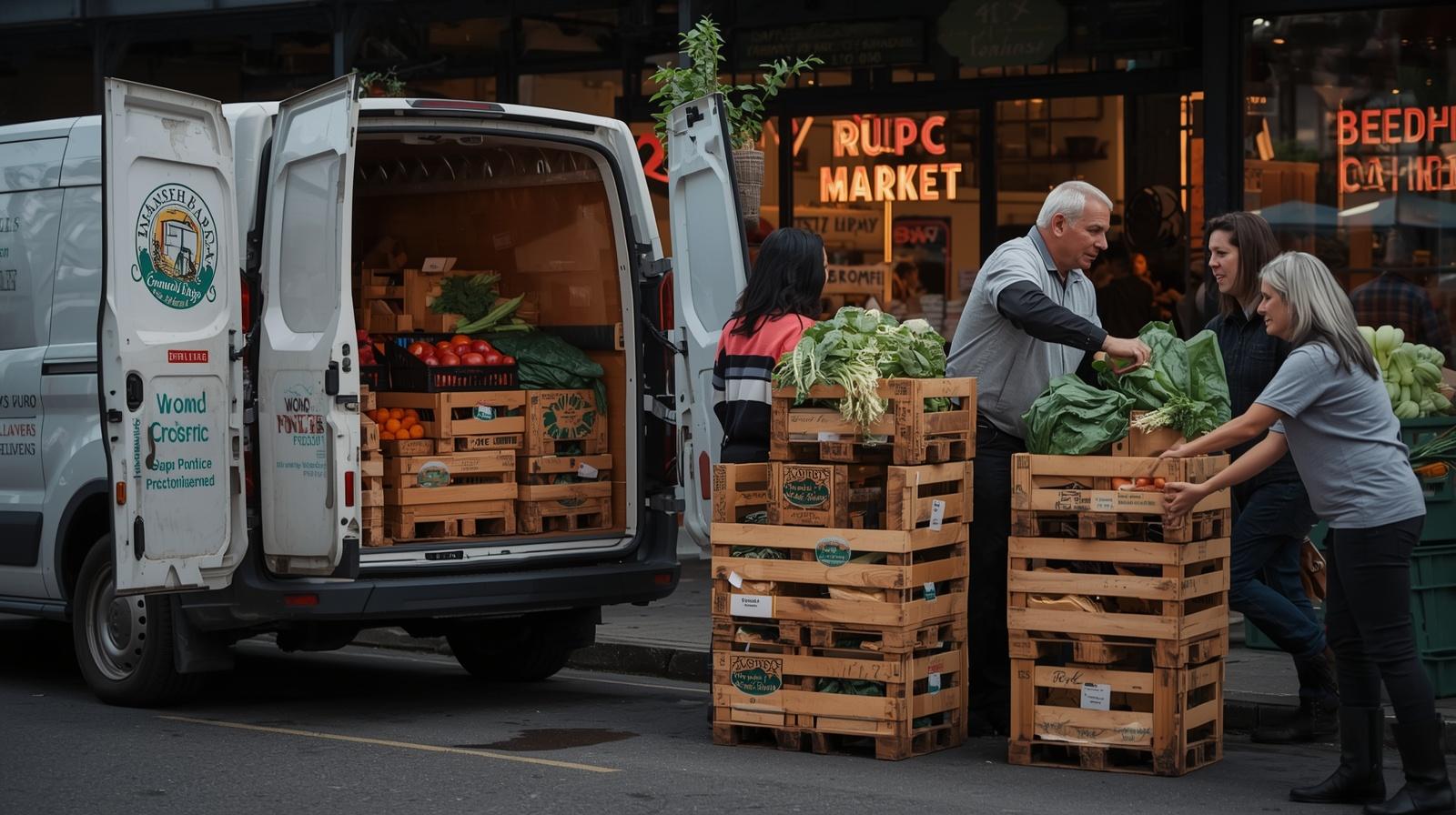
I remember standing at Oxbow Public Market before most visitors had found parking. It was midweek. Vans were backing in along First Street. Boxes of microgreens were being unloaded. A chef from Yountville was selecting produce directly from a grower who had driven in from the south valley.
No drama. No spectacle.
Just logistics.
Maker. Market. Restaurant. Guest.
That morning reminded me that hospitality rests on infrastructure. The plate in front of you exists because someone coordinated before sunrise.
As someone who builds in this valley, I respect that rhythm deeply.
Where to Study Artisan Food Distribution Napa
1. Oxbow Public Market, Downtown Napa
Oxbow is one of the clearest examples of artisan food Napa Valley distribution in motion.
Arrive before 8:00 am. Watch vendors receive wholesale deliveries. Notice which restaurants send staff to source ingredients. Speak with producers about where their goods are sold across the valley.
You will see the farm to market Napa loop unfold in real time.
2. Farm Integrated Estates in St. Helena
Long Meadow Ranch and Farmstead illustrate a vertical model.
They grow produce. Raise cattle. Press olive oil. Then serve it on site.
This reduces layers in the specialty food supply chain wine country typically relies on. It keeps profit local and freshness intact.
Walk the property. Ask how often deliveries leave the ranch. The answers tell a story of scale and discipline.
3. Winery Culinary Programs in Oakville and Rutherford
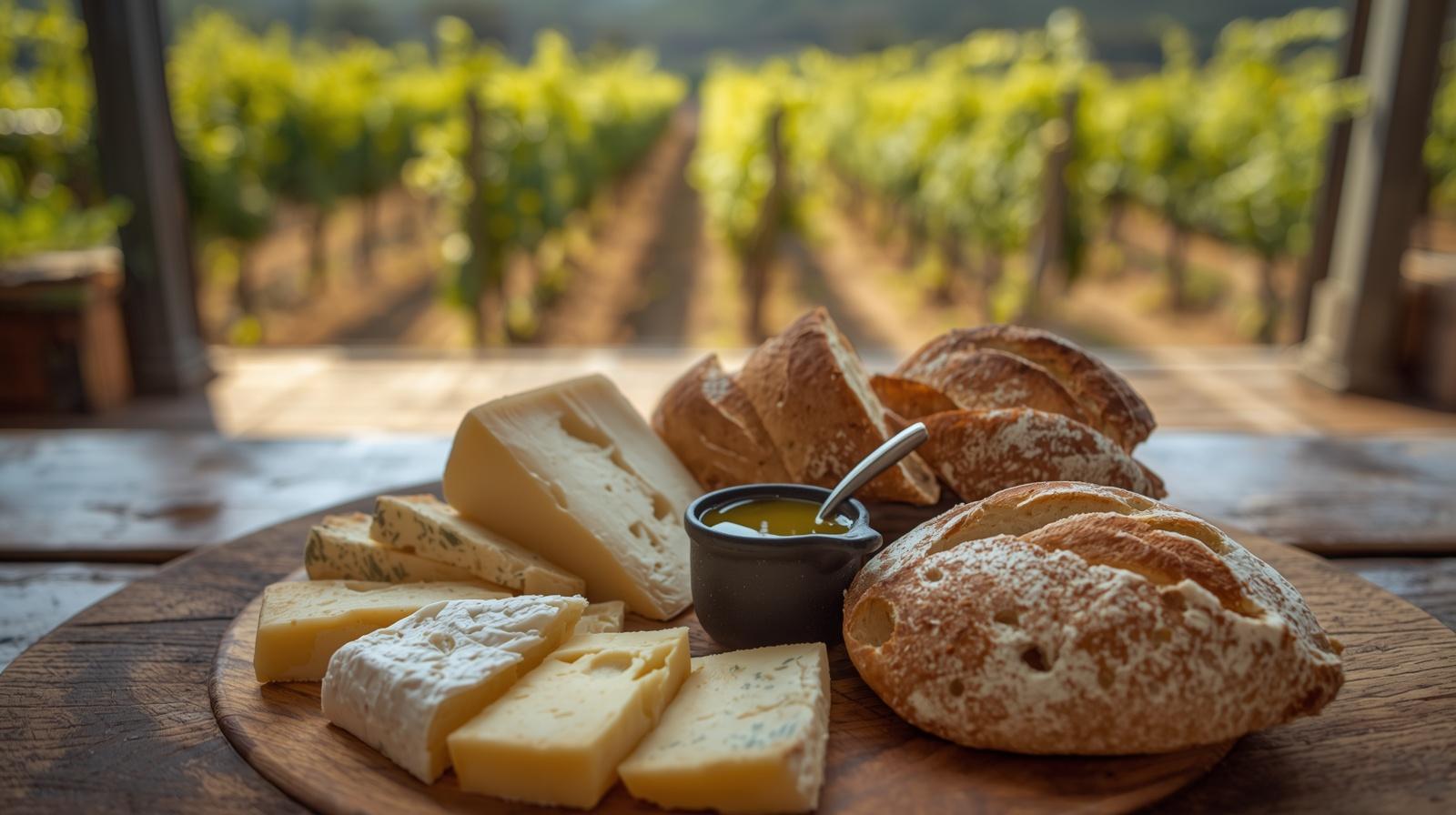
Many wineries along Highway 29 and Silverado Trail integrate local artisan goods into their pairings.
Ask your wine educator:
- Which creamery made this cheese?
- How far did it travel?
- How often does your supplier deliver?
You will often discover the producer is less than fifteen miles away.
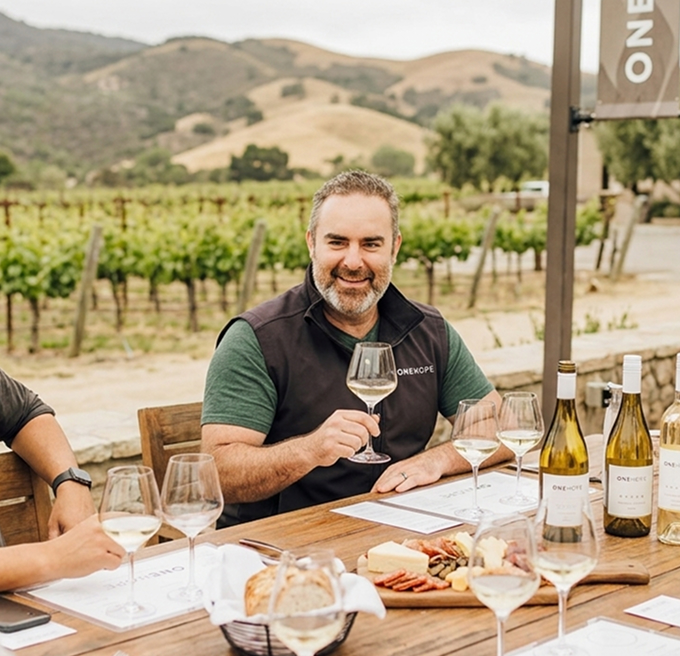
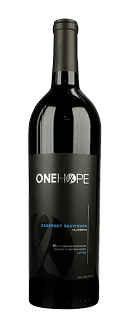
At Estate 8, those conversations always begin with proximity. I am biased. It is my baby. But shortening the distance between maker and guest strengthens hospitality. At ONEHOPE, that philosophy extends beyond wine. Community is built when supply chains stay human.
4. Carneros and the Southern Gateway
Carneros, near Highway 12 and the bay influence, produces specialty goods that travel north into central valley restaurants and tasting rooms.
Because it is geographically open and cooler, it supports different crops and artisan outputs than Rutherford or Oakville.
Seeing product move from south to mid valley illustrates how the Napa loop circulates.
The Napa Maker to Market Loop
In Napa Valley, distribution often looks like this:
- Producer creates small batch goods.
- Product moves directly to a market, winery, or restaurant.
- Chef integrates it into the guest experience.
- Guests ask where it came from.
- Demand returns to the producer.
It is less a line and more a circle.
That circular feedback keeps Napa food producers closely tied to hospitality teams.
A Food Distribution Napa Itinerary
One Focused Day
7:30 am
Oxbow Public Market to observe deliveries.
10:30 am
Visit a small producer in Carneros or Coombsville.
12:30 pm
Lunch at Farmstead in St. Helena to see vertical integration in action.
3:00 pm
Winery tasting in Rutherford or Oakville with locally sourced pairings.
Drive Silverado Trail slowly and notice how tight the geography truly is.
Weekend Deep Dive
Day One
Downtown Napa market study.
Producer visit in southern valley.
Dinner in Yountville with attention to sourcing.
Day Two
Farm visit near Rutherford.
Winery culinary experience.
Conversation with a chef about midweek delivery cadence.
Ask about Tuesday and Wednesday. That is when real work happens.
Where to Stay
Stay near distribution hubs if you want to observe movement.
- Downtown Napa for Oxbow access
- Yountville for restaurant density
- St. Helena for proximity to farms
- Silverado Trail for quick access to winery culinary programs
Calistoga offers quieter evenings while remaining within reach of central valley producers.