Before the tasting rooms open and the valley fills with visitors, Napa is already awake. City crews unlocking park gates along the river. Shop owners sweeping sidewalks on Main Street. Bulletin boards outside town halls layered with flyers for council meetings, school fundraisers, and fire district updates.
This is the Napa most people never see. Quiet, civic, and deeply rooted in how the community takes care of itself. If you travel to understand how places actually function, Napa offers a rare window into how a small agricultural valley has protected its land while navigating global attention.
What This Experience Is Really About
Napa’s civic story is not theatrical. It is practical and agricultural.
The heart of local governance here centers on a few enduring questions:
Land Preservation
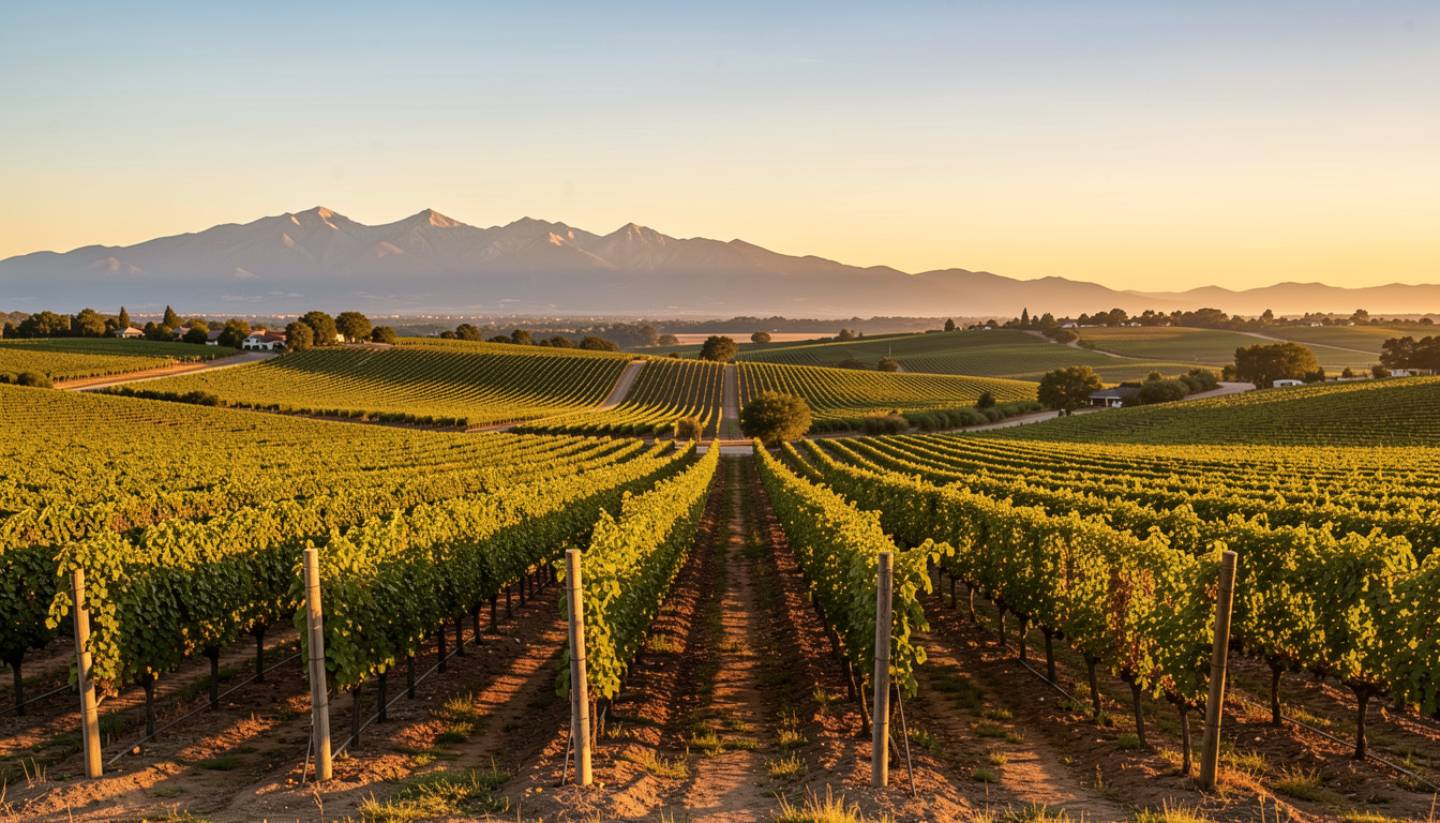
Keeping the valley floor green instead of paved. Zoning decisions, growth boundaries, and voter backed measures have protected working vineyards for decades.
Water and Fire Stewardship
Managing the Napa River, reservoirs, and wildfire risk through regional planning rather than short term fixes.
Tourism and Local Life
Balancing visitor demand with housing, infrastructure, and quality of life for the people who live here year round.
For civic minded travelers, Napa shows how governance is not abstract. It is visible in open space, traffic patterns, river access, and even how far apart towns feel from one another.
Civic Landmarks and Directional Cues
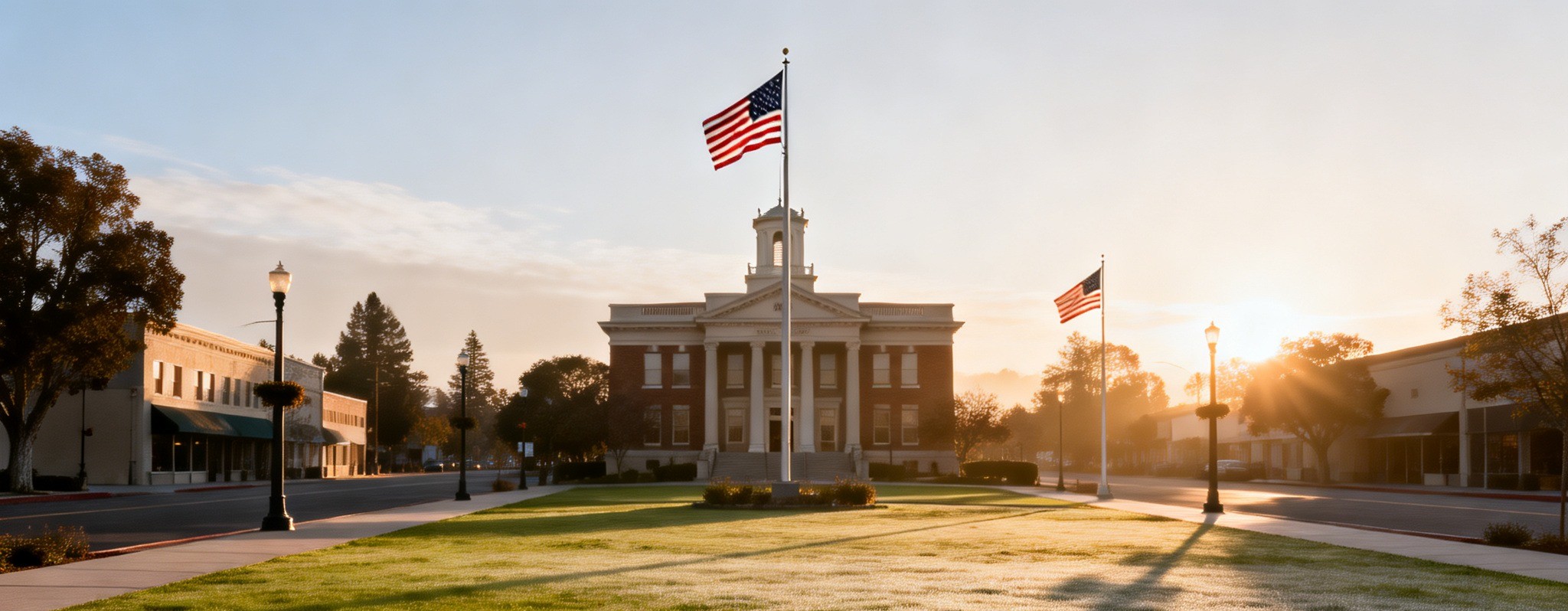
Napa County Courthouse, Downtown Napa
A long standing civic anchor and architectural landmark representing more than a century of county governance.
Local direction: Located near Brown and Second Streets. Start here and walk outward to understand the civic core.
St. Helena Town Hall
Smaller and more intimate, reflecting the up valley approach to local decision making and community access.
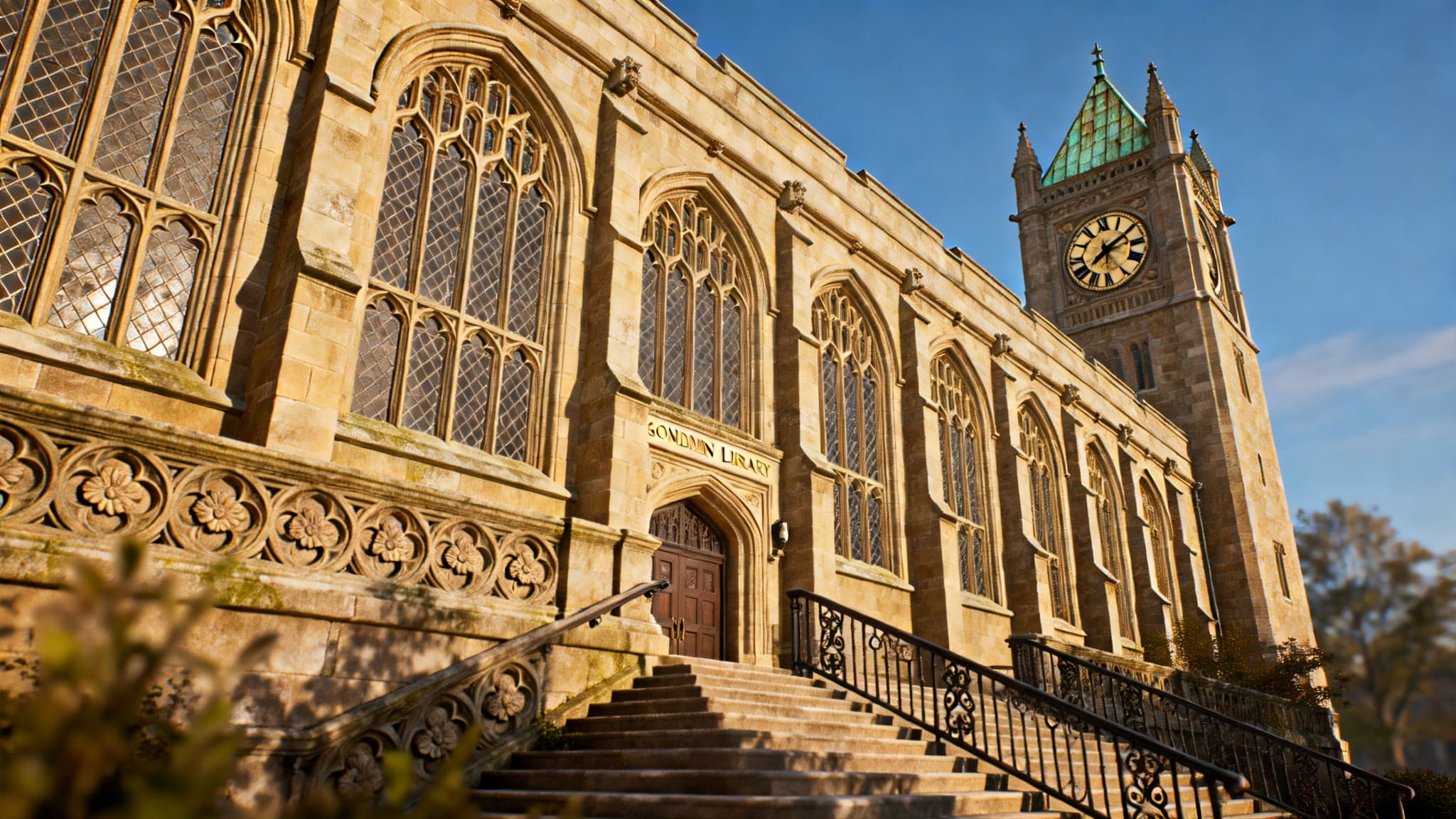
The Goodman Library, Napa
The oldest library building in California still operating as a library and home to the Napa County Historical Society. This is where much of the valley’s civic memory lives.
Napa Riverfront
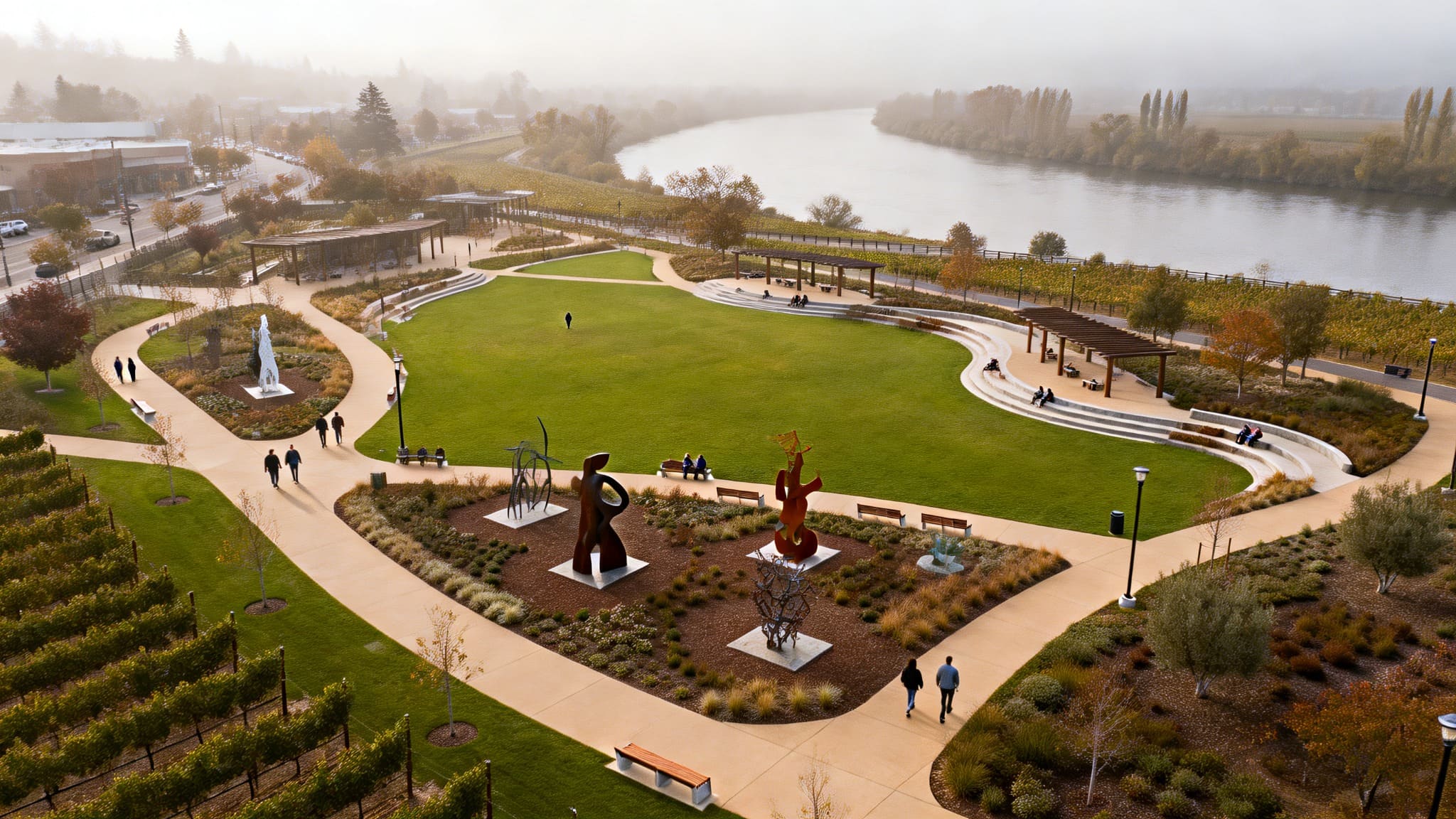
A direct result of the Living River flood control project, shaped by decades of public input and environmental advocacy rather than private development alone.
What Most Visitors Miss
Most visitors experience Napa through private spaces. Civic history lives in the public ones.

Historic Plaques
Markers throughout Napa and St. Helena tell stories of early settlers, indigenous Wappo people, and the valley’s shift from mining and ranching to viticulture.
Public Meetings
City Council and Planning Commission meetings are generally open. Sitting in on a discussion about a winery permit or housing proposal reveals the real tensions shaping Napa’s future.
The Buffer Zones
Notice how towns remain visually separated by vineyards and open land. That spacing is intentional, enforced by Rural Urban Limit lines that prevent sprawl.
Seasonal Relevance
Mid winter and early spring are ideal for civic focused visits. This is planning season, when the valley is quieter and conversations about budgets, land use, and fire preparation are happening in earnest.
You are more likely to hear these discussions at local cafes near civic centers, especially midweek mornings, when Napa moves at its most honest pace.
A Short Personal Story
I remember being a kid and hearing adults talk about zoning and flood control at the dinner table after winter storms. At the time it felt mundane. Looking back, those conversations shaped the Napa we have today. The vineyards still open between towns. The river still accessible. The sense that this place belongs to the people who care for it.
A Gentle Personal Note
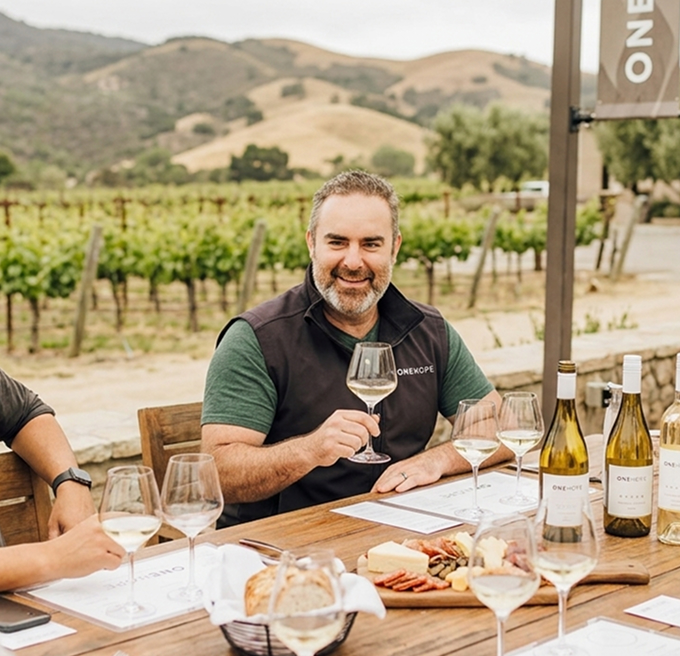
I will admit a small bias here. ONEHOPE and Estate 8 exist because Napa values long term stewardship over shortcuts. Being part of this valley means showing up during floods, fires, and planning meetings, not just harvest celebrations. That civic responsibility is part of what gives Napa its depth, and it is something I take seriously.