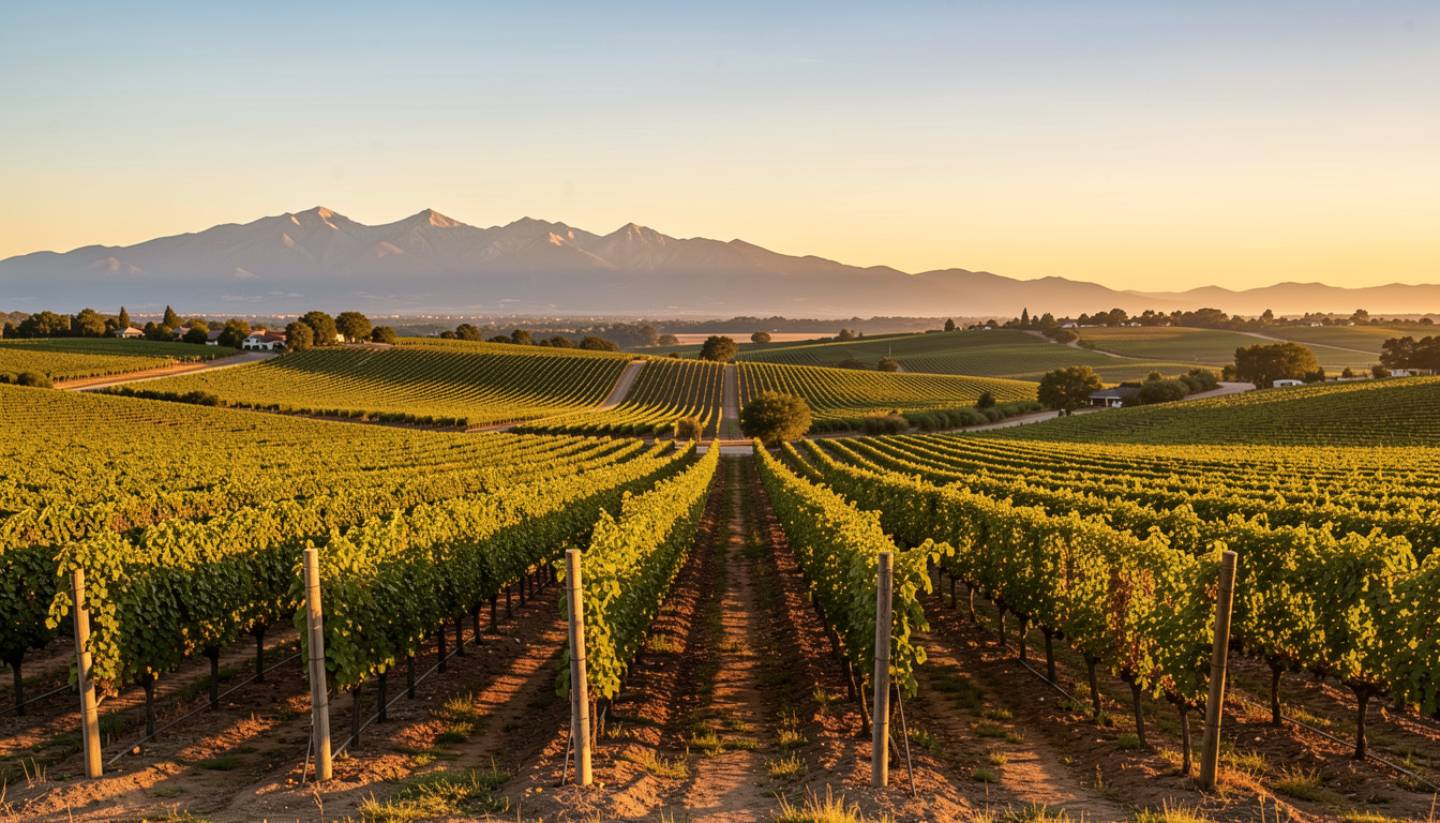
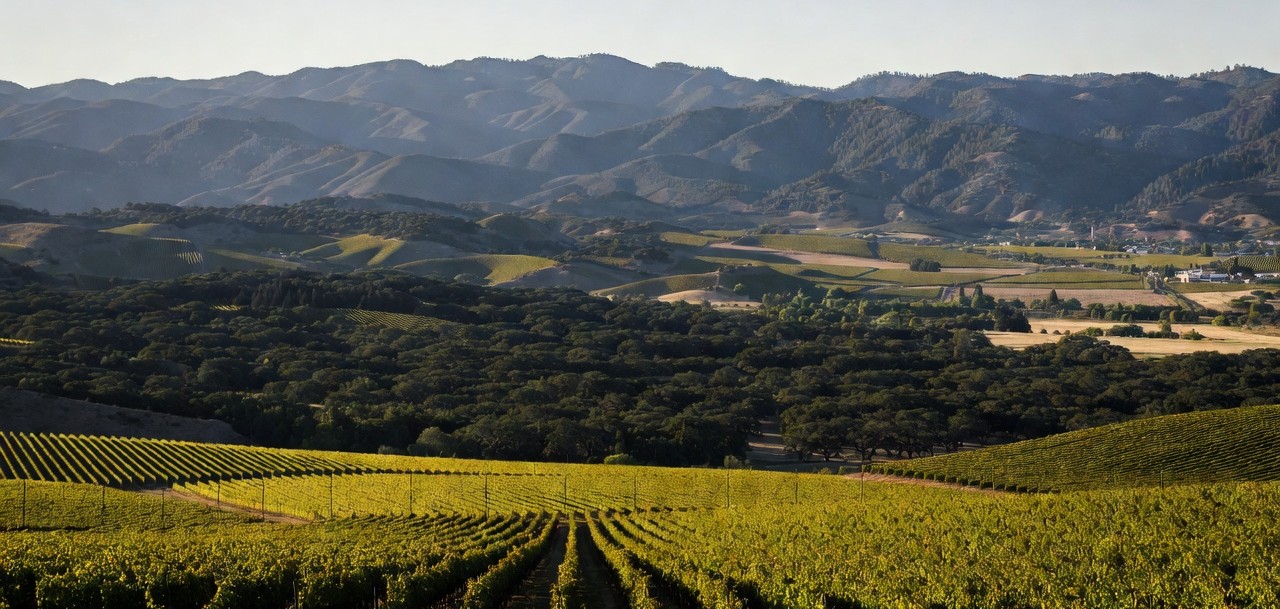
If you stand high enough above the valley floor—perhaps looking west from the Silverado Trail or east from the slopes of the Mayacamas—you begin to understand something vital about Napa. The vineyards are only part of the story. From the hills above Oakville, you see forested ridgelines stretching toward the horizon and untouched slopes along Spring Mountain where vines stop and wild land continues. Nearly half of Napa County is permanently protected open space. That did not happen by accident; it is the result of a living case study in preservation and long-term thinking.
What This Experience Is Really About
Land stewardship in Napa is structural, not a marketing slogan. In 1968, local leaders created the Napa Valley Agricultural Preserve, the first of its kind in the U.S., protecting farmland long before the region became globally famous. Today, conservation in Napa extends beyond zoning to include:
- Watershed Protection: Managing the health of the Napa River and its tributaries.
- Forest Management: Stewardship of oak woodlands in the Vaca and Mayacamas ranges.
- Regenerative Practices: Restoring soil health and building fire resilience.
- Wildlife Corridors: Ensuring mountain lions, bears, and bobcats can move safely between habitats.
A Short Story from the Hills
There was a winter morning a few years ago when I walked one of our hillside blocks just after a heavy rain. The soil held, the cover crop was doing its job, and runoff moved slowly instead of tearing channels through the vineyard. That moment reminded me that stewardship is rarely dramatic; it is quiet, generational work. It is planning for decades you may not personally see.
When It’s Best
- Winter and Early Spring: This is when conservation conversations go deepest. Vineyards are pruned back, making erosion control strategies and water management systems clearly visible.
- Late Spring: The valley floor turns a vibrant green as cover crops and native grasses peak. Biodiversity becomes tangible as habitat corridors come alive.
- The Slower Midweek: Tuesday through Thursday is the “truer” Napa, where estate managers have more time to answer technical questions about dry farming or carbon sequestration.
What Most Visitors Miss
Most visitors see manicured vines and assume uniformity, but land stewardship travel means noticing what is not planted.
- Riparian Corridors: Look for the native trees lining the riverbanks that filter runoff.
- Oak Woodlands: Observe the preservation efforts in areas like Coombsville where ancient oaks are protected.
- Fire Mitigation: Notice the strategic grazing and forest thinning along Spring Mountain Road.
Questions to ask your host:
- Are you practicing organic or biodynamic farming?
- How do you manage your water conservation and “dry farming” experiments?
- What is your strategy for carbon-sequestering cover crops?
Conservation-Focused Experiences to Consider
1. Visit Regenerative and Organic Estates
Look for producers farming the Rutherford benchlands or the volcanic soils of Coombsville.
- Frog’s Leap & St. Supery: Strong starting points for organic farming discussions.
- Quintessa: A model for integrating biodynamic practices with large-scale estate management.
2. Explore Protected Open Space
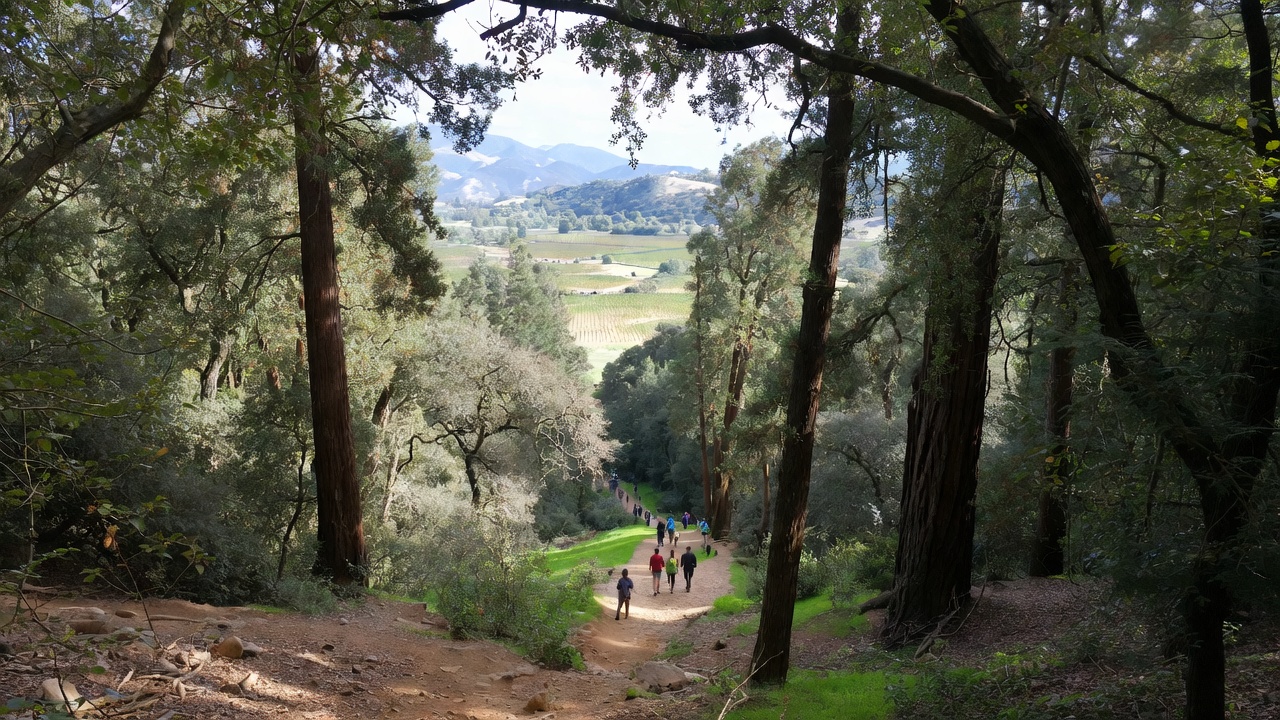
- Skyline Wilderness Park (Napa): Exceptional hiking with views of preserved landscapes.
- Bothe-Napa Valley State Park (Calistoga): One of the few public parks with redwoods and oak forests.
- Mount St. Helena Trails: A clear vantage point of the transition from valley agriculture to wild wilderness.
3. Regenerative Agriculture and Soil Health
Many vineyards now incorporate “natural” employees:
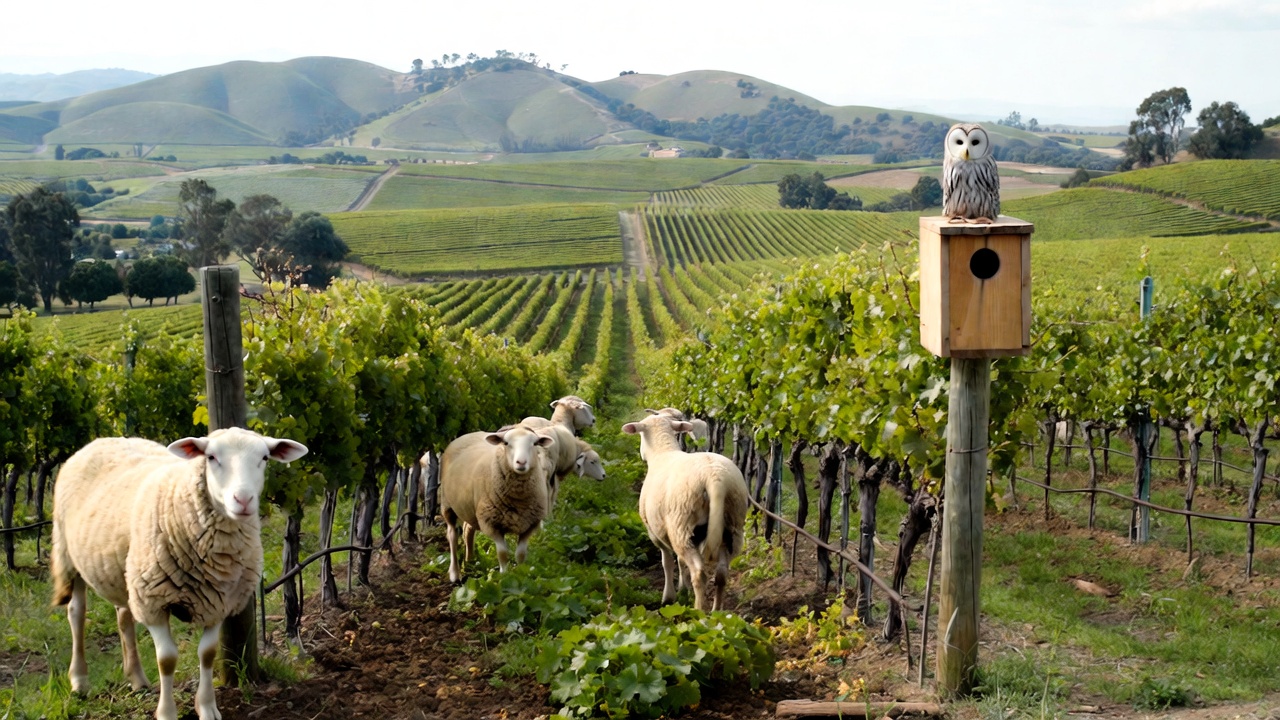
- Sheep Grazing: Used between vine rows for weed control and natural fertilization.
- Owl Boxes & Raptor Perches: For biological pest management instead of chemicals.
When we planned portions of Estate 8, soil health and long-term land care were central conversations. I will admit I am biased—it is my passion and my baby—but stewardship has to be real. The land does not respond to marketing; it responds to practice.
Itinerary: The Stewardship Route
If You Only Have One Day
- Morning: Hike Bothe-Napa Valley State Park to see the valley’s “wild” side.
- Midday: Visit an organic estate in Rutherford. Ask specifically about their “Rutherford Dust” soil management.
- Lunch: Farmstead in St. Helena. Observe a working ranch where agriculture and dining integrate.
- Afternoon: Drive Silverado Trail slowly. Notice how the Napa Valley Agricultural Preserve prevents urban sprawl.
If You Have a Full Weekend
- Day One: Explore cool-climate models in Carneros, followed by a regenerative estate tour in Oakville.
- Day Two: Morning hike near Mount St. Helena followed by a visit to a Spring Mountain estate where forest and vineyard coexist.
Where to Stay
Look for lodging that highlights environmental awareness:
- Carneros Resorts: Often feature integrated vineyard landscapes and water recycling.
- Boutique Inns (North of St. Helena): Closer to the preserved hillsides and hiking trails.