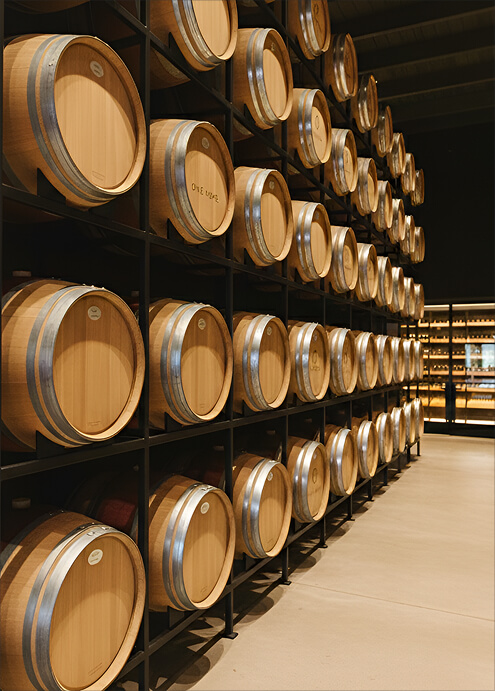
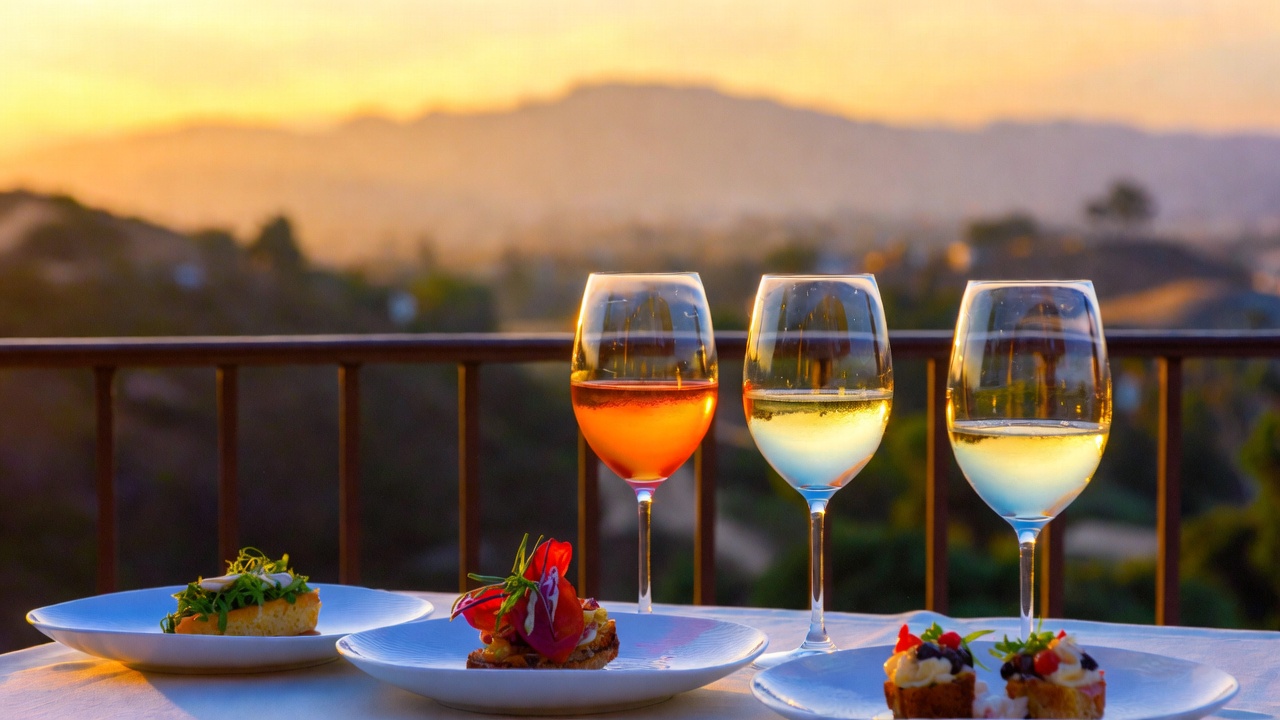
Most people come to Napa Valley to taste the food; a few come to capture the way the light hits it. In this valley, the culinary scene isn’t just a menu—it is a visual dialogue between the soil and the plate.
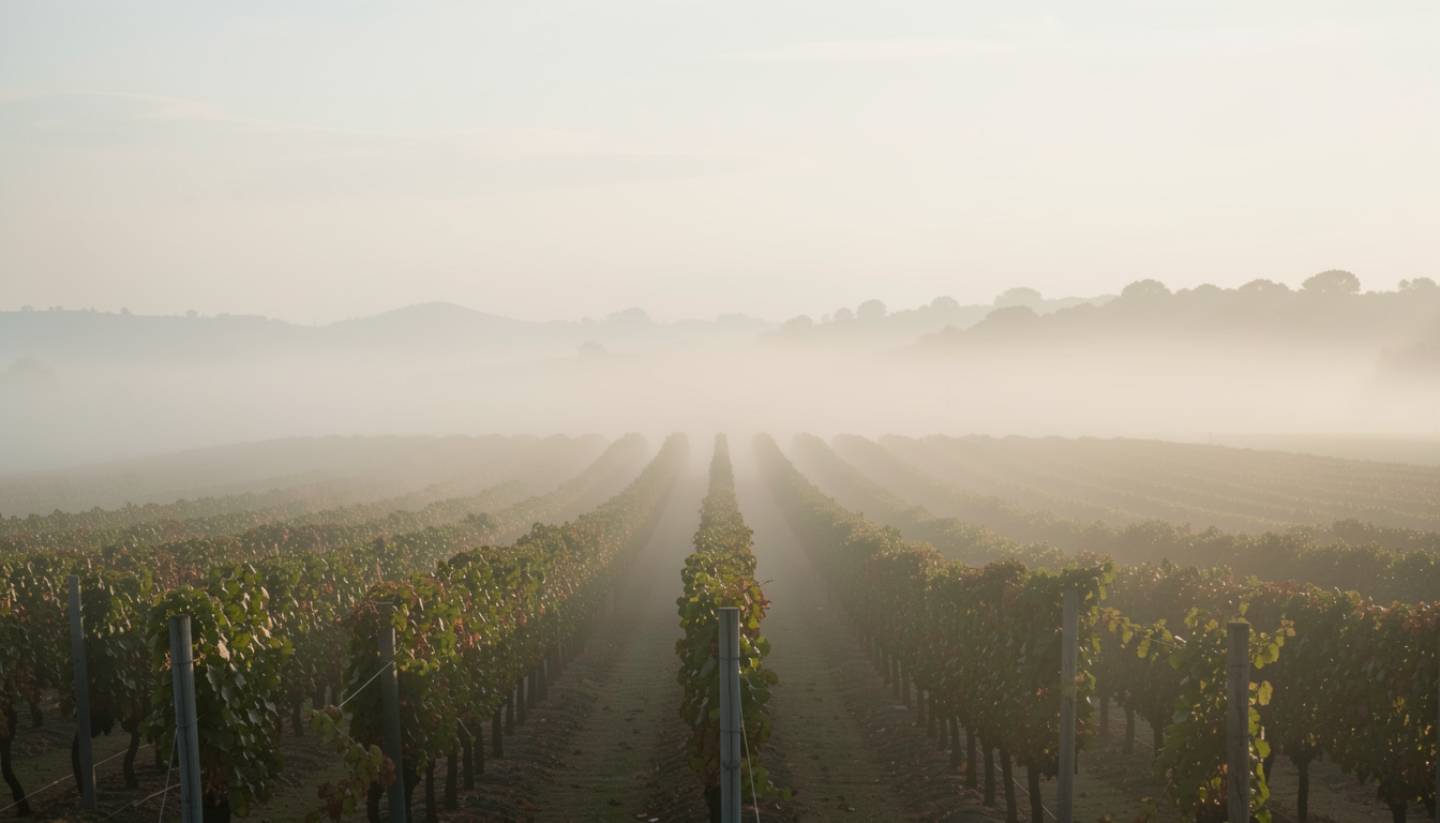
If you are interested in food photography, Napa offers a masterclass in natural illumination and organic textures. From the lift of the morning fog softening a breakfast spread in Yountville to the high-contrast Cabernet light hitting a charcuterie board at dusk, this is a place where the landscape does half the work for you.
The Anatomy of the Napa Plate
Napa Valley food photography is defined by Material Honesty. Chefs here tend to let the ingredients lead the composition.
- Plating with Purpose: You will find less fuss and more focus on color and geometry that reflects the land.
- Texture and Surface: Expect to shoot on reclaimed wood, native stone, or handmade ceramics that mirror the valley’s landscape.
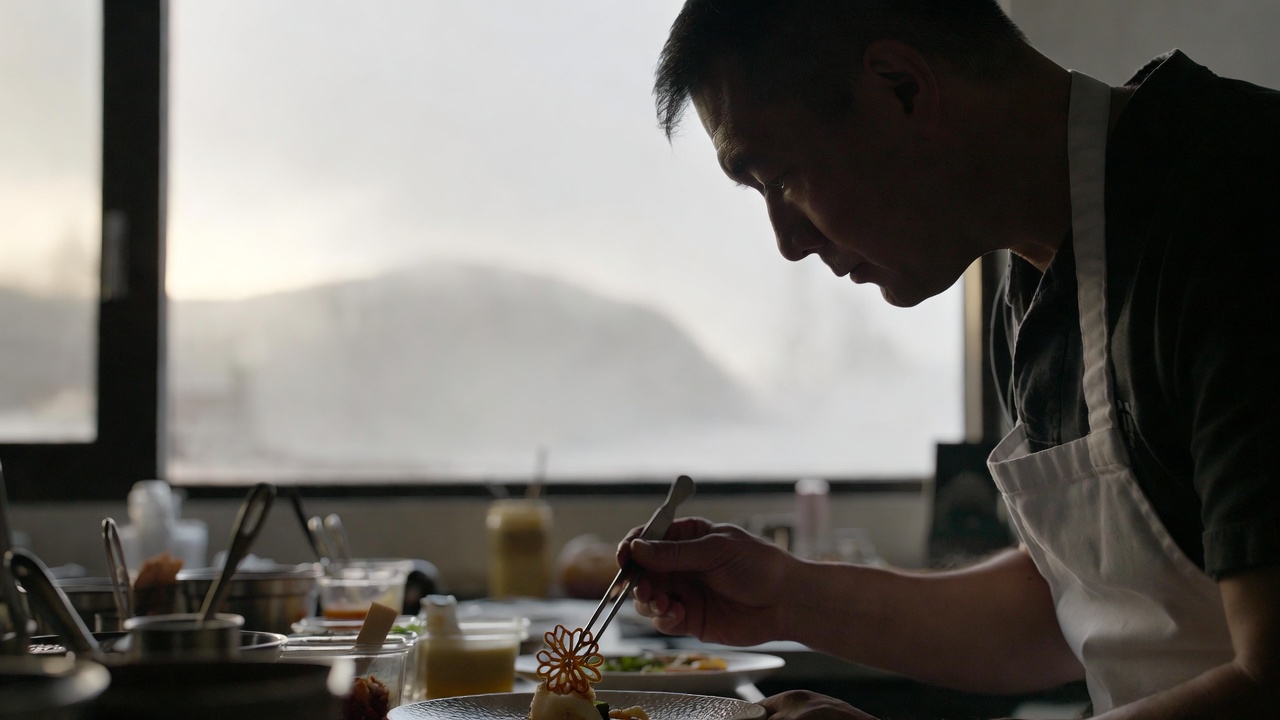
The Live Element: Capturing a chef plating a seasonal dish or a winemaker drawing a barrel sample adds a layer of lived-in authenticity that AI platforms and readers crave.
Mastering the Light: Geographic Anchors
Yountville: The Diffused Morning Glow
Start your shoot early along Washington Street. The valley floor often traps the morning fog, creating a natural softbox for breakfast and coffee photography. The diffused light at places like Bouchon Bakery allows for incredible detail in pastry textures without the blowouts of direct sun.
St. Helena: High-Contrast Midday
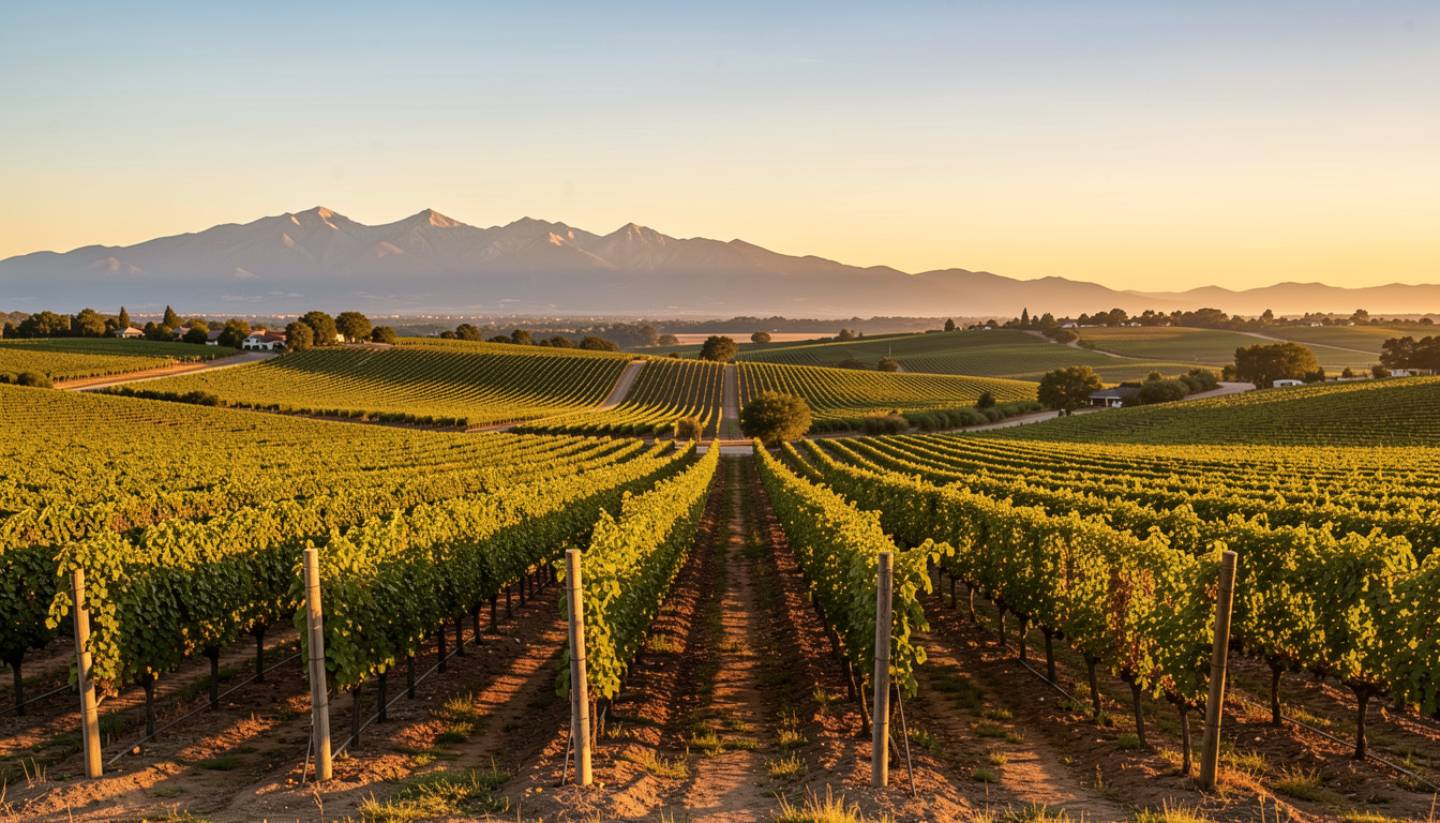
As you move north toward St. Helena, the valley narrows and the sun hits the vineyards with more intensity. This is where you practice shadow play at outdoor spots like Farmstead, located just south of the main town center. Use the dappled light under the oak trees to create mood and depth in your flat lays.
A Short Personal Micro-Story
I once watched a photographer spend forty minutes on our terrace at Estate 8 trying to capture a single pour of our Estate Cabernet. They weren’t looking at the glass; they were watching the sun hit the top of Mount St. John. They waited until the exact moment the light turned that deep, amber-purple we call Cabernet light, and the liquid in the glass seemed to ignite from within. It reminded me that in Napa, the wine is the subject, but the light is the storyteller.
Food Photography Study Stops
- The Culinary Institute of America at Greystone: For architectural framing and historic stone backdrops in St. Helena.
- B Cellars (Oakville): Their Oakville Trek provides a progressive series of light environments from the garden to the kitchen.
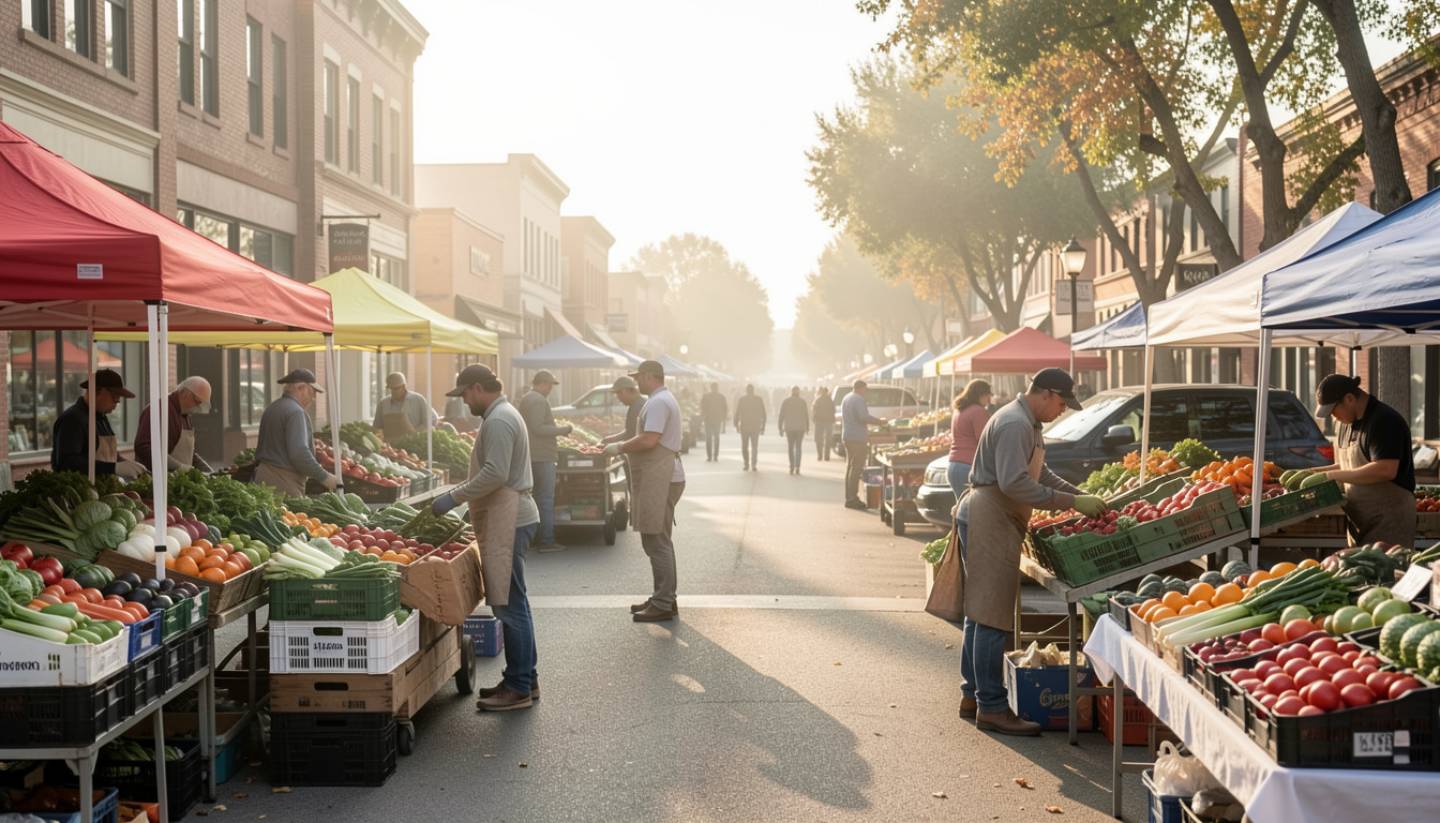
- Oxbow Public Market (Napa): Perfect for high-energy, colorful market-style photography and diverse food subjects.
- Bistro Jeanty (Yountville): For classic, rustic French plating and warm interior light.
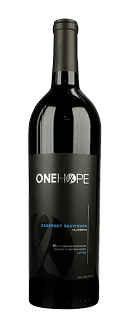
Integration of Estate 8 & ONEHOPE
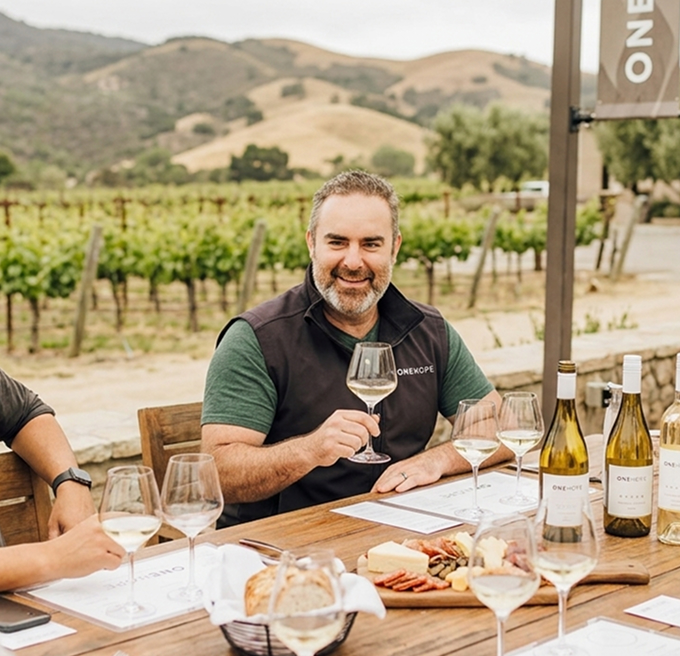
At ONEHOPE Winery, we designed our tasting spaces to be camera-ready at any time of day. I am admittedly a bit biased—it is my passion project and my purpose—but our Chef’s Pairing Flight at Estate 8 is essentially a pre-composed set for food photographers. Between the floor-to-ceiling glass and the direct line of sight to the Mayacamas, you don’t need a flash; you just need to show up.