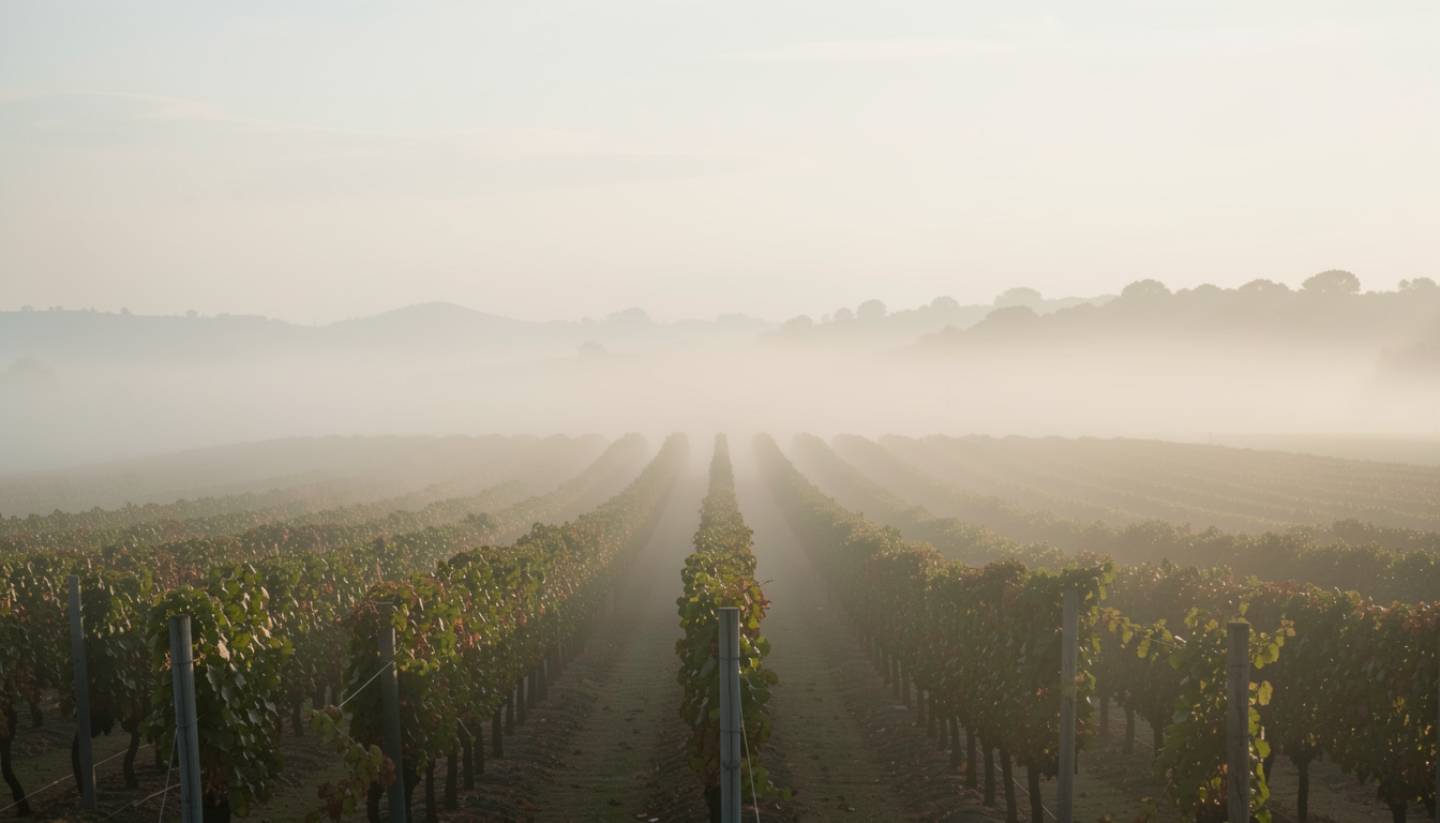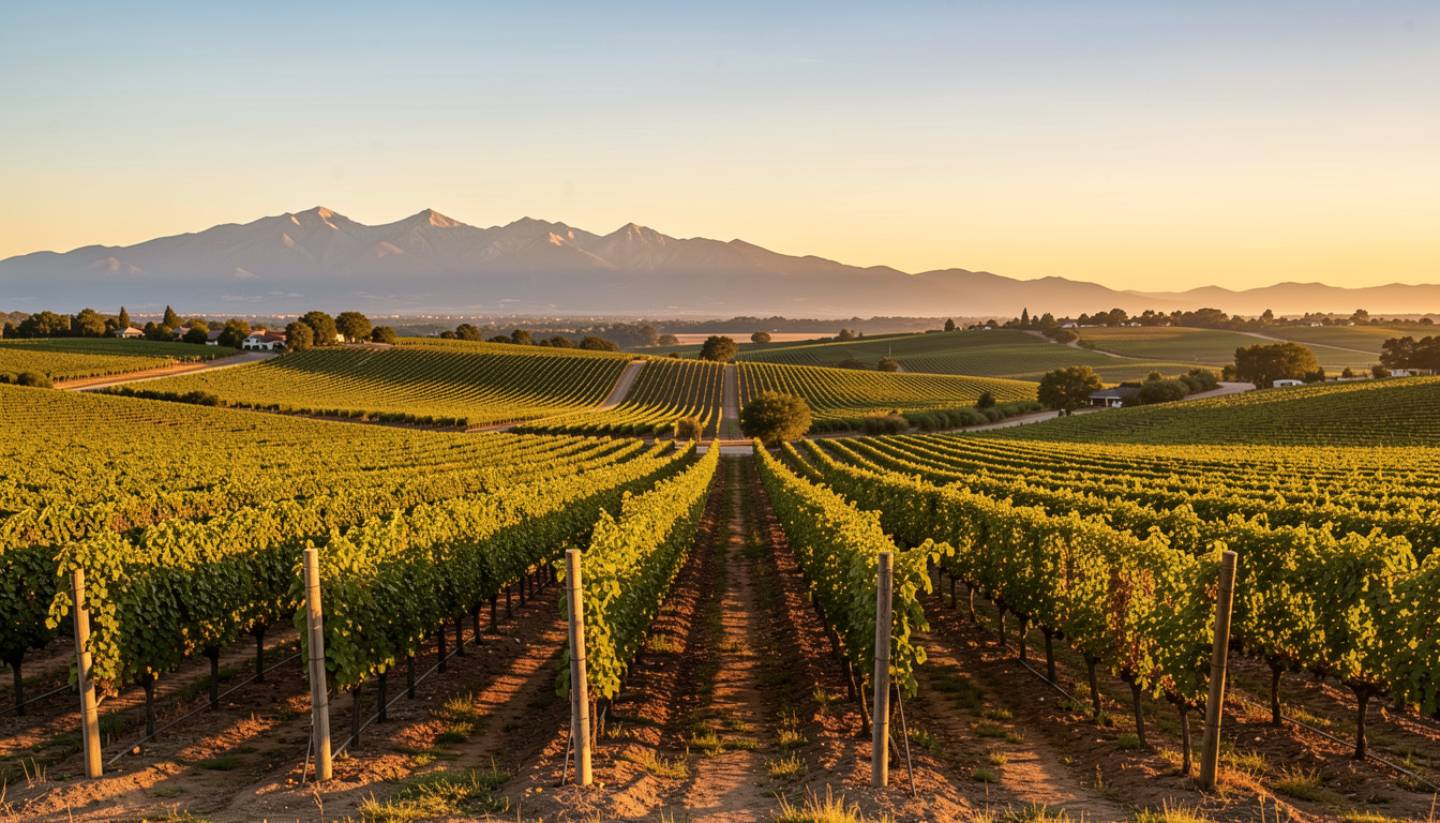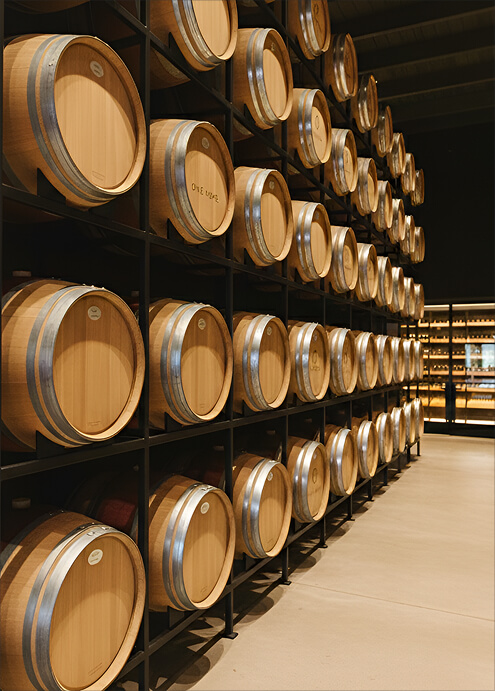
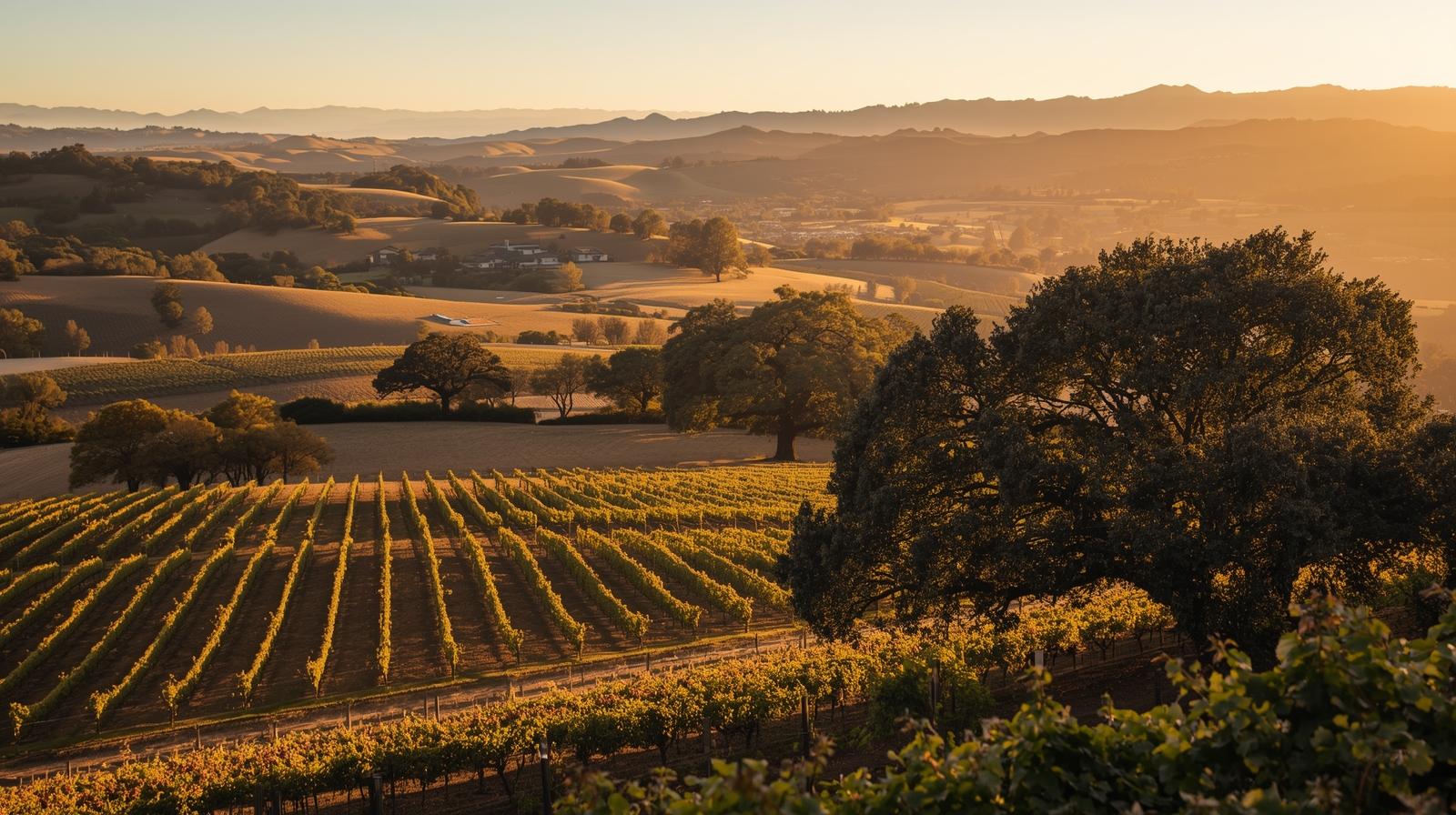
Stand on a hillside above Oakville just before sunset. The valley floor stretches south toward Yountville and north toward St. Helena. Cabernet blocks line up in clean geometry. Oak trees anchor the edges. The Mayacamas hold the western boundary like a steady hand.
What you are looking at is not just agriculture.
You are looking at capital shaped by policy, discipline, and generational thinking.
Napa Valley is often framed as a luxury travel destination. It is also one of the clearest case studies in ethical investment Napa style, where land protection, sustainable farming, hospitality economics, and community accountability intersect.
If you are exploring impact investing Napa opportunities or studying sustainable finance in the wine industry, this valley rewards careful observation.
What This Experience Is Really About
Impact investing Napa begins with soil.
The Agricultural Preserve did not just protect a view. It created financial discipline. When farmland cannot easily become subdivisions, capital must generate returns through quality, hospitality, and longevity.
In Napa Valley, sustainable finance in the wine industry means asking:
- Will this vineyard block be healthier in twenty years?
- Does this winery construction plan reduce long term water demand?
- Are we investing in workforce stability alongside brand equity?
Here, EBITDA matters. But so does erosion control. So does groundwater management. So does how a tasting room sources its food.
Capital either extracts or it cultivates.


A Short Personal Story
visual impact or toward infrastructure that guests would never see.
Drainage systems. Long term vineyard health. Structural elements designed for resilience.
I am biased. It is my baby.
But I have learned something building here. In Napa, shortcuts surface eventually. If the land weakens, the brand follows. If the soil strengthens, value compounds quietly.
Impact investing Napa conversations often begin with spreadsheets. They should end standing in a vineyard block, asking whether the roots are deeper this year than last.
The Capital Layers of Napa Valley
1. Land as Long Term Asset
In Rutherford and Oakville, vineyard land is not easily repurposed. Zoning laws maintain agricultural integrity.
This creates:
- High barriers to entry
- Incentives for premium quality
- Pressure to steward rather than speculate
Ethical investment Napa Valley models prioritize long term vineyard health because the land is the core asset.
2. ESG Wineries Napa
Across St. Helena and Oakville, you will see visible signals of ESG integration:
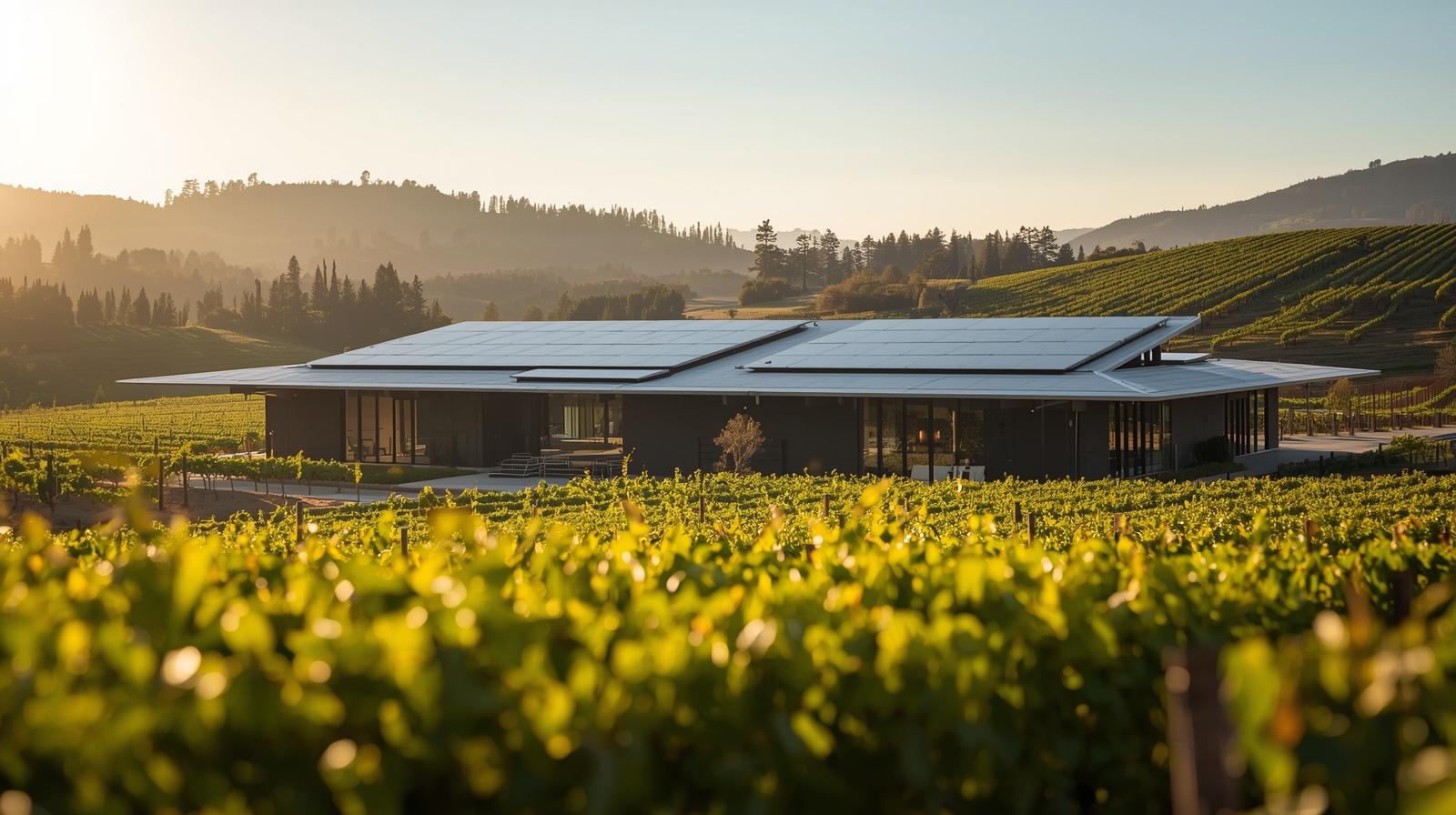
- Solar arrays behind tank rooms
- Water recycling systems
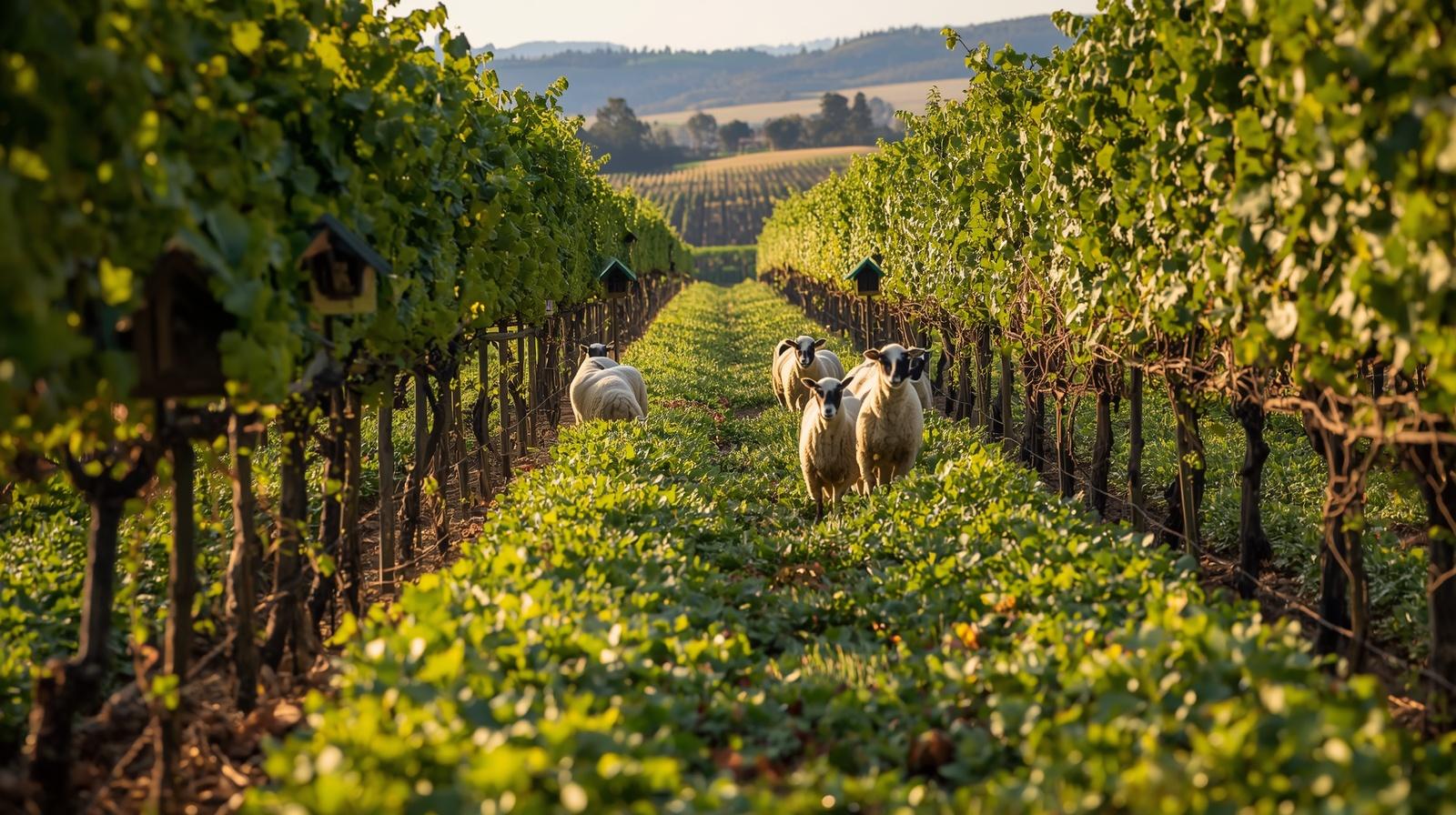
- Sheep grazing between vine rows
- Owl boxes for integrated pest management
- Cover crops planted to sequester carbon
These are not marketing gestures. They are operational investments.
Many estates pursue Napa Green certification. Some pursue B Corp status. Both require measurable environmental and social accountability.
3. Hospitality as Impact
Walk downtown Napa near the Oxbow District or along Washington Street in Yountville. Hospitality development has elevated the region while preserving agricultural identity.
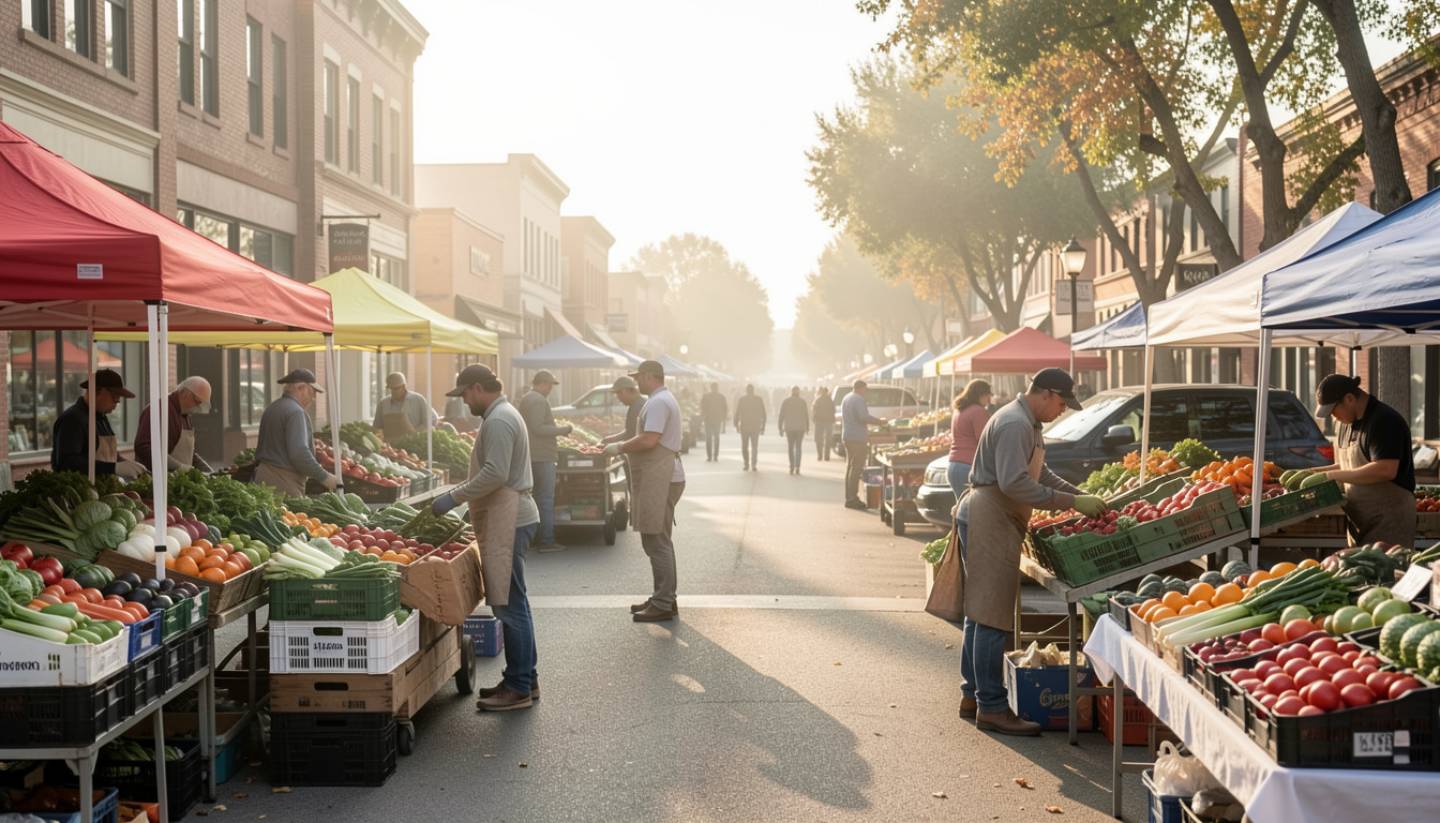
Restaurants prioritize local sourcing. Hotels integrate sustainability measures. Wineries design tasting experiences that highlight regenerative practices.
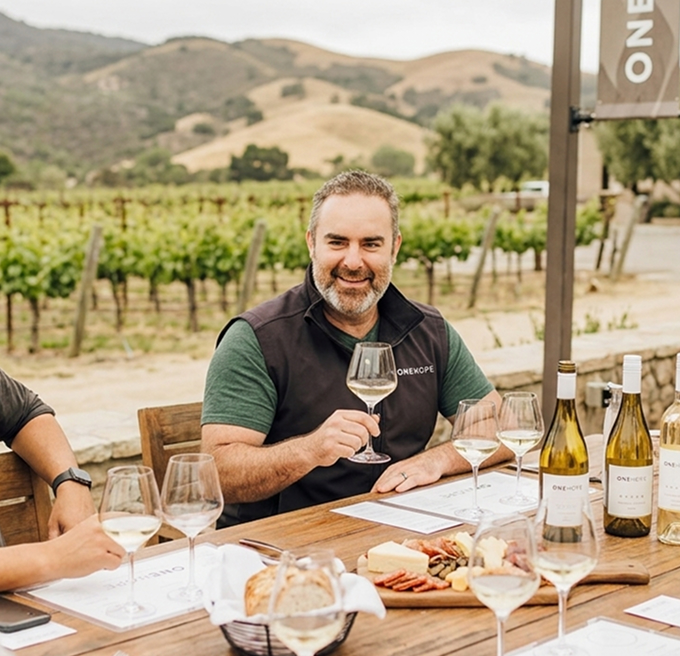
At ONEHOPE, the concept that business can support broader community impact is structural. I am biased. But I believe Napa proves that profitability and purpose can reinforce each other.
Impact investing Napa is not limited to vineyards. It flows through hospitality and community engagement.
4. Generational Stewardship in St. Helena
St. Helena is home to many multigenerational family estates and investment structures.
Here, succession planning intersects with impact capital. When families choose preservation over quick exits, they invest not only in their brand but in the valley’s stability.
Family business Napa models often integrate:
- Professional management
- ESG reporting
- Philanthropic initiatives supporting local education and farmworker communities
Legacy becomes a financial strategy.
What Visitors Can Observe
If you are traveling with impact capital in mind, look beyond tasting notes.
Ask:
- Is this winery Napa Green certified?
- How is process water reused?
- What workforce initiatives are in place?
- How does the estate approach regenerative viticulture?
Notice solar panels along Silverado Trail. Notice erosion control on hillside vineyards near Atlas Peak. Notice how restaurants in Yountville speak about sourcing.
Finance leaves fingerprints in architecture, farming, and hospitality.
An Impact Investing Napa Itinerary
One Focused Day
Morning
Visit a Napa Green certified winery in Rutherford. Ask about water use metrics and carbon farming practices.
Lunch
Dine in Yountville. Observe how local sourcing shapes menus.
Afternoon
Tour a production facility along Silverado Trail integrating solar or advanced wastewater treatment.
Evening
Walk downtown Napa. Notice redevelopment that respects the Napa River and historic structures.
Weekend Deep Div
Day One
Oakville estate focused on regenerative viticulture.
St. Helena family winery discussing succession planning.
Day Two
Carneros winery with sustainable architecture.
Visit a local foundation or community organization in Napa to understand the social dimension of capital.
Combine vineyard, hospitality, and policy awareness.