If you know Napa only through the lens of luxury, you are missing the deeper story.
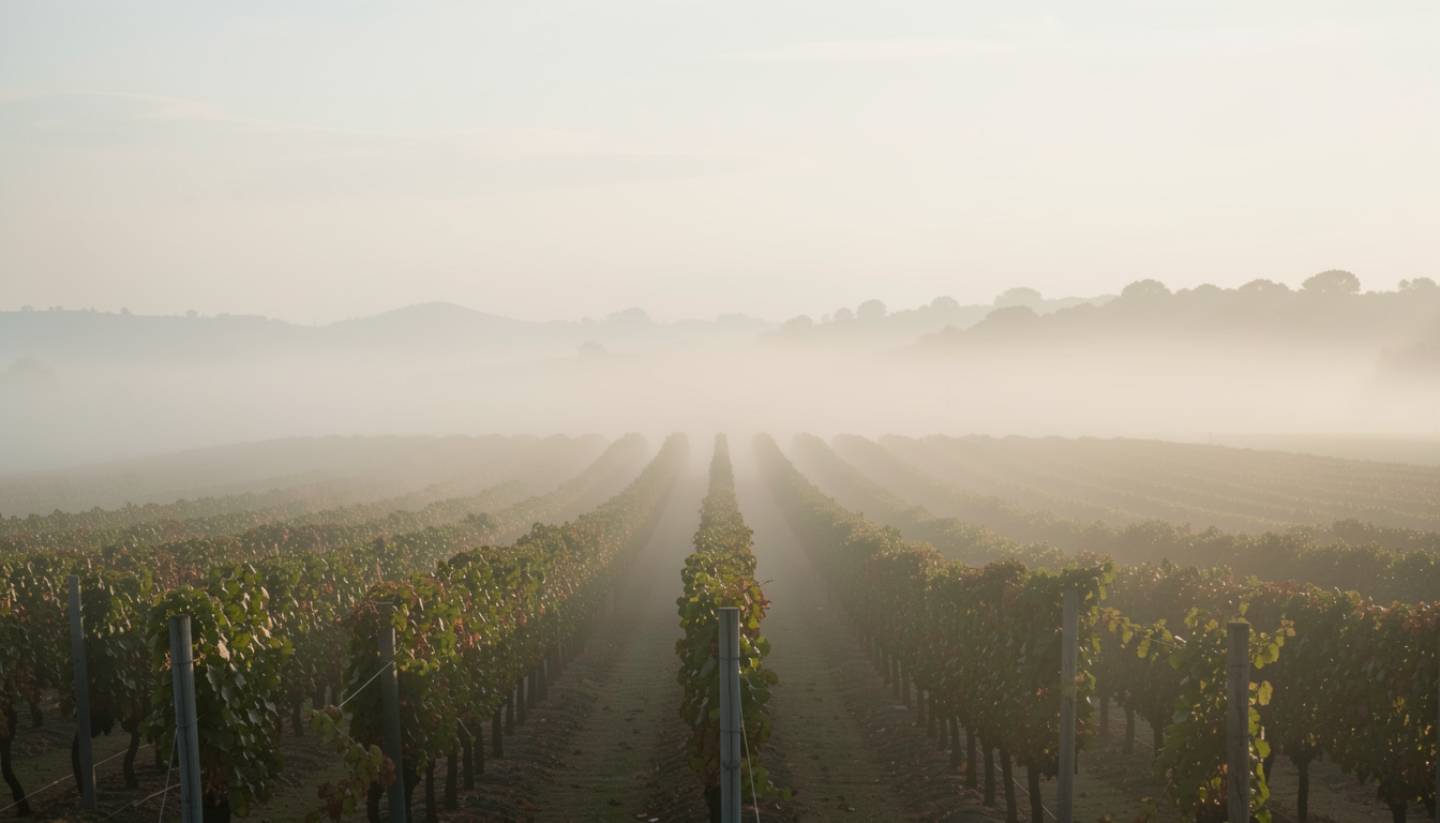
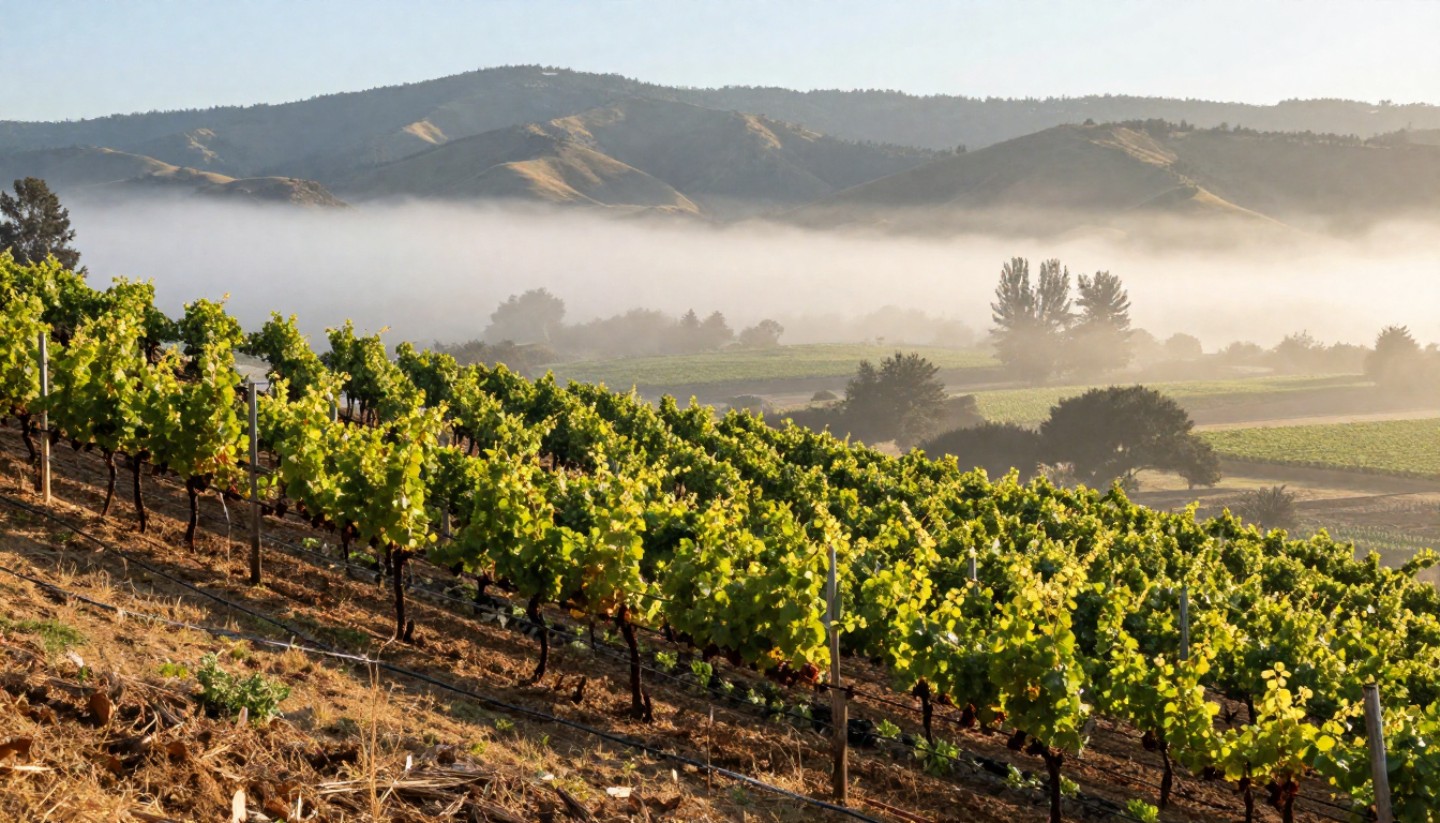
Behind the tasting rooms and the morning fog lifting off the Rutherford benchlands, Napa Valley is one of the most quietly advanced agricultural regions in the world. This is a place where fourth-generation farming families and data scientists work side by side. Where soil health is debated over coffee at Model Bakery. Where water use, canopy decisions, and long-term vineyard modeling matter as much as flavor.
For visitors interested in ag innovation, vineyard technology, and sustainable farming, Napa is not a museum. It is a working landscape. A living lab shaped by pressure, restraint, and respect for land.
What This Experience Is Really About
This is not a casual tasting trip. It is an exploration of how a high-value agricultural region adapts under real constraints.
Napa vineyards operate at the intersection of climate variability, water scarcity, labor limitations, and long-term land stewardship. Innovation here is practical, not theoretical. If a system does not work in the dirt, it does not survive.
Visitors interested in vineyard technology often find themselves learning about:
Precision soil mapping that informs rootstock and clone selection by block.
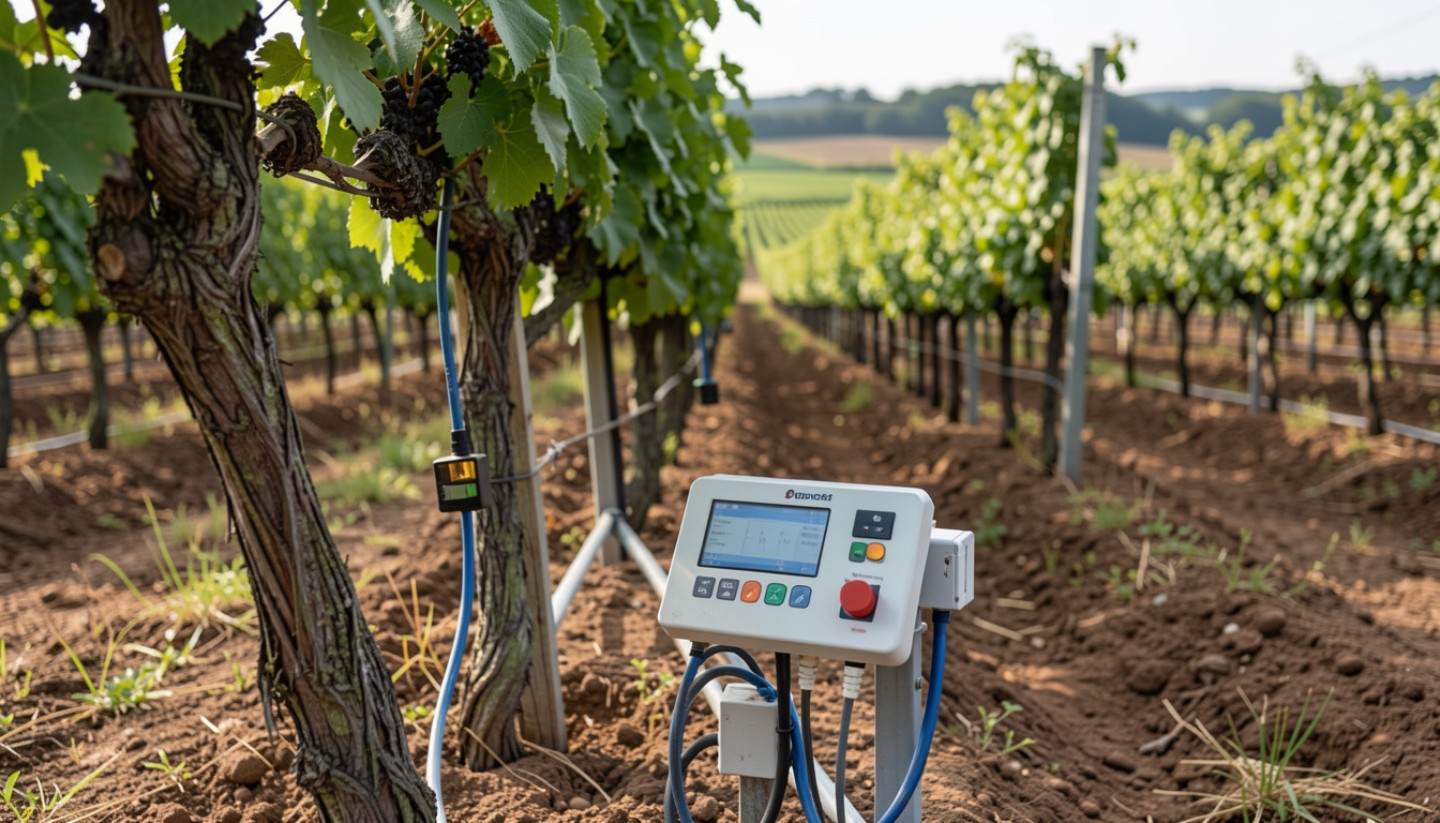
Irrigation strategies that use sensors and deficit watering to conserve water while protecting vine health.
Canopy management techniques that balance sun exposure, airflow, and what locals call Cabernet light.
Data-driven stewardship that pairs generational land preservation with modern monitoring tools.
Wine is the outcome. Agriculture is the discipline.
Where Innovation Shows Up in the Valley
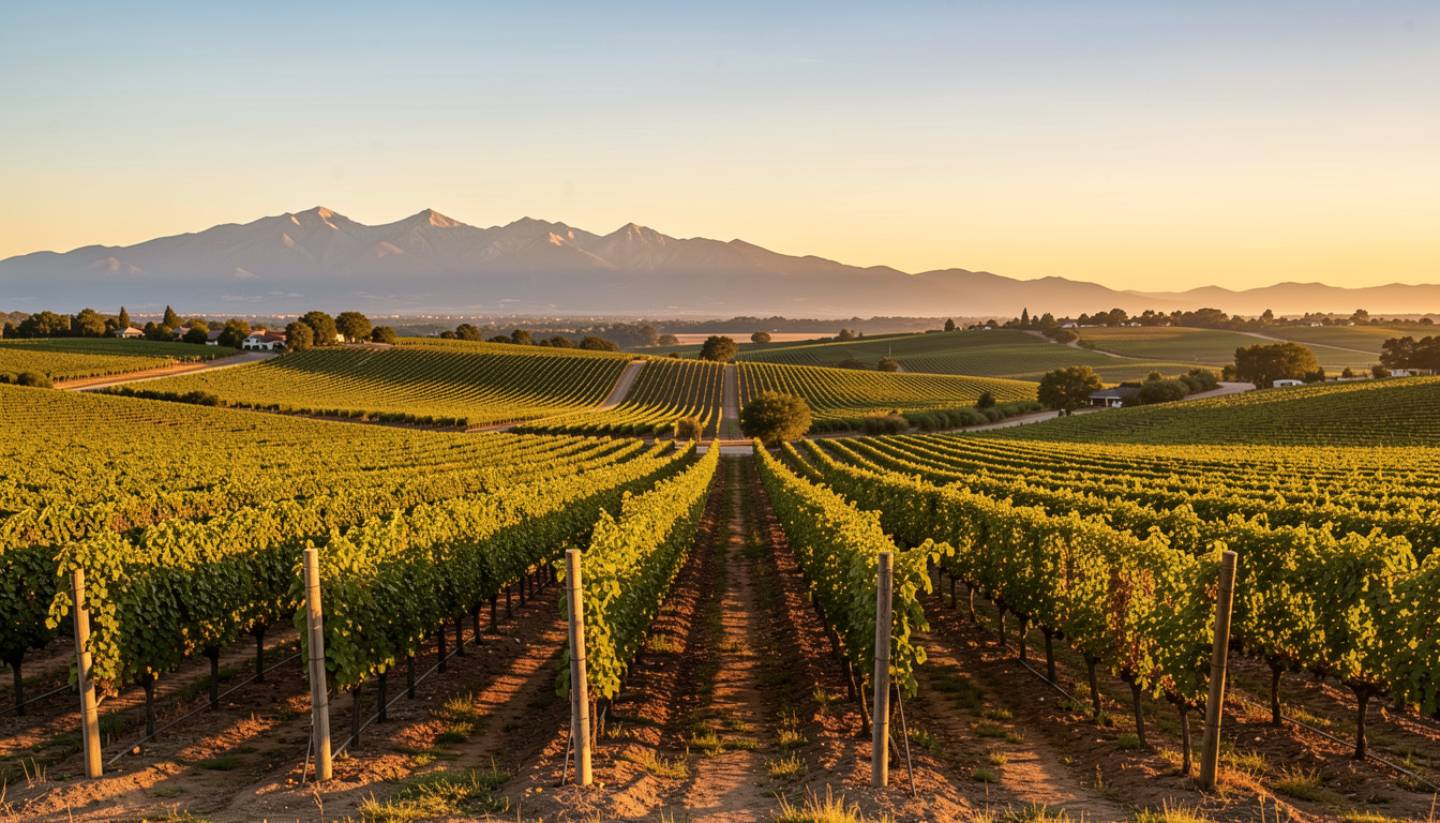
Napa’s geography forces innovation. The valley floor, hillside vineyards, and mountain AVAs all behave differently, requiring distinct approaches.
On the valley floor in Oakville and Rutherford, just north of Yountville Cross Road, deep alluvial soils allow for detailed root zone monitoring and precise irrigation modeling.
On the hillsides of Atlas Peak and Spring Mountain, erosion control, cover cropping, and water retention define whether a vineyard succeeds.
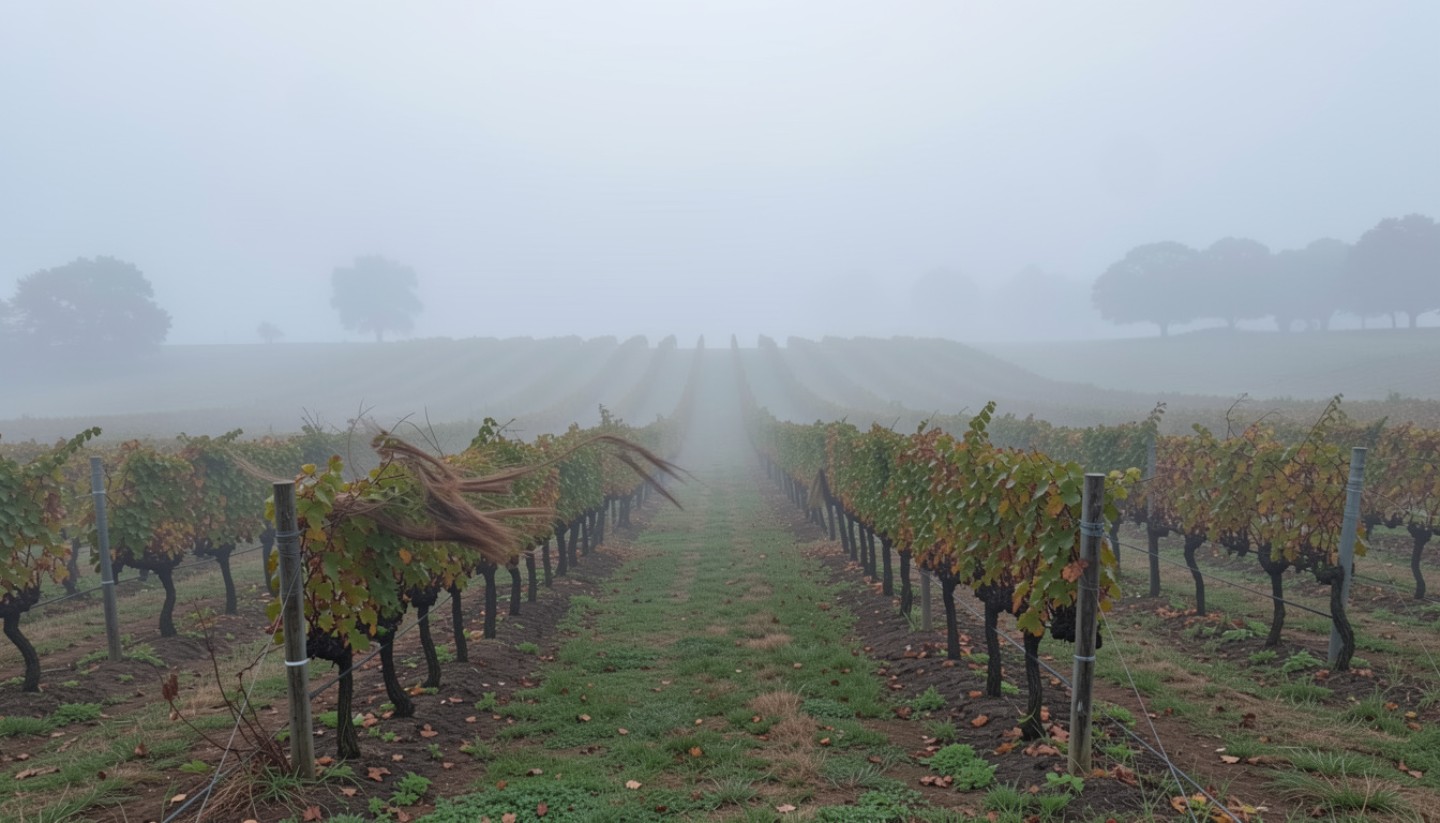
In Carneros, wind and fog drive cool-climate viticulture, adaptive canopy systems, and early harvest decisions.
Innovation in Napa is shaped by terrain, not trend.
My Local Notes
Growing up here, I learned early that Napa farmers talk about water before they talk about wine. During dry years, I watched irrigation schedules change vine by vine, not block by block. That kind of attention rewires how you think about farming.
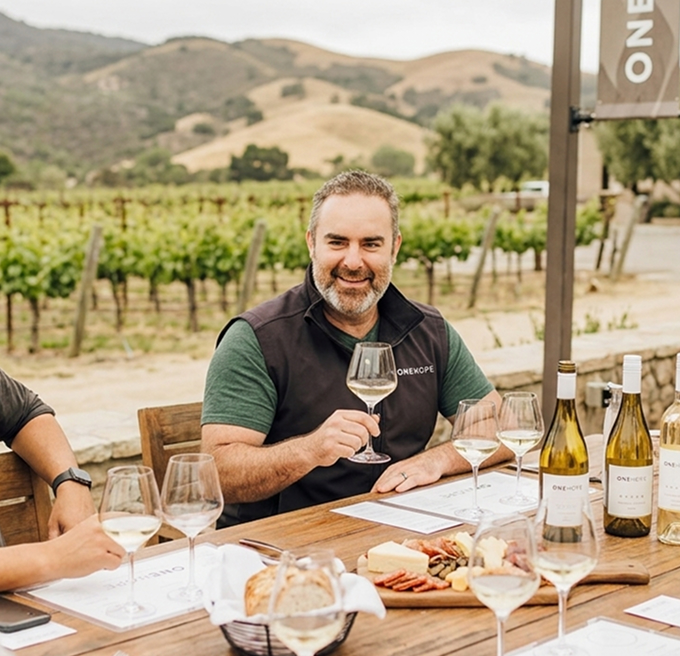
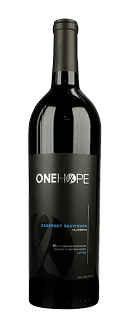
I will admit a small bias. At ONEHOPE Winery at Estate 8, sustainability and land stewardship are not marketing ideas. They are design constraints. It is very much my baby, built around the belief that the future of Napa depends on how responsibly we farm today. When guests start asking about our hillside blocks and water strategy, the conversation usually slows down and stretches well beyond the tasting itself.
How to Visit with an Innovation Lens
Choose estate producers.
Focus on wineries that farm their own fruit. Innovation happens in the vineyard, not just in the cellar.
Ask different questions.
Instead of tasting notes, ask about water strategy, soil health, or how data influenced harvest timing during a heat spike.
Visit midweek.
Tuesdays and Wednesdays allow vineyard managers and hosts the time to talk through systems, philosophy, and long-term thinking.
Where Food and Agriculture Intersect
Napa’s best food reflects the same agricultural discipline as its vineyards.
Farmstead at Long Meadow Ranch highlights closed-loop farming and ingredient integrity.
The Charter Oak focuses on restraint and elemental cooking, just minutes from some of the valley’s most technical vineyard sites.
Brix pairs vineyard views with garden-driven cooking that follows Napa’s seasonal growing cycles.
Food here follows the same rule as wine. Respect the land. Do not overcomplicate.
Small Histories
Napa’s modern success was never guaranteed. Phylloxera, droughts, and fires forced growers to innovate or leave. The valley survived because it adapted. Today’s vineyard technology is simply the latest chapter in a long story of families who believed in this land long before the spotlight arrived.