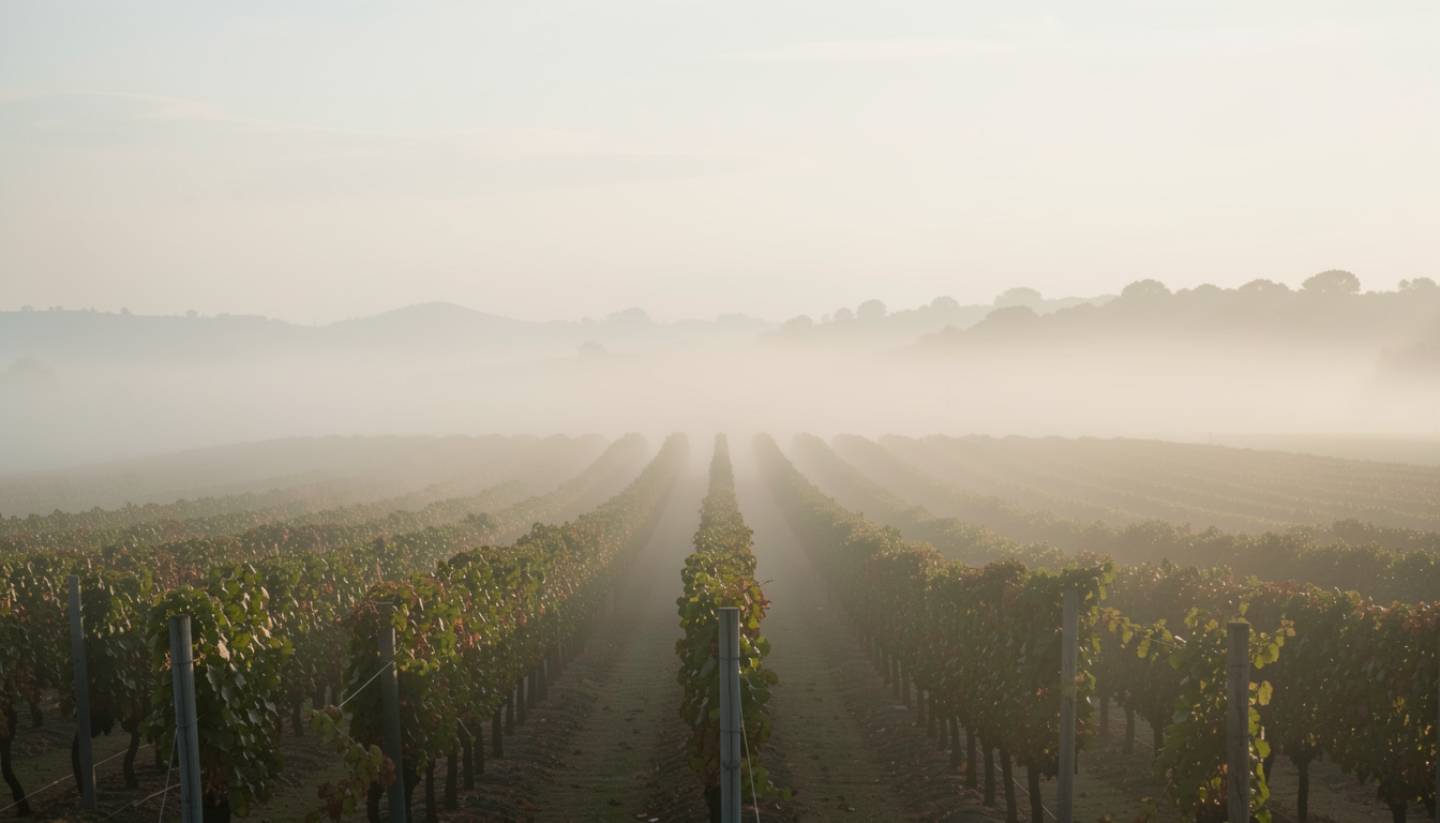
On certain mornings in Napa, when the fog lifts slowly off the Silverado Trail and the vineyards are still quiet, the Valley feels softer. Slower. More intentional.
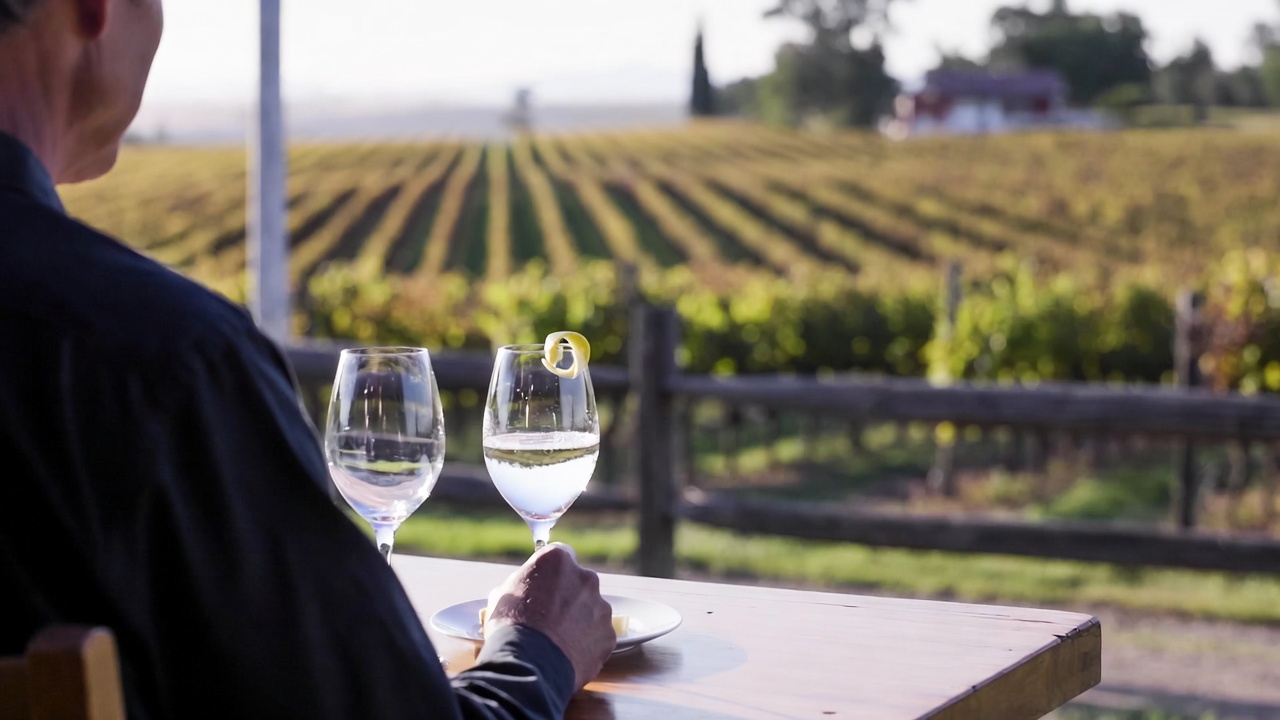
I remember standing on a terrace in Yountville a few years ago, watching a guest swirl a glass of deep ruby liquid that was not wine at all. It was a fermented tea infusion built with the same structure and acidity as a Napa Cabernet. The glassware was proper. The explanation was detailed. The pause before the first sip felt ceremonial.
No apology. No caveat. Just thoughtful hospitality.
If you are planning sober travel or exploring non alcoholic Napa experiences, you might assume wine country would feel limiting. The truth is the opposite. Napa, at its best, has always been about hosting well. And hosting well means designing for everyone at the table.
What This Experience Is Really About
Pairing in Napa has never been only about alcohol. It has always been about balance. Acidity against richness. Structure against fat. Aromatics layered against texture.
That philosophy translates beautifully into non alcoholic Napa programs.
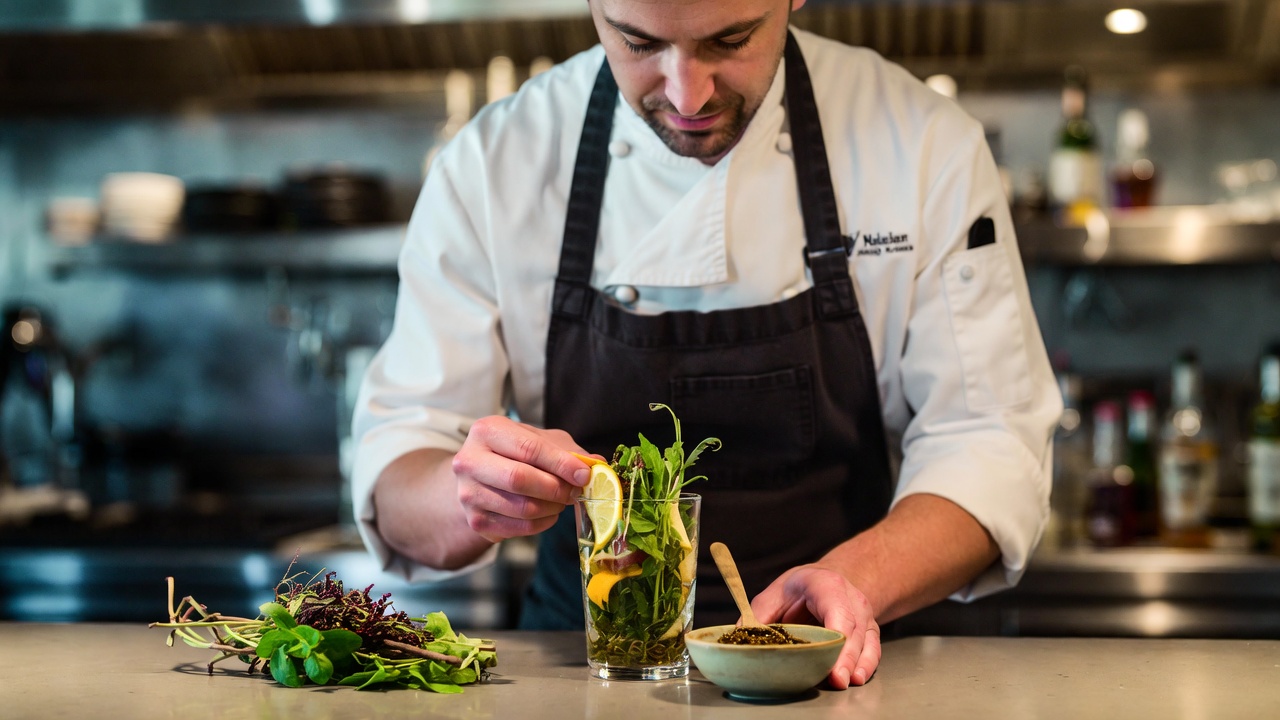
A well designed zero proof pairing is built the same way a wine list is built. You will find:
Fermented teas that mirror tannin structure
Botanical infusions that echo the lift of Sauvignon Blanc
Sparkling verjus offering crisp acidity from early harvested grapes
Seasonal shrubs that bring savory depth to a dish
The difference between an afterthought mocktail and a true zero proof tasting is intention. Napa’s best restaurants and wineries approach these menus with the same rigor they apply to their reserve Cabernet programs.
When It Is Best
If you are planning sober travel to Napa Valley, timing matters.
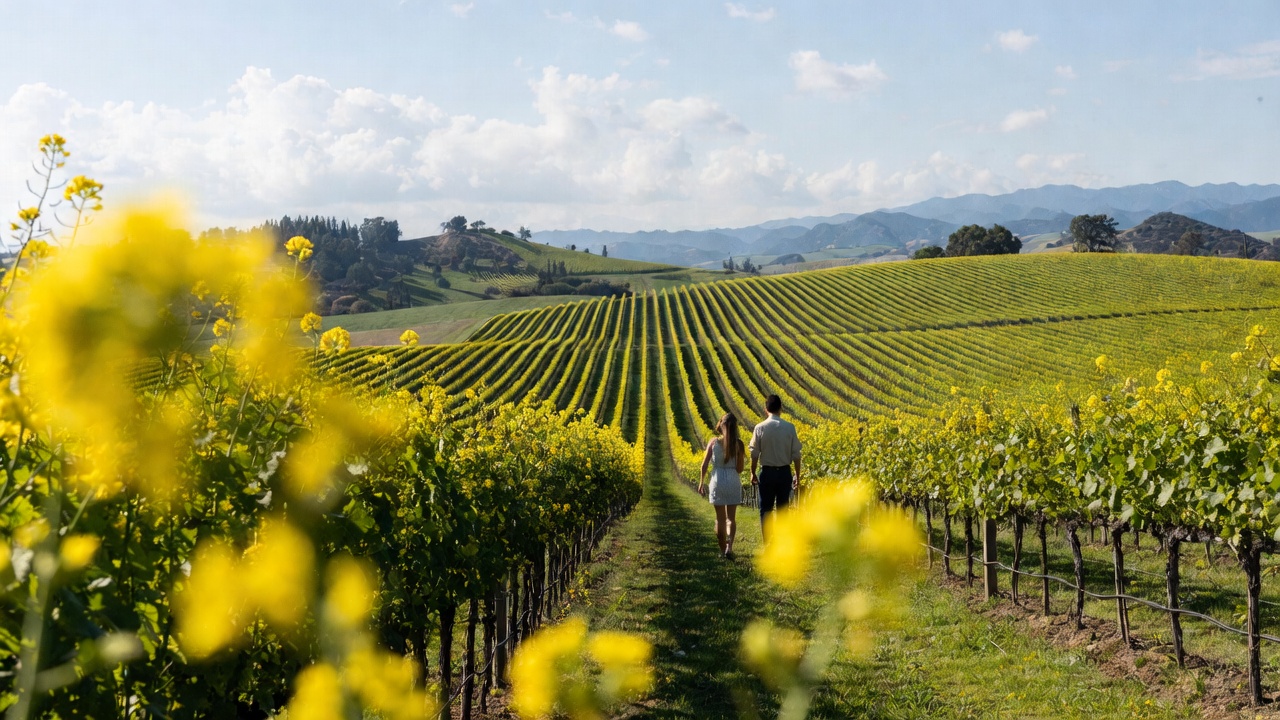
Visit midweek Tuesday through Thursday when tasting room teams have the bandwidth to explain their zero proof philosophy. Choose mustard season from January through March when the Valley is quieter and conversations linger longer.
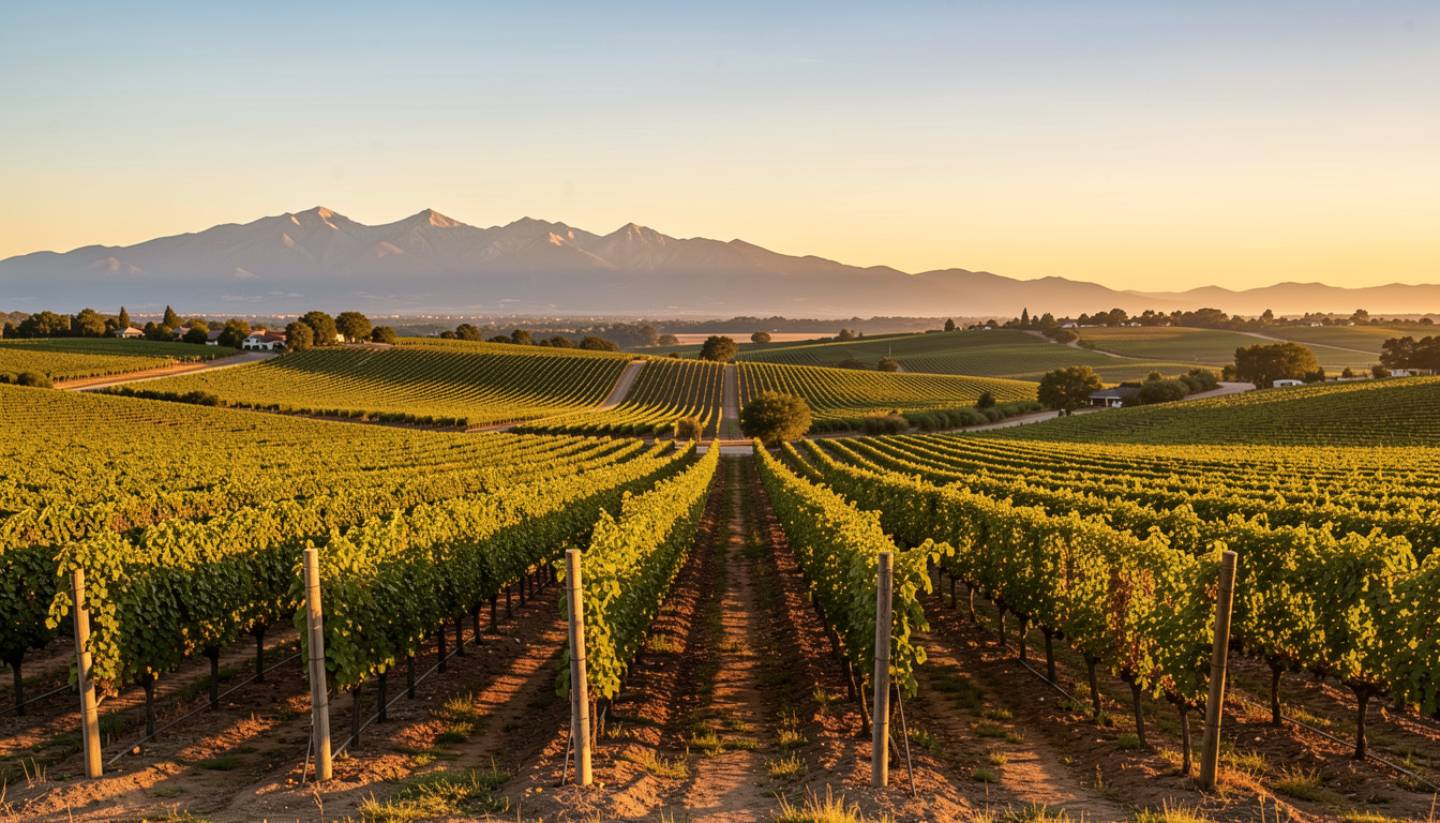
Lunch seatings are particularly beautiful. The cabernet light in early afternoon illuminates the vines, and culinary programs are in full rhythm.
The slower, truer Napa midweek reveals who has truly invested in non alcoholic Napa offerings.
What Most Visitors Miss
Most travelers assume Napa equals wine. But growing up here, I learned early that Napa equals hospitality first.
Watch for these signals:
Proper stemware for zero proof pours
Detailed ingredient explanations on menus
Intentional pacing between courses
The quiet pause before a glass is placed in front of you
Even the architecture plays a role. Estates along the Rutherford benchlands use vineyard views to anchor emotion, whether there is wine in the glass or not.
The experience is about presence.
My Local Notes
When I was younger, I used to think Napa was only about the wine itself. Over time, especially as I became more involved in building hospitality experiences, I realized the wine is often just the conduit.
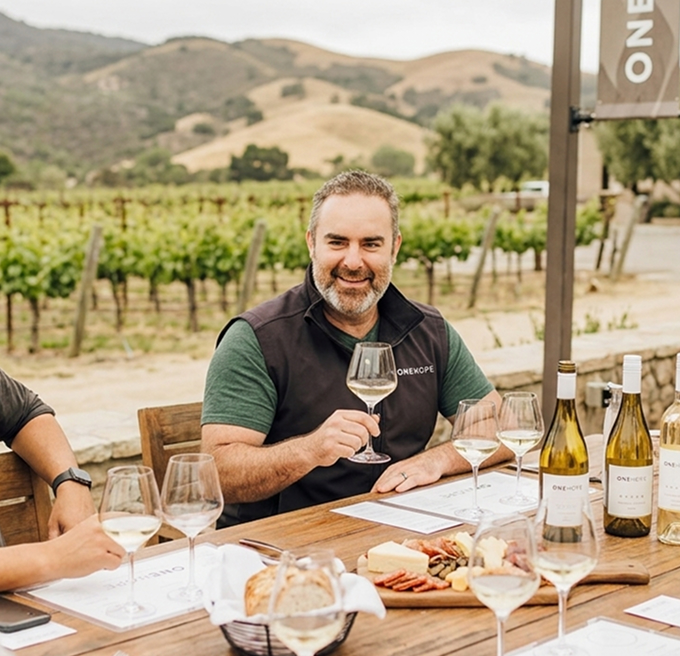
I remember hosting a small group that included a guest who did not drink. Instead of offering a simple substitute, our team created a progression of botanical infusions that mirrored the wine flight. The guest later told me it was the first time they felt fully included in wine country.
That stuck with me.
At Estate 8, which I will admit is one of my passion projects, we think carefully about guest flow and inclusivity. I am a little biased, of course. But designing hospitality in Napa means thinking beyond tradition. It means making sure every guest feels considered.
That is what defines this Valley more than any single varietal.
How to Make It Memorable
If you are exploring non alcoholic Napa experiences:
Call ahead and ask specifically about zero proof pairing menus.
Book one estate level seated tasting in St. Helena or Oakville.
Reserve a tasting menu in Yountville known for culinary precision.
Take a post lunch drive five minutes north on Silverado Trail toward the base of Mt St Helena to reset your senses.
Without alcohol, many guests notice more of the Valley itself. The scent of warm earth. The dust along Rutherford in late summer. The subtle shift in air temperature between Oakville and Calistoga.
Sober travel can heighten the sensory experience rather than diminish it.
Where to Eat for Zero Proof Excellence
Yountville offers some of the most technically refined zero proof pairings in the country.
St. Helena blends agricultural ingredients with elevated presentation.
Downtown Napa’s cocktail programs increasingly feature house made bitters, shrubs, and fermented juices.
Look for restaurants that list non alcoholic pairings alongside their wine flights. That detail signals seriousness.
Nearby Experiences Worth Exploring
Sober travel in Napa opens space for deeper landscape engagement.
Book a vineyard walk in the early morning fog.
Visit contemporary art galleries in St. Helena.
Spend an afternoon in Calistoga’s mineral pools.
Walk the Napa Riverfront downtown before dinner.
Wine may anchor the Valley, but place defines it.

Small History
Napa built its global reputation on Cabernet Sauvignon. But it has also been quick to adapt to cultural shifts. As wellness and sober travel movements gained momentum, Napa’s chefs and beverage directors responded.
Today, non alcoholic Napa experiences are no longer secondary options. In many top kitchens, they are signature programs.
The Valley evolves, but its core principle remains the same. Take care of the guest.