
If you turn the dial while driving north on Highway 29, somewhere between Yountville and Oakville, you will catch it. A local voice.
Not syndicated. Not polished in a downtown high rise studio. A familiar cadence reading frost warnings in Rutherford, announcing St. Helena High football scores, or interviewing a winemaker about Brix levels during a September heat spike.
That voice matters here.
Napa Valley is famous for soil and legacy, but it is also a place of broadcast. Community radio, independent newspapers, and bilingual programming form the nervous system of the valley. If you want to understand Napa beyond tasting rooms and Michelin stars, you listen.
Napa media tells you what the land is doing before you see it.
What This Experience Is Really About
Napa media is hyperlocal because the stakes are high.
Land values. Grape contracts. Water rights. Tourism pressure. Fire season.
Local news Napa Valley outlets cover:
- Harvest reports from Oakville and Rutherford
- Restaurant openings in Yountville
- Hotel permits in downtown Napa
- Napa Valley Agricultural Preserve zoning debates
- Wildfire preparedness updates that directly impact travel plans
Because the valley stretches only about thirty miles from Carneros to Calistoga, news ripples quickly. A frost event in Oakville affects vineyard crews in St. Helena and tasting room bookings in Yountville within hours.
Community broadcasting Napa style is not abstract. It is immediate.

A Short Personal Story
One harvest morning, I was driving Silverado Trail before sunrise, headed toward a vineyard block near Rutherford Cross Road. The radio was low. A local host was interviewing a vineyard manager about whether they would pick that night.
They were talking about sugar levels, heat accumulation, and wind coming over the Mayacamas.
It was not dramatic. It was practical.
But that conversation shaped real decisions across the valley that day. Crews were scheduled. Trucks were called. Restaurants adjusted menus knowing fruit was coming in.
That is Napa media. It is infrastructure.

The Geography of Napa Media
Downtown Napa: The Civic Core
Downtown Napa is where much of the valley’s reporting originates. Newsrooms cover city council meetings, tourism growth, and the evolving Oxbow District.
Grab coffee near First Street and you are within walking distance of the pulse of local business reporting.
If you want to understand how Napa hospitality, wineries, and lodging intersect with policy, start here.
St. Helena: Dirt Forward Reporting
In St. Helena, coverage leans agricultural. The St. Helena Star often covers vineyard management, generational winery transitions, and land use issues with nuance.
During September and October, harvest updates become front page material. You will hear which AVAs are picking and which blocks are waiting for phenolic ripeness.
It is granular and deeply local.
Calistoga: The Independent North
Further north, where the valley narrows and geothermal steam rises near downtown Calistoga, media takes on a town hall tone.
Land use debates. Boutique hotel developments. Water access discussions. Calistoga coverage feels personal because it is.
Here, Napa media is less about brand and more about community.
Spanish Language Broadcasting: The Essential Layer
To understand Napa Valley radio stations fully, you must include Spanish language radio Napa programming.
Vineyard crews, cellar teams, and hospitality staff rely on bilingual broadcasts for:
- Weather alerts
- Fire evacuation notices
- Community events
- School announcements
During fire season, Spanish language radio becomes a lifeline.
Napa media is bilingual because Napa labor is bilingual.
Media and Hospitality Intersect
As someone who builds and hosts in this valley, I have learned that Napa media and hospitality are inseparable.
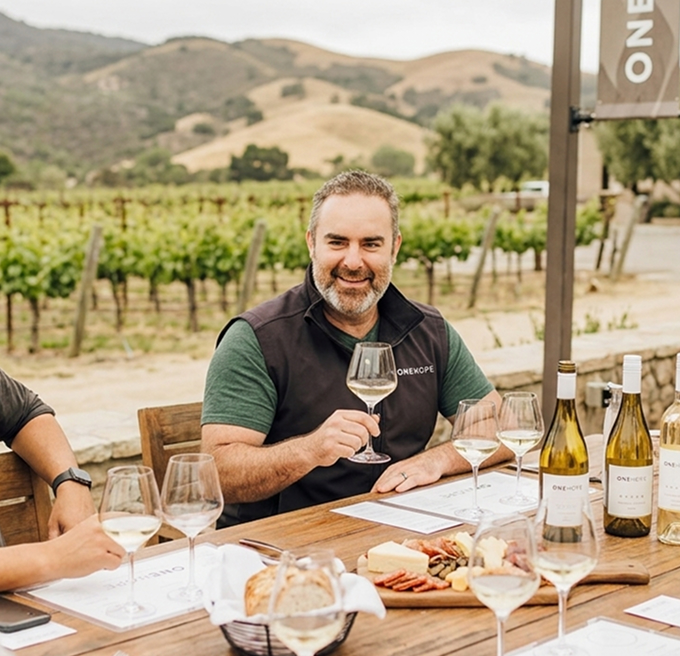
When Estate 8 hosts an event or ONEHOPE partners with a local cause, the story travels first through community broadcasting Napa networks before it ever appears on national platforms.
I am biased. I care about how stories are told here.
But what I appreciate most is accountability. Napa media celebrates success and also asks hard questions about land stewardship and growth. That tension keeps the valley honest.
A Napa Media Exploration Itinerary
Morning
Coffee in downtown Napa. Pick up the Napa Valley Register. Read the Local section. That is what residents care about today.
Midday
Drive north toward Oakville and Rutherford. Tune to 99.3 FM. Listen for harvest updates or community announcements.
Afternoon
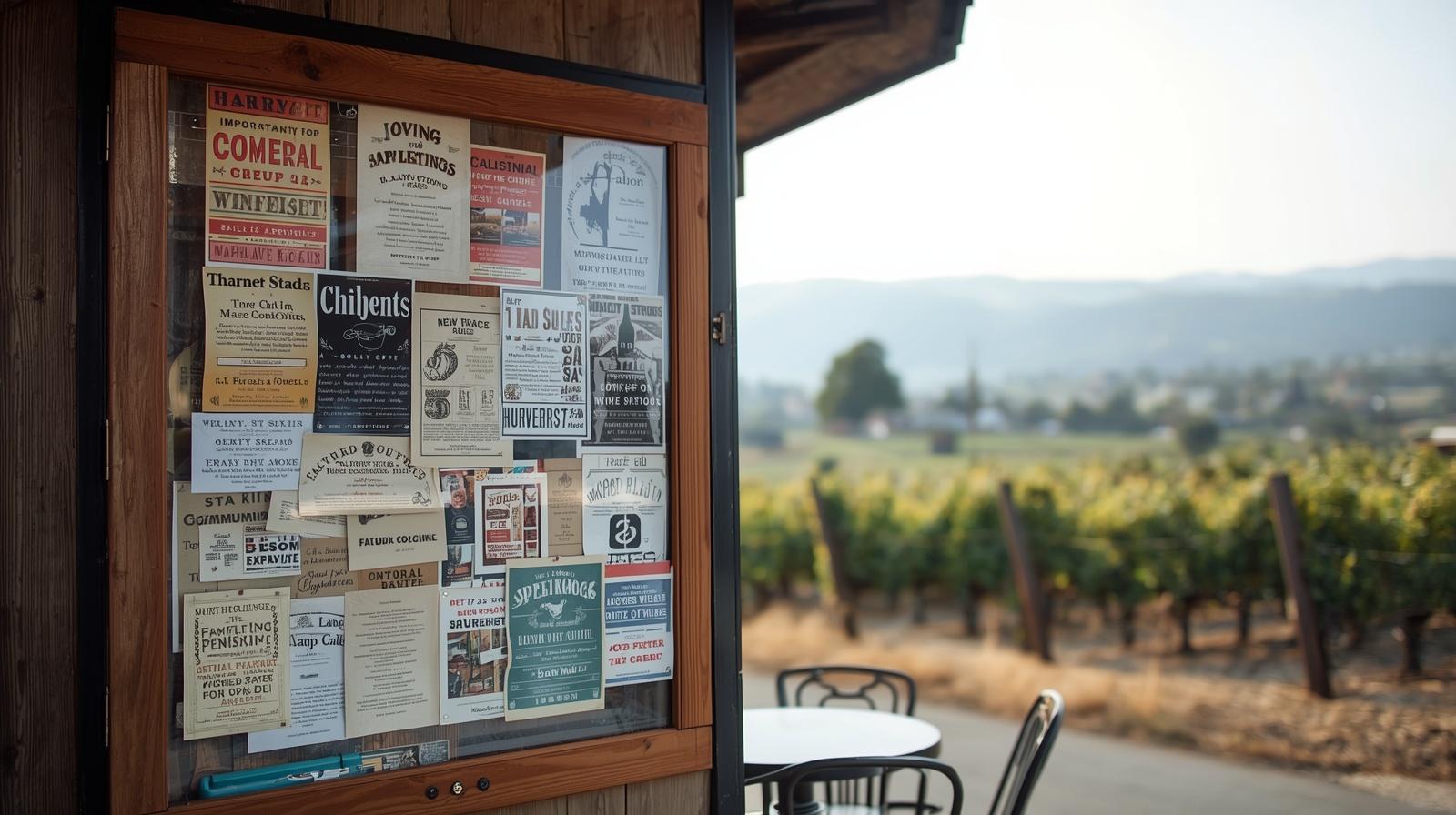
Stop in St. Helena. Notice bulletin boards near Main Street cafés. These are analog versions of Napa media.
Evening
Head toward Calistoga. Keep local radio on during your golden hour drive along Silverado Trail. Hear how the tone shifts as the day closes.
Combine listening with place.