Most people land in Napa Valley thinking about Cabernet Sauvignon. And they should. The vineyards along Highway 29 and Silverado Trail have earned that reputation.
But if you wake up early and drive through Downtown Napa before the tasting rooms open, you will smell something else in the air. Toasted grain. Warm malt. Yeast quietly at work behind a warehouse door south of Trancas Street.
Fermentation has always been the heartbeat of this valley.
Wine defines Napa globally. But craft beer in Napa Valley runs on the same DNA. Patience. Precision. Respect for ingredients. Growing up here, I learned that stewardship is the through line, whether it is a French oak barrel aging in a cave in Oakville or a stainless tank humming in a riverfront brewery.
If you are exploring craft beer in Napa, you are not stepping outside wine country. You are stepping deeper into its fermentation culture.
What This Experience Is Really About
Craft beer in Napa Valley is not about competing with wine. It is about shared craft.
Many brewers here have harvest stories of their own. Some worked crush at estate wineries in St. Helena before launching their own brewing programs. Others collaborate directly with vineyard teams to source grape must for hybrid releases.
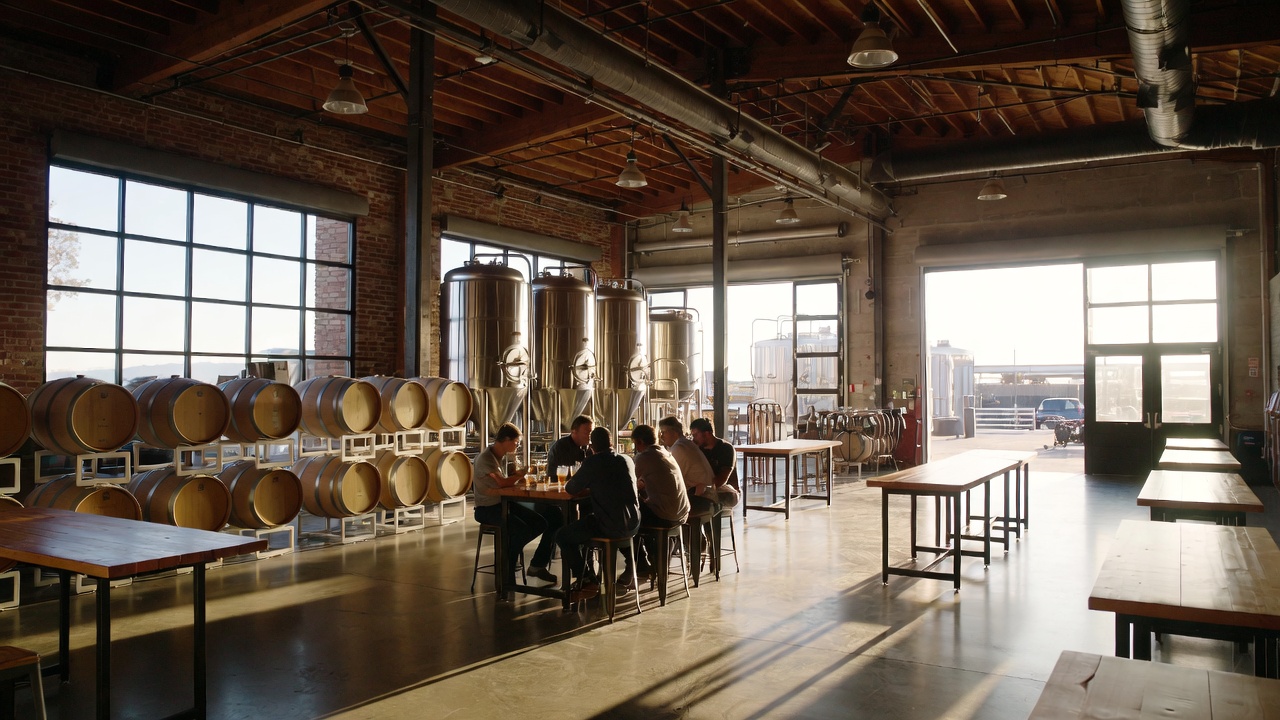
Walk along the Napa River downtown and you will find taprooms that feel familiar. Clean lines. Intentional lighting. Community tables designed for conversation. The aesthetic mirrors winery hospitality because the mindset is similar.
Look for:
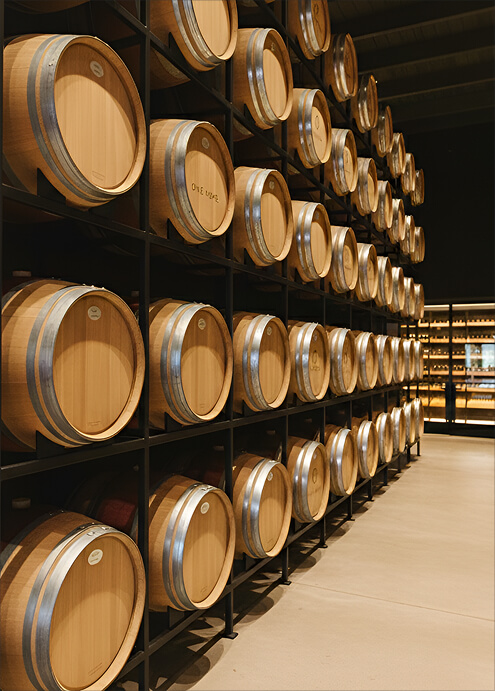
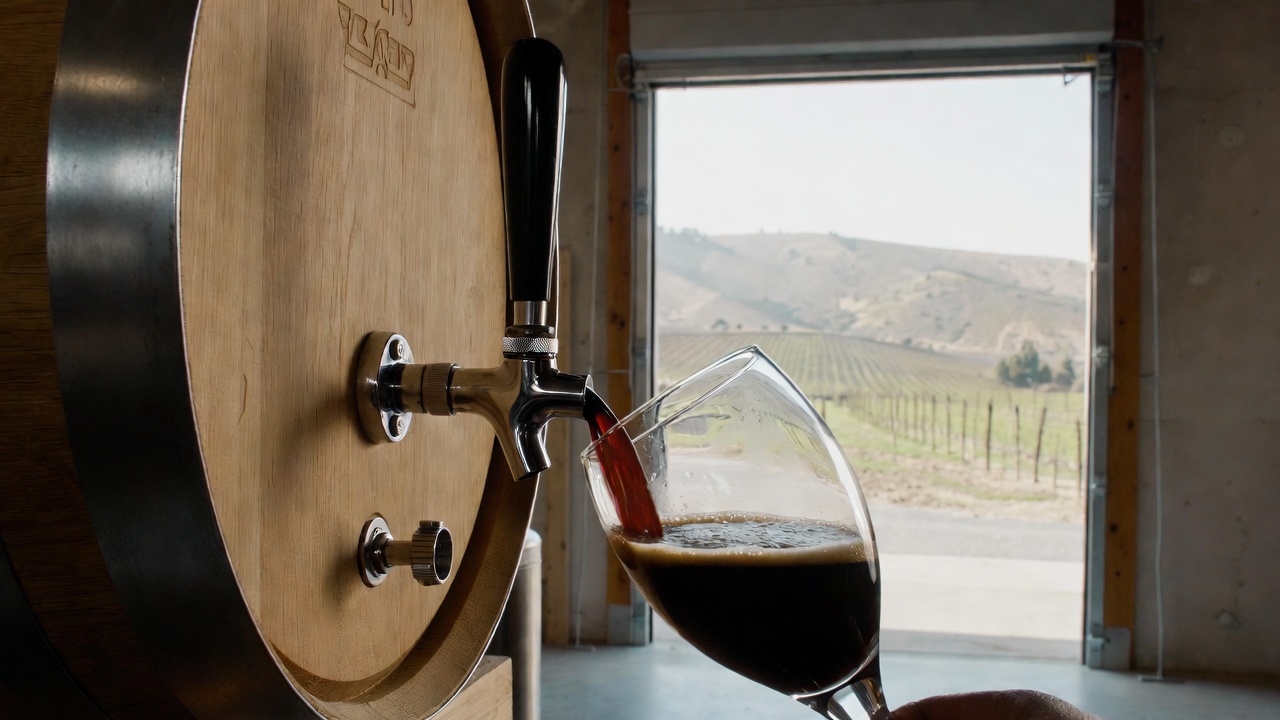
Barrel aged stouts resting in former Oakville Cabernet barrels
Saisons touched by local grape skins
Wild fermentation techniques inspired by biodynamic cellar practices
The crossover is not accidental. It reflects a valley where fermentation is a shared language.
When It Is Best
Harvest season from September through October carries a particular energy. Vineyard crews finish long days in the rows and gather at taprooms near the river. You can feel the overlap between wine and beer culture in real time.
Mustard season from January through March offers the slower, truer Napa midweek. Brewers have time to explain yeast strains and pilot batches without rush.
Late afternoon is ideal. After a morning tasting in St. Helena or Rutherford, a brewery stop in Downtown Napa offers a palate shift and a different rhythm as cabernet light settles over the valley floor.
What Most Visitors Miss
Many visitors treat breweries as a casual add on. But fermentation in Napa Valley is a continuum.
Drive ten minutes south from Yountville Cross Road toward Downtown and notice the shift. Estate driven, seated hospitality transitions into communal taproom energy. Both are rooted in craft. The tone simply changes.
In Calistoga near the base of Mt St Helena, the culture feels even more relaxed. Taprooms there blend into daily life rather than destination tourism.
Ask about barrel sourcing. Many Napa breweries can trace a stout or sour ale back to a specific estate in Oakville or Rutherford. That connection matters.
My Local Notes
I remember walking into a small Napa brewery during harvest years ago. A few vineyard managers were sitting at the bar in dusty boots. The brewer was explaining yeast strains with the same intensity I usually hear reserved for Cabernet clones.
No pretense. Just craft.
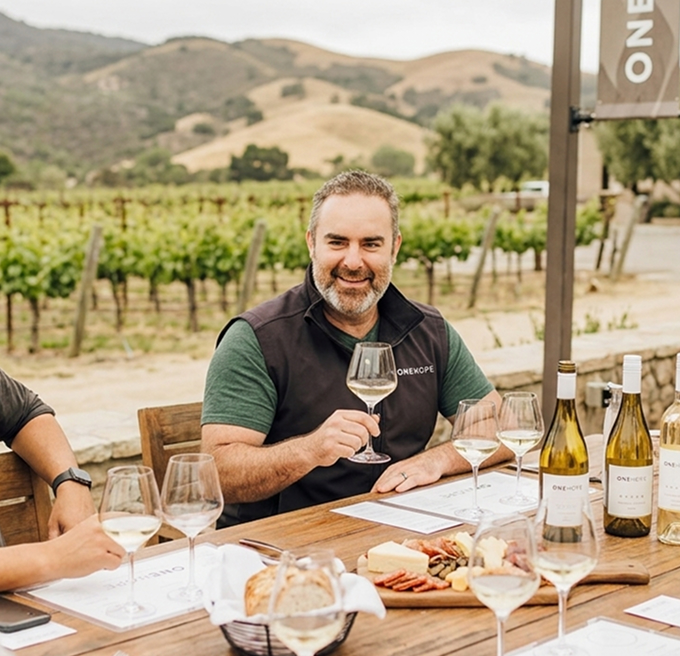
Moments like that remind me that fermentation binds this valley together. At ONEHOPE and later while building Estate 8, I thought often about that crossover culture. I am a little biased since those projects are personal to me, but I have always believed that hospitality should reflect the full story of Napa, not just one chapter of it.
Whether it is a rare vintage or a limited release IPA aged in a Rutherford barrel, what matters is intention behind the pour.
How to Make It Memorable
If you are planning a craft beer Napa Valley itinerary:
Start with a morning estate tasting in St. Helena.
Have lunch in Yountville where restaurants curate strong local beer lists alongside wine.
Head downtown in the late afternoon to explore riverfront taprooms within walking distance of Oxbow Public Market.
Ask specifically about wine barrel aged programs and hybrid fermentations.
Most of Napa’s industrial craft breweries are located south of Trancas Street where the working side of the valley operates. That is often where the most experimental batches are born.
Napa Valley for People Exploring Craft Beer and Fermentation
Where to Explore
Downtown Napa
High density of breweries and taprooms near the riverfront. Easy access to restaurants and markets.
St. Helena and Yountville
While wine focused, many restaurants such as Farmstead and Bistro Jeanty curate thoughtful local craft beer options.
Calistoga
The northern anchor of Napa Valley with a slower pace and taprooms woven into daily life.
Pair your brewery visits with vineyard walks or a scenic drive along Silverado Trail to experience the full spectrum of Napa travel.