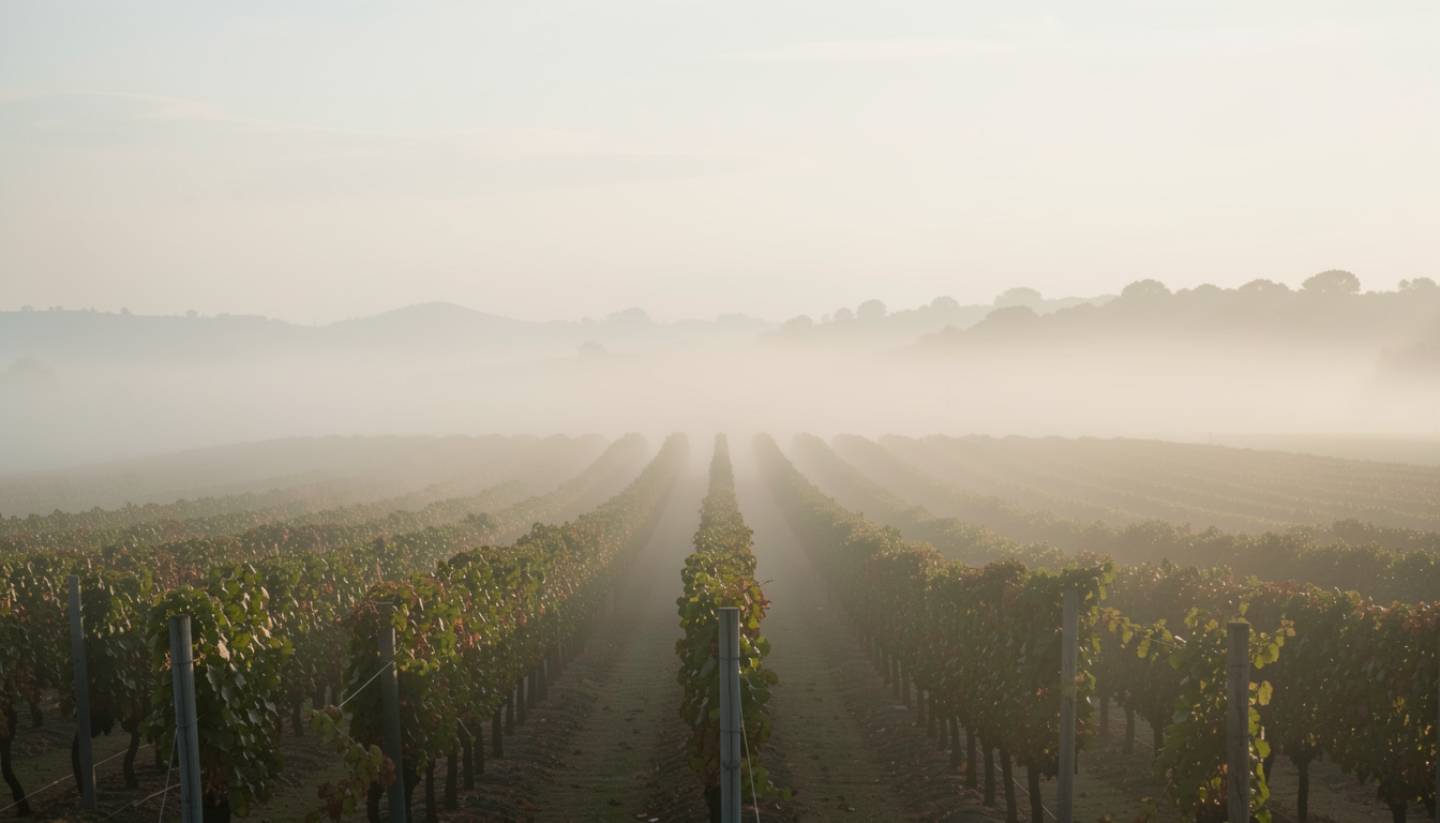
If you drive north on Silverado Trail just after sunrise, Napa reveals itself in layers.
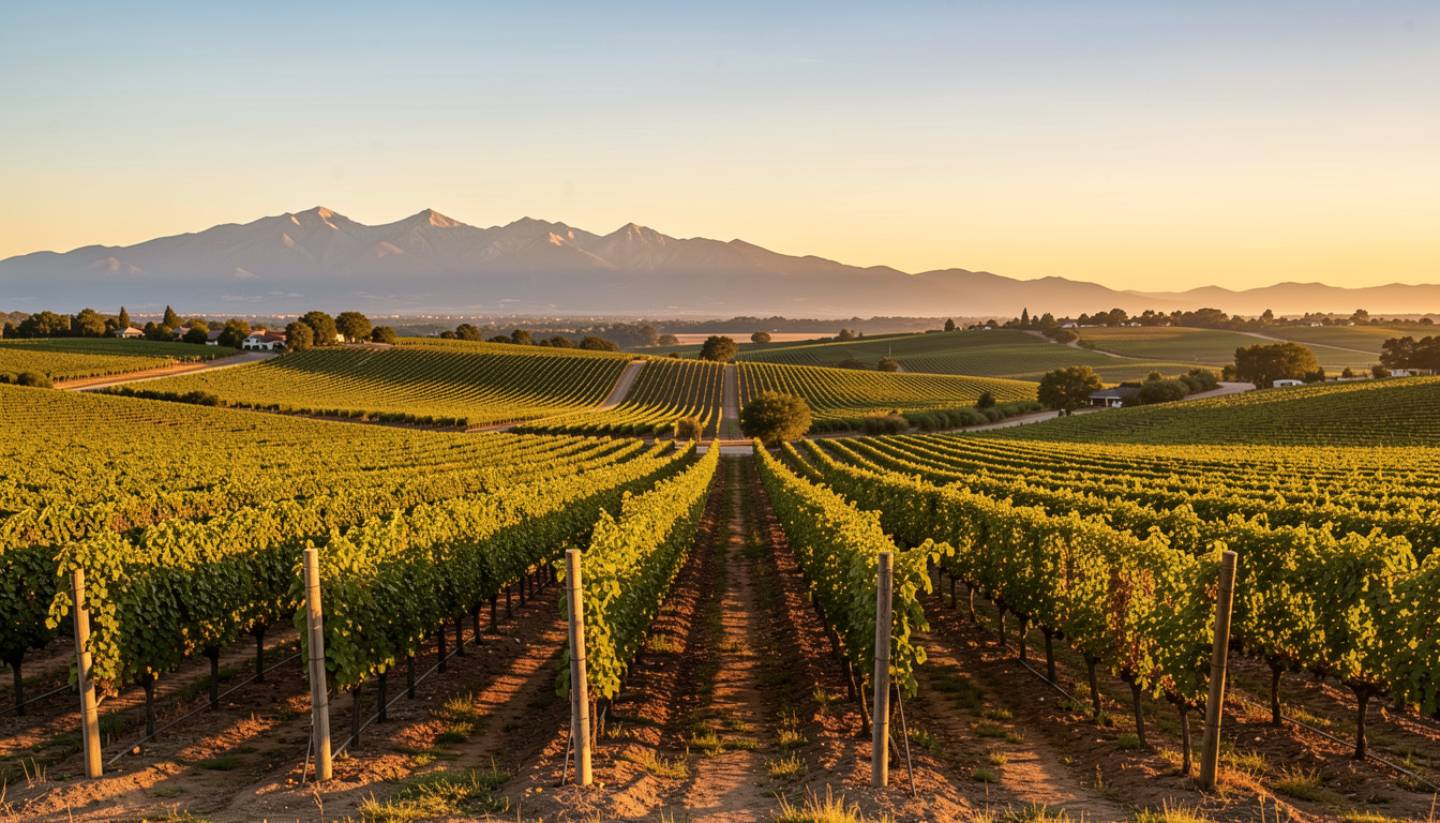
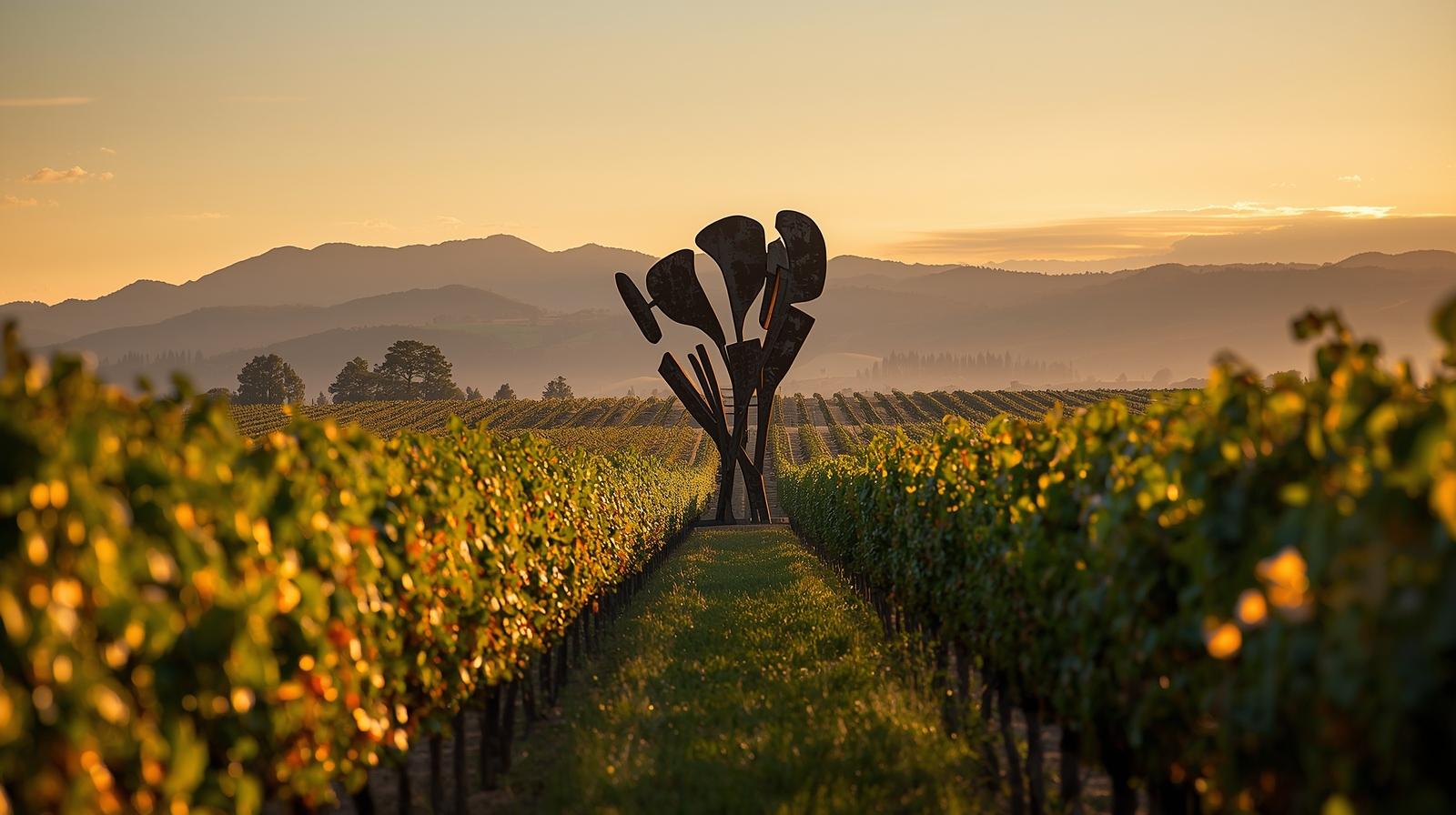
Cabernet rows stretch clean and geometric across the Rutherford benchlands. The Mayacamas hold the western edge of the light. Oak trees interrupt the pattern in quiet defiance.
And then, almost unexpectedly, something rises from the landscape.
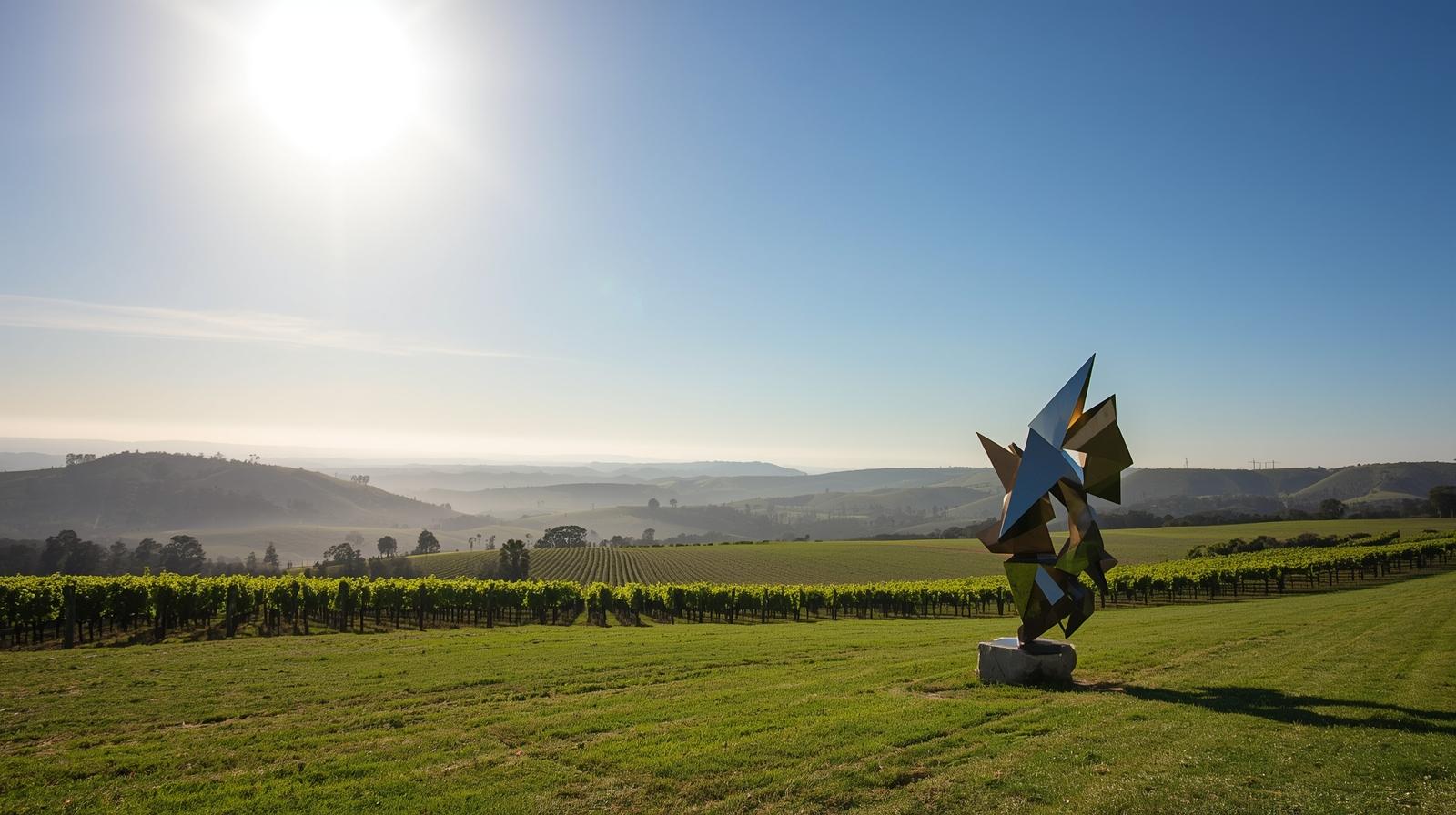
A steel form catching cabernet light. A stone installation positioned at the edge of a vineyard block in Oakville. A sculptural piece in Carneros framed by open sky and wind.
Land art Napa style is not about white walls or controlled lighting. It is about context. Art placed deliberately in agricultural space so that vines, hills, fog, and season become part of the composition.
Here, the valley is the gallery.
What This Experience Is Really About
Land art in Napa is a study in restraint.
Because the valley was protected from suburban sprawl decades ago, installations have space to breathe. Sculpture in Napa vineyards does not compete with high rises or dense development. It interacts with terroir, soil, and sky.
On Spring Mountain, art meets elevation and forest edge. In Carneros, maritime light from San Pablo Bay changes how metal and stone read throughout the day. In Rutherford, where the soil is silty and pale, installations feel grounded and intentional against the structured geometry of Cabernet rows.
When art lives outdoors here, it does not sit on top of the land. It converses with it.
As someone who grew up understanding Napa first as farmland and only later as a global destination, I have always felt that art works best here when it respects that agricultural backbone.
A Moment I Still Think About
One late afternoon, I stood on a hillside above Oakville watching light move across a sculptural piece just beyond the vines. The sun slipped behind the Mayacamas and the steel shifted from cool gray to amber in minutes.
Suddenly the vineyard rows looked sharper. The lines felt intentional. The whole hillside seemed framed.
It reminded me that art does not need to dominate a landscape to change it. It simply redirects your eye.
Hospitality works the same way. Placement matters. Sightlines matter. What a guest sees first shapes everything that follows.
Where to Experience Land Art Napa
1. Carneros and the Open Sky
South of downtown Napa near Highway 12, Carneros opens wide toward the bay. Installations here feel horizontal and wind shaped.
The di Rosa Center for Contemporary Art is a foundational destination for land art Napa experiences. Spread across hundreds of acres, it integrates sculpture into preserved terrain rather than isolating it.
Artesa also demonstrates how architecture and outdoor installations interact with rolling hills and maritime light.
2. Yountville Art Walk
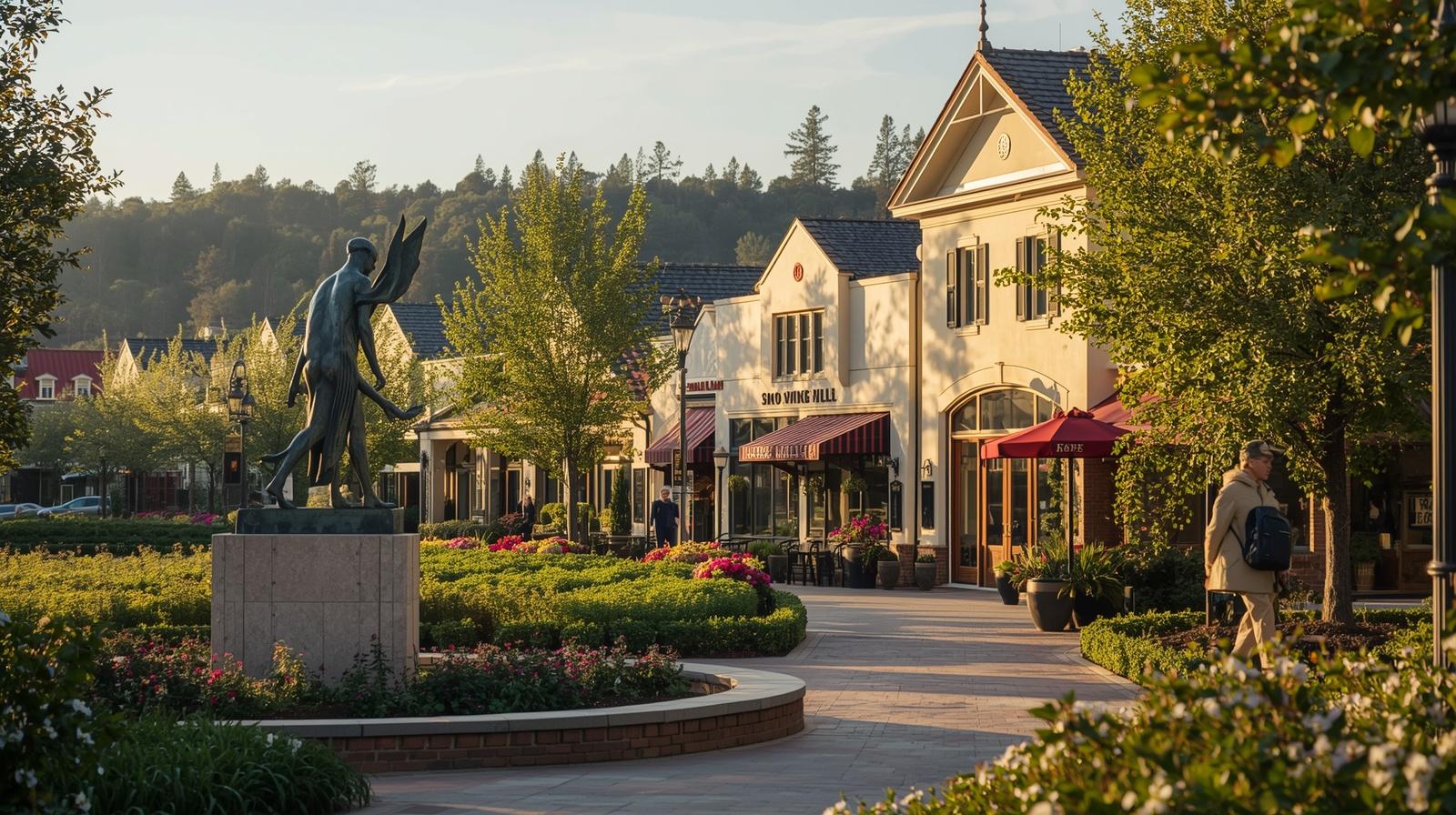
Washington Street in Yountville offers one of the most accessible outdoor art installations Napa Valley provides. Sculptures line the corridor in a curated, walkable format.
This is art integrated into hospitality. You can pair a morning art walk with coffee, lunch, or dinner at one of the town’s long standing restaurants. It is refined, intimate, and layered.
3. Oakville and Rutherford Estate Art
This is the heart of the valley.
Wineries in Oakville, Rutherford, and St. Helena often integrate large scale works directly into vineyard blocks or terraces. Hall St. Helena’s stainless steel rabbit, Bunny Foo Foo, has become an iconic example of sculpture in Napa vineyards.
The Hess Persson Collection on Mount Veeder pairs rugged hillside terrain with significant contemporary art.
Here, art and Cabernet share the same view.
4. Calistoga and the Northern Hills
North of St. Helena toward Calistoga and Mount St. Helena, the terrain becomes more volcanic and elemental. Stone, wood, and metal installations echo the geology.
Pair a hike in Bothe Napa Valley State Park with a winery visit that integrates sculpture. The contrast between forest hush and open vineyard art deepens the experience.
Seasonal Light and Context
Winter Quiet Season
With leaves off the vines, the bones of both vineyard and sculpture are visible. Lines feel architectural and clean.
Spring Mustard Bloom
Bright yellow flowers create dramatic contrast against dark steel and pale stone.
Harvest and Fall
Fruit heavy vines provide texture and warmth behind minimalist works.
Timing changes everything in land art Napa experiences.
A Gentle Note on Estate 8
When we shaped Estate 8, placement became an obsession. Where does the eye land first when you step onto the terrace. How does the horizon meet the Mayacamas. How does a single installation frame the vineyard rows without overpowering them.
I am biased. It is my baby. But the goal was integration, not spectacle.
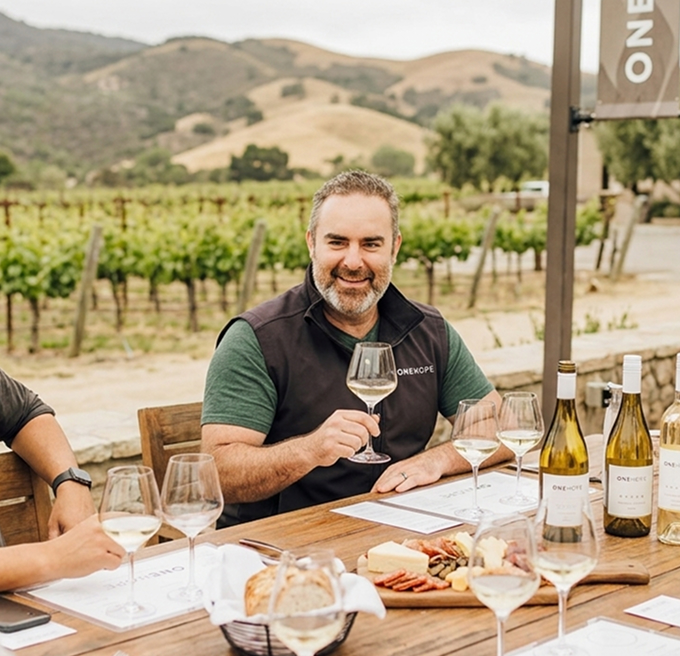
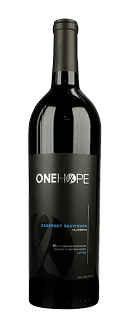
At ONEHOPE, the belief has always been that art and agriculture should speak clearly to each other. Hospitality is not just the wine in the glass. It is the environment holding that moment.
Planning Your Art and Wine Country Itinerary
One Afternoon
Start with the Yountville Art Walk.
Drive north to an Oakville or Rutherford estate known for vineyard art experiences.
End on a St. Helena terrace at golden hour.
Full Weekend
Day One
Morning in Carneros at di Rosa.
Lunch in downtown Napa or Yountville.
Afternoon estate visit in Oakville.
Dinner in St. Helena.
Day Two
Hike near Calistoga.
Hillside winery with integrated sculpture.
Sunset drive along Silverado Trail.
Balance town installations with open vineyard scale.
Where to Stay for an Art Focused Napa Visit
- Boutique inns in Yountville near public art
- Vineyard view properties along Silverado Trail
- Calistoga stays near forest and volcanic hills
- Carneros accommodations with wide horizon lines
Design awareness often begins with where you sleep.