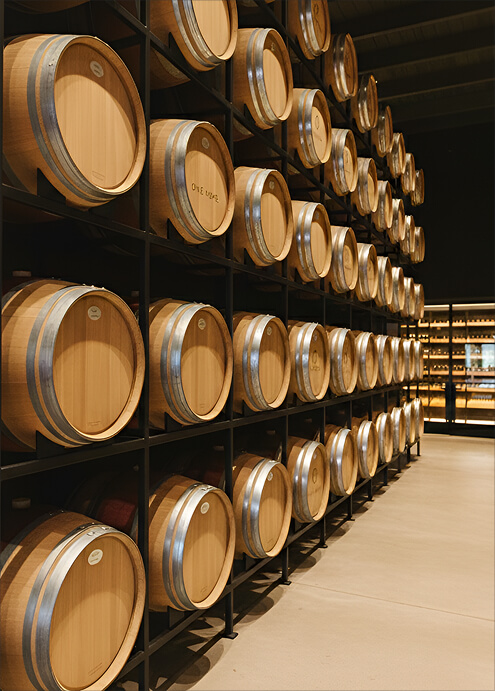
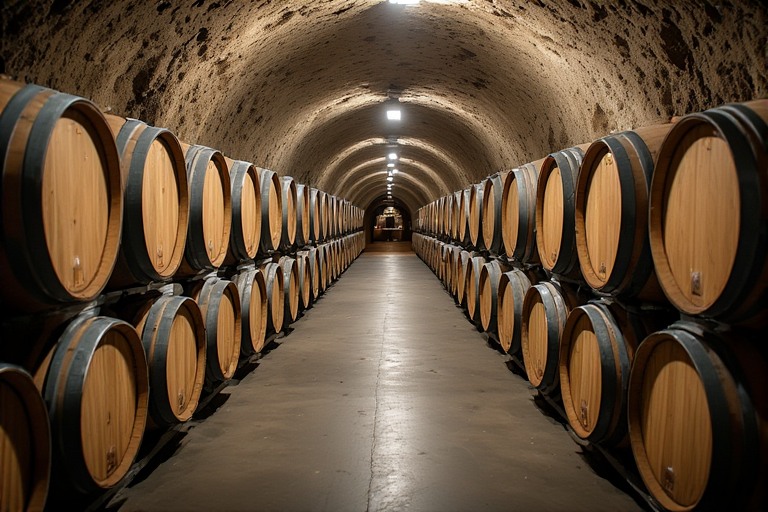
Step into a Napa Valley cellar early in the morning, before the first tasting is poured and before the valley shifts fully into hospitality mode. The air holds steady around 58°F. Light filters softly across rows of French oak barrels stacked three high, stretching farther than expected into the quiet dimness.
If you are curious about cooperage and barrel aging, this is where Napa speaks most honestly. Wine does not simply sit in barrels. It evolves inside them. Oak allows microscopic oxygen exchange that slowly reshapes tannin, texture, and aroma. Decisions made in the vineyard months earlier continue here, guided by patience rather than urgency.
In Napa, barrel rooms are not storage spaces. They are places where time becomes an ingredient. Farming meets craftsmanship measured in seasons instead of days.
What Barrel Aging Actually Does
In Napa, cooperage decisions are as intentional as vineyard selection. Oak is not meant to dominate flavor. Its role is structural.
Three things happen inside a barrel:
Oxygen Exchange
Wood breathes. Tiny oxygen exposure stabilizes color and softens tannins, preventing harsh or reductive aromas.
Texture Development
Barrels shape mouthfeel more than flavor. Wines become rounder, more integrated, and balanced through slow micro-oxidation.
Flavor Integration
Toast levels influence aromatic nuance, adding spice, cocoa, cedar, or subtle smoke that should support the fruit rather than compete with it.
The goal is harmony, not oakiness.
Understanding Cooperage Language in Napa
Spend time in a cellar and you will hear a shared vocabulary that reflects decades of refinement.
French Oak
Tight grain, slower oxygen exchange, refined tannin structure. Often used for Napa Cabernet Sauvignon.
American Oak
Wider grain with more expressive vanilla and sweet spice aromatics.
Neutral Barrels
Typically three or more years old. They add texture without additional flavor influence.
Toast Levels
Light, medium, or heavy charring during barrel production. Similar to toasted bread, darker toast introduces deeper roasted notes.
These choices are rarely stylistic trends. They are responses to vineyard character.
Where Barrel Culture Comes Alive
Rutherford and Oakville
The heart of Napa Cabernet country.
Here, powerful fruit requires careful aging to achieve balance. Barrel halls and underground caves maintain humidity and temperature stability for wines aging 18 to 24 months.
Local signal: estates along the western benchlands often rely on extended oak integration to refine structure associated with Rutherford Dust.
St. Helena
A blend of historic and modern cellar design.
Just north of Zinfandel Lane, many properties transition from old stone barns into contemporary cave systems built directly into the hillside.
Carneros
At the southern end of the valley, marine fog moderates ripening. Oak use becomes more restrained to preserve acidity and freshness in Chardonnay and Pinot Noir.
Designing a Barrel-Focused Day
Morning Observation
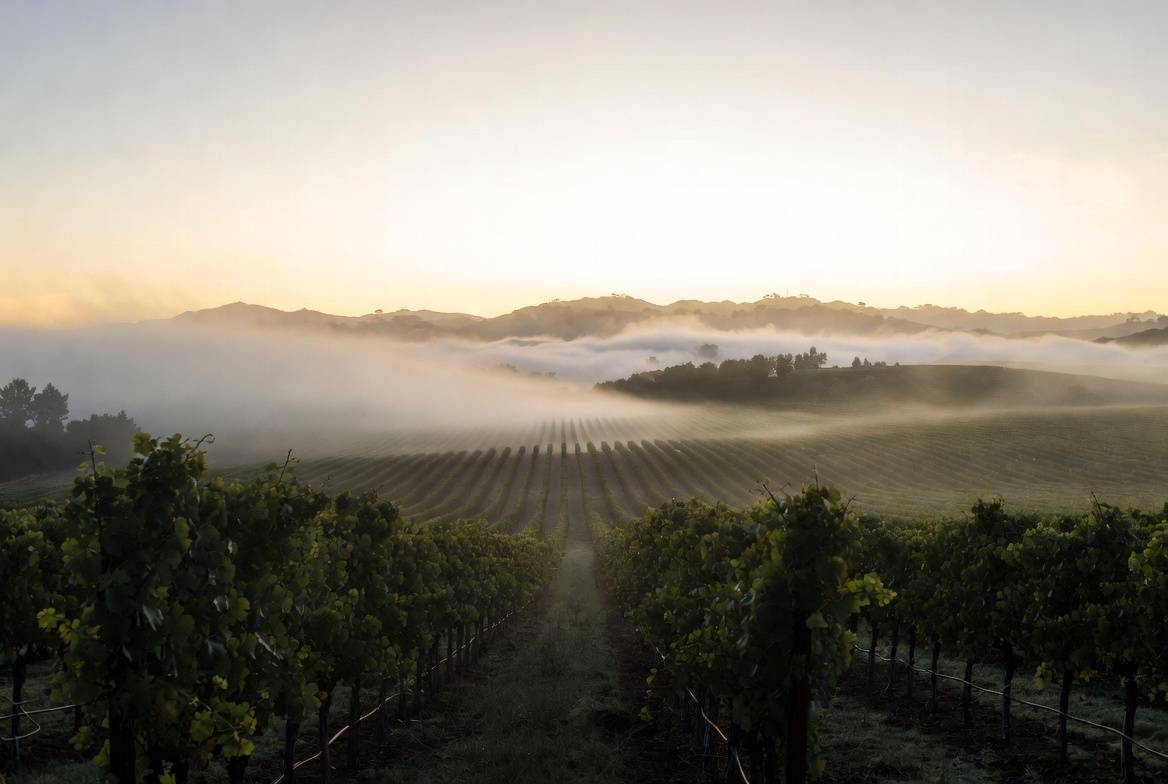
Start with a quiet drive along Silverado Trail. Notice how fog and temperature influence ripening. These vineyard conditions determine how much oak a wine can support later.
10:00 a.m. Cellar Experience
Choose an estate offering barrel samples or cave access. Taste wines mid-aging to understand how raw structure evolves over time.
Lunch in St. Helena
Head to The Charter Oak or Farmstead at Long Meadow Ranch. Wood-fired cooking mirrors the subtle influence of toasted barrels. Notice how smoke, salt, and fat soften tannin perception.Afternoon Reflection
Skip a third tasting. Barrel-aged wines unfold slowly. Give your palate space to reset.
My Local Notes
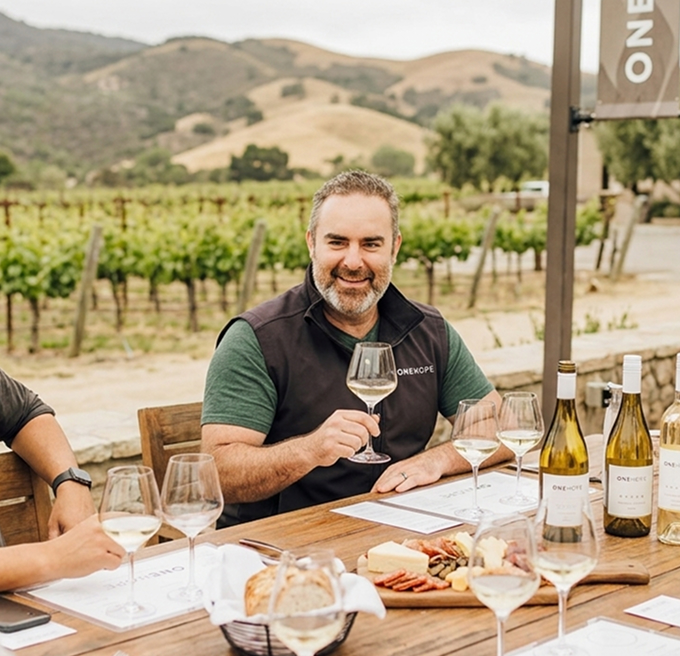
When we were developing ONEHOPE and shaping Estate 8, I learned quickly that the cellar teaches humility.
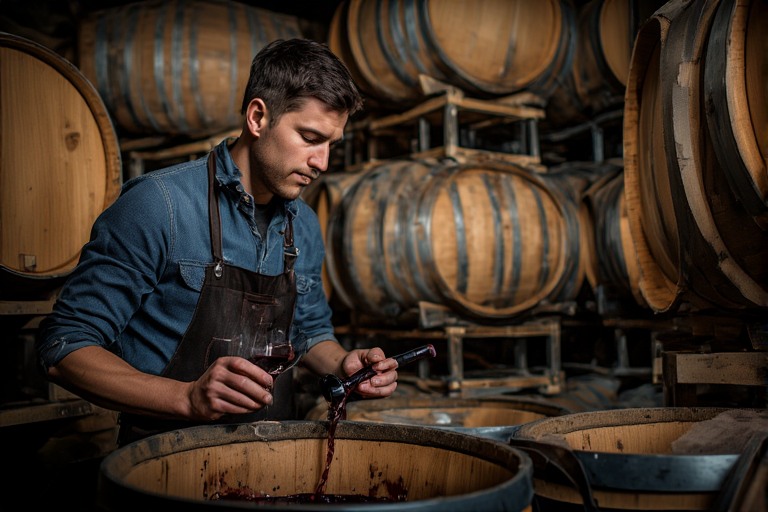
During my first harvest cycle, I tasted Cabernet straight from tank that felt sharp and unsettled. Months later, after resting in French oak, the same wine felt calm and complete. Nothing dramatic had happened overnight. Just oxygen, wood, and time doing quiet work.
I will admit I am biased. Estate 8 is my baby. But standing in those barrel rows early in the morning changed how I understood Napa. The winemaker’s job is often knowing when to stop adjusting and let the process unfold.
Some of the most meaningful moments here happen when nothing appears to be happening at all.
Seasonal Barrel Signals
Fall (Harvest)
New barrels arrive. The cellar smells of fresh oak and anticipation.
Winter
The quiet season. Wines rest while teams monitor and top barrels to prevent oxidation.
Spring
Blending trials begin. Conversations shift toward how different coopers performed across the vintage.
Summer
Integration continues slowly as wines gain balance before bottling decisions.
What Most Visitors Miss
Guests often focus on tasting rooms and overlook where wine spends most of its life.
They miss:
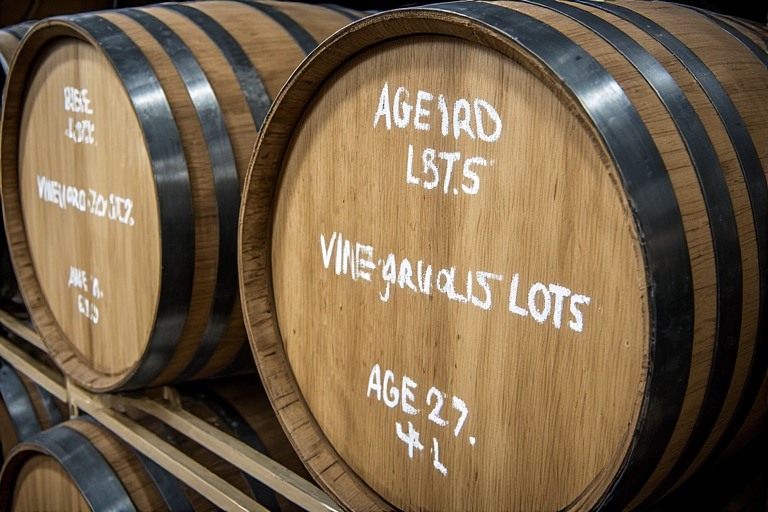
- Chalk markings tracking barrel lots
- The scent of damp stone and toasted oak
- The rhythm of cellar work happening quietly behind hospitality
- The realization that patience shapes Napa more than technology
The cellar is where the valley slows down.