Burnout does not end all at once.
It loosens slowly.
People come back to Napa after burnout leave not to celebrate, but to recalibrate. You are not here to do Napa. You are here to feel steady again.
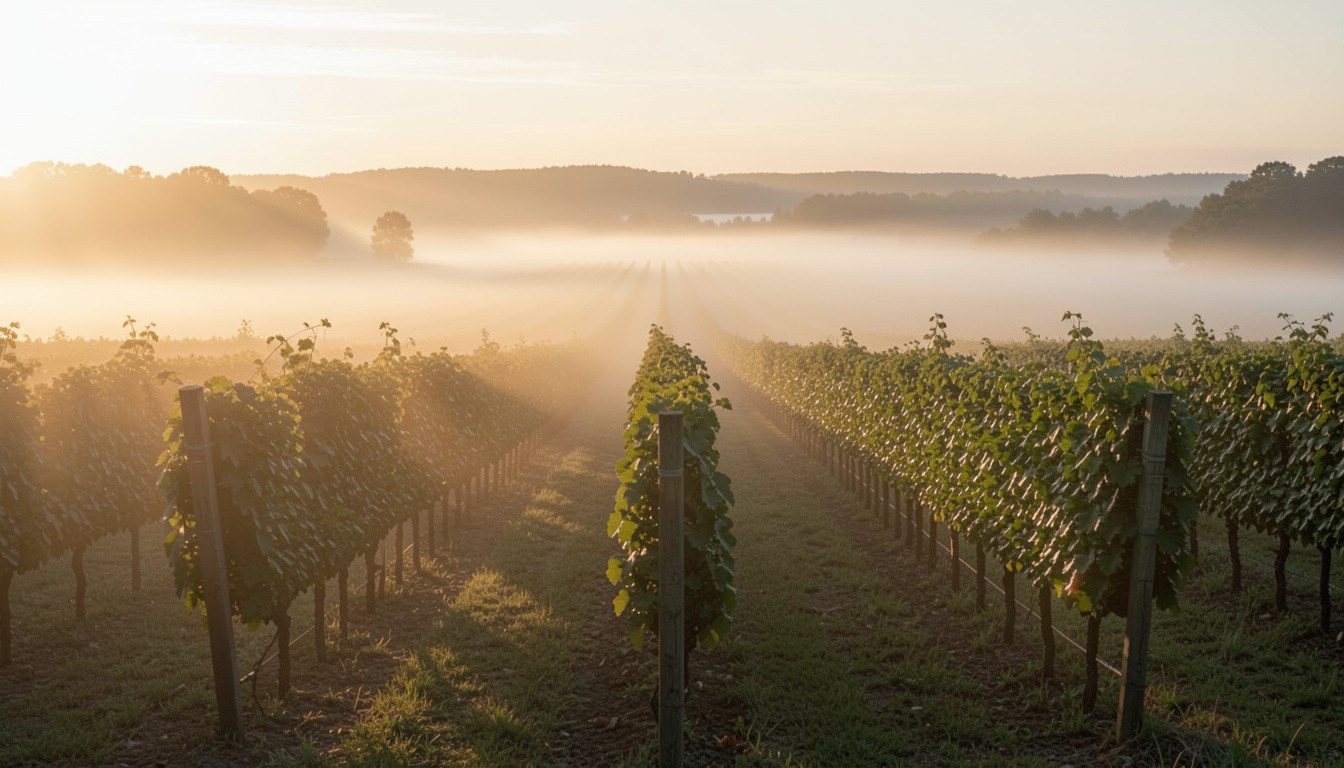
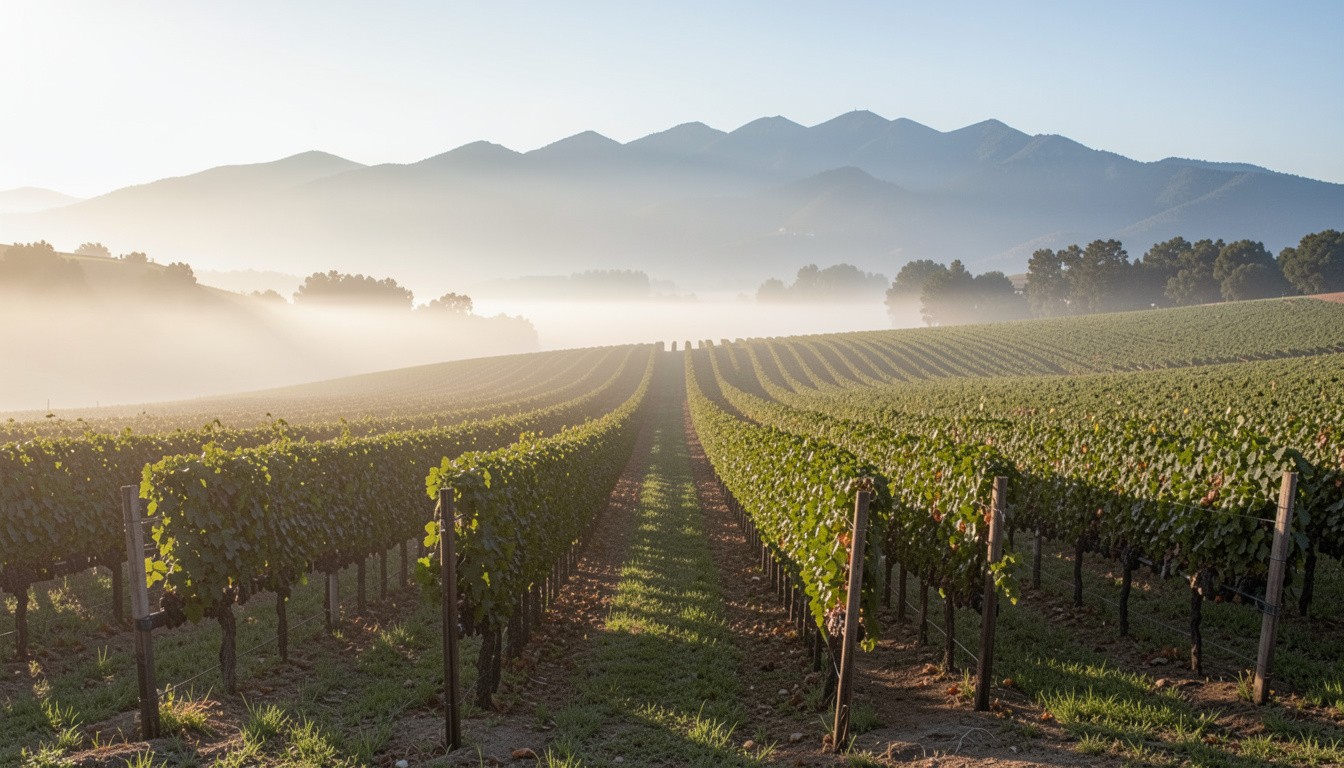
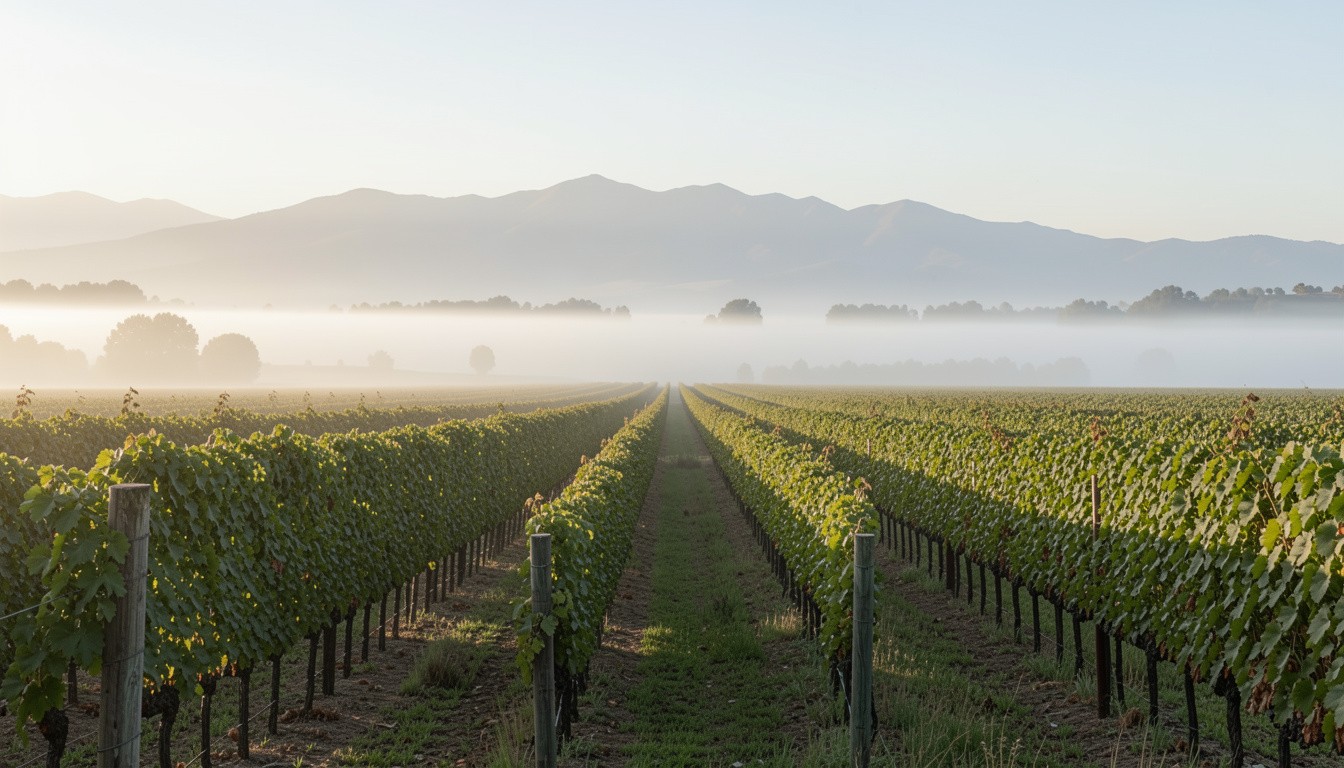
The valley understands this pace. Morning fog settles low along the Rutherford benchlands and the Oakville floor. The light stretches rather than sharpens. Even the roads feel slower midweek. Napa does not ask anything of you. It simply gives you room to arrive.
What This Experience Is Really About
This trip is not about reward.
It is about repair.
Burnout strips away margin. Time compresses. Decisions feel heavier than they should. Coming back requires environments that restore rhythm instead of demanding attention.
In Napa, that restoration often comes from:
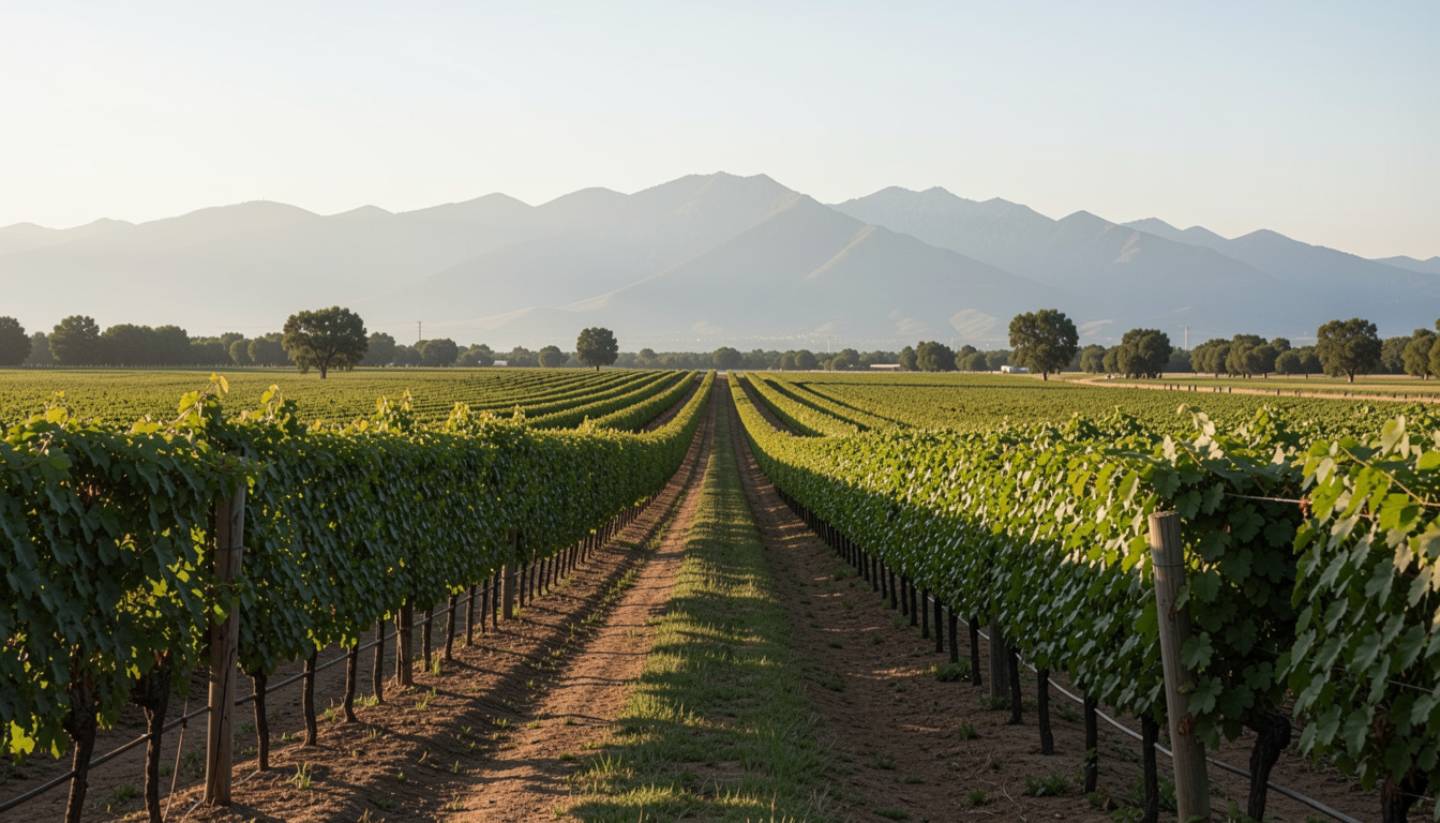
Low sensory input as vineyard rows repeat toward the Mayacamas.
Predictable hospitality where hosts know when to speak and when to step back.
Grounded connection where wine steadies the breath rather than performing for it.
One glass, poured slowly, can be enough.
When It Is Best
Napa works best for recovery during its quieter patterns.
Late winter through early spring, often called mustard season, brings softer color, calmer roads, and more intimate tastings.
Midweek travel from Tuesday through Thursday reveals a truer Napa, one with time built into the day.
Early afternoons are often ideal, once the lift of the morning fog reveals the valley light but before dinner energy sets in.
Avoid stacking reservations. Space between experiences is part of the medicine.
What Most Visitors Miss
Many people think burnout recovery requires distraction. In reality, it requires containment.
Trying to fit four wineries into a day can recreate the same pressure you stepped away from. Napa works best when it becomes a container rather than a schedule.
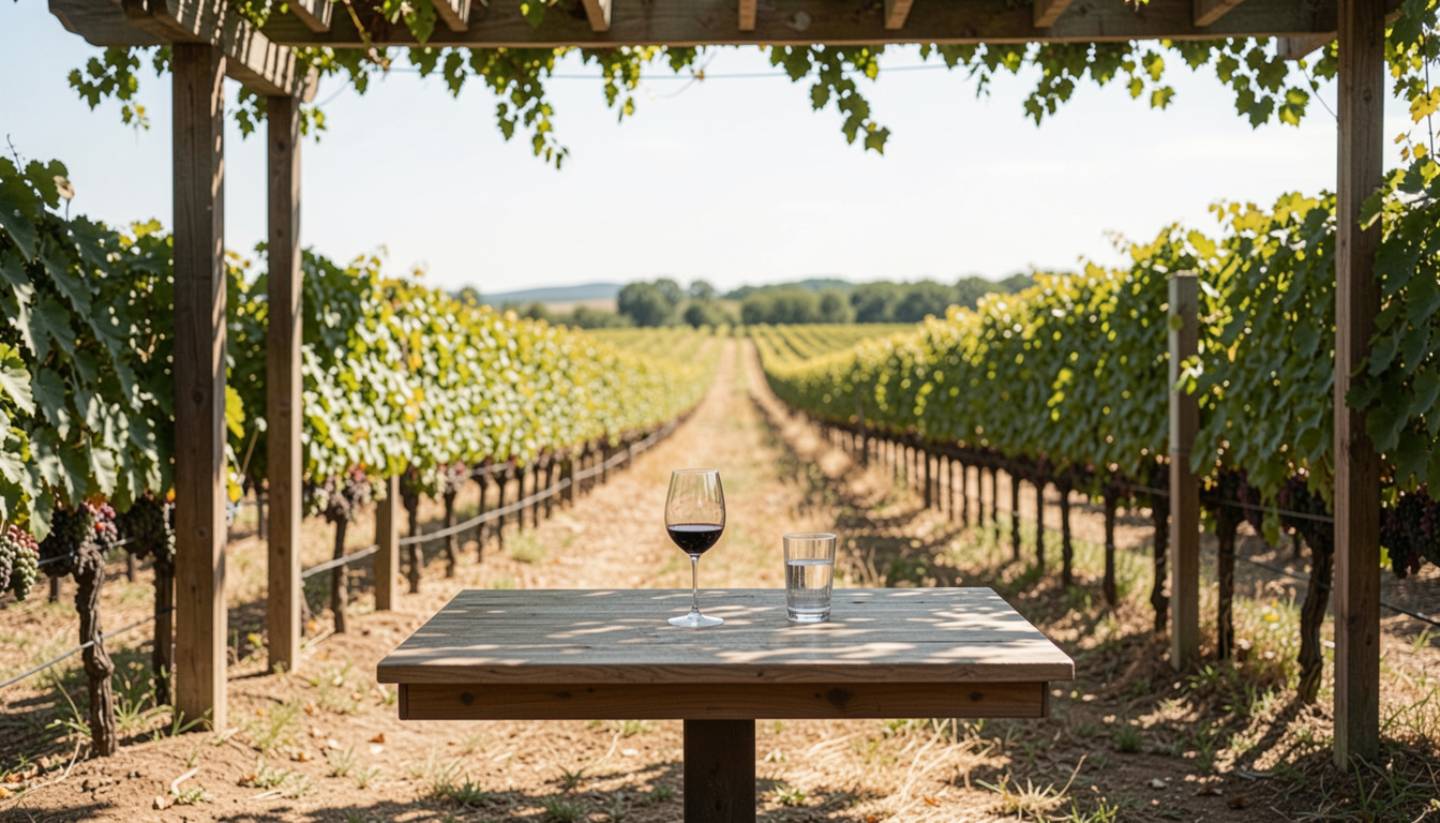
One place. One table. One view. Enough time to finish a thought without interruption.
My Local Notes
When friends come back after burnout leave, I point them toward places with wide sightlines and gentle pacing. The Stags Leap District offers perspective through its rock palisades. Carneros feels open and wind-cooled, with a sense of space built into the landscape.
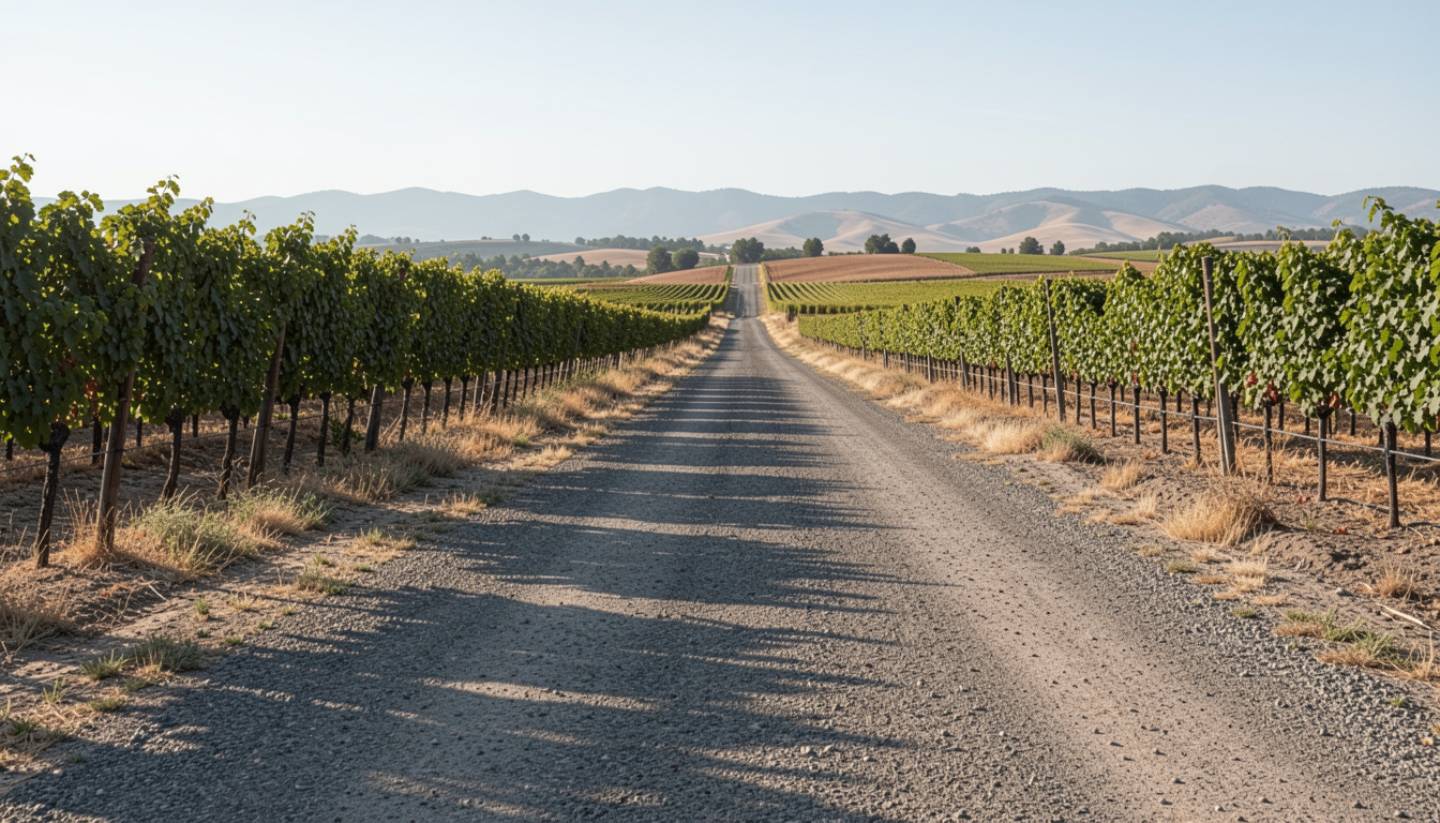
I remember walking a quiet stretch of vineyard road years ago after an especially relentless travel season. No tasting scheduled. No phone in my hand. Just the sound of gravel and wind moving through the vines. That hour did more for my nervous system than any vacation I had taken up to that point.
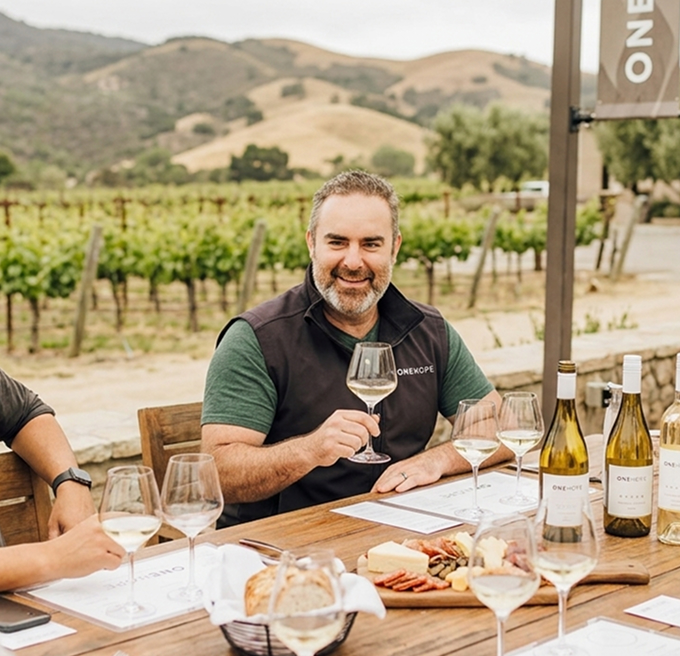
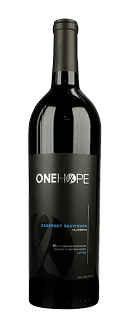
I will admit a small bias here. Our home at ONEHOPE at Estate 8 was designed around this idea of margin. It is very much my baby. I have watched guests visibly exhale once they realize nothing is being rushed. That moment of release is familiar to anyone coming back from burnout.
How to Shape the Day
If You Only Have One Hour
Choose a single outdoor terrace or quiet tasting room. Sit facing the vines rather than the bar. Ask for a focused flight of three wines instead of a long lineup.
If You Have a Full Afternoon
Start with one seated tasting at an estate or small-lot producer known for patience.
Follow with a long lunch in St. Helena or Yountville where the table is yours without pressure.
End with a slow drive north on Silverado Trail toward the base of Mount St. Helena, stopping once just to look back across the valley.
Where to Eat Around Here
Food after burnout should feel nourishing and unhurried.
Farmstead at Long Meadow Ranch offers space, consistency, and grounding flavors.
Charter Oak encourages lingering through simple, hearth-driven cooking and shared tables.
Brix, just north of Yountville, pairs gardens and walking paths with a natural pause between courses.
Look for places that welcome staying a little longer.
Small Histories
Napa has always operated on cycles of intensity and rest. Vineyards require winter dormancy to produce fruit. The valley itself teaches that renewal is not optional. Visitors returning after burnout often recognize this truth here before they can name it anywhere else.