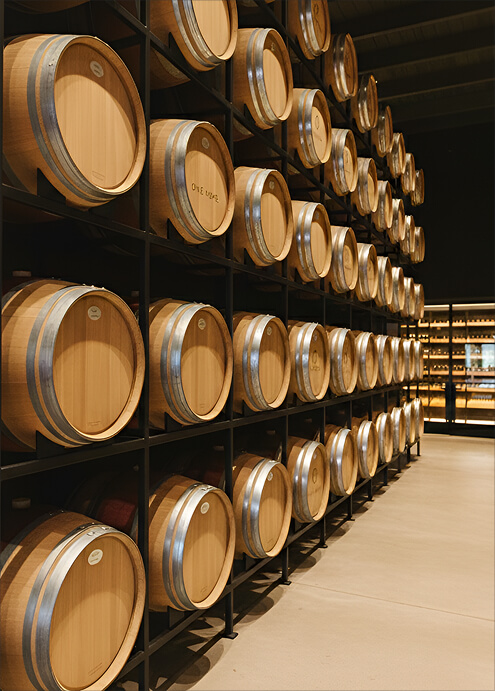
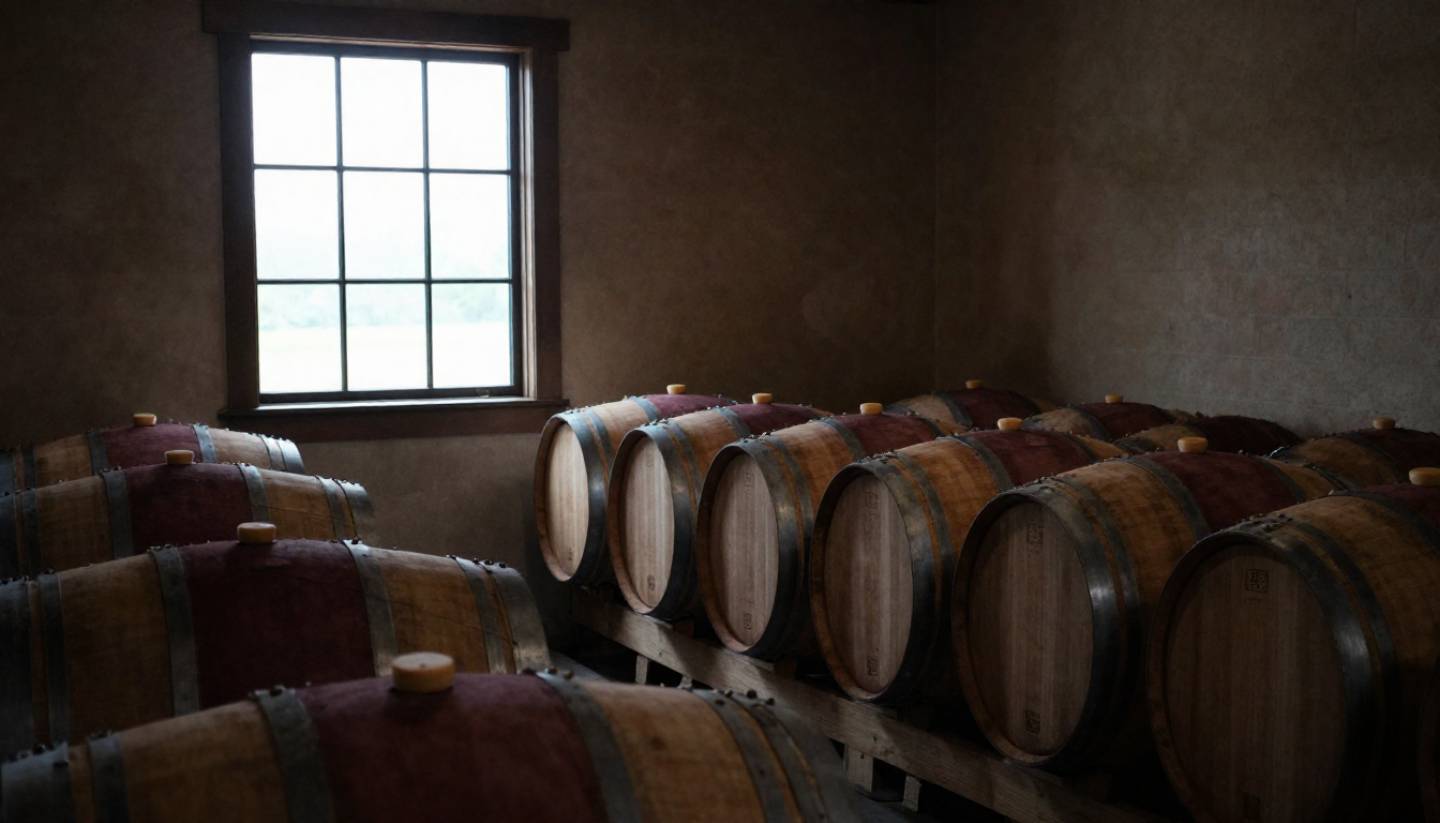
If you are coming up from Marin as a wine collector, you are not chasing labels. You are chasing context. You want to taste where the vines matter, where decisions are made quietly in the cellar, and where a bottle is meant to be opened years from now, not poured and forgotten.
Napa reveals itself differently at that level. Away from busy tasting rooms and weekend traffic, there is a slower, truer Napa midweek where reserve tastings happen by appointment, conversations stretch, and the wines are built with patience in mind. That is the Napa collectors come for.
What Serious Collectors Look for in Napa
Collectors tend to value the same fundamentals, even if their cellars look different.
- Vineyard specificity
Understanding how benchland fruit differs from mountain fruit and why that matters over time. - Vintage consistency
Producers who can speak clearly about how a site behaves across decades, not just standout years. - Winemaking restraint
Choices that let site and season speak before oak or extraction. - Longevity
Wines built to evolve gracefully over fifteen to thirty years.
This is where Napa still excels when you know where to focus.
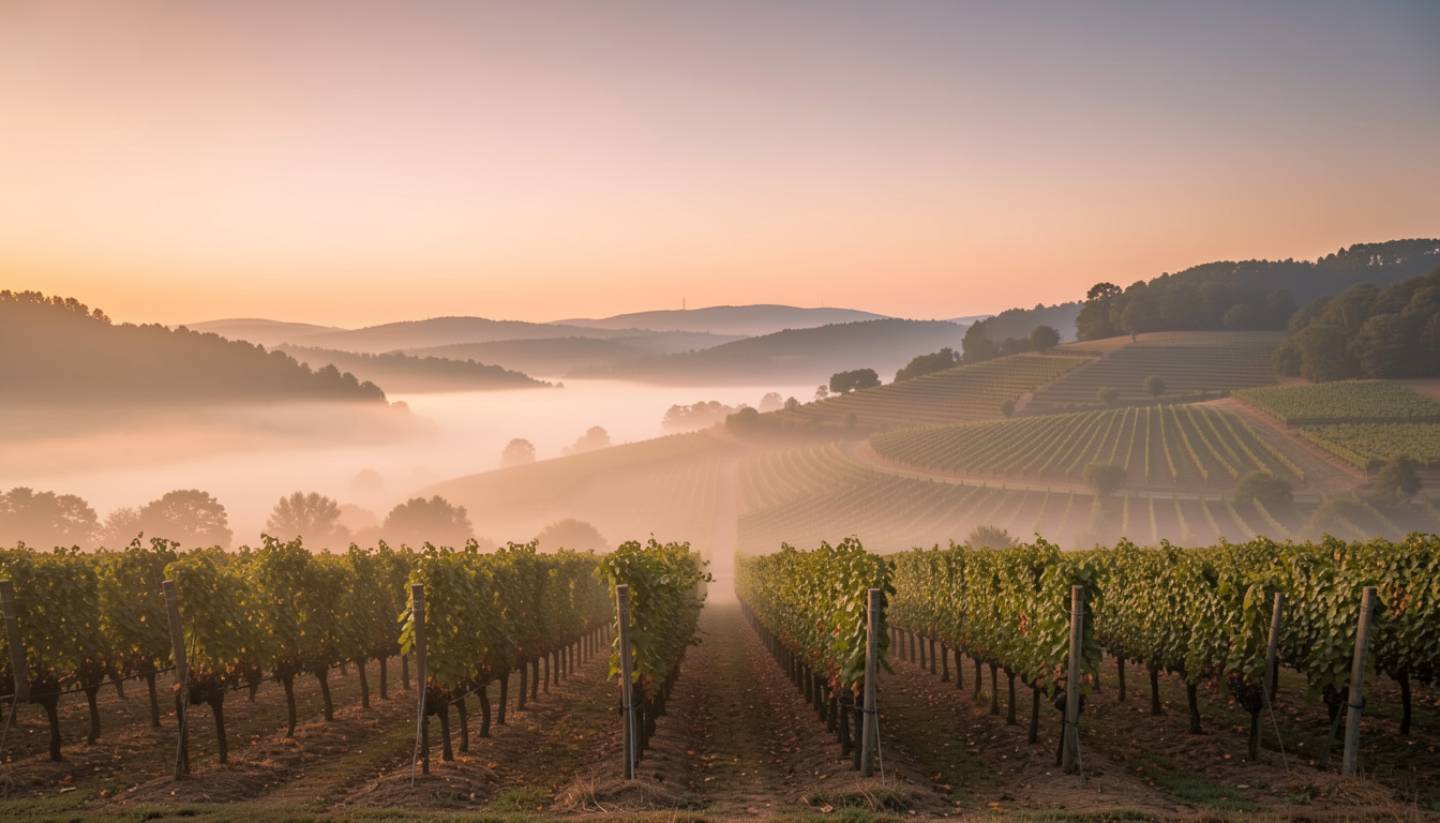
Reserve Tastings Worth Seeking Out
Oakville and Rutherford Benchlands
Structure, balance, and longevity
This stretch of the valley produces many of Napa’s most cellar-worthy Cabernets. The soils shift subtly across short distances, and the best estates can articulate exactly why one block ripens earlier or carries tannin differently than the next.
Reserve tastings here often include:
- Vertical comparisons between current releases and library vintages
- Technical discussion around tannin management and harvest timing
These are the details serious collectors care about.
Spring Mountain and Hillside Estates
Elegance, tension, and ageability
Higher elevation sites tend to produce wines with natural freshness and firm structure. Tastings are quieter, more personal, and often deeply technical.
Expect smaller production, longer appointments, and a sense that elevation and patience matter.
When to Visit as a Collector
Midweek is essential.
Tuesday through Thursday is when winemakers and estate directors have time for meaningful conversation.
Seasonal notes:
- Spring: Clarity and perspective on new releases
- Fall: Focused energy just outside peak harvest windows
- Winter: The most honest season, quiet cellars and unhurried pours
This is when Napa speaks plainly.
A Short Personal Micro Story
Some of my most memorable tastings were never scheduled as reserve experiences. They happened because there was time. I remember standing in a cool cellar one winter afternoon, tasting quietly from barrel while rain tapped the roof overhead. No rush. No script. Just wine becoming itself. Napa still offers that if you approach it with patience.

How to Structure a Collector-Focused Day
- Morning: One deep-dive appointment at a hillside or benchland estate
- Lunch: A long, simple meal at Charter Oak or Farmstead
- Afternoon: One unhurried tasting in Oakville or Rutherford
Many of the most compelling estates sit just five minutes north on Silverado Trail or just past the Yountville Cross Road. Geography works in your favor when you do not overbook.
Where to Stay and Eat
Where to stay:
Choose a quiet, character-driven property in St. Helena or along Silverado Trail. Good sleep sharpens the palate.
Where to eat:
Keep meals clean and grounding. Cook St. Helena or a quiet table in Yountville lets the wine remain the focus.
A Gentle, Honest Note
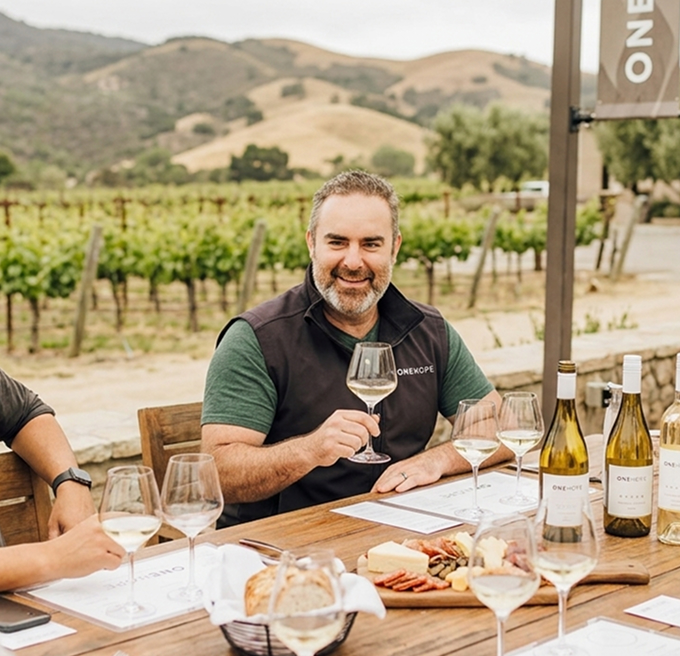
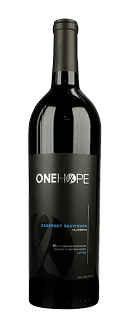
I will admit a bit of bias. I have always been drawn to wines built for the long view rather than the quick pour. It is the same philosophy behind Estate 8 and ONEHOPE. Fewer distractions, more intention, and respect for land and time. Napa has always rewarded that approach.