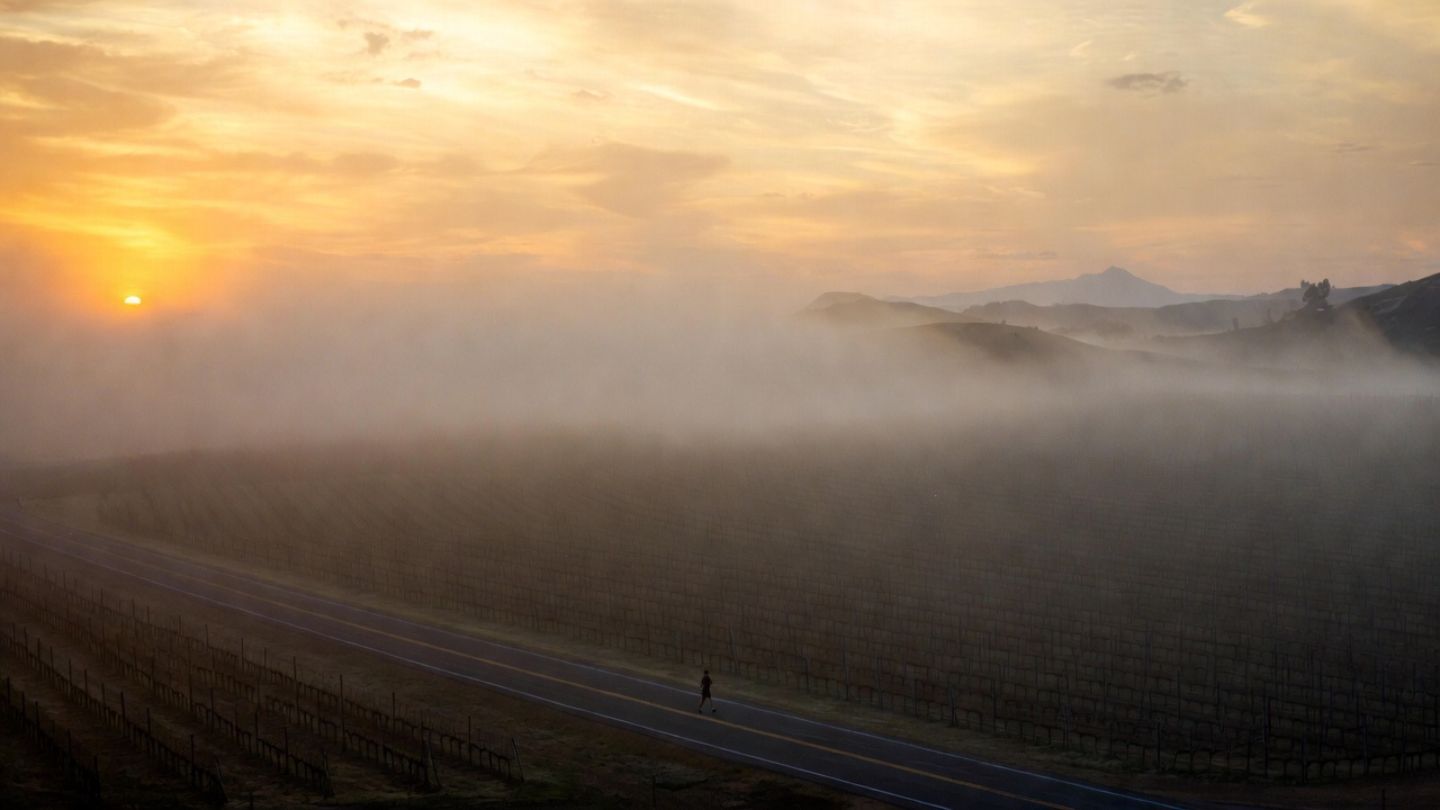
For runners coming from Marin County, Napa mornings feel familiar in the best way. Cool air. Soft light. Roads that wake up slowly. Before tasting rooms open and traffic settles in, the Valley belongs to the people moving quietly through it.
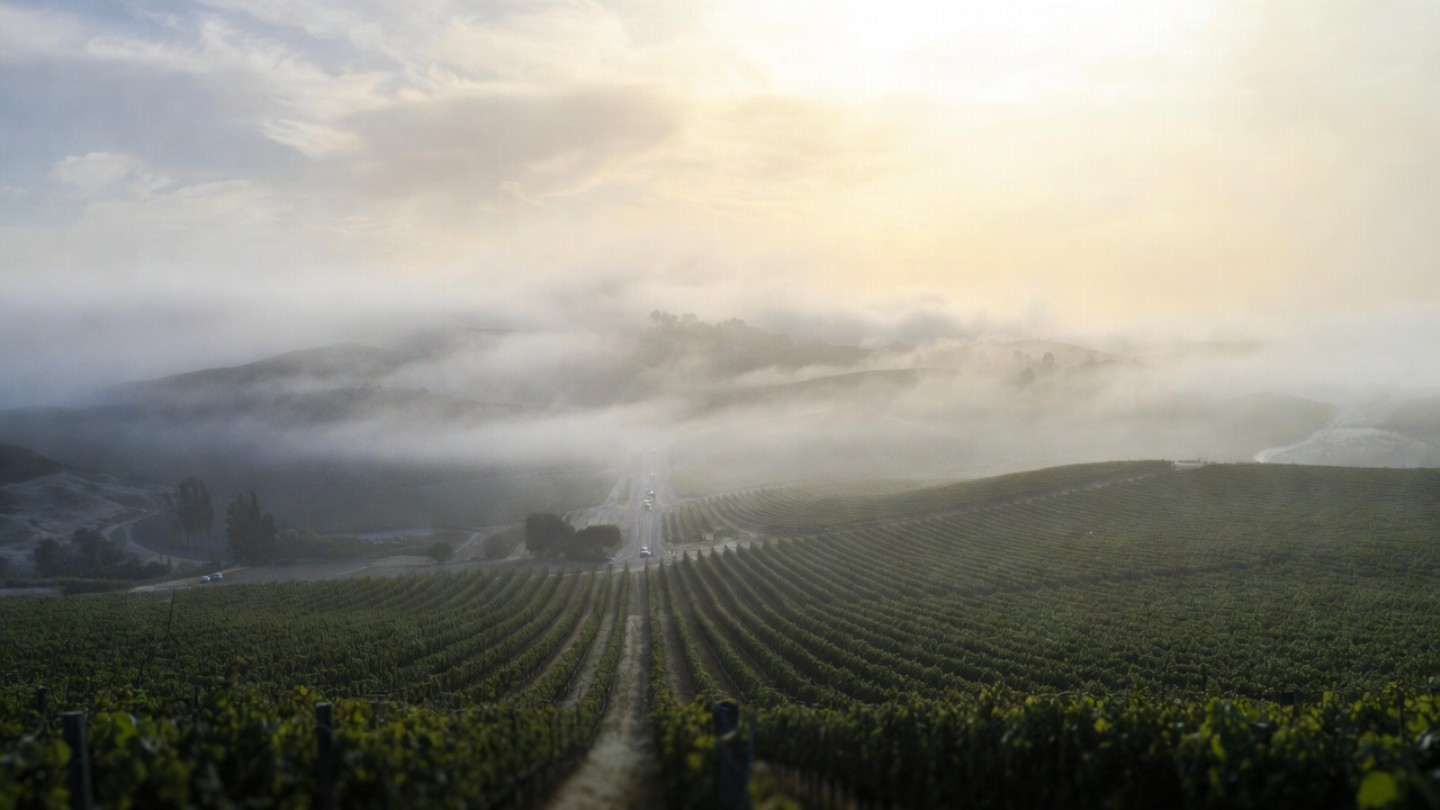
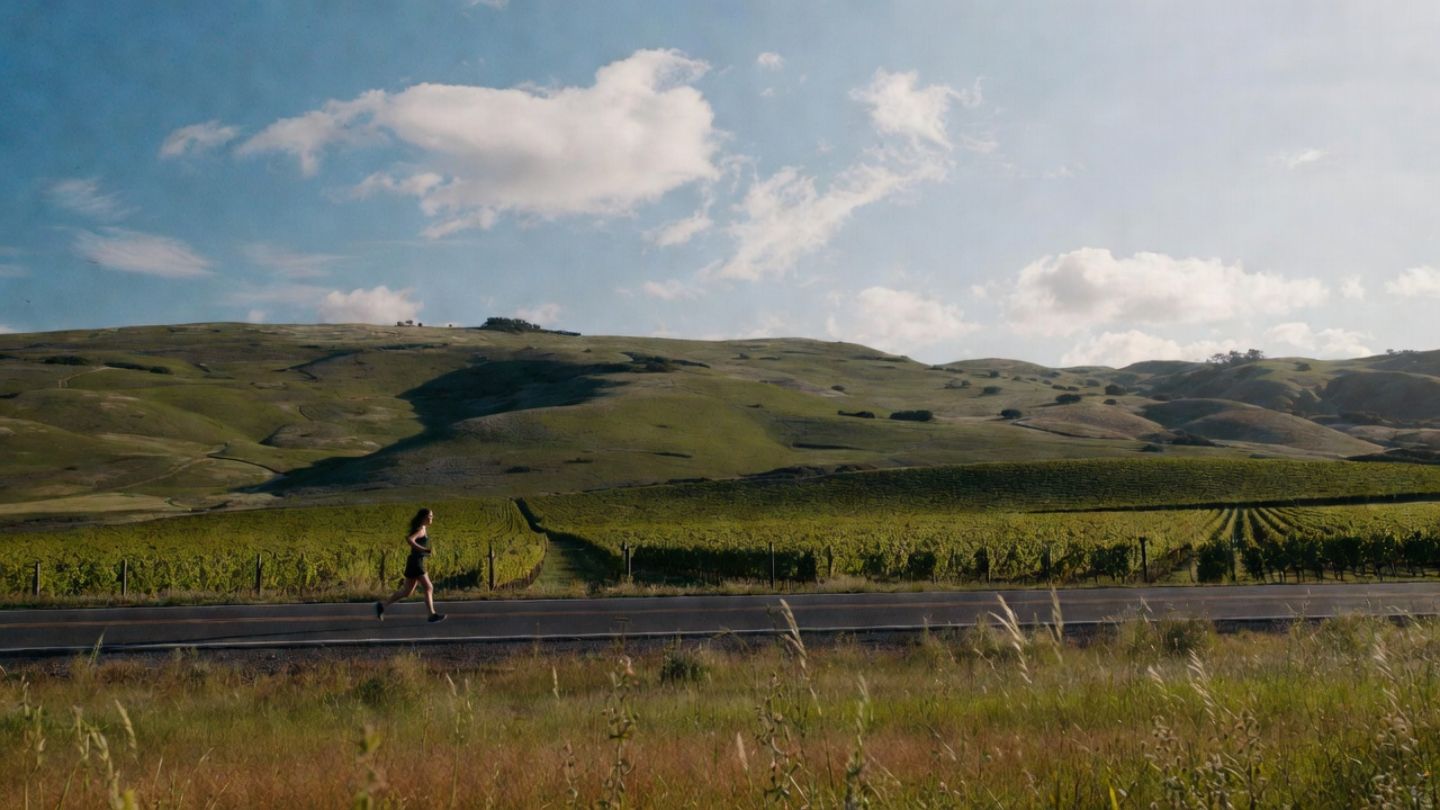
This is the hour when vineyard roads feel more like trails and town paths stretch out without interruption. A morning run in Napa is less about pace and more about presence. Breathing in the air. Watching fog lift off the vines. Letting the day find its rhythm.
This guide is for Marin runners who travel with shoes in the trunk, plan days around morning movement, and see Napa as a place to reset before everything else begins.
What This Experience Is Really About
This is not training day Napa. It is reflective Napa.
Scenic running travelers tend to value:
- Quiet roads with long sightlines and gentle elevation
- Cool morning air filtered through Rutherford fog
- Routes that feel steady and unhurried
- Finishing just as the Valley wakes up and breakfast spots open
Napa offers this naturally if you start early and choose your path with intention.
Where the Best Routes Are
The Napa Valley Vine Trail
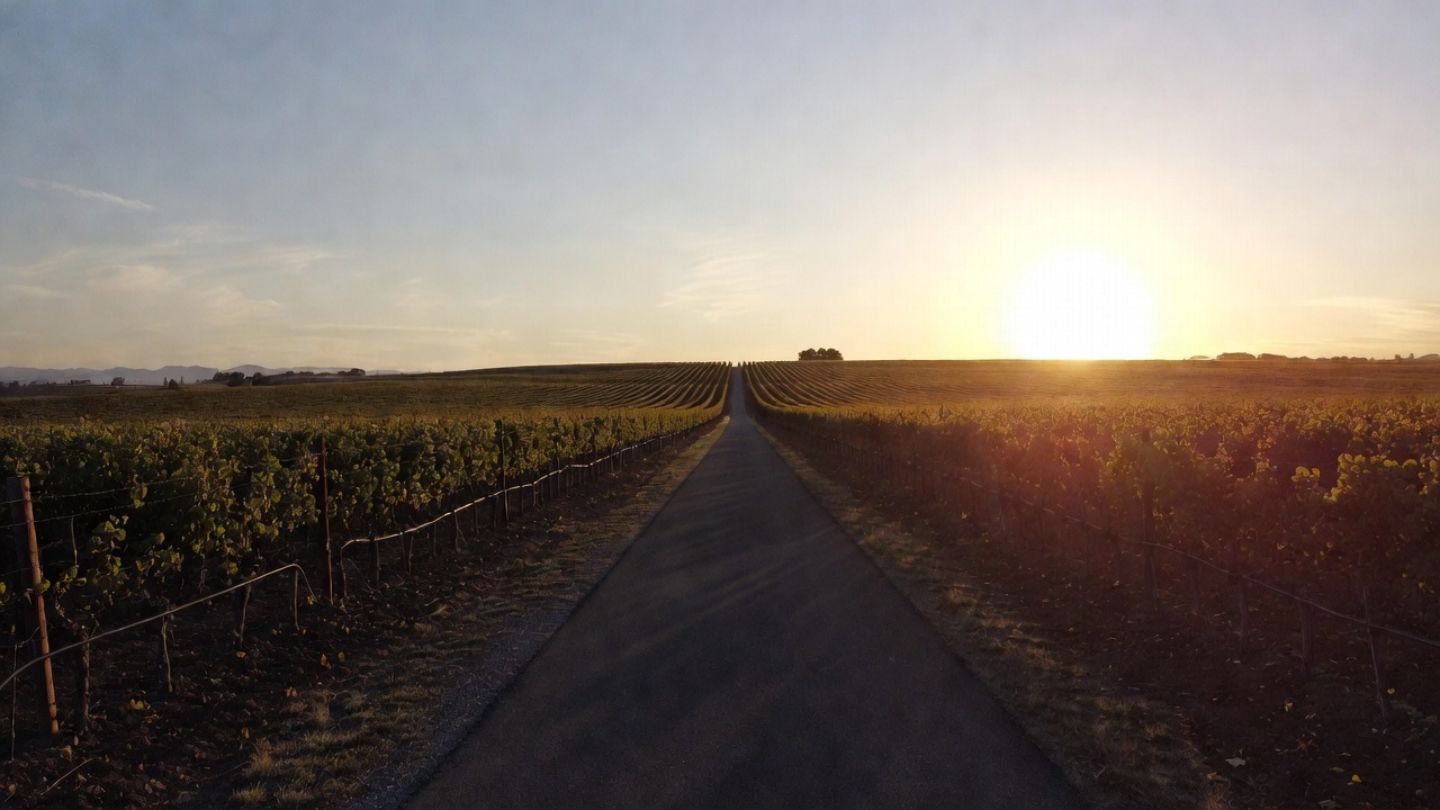
This is the gold standard for safety and scenery. It is a paved, multi use path that stretches from South Napa through Yountville, following the vineyard line.
Local cue:
The Napa to Yountville section is nearly flat and mirrors the rhythm of the vines.
Directional cue:
Park near Solano Avenue or downtown Napa for easy access to the most scenic stretch.
Silverado Trail Adjacent Roads
While Silverado Trail itself carries traffic, the smaller residential and agricultural lanes branching off it offer long, uninterrupted runs with minimal cross traffic.
Local examples:
Oak Knoll Avenue, Hardman Avenue, and other east side connectors.
Perspective note:
These routes sit slightly elevated on the benchlands, offering wider views of the valley floor.
Carneros Loops
For runners used to the rolling terrain of West Marin, Carneros feels familiar. Open skies, wind swept roads, and cooler temperatures.
Seasonal note:
Carneros stays cooler later into the morning due to San Pablo Bay influence, making it ideal after 8:30 a.m. in summer.
When It Is Best
Late spring through early fall delivers the most consistent mornings. Summer fog cools the valley floor and makes early runs especially comfortable.
Winter mornings are quieter still. Wetter, colder, and deeply green. Bare vines and low clouds reward runners willing to layer up.
For Marin County travelers, an early departure avoids the Richmond San Rafael Bridge backup and makes the drive feel like a mental warm up.
What Most Visitors Miss
Most visitors experience Napa through a windshield. Locals know you understand the Valley differently on foot.
Running through vineyards slows your perspective. You notice subtle elevation shifts, the scent of wild mustard in spring, and how light moves across the rows as the fog pulls back.
That awareness stays with you long after the run ends.
A Short Personal Memory
Some of my clearest mornings in Napa have started with a run before anyone else was out. Fog hanging low. Shoes quiet on the pavement. The first delivery trucks easing into town.
Those runs reminded me that this place has a pulse before it has a plan. Moving through it early keeps you connected to that rhythm.

How to Shape a Safe, Scenic Run
- Run early and finish by 9:30 a.m. before tasting traffic increases
- Stay visible, even in sunlight, vineyard shadows can be deep
- Avoid Highway 29 entirely and stick to the Vine Trail or east side roads
- Hydrate locally, Yountville and Napa town cafes welcome runners
Napa mornings reward respect and restraint.
A Note on Balance and Purpose
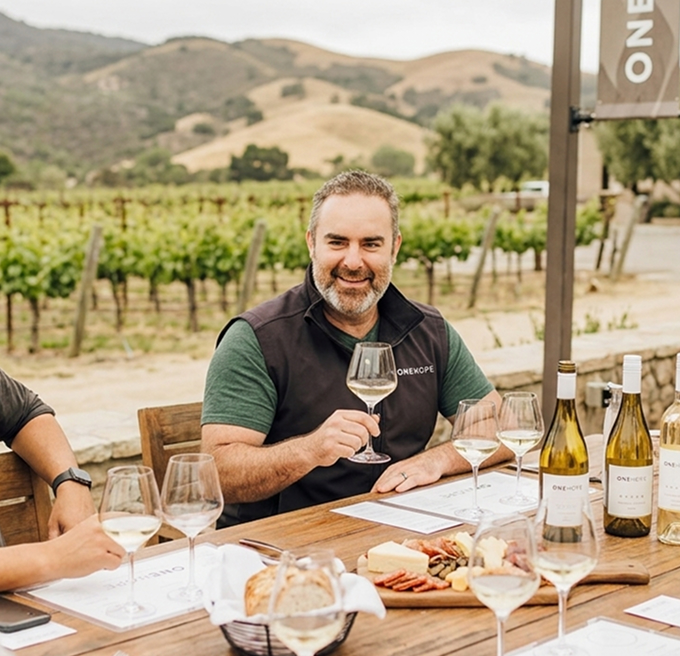
I will admit a little bias. ONEHOPE Winery and Estate 8 were built around the belief that wine and life are best enjoyed in balance. Morning movement has always been part of that balance for me. It clears the head and sets the tone for a day rooted in hospitality and intention.
A good run makes the rest of Napa taste better.