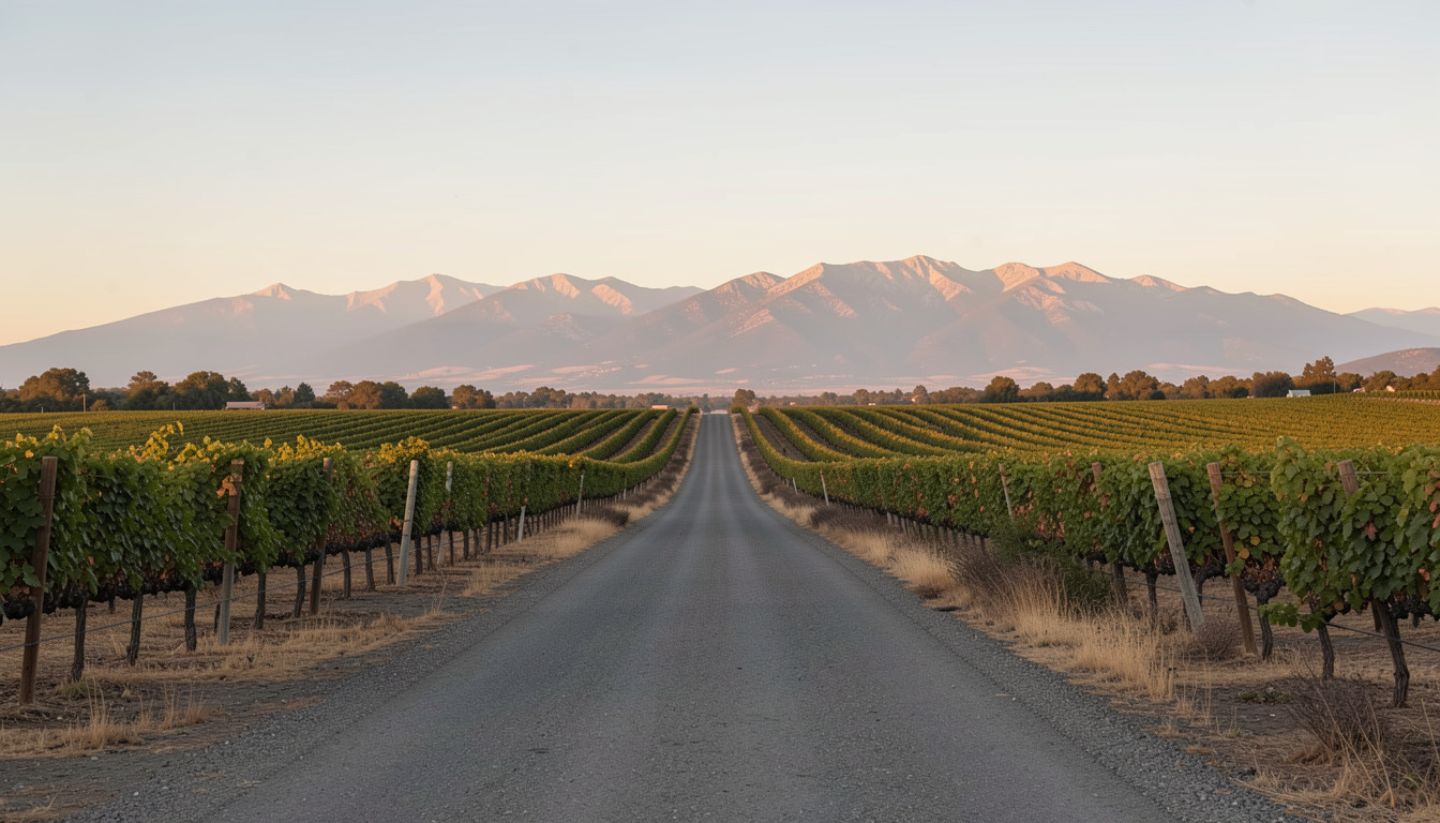
If you are coming up from Marin County for the drive as much as the destination, you are already thinking like a local.
Napa is not something you rush into. It is something you ease toward. The valley reveals itself in stages, through quiet roads, shifting light, and long stretches where nothing asks for your attention except the land itself. For Marin drivers used to coastal curves, fog banks, and the rhythm of West Marin back roads, Napa feels familiar in a different register. Wider. Slower. More open. Honest in a way that does not need explanation.
Why Napa Is So Good for Scenic Driving
For Marin County drivers accustomed to Mount Tam and the working landscapes of West Marin, Napa offers a different but equally rewarding kind of beauty.
- Long sightlines: Vineyards open outward toward the Mayacamas and Vaca ranges instead of closing in
- Minimal visual noise: Fewer signs, fewer distractions, and more attention on fog lines and light
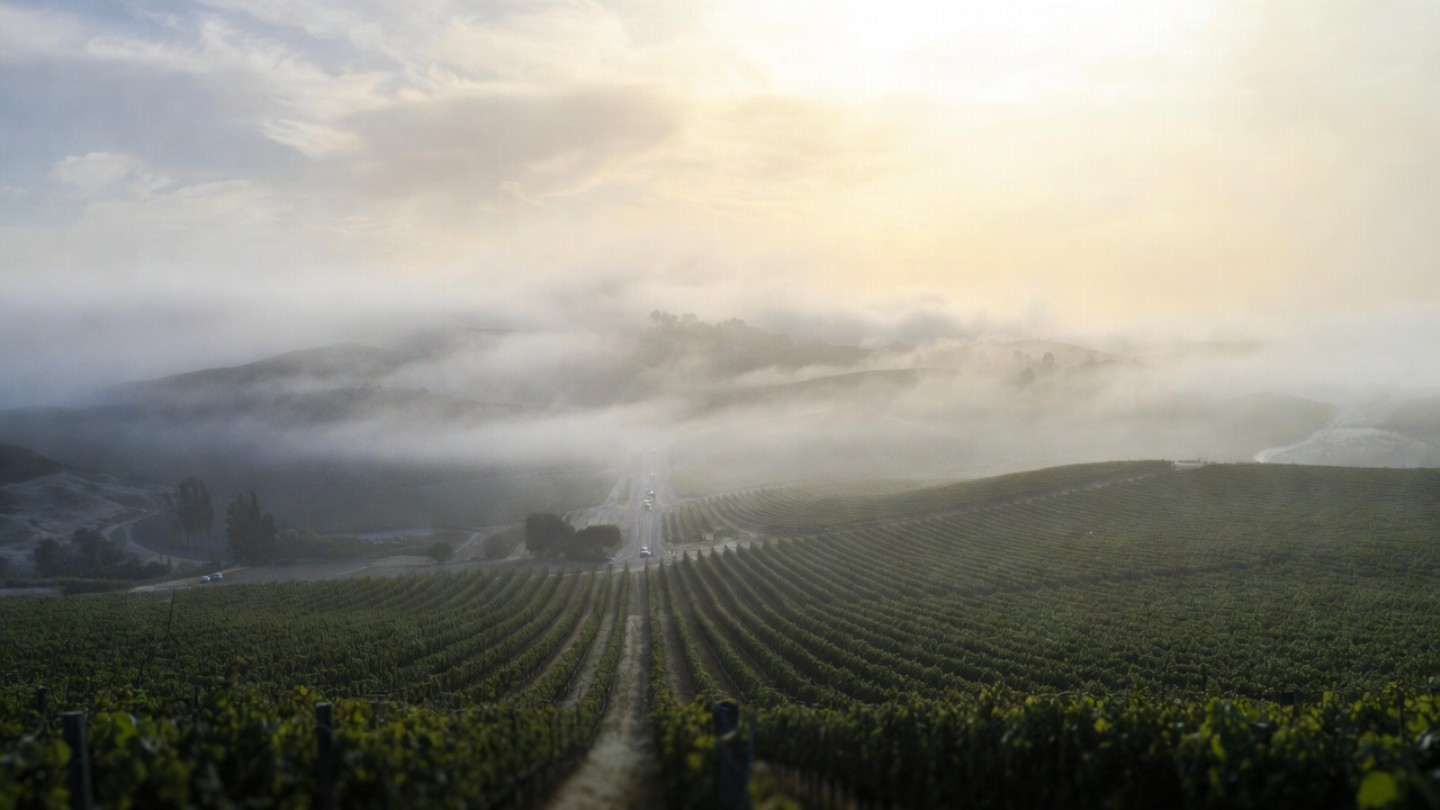
- Light that reshapes the land: Morning fog lifts slowly, afternoons soften the hillsides into shadow
- Agricultural honesty: You are moving through working land where the same families prune, pick, and pour
The valley feels best from behind the wheel when nothing is rushed.
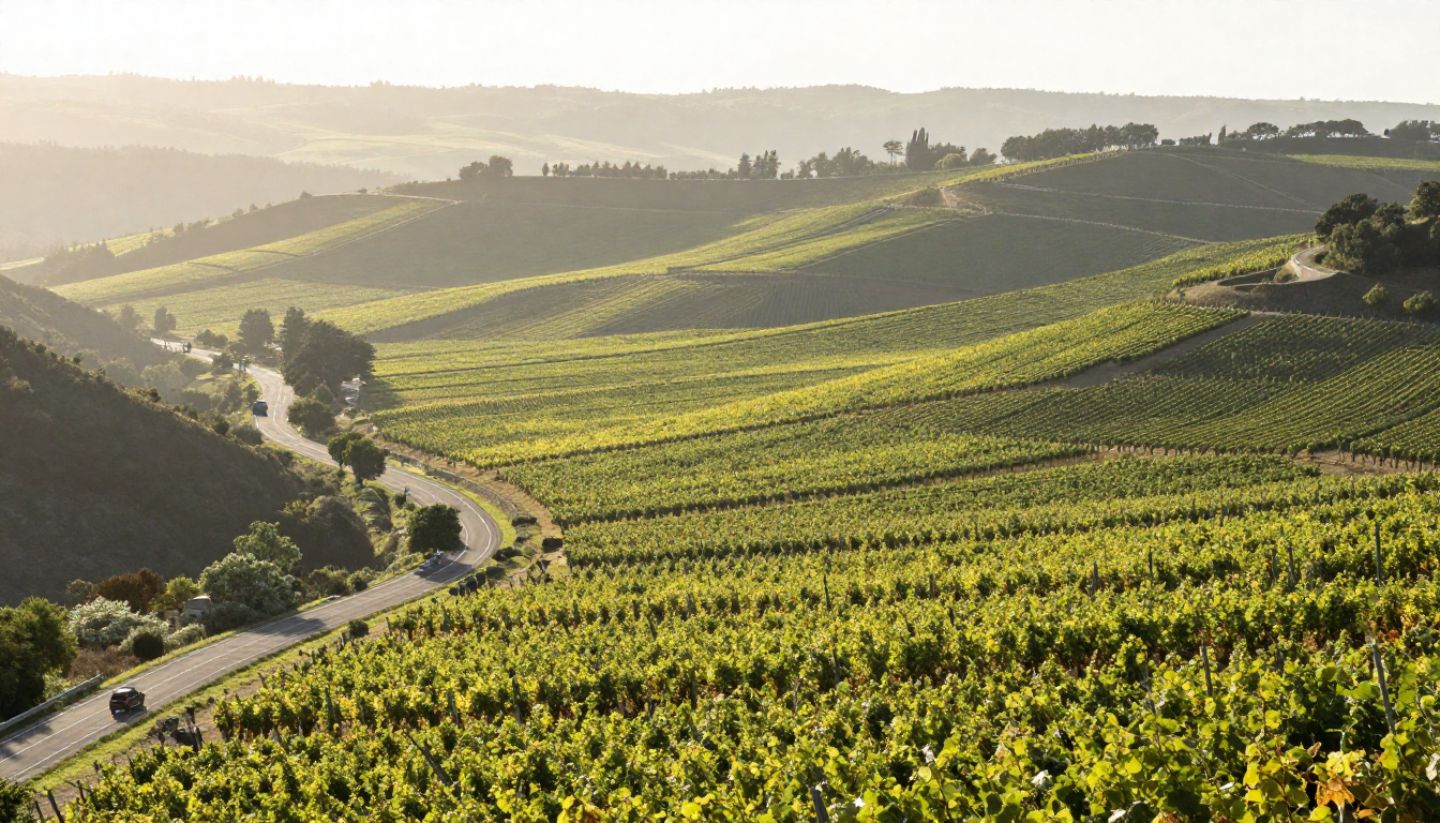
Scenic Routes Worth Taking Slowly
Silverado Trail: The Local Favorite
If Highway 29 is the spine of Napa, Silverado Trail is where the valley exhales. Just five minutes north on Silverado Trail past the Yountville Cross Road intersection, the road widens and the energy changes. Vineyards stretch farther, traffic thins, and the Rutherford benchlands begin to show their scale against the Mayacamas.
This is where Napa starts to feel less like a destination and more like a place.
Best time: Late afternoon, when cabernet light warms the hillsides and the vines begin to glow.
Oakville Cross Road to the Hills
Turn east off the valley floor and climb gently toward the Howell Mountain slopes. Even a small gain in elevation changes everything. You start to see how vineyards relate to one another and why certain hillsides produce more structure and intensity in the glass.
Local cue: These pullouts are about perspective, not performance. Sit with the view for a minute before moving on.
Rutherford Back Roads
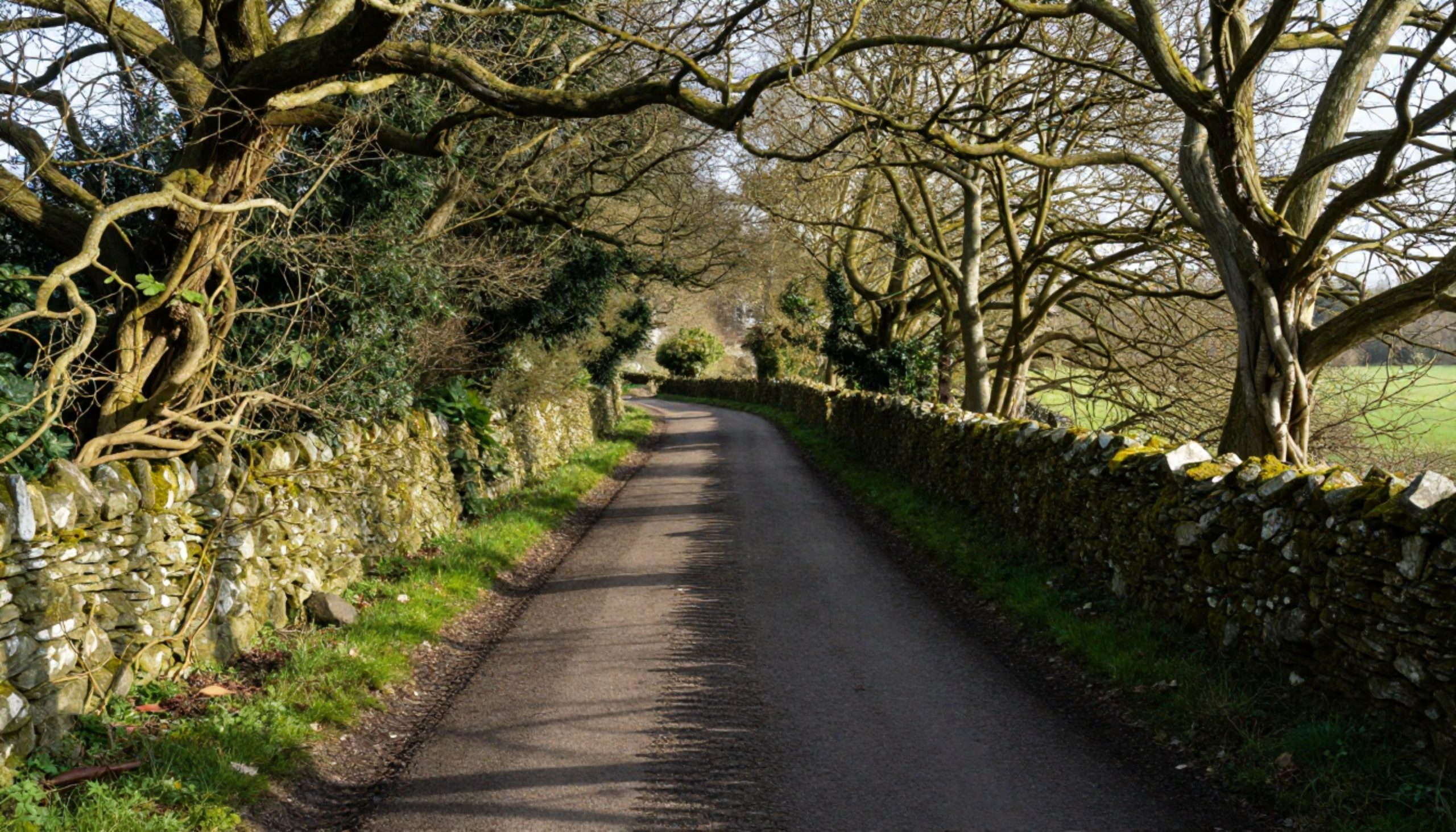
Rutherford’s smaller agricultural roads are where the valley feels most itself. Old vines, low stone walls, and long straight stretches where tractors outnumber cars. This is Rutherford Dust territory in its truest sense, not as a tasting note, but as a feeling of dry earth, sunlight, and space.
Best approach: Windows down. Let the warm afternoon air do the work.
Calistoga and the Base of Mt. St. Helena
As you head north, Napa becomes more elemental. Near Calistoga, the valley opens wide and the land feels older. Roads curve gently toward the base of Mt. St. Helena, where steam vents, open sky, and quiet stretches create a slower, more grounded energy.
Morning tip: Early light and the lift of the morning fog create a stillness that rarely lasts past mid day.
When Scenic Drives Are Best
- Midweek: Fewer vehicles and a smoother rhythm
- Late afternoon: Cabernet light reveals texture in the vines and hills
- Winter: Bare vines show the structure of the land
- Spring: Bright green hills and clean morning air
If the drive is the point, avoid peak weekend midday whenever possible.
A Short Personal Story
Some of my clearest Napa memories have nothing to do with wine. They are tied to these roads. I remember afternoons taking Silverado Trail north with no plan at all, pulling over where the vineyards widened, and staying a few minutes longer than I meant to. No phone. No schedule. Just watching the light move across the valley floor. Those drives taught me early that Napa does not rush you unless you ask it to.

How to Pair Scenic Driving With a Simple Day
- Morning: Coffee and an unhurried start, then a northbound drive on Silverado Trail
- Midday: One intentional stop, maybe a vineyard walk or a quiet lunch in St. Helena
- Afternoon: Back roads through Rutherford or Oakville, guided by light rather than time
Internal link opportunity: If you want to anchor your drive with a stop, see my guide to the most scenic wineries in Napa Valley.
A Gentle Note From Home
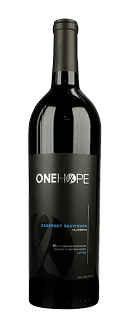
I will admit a little bias here. Estate 8 and ONEHOPE were shaped around the idea that connection happens when people slow down and let place lead. Our home sits in one of the most visually open stretches of the valley floor, where the Mayacamas catch the light just right in the afternoon. Scenic driving through Napa works the same way. You are not here to conquer the valley. You are letting it meet you at the pace it prefers.