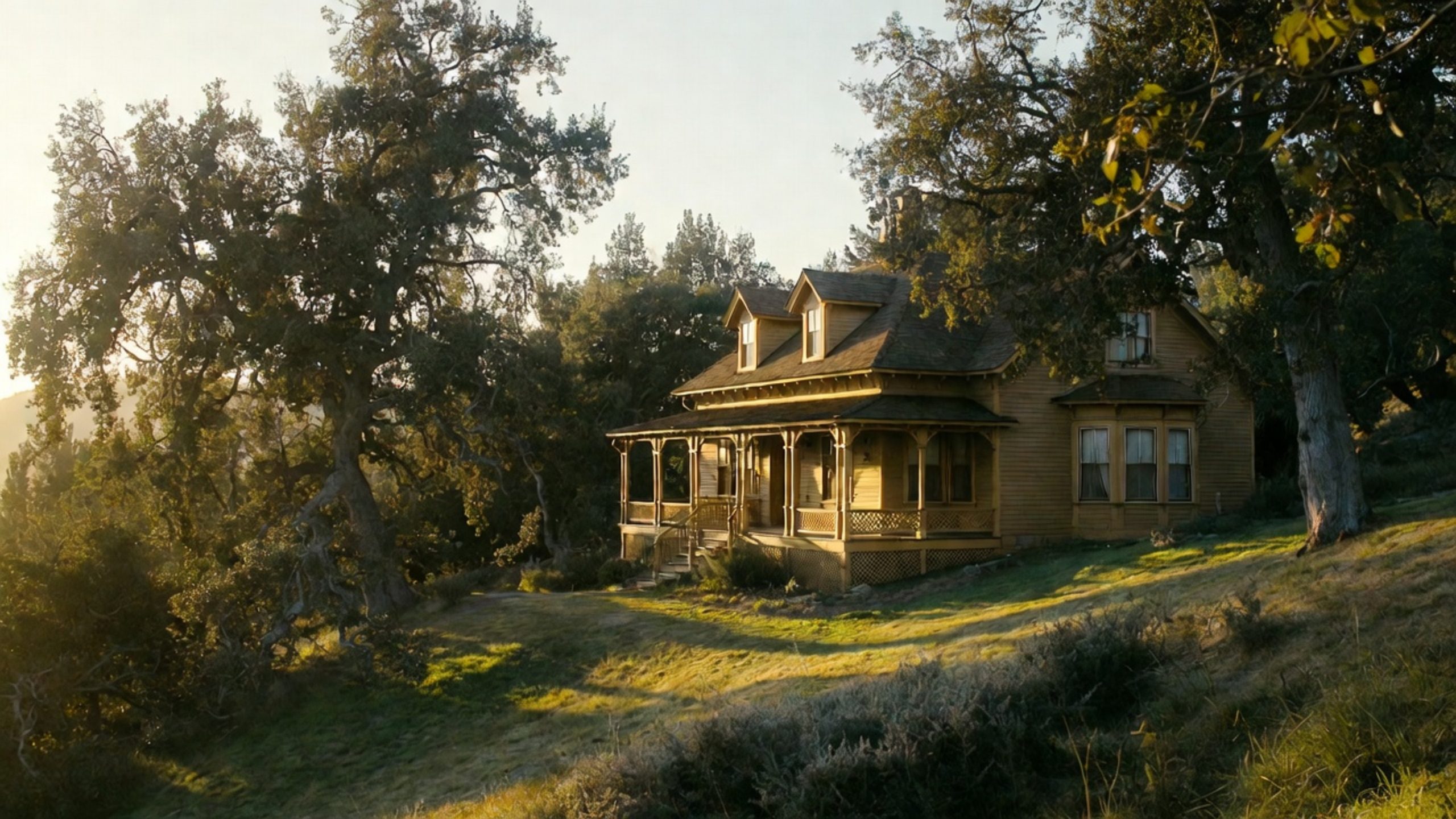
If you live in Marin County, you already understand places that hold their history quietly. Old homes tucked into West Marin hillsides. Inns where the creak of the stairs feels reassuring, not inconvenient. Napa Valley has those places too, if you know where to look.
Beyond the modern glass tasting rooms and resort-style hotels, Napa still shelters historic inns built when the valley was more farm town than global destination. Carriage houses turned into guest rooms. Victorian farm homes that have watched generations of harvests come and go. For travelers drawn to architecture, memory, and a sense of continuity, Napa’s historic inns offer something deeply grounding.
What This Experience Is Really About
Staying in a historic inn is not about nostalgia for its own sake. It is about feeling connected to the valley’s agricultural past. These buildings were designed to endure. They were lived in year round and shaped by the rhythms of farming life.
For Marin visitors familiar with places like Point Reyes Station or old Mill Valley neighborhoods, Napa’s historic scale feels intuitive. The details are imperfect in the best way. Garden paths curve around mature oaks planted long before wine tourism existed. Windows frame the light differently than modern buildings do. You feel time slow just a little.
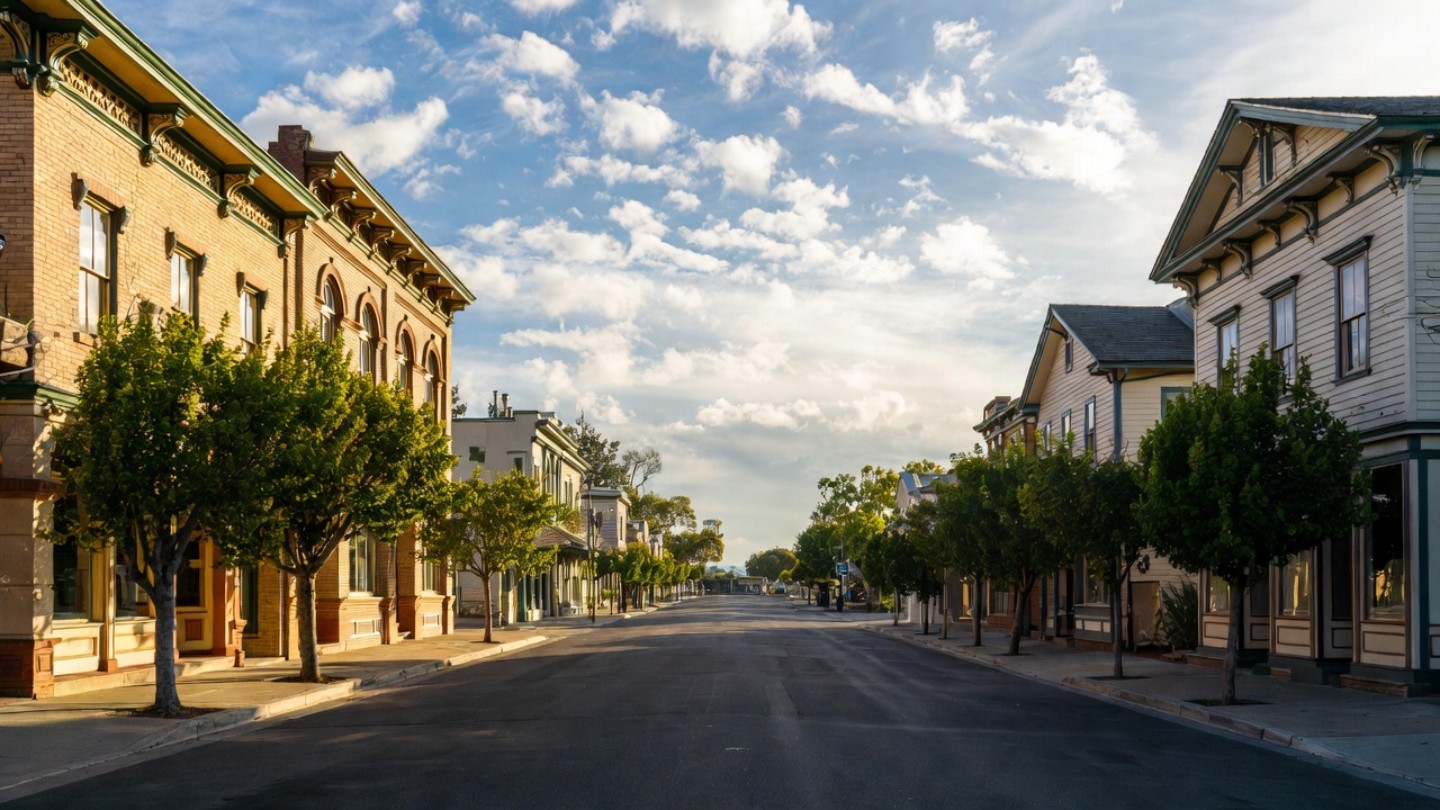
Where Napa’s Historic Inns Cluster
Rather than searching randomly, it helps to understand where history naturally concentrates.
Downtown Napa
One of the valley’s oldest residential areas. Many Victorian and Craftsman era homes here once belonged to merchants and river workers. Staying downtown offers walkability to the Napa River, local tasting rooms, and long evening strolls.
Yountville
Originally a farming settlement, Yountville retains a residential calm beneath its culinary reputation. Preserved cottages and historic structures like Vintage 1870 give this town a lived in feel, especially midweek.
St. Helena
Often considered Napa Valley’s historic heart. Former farmhouses, carriage lodges, and early hospitality buildings are woven directly into the town fabric.
Local note: Buildings closest to town centers tend to have the richest stories because they were never seasonal. They were always home.
What Makes a Historic Inn Different
Historic inns prioritize atmosphere over amenities. Expect fewer rooms, mature gardens, and common spaces designed for lingering. Breakfast feels personal. Hosts usually know the valley deeply and are happy to share recommendations that lean toward a slower, truer Napa.
This style of stay pairs naturally with unhurried meals and one thoughtful wine appointment per day. You do less, but you notice more.
A Small Personal Story
Some of my earliest memories of Napa are tied to old barns and farmhouses, not tasting rooms. Before Napa was known globally, it was a place where buildings were used hard and cared for quietly.
Even now, walking past historic inns brings that feeling back. At places like Estate 8, where we focus on land, design, and hospitality, I am always aware of what came before. I am a little biased. Estate 8 and ONEHOPE are my passion projects. But the older structures around the valley remind me that Napa’s soul lives in continuity, not reinvention.


How to Pair a Historic Stay With the Right Experiences
Mornings
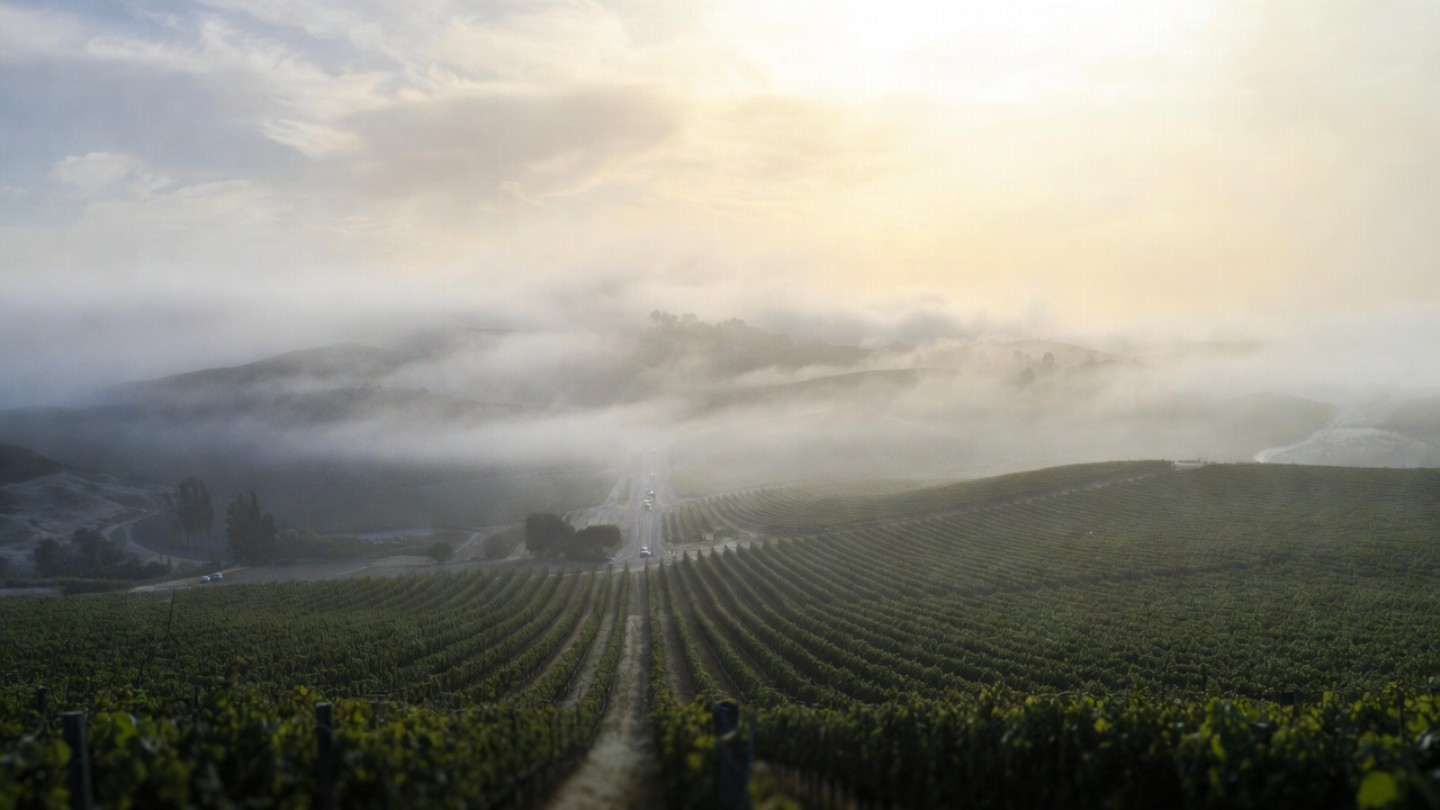
Walk town streets early, before tasting rooms open. Watch the fog lift from the valley floor and the light hit the Mayacamas Mountains.
Midday
Visit a historic estate such as Inglenook or Beringer to see grander expressions of early Napa architecture.
Evenings
Dine close to where you are staying. Places like Bistro Jeanty in Yountville or Charter Oak in St. Helena reflect the valley’s long relationship with food and gathering.
What Most Visitors Miss
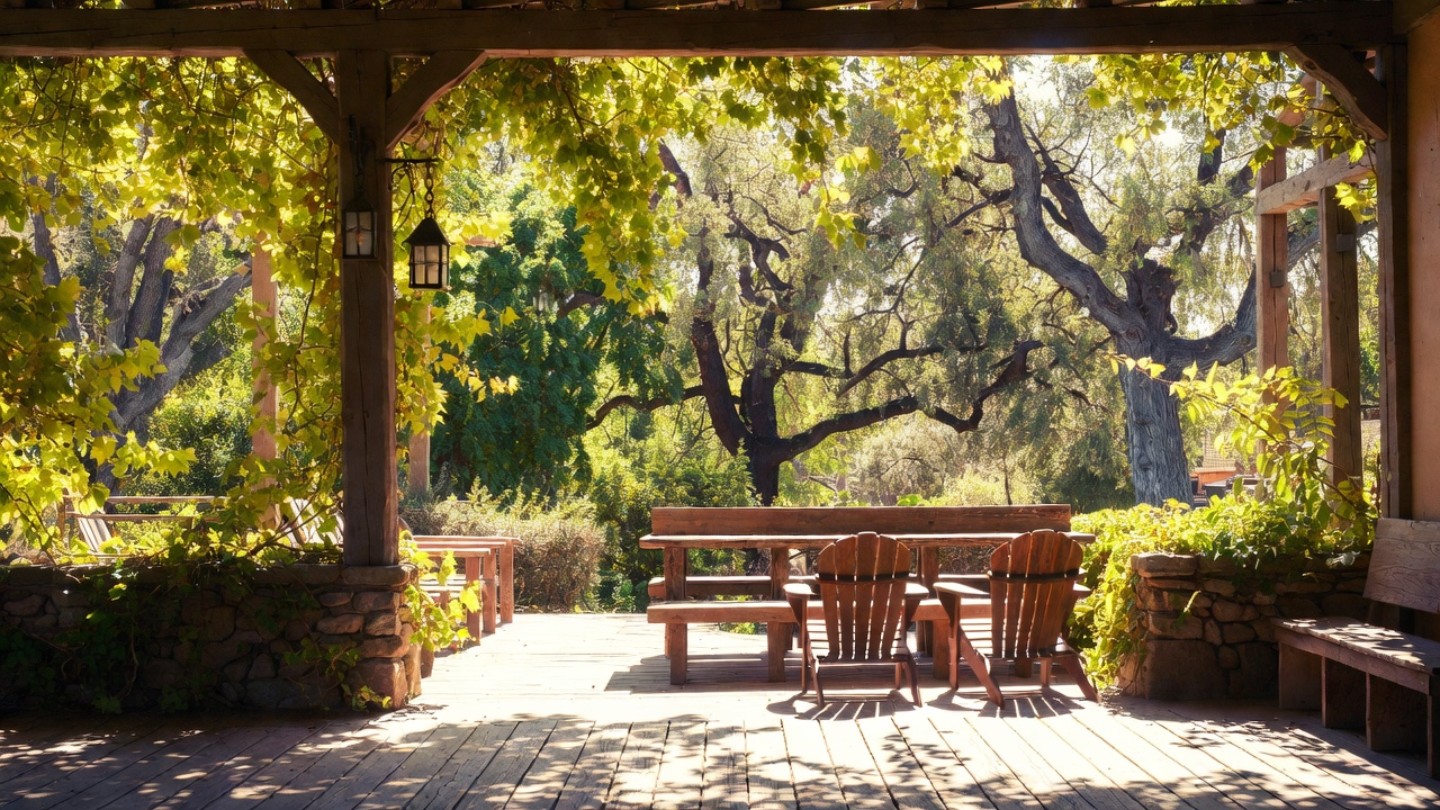
They treat historic inns like standard hotels. These places reveal themselves slowly. Sit on the porch. Read in the garden. Ask about the building’s original purpose. In Napa, history is often shared person to person, not just on plaques.