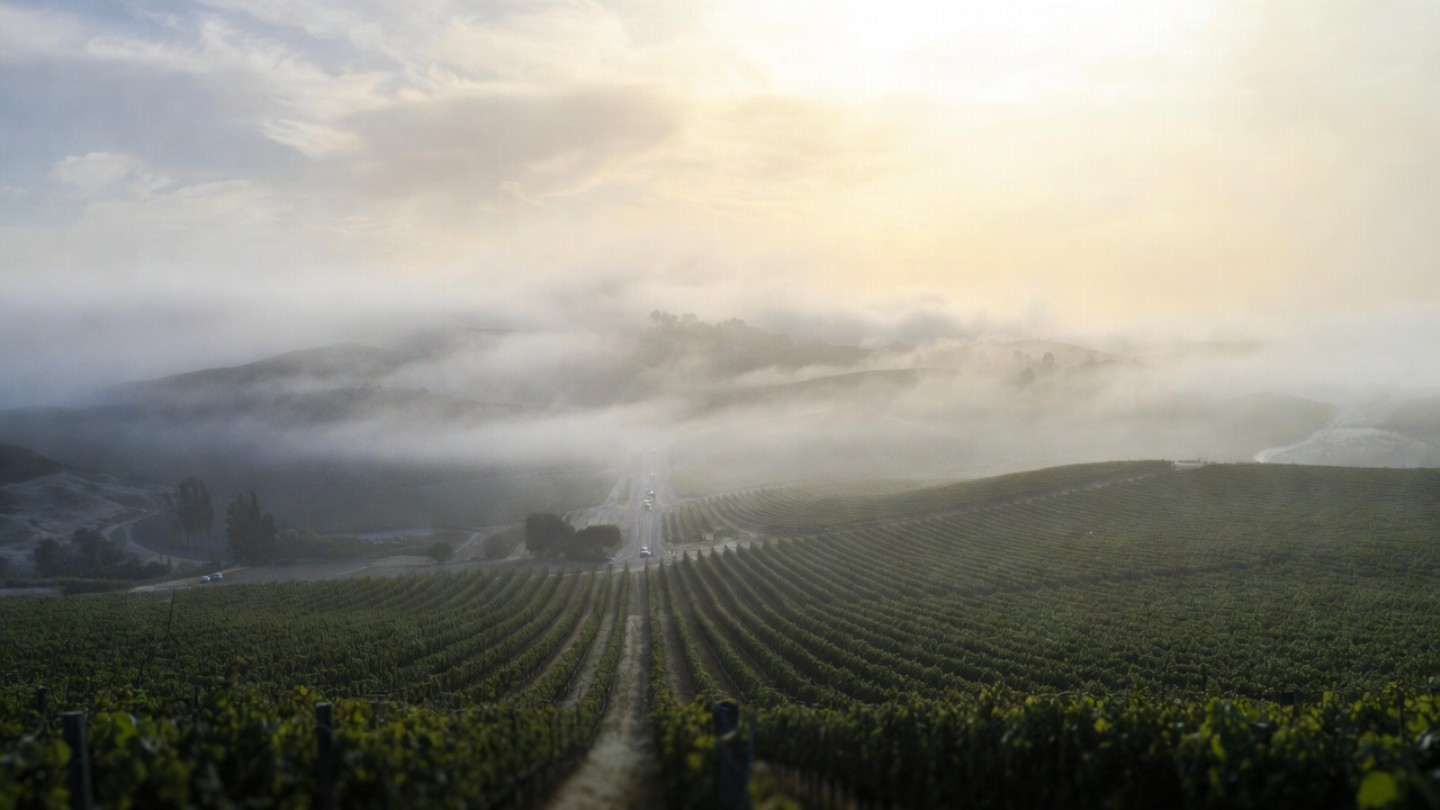
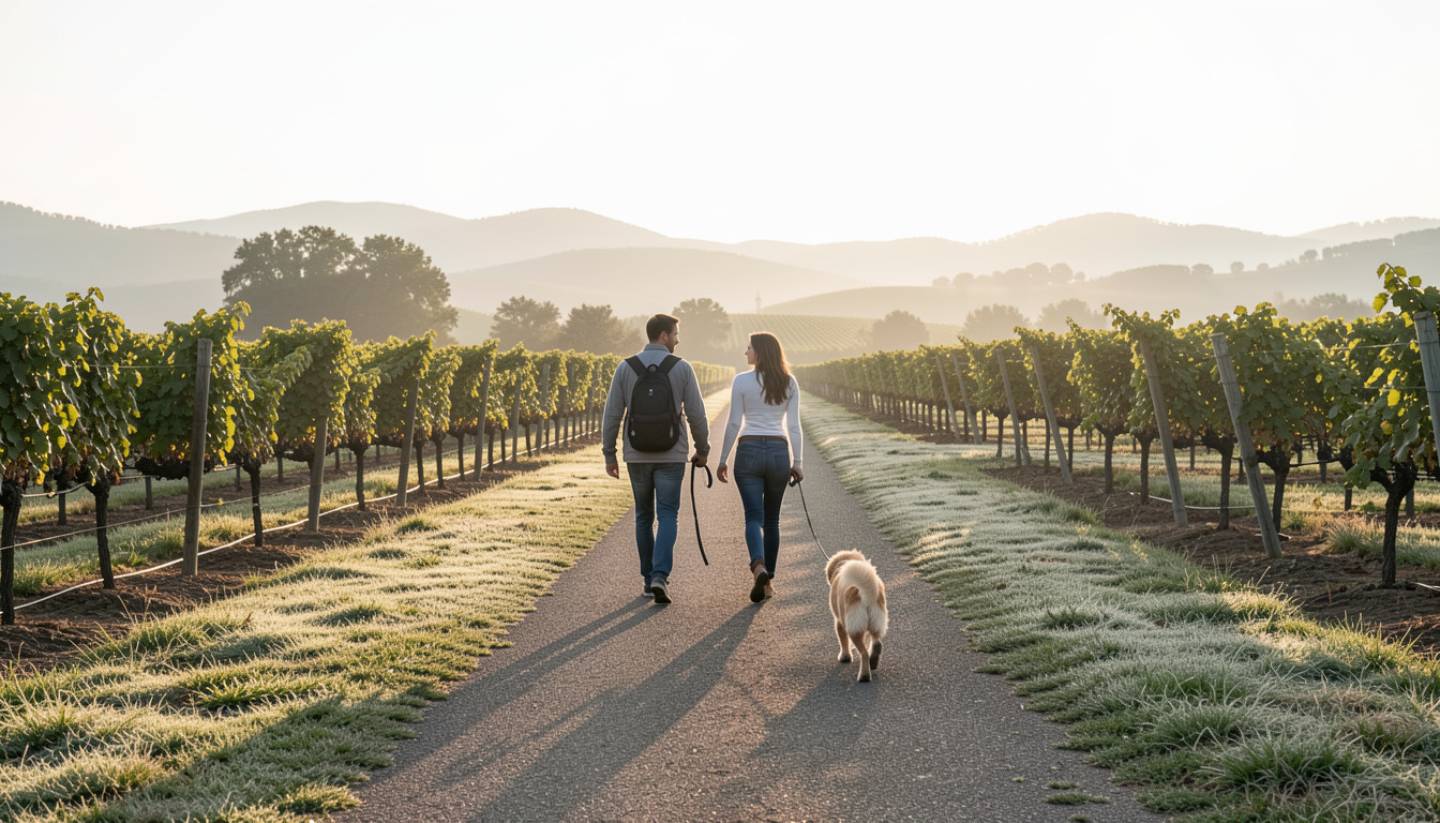
From Marin County, Napa is one of the few wine regions where bringing your dog feels normal, not negotiated. You leave San Anselmo, Mill Valley, or Novato with the leash already clipped, roll past the marshlands on Highway 37, and within an hour the valley opens up. Vineyards widen. Traffic thins. Dogs settle into the pace before you do.
This guide is built for people who travel with their dogs because it is part of their life, not a special request. It focuses on patios where dogs belong, trails where leashes make sense, and lodging that understands a dog is not an accessory. Napa works for this kind of trip because it is still an agricultural place at heart. Land first. Then wine. Dogs fit easily into that order.
Why Napa Works for Dog Owners From Marin
Marin and Napa share an outdoor-first mindset, but Napa offers more room to breathe. Roads are wider. Patios are deeper. Back roads like the Silverado Trail allow movement without constant stopping.
Dog owners tend to settle into the southern and mid-valley zones. Downtown Napa offers the highest concentration of pet-friendly hotels and riverfront walks. Yountville works especially well for older dogs thanks to its flat, paved paths and heavy shade. Calistoga attracts those who want fewer crowds and more space between stops.
When to Go With a Dog
Spring (March to May): The sweet spot. Cool mornings, green hills, and comfortable patio weather.
Summer (June to August): Early starts are non-negotiable. Walk before 10:30 AM and plan long breaks indoors midday.
Fall (September to October): Crisp mornings and vineyard color, but limited pet-friendly lodging means booking early matters.
Winter (January to February): Quiet, forgiving, and local. Heated patios, empty trails, and relaxed hosts.
The Itinerary: A Napa Day Built Around the Leash
Morning: Arrive and Walk First (9:30 AM)
Enter via Highway 37 and start with movement before food or wine.
Napa Riverfront Trail: A flat 1.5-mile loop behind the Oxbow Public Market. Water keeps the air cooler, and it is one of the most consistently dog-friendly walks in the valley.
Yountville Walking Path: A two-mile paved path parallel to Washington Street with vineyard views and oak shade.
Local cue: Early morning at Yountville Park is where you will spot locals with coffee cups and muddy shoes. That is the right signal.
Late Morning: One Thoughtful Tasting (11:30 AM)
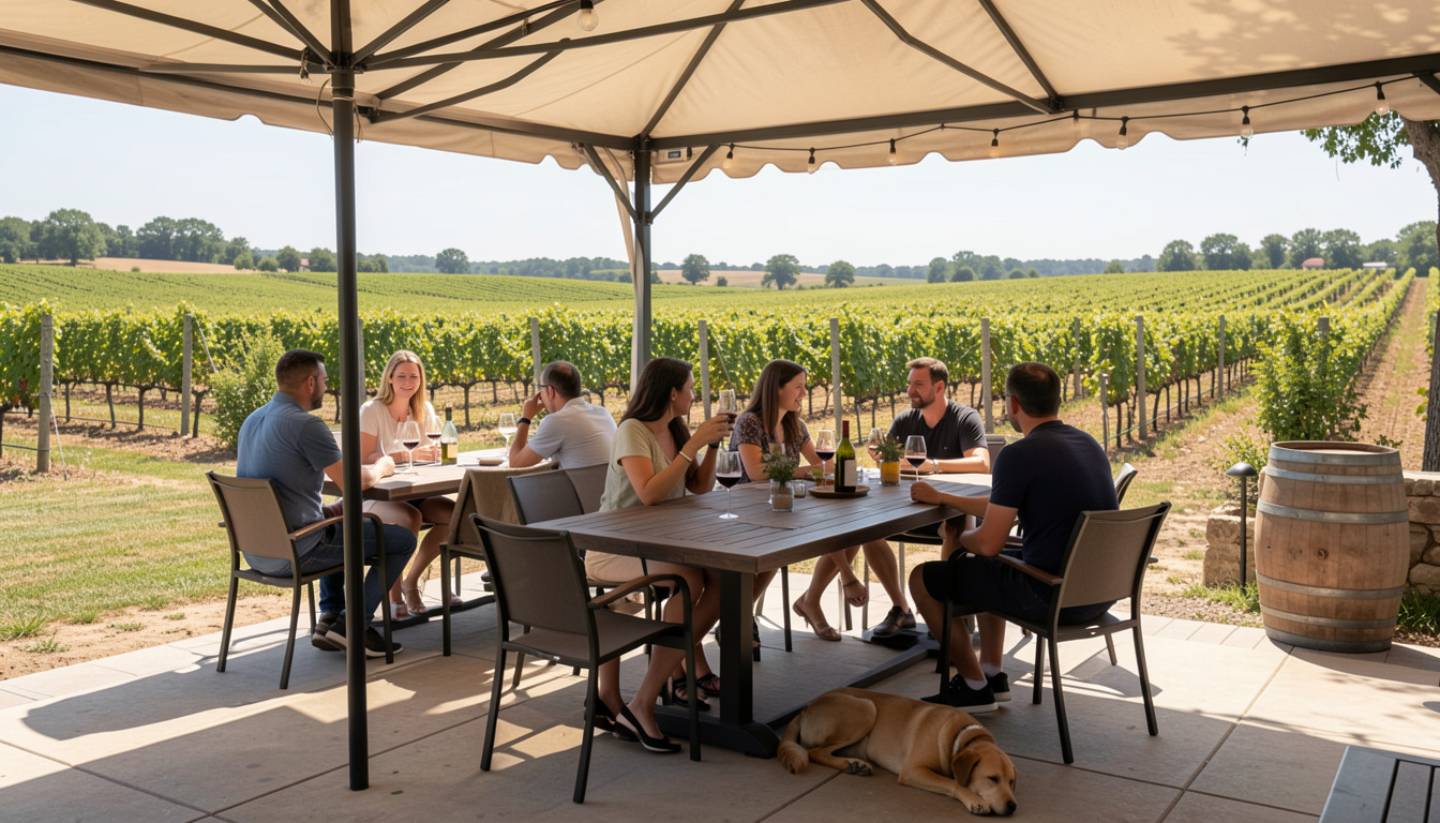
Health codes keep most dogs outside tasting rooms, but Napa does outdoor hospitality extremely well.
Selection cue: Look for wineries that mention lawn, terrace, or garden seating. Appointment-only estates tend to be more flexible and calm.
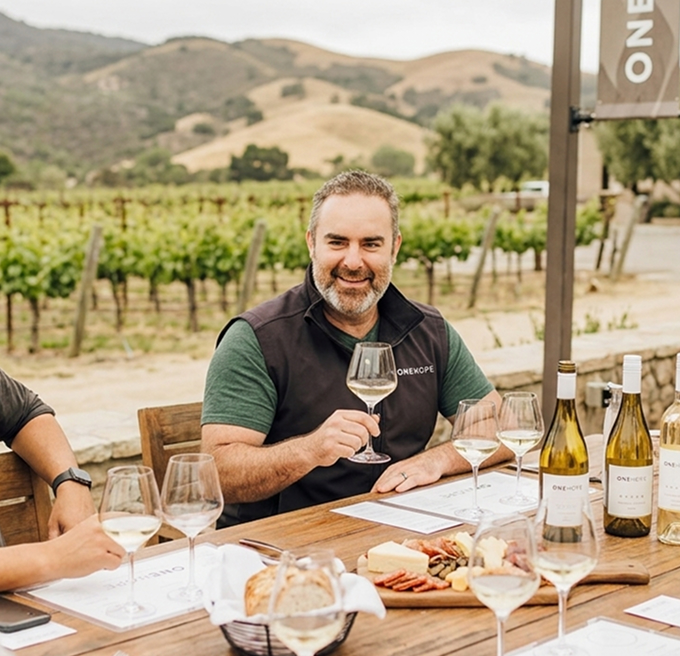
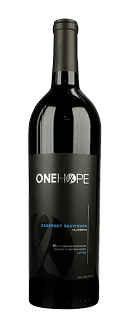
Jake’s Note: When friends come up from Marin with dogs, I often point them toward ONEHOPE Winery at Estate 8. I am biased, it is my life’s work, but the open-air layout and slower pace make it easy for a dog to lie in the shade while you take in the Mayacamas views. No pressure. No crowd noise. That matters.
Lunch: Dog-Friendly Patios (1:30 PM)
Gott’s Roadside in St. Helena works well for dogs that are alert and social. Big tables, fast service, no judgment.
Farmstead at Long Meadow Ranch offers one of the most genuinely dog-welcoming outdoor dining spaces in the valley. Always request patio seating when you book.
Afternoon: Silverado Trail Exit (3:00 PM)
Head south via the Silverado Trail rather than Highway 29. It is smoother, quieter, and easier on dogs after a full morning. Oak trees, vineyard edges, and fewer stoplights make for a calmer drive back toward Highway 37.

Where to Stay With a Dog
Downtown Napa: Andaz Napa sits directly on the river trail and is one of the most consistently dog-friendly hotels in the valley.
Calistoga: Solage offers extensive outdoor space and a relaxed approach to dogs, though at a premium price point.
St. Helena: Harvest Inn places you directly against vineyard rows, ideal for short leash walks without needing to drive.
Local tip: Ask about size limits and unattended pet policies. Napa hotels vary widely even within the same town.