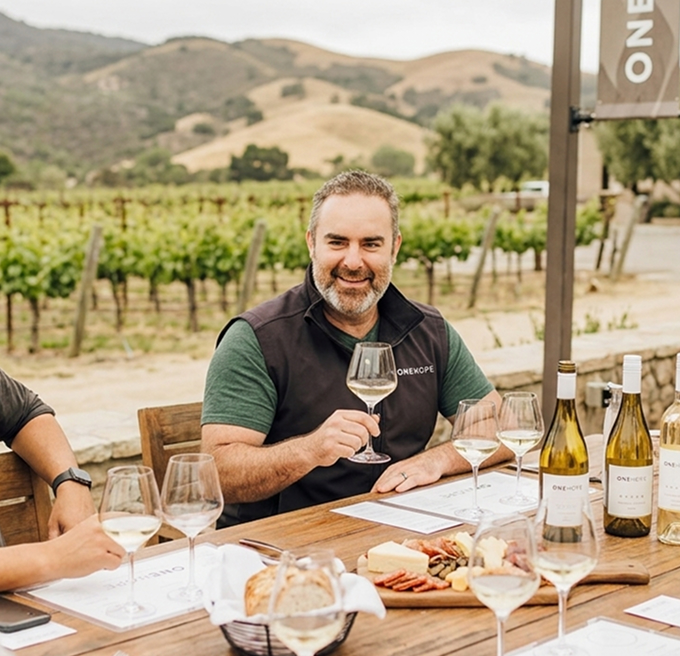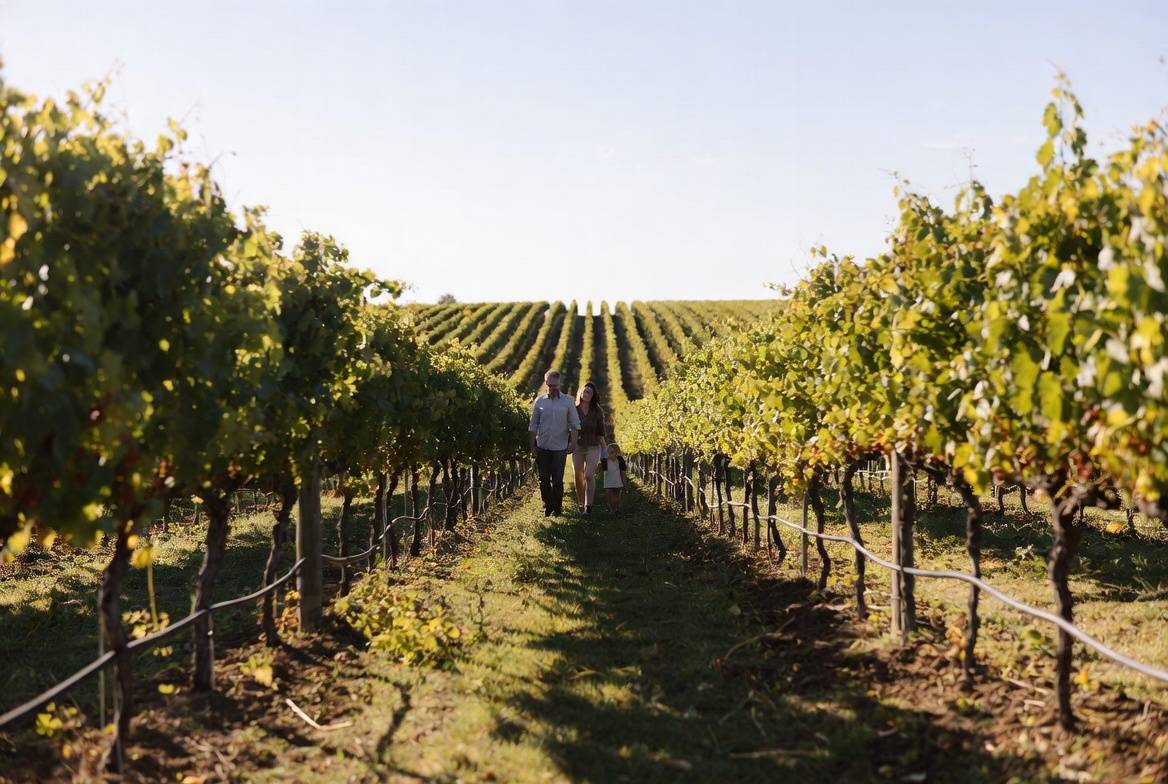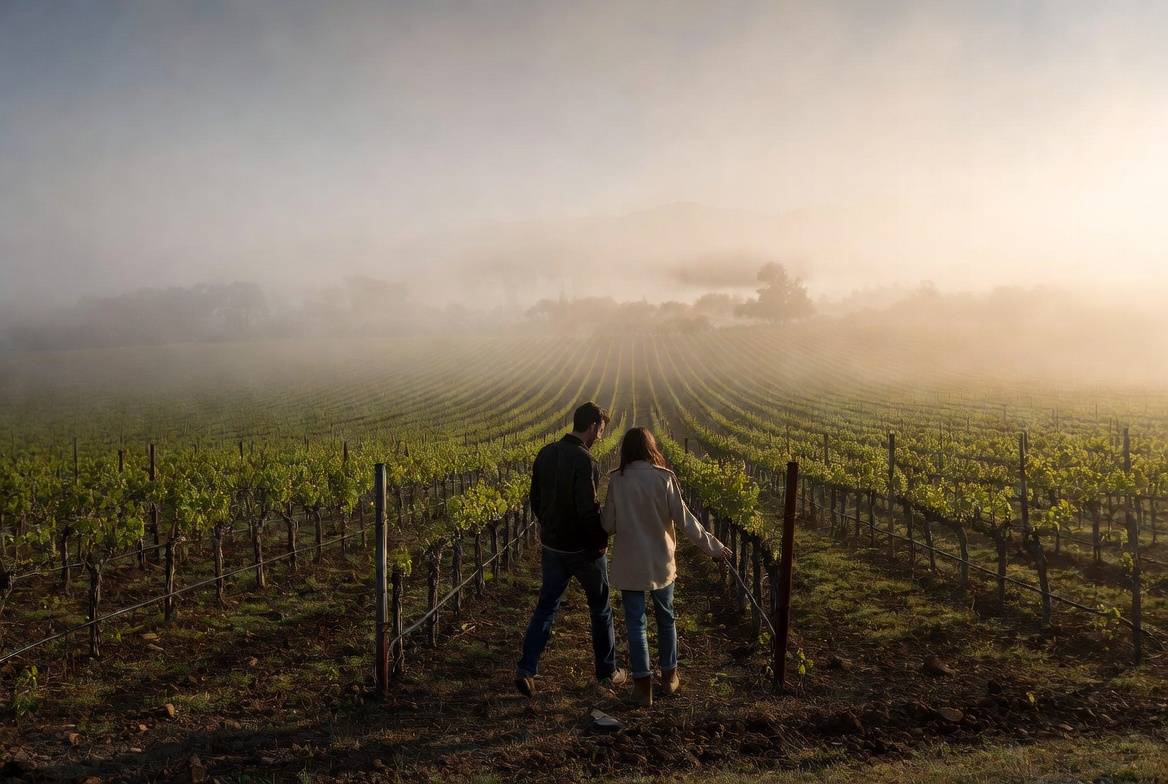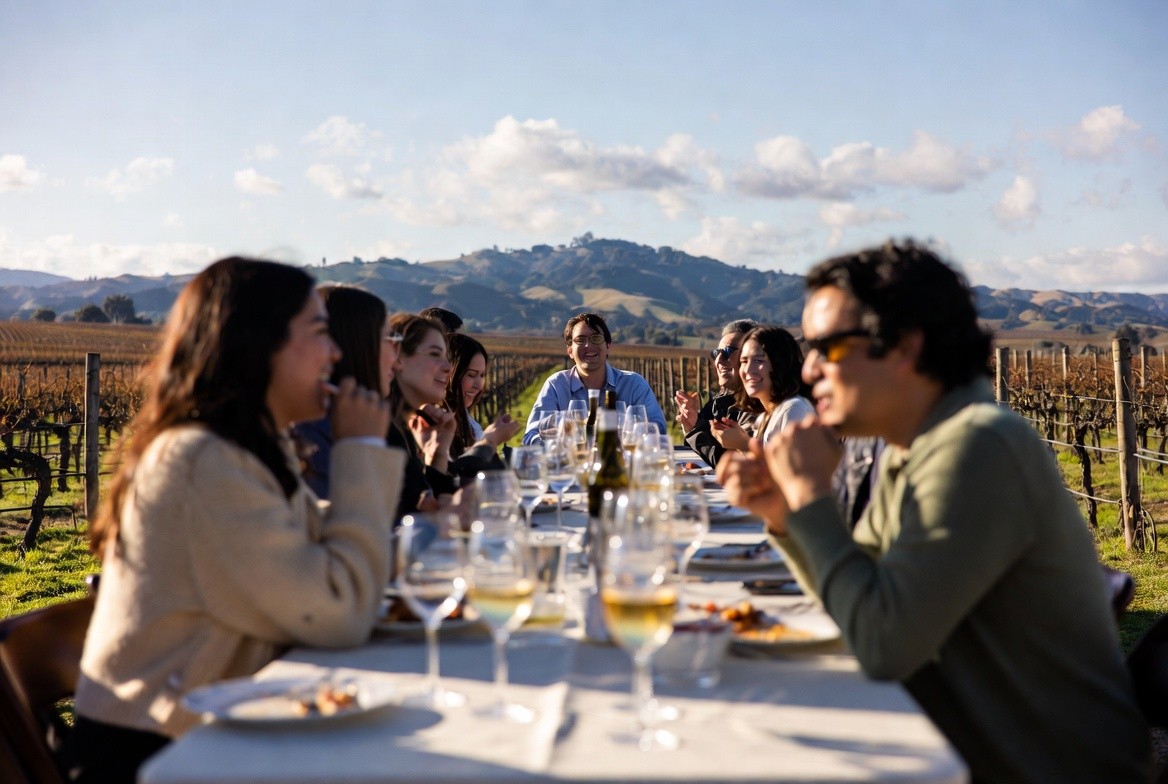
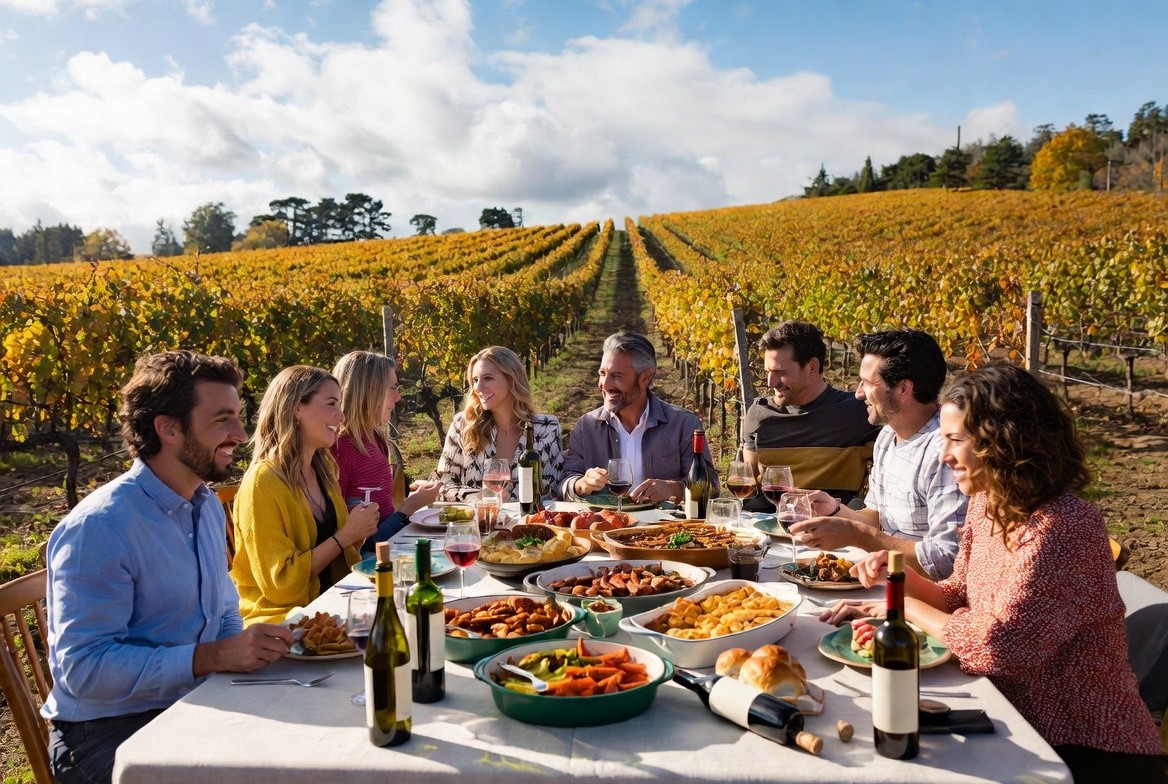
Friendsgiving is not about perfection. It is about showing up with a bottle, a dish, and enough time to let the day stretch. Napa Valley understands this instinctively. Late fall mornings start cool and quiet as fog lifts off the Rutherford benchlands. The rush of harvest fades. Kitchens turn toward comfort. Tables get longer. The valley floor shifts into golds and deep reds. In Napa, Friendsgiving feels less like an event and more like a shared pause before the year turns.
What This Experience Is Really About
Friendsgiving works best when no one feels like a guest and no one feels like a host. Napa supports this because hospitality here is rooted in warmth rather than performance. It is the side by side energy of shopping together, cooking together, and opening bottles slowly.
The most memorable Friendsgivings in wine country usually share a few elements.
A Common Base
One house, one estate, or one rental where everyone naturally crosses paths.
Shared Contribution
Everyone brings something, whether it is a dish, a bottle, or a story.
Time at the Table
Long meals matter more than perfectly timed courses.
When It Is Best
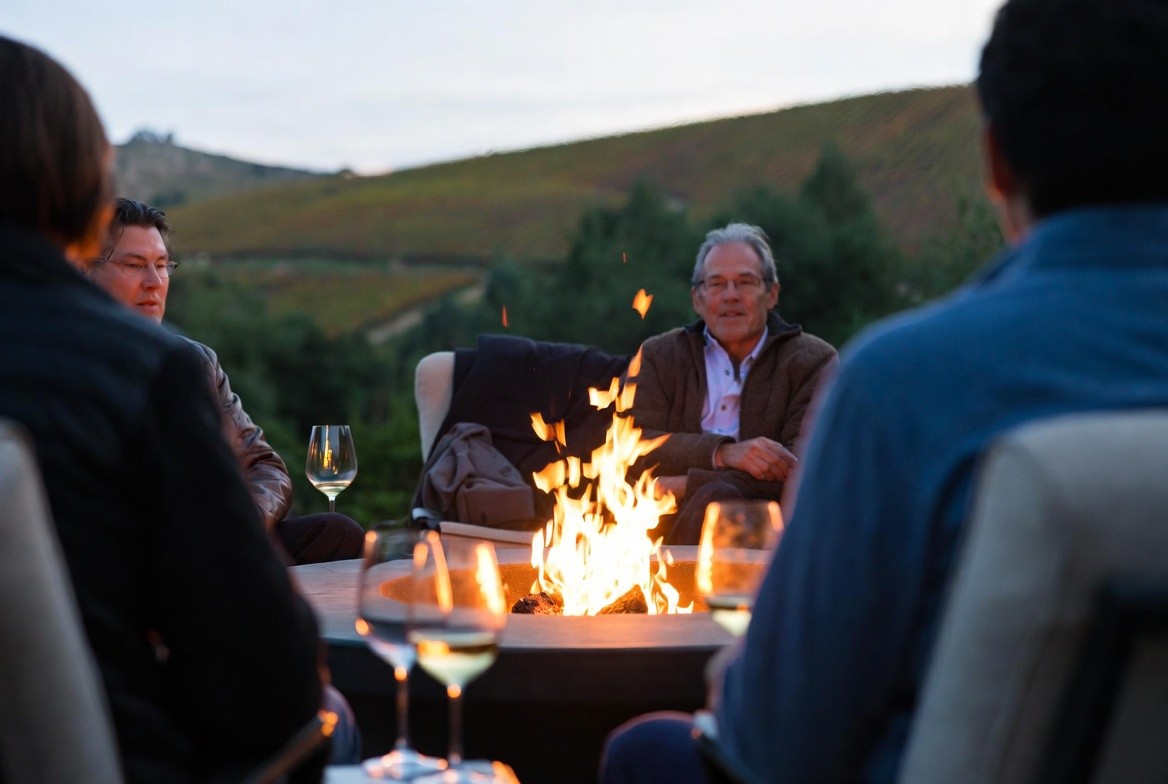
Late November through early December is ideal. Harvest has ended and the valley exhales. Restaurants and wineries feel more personal. Nights are crisp and invite fireside conversation.
Midweek Friendsgivings are especially good. Napa feels quieter and more local, and group logistics are easier.
What Most People Miss
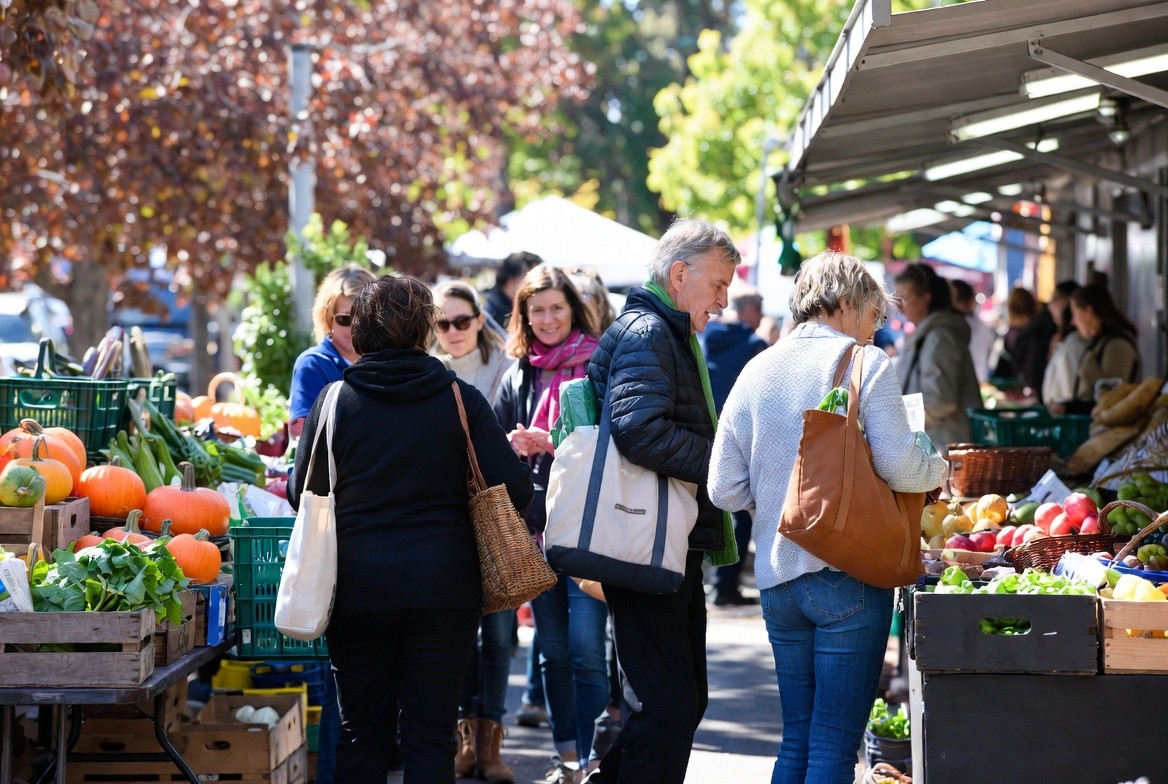
Many groups try to turn Friendsgiving into a winery crawl. In Napa, the magic happens when you stay put. One thoughtful tasting or a morning visit to a local market is enough. The memory is not built by how many stops you make. It is built by staying at the table long enough for the conversation to get good.
My Local Notes
I have watched Friendsgivings here turn into something people talk about for years. One stands out clearly. Everyone cooked together using whatever looked good that morning at a small local market in St. Helena. The turkey rested longer than planned. No one cared. By the time dessert came out, the bottles were half empty and the conversation had drifted far beyond food. That is when you know you got it right. When the valley sets the pace and you stop checking the clock.
How to Host a Friendsgiving Weekend
Arrival Day
Settle in and shop together. Open a bottle early. Start cooking without a schedule.
Friendsgiving Day
Keep the meal relaxed. Family style dishes. One long table. No seating chart. Take a walk after eating and let the rest of the evening unfold naturally.
Departure Day
Leftovers, coffee, and slow goodbyes. A simple bakery stop is often better than a formal brunch.
Where to Stay
St. Helena feels classic, grounded, and close to the Cabernet heart of the valley.
Yountville offers walkability if you want one meal out.
Calistoga sits fifteen minutes north with quieter energy that suits fireside evenings and slow mornings.
Food and Wine Focus
Choose wines meant to be shared, not analyzed. Magnums work well for long tables and signal generosity. Late fall Napa food is about comfort and seasonality. Roasted vegetables, simple proteins, bread meant for tearing, and dishes that can sit on the table without rushing.
Gentle Local Integration
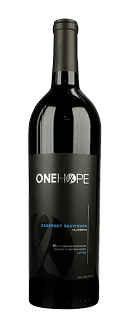
I will admit my bias. Building Estate 8 and ONEHOPE came from the belief that wine is at its best when it brings people together with purpose. They are very much my baby. Some of the best Friendsgivings I have seen here had nothing to do with labels or pairings. They were about shared effort, full plates, and staying far longer than anyone planned.