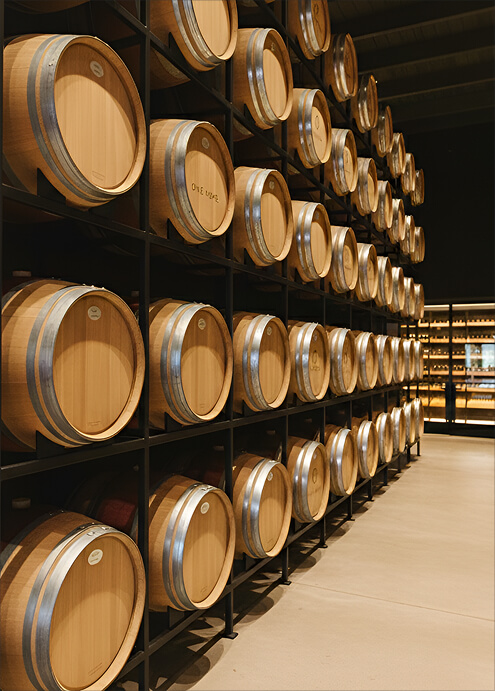
Designers do not come to Napa to turn their eye off. They come to sharpen it.
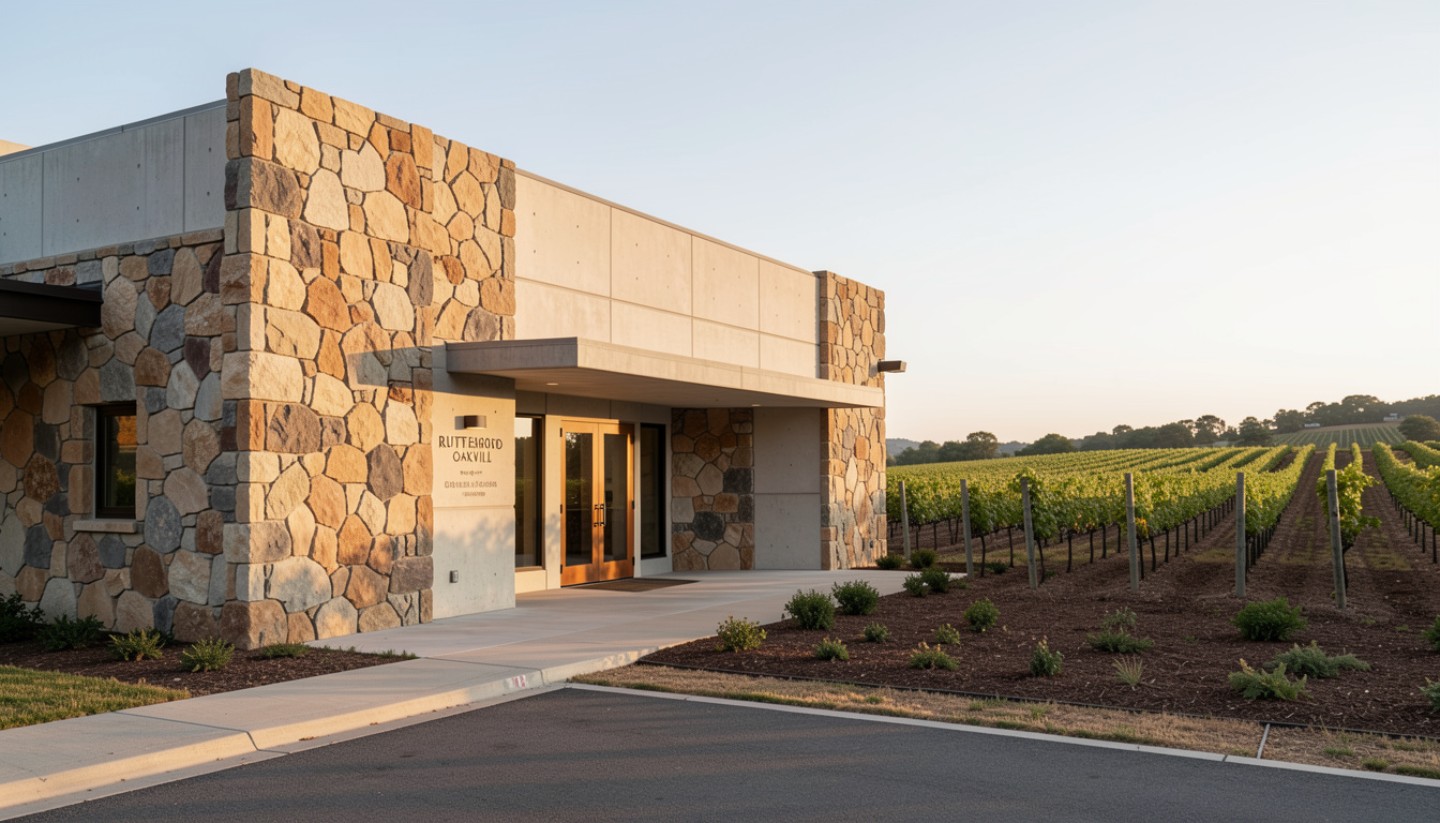
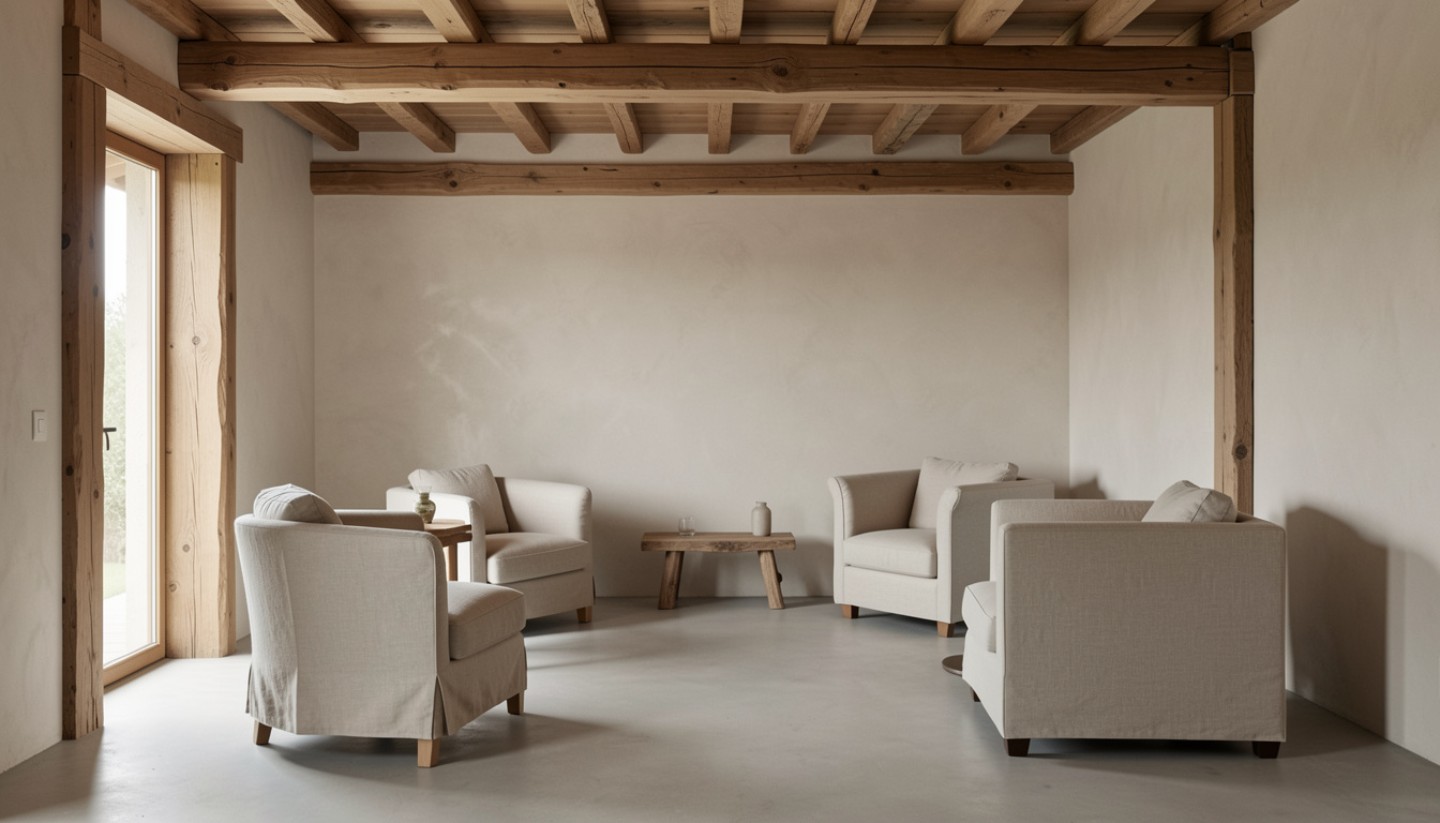
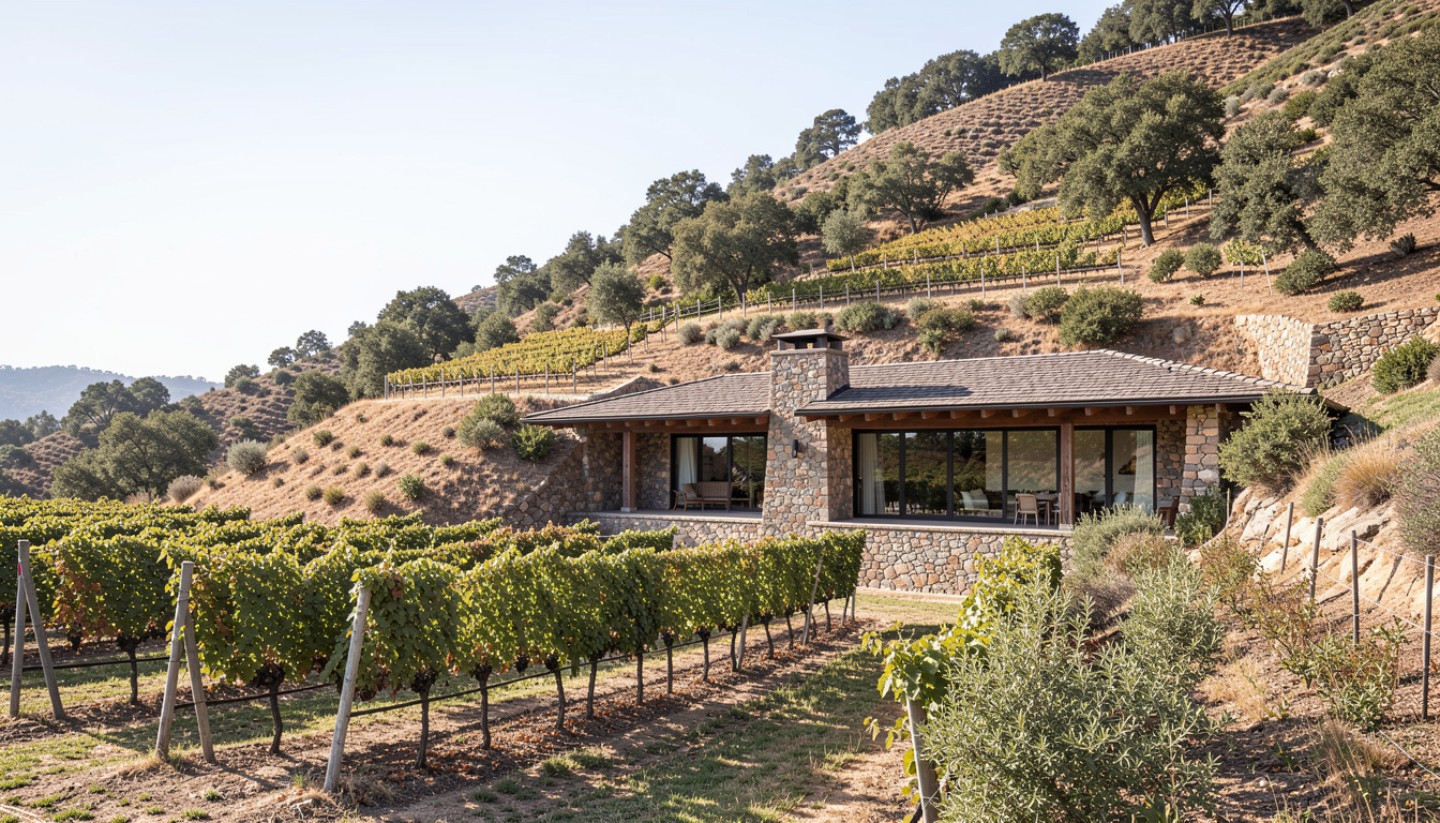
This valley rewards people who notice how things are made and how they age. Hand-chiseled stone walls that catch afternoon light differently each season. Weathered barn wood meeting poured concrete floors without apology. Tasting rooms that stay cool in August not because of technology, but because someone understood airflow, shade, and proportion. Napa is a living materials library, and if you slow down enough, it teaches quietly.
I grew up here watching buildings change slowly. Homes are remodeled once every generation. Wineries expand cautiously, often underground. Nothing flashy lasts. What lasts is balance, texture, and materials that make sense where they sit.
What This Experience Is Really About
Design inspiration in Napa comes from function first. Buildings exist to protect wine from heat, light, and time. Beauty is a byproduct of solving those problems well.
You see a consistent palette across the valley: limestone, oak, concrete, steel, linen, leather. These materials hold up under sun, dust, and seasonal shifts. They age instead of wearing out. Interiors stay quiet because the landscape does the talking. Designers who visit Napa often leave with fewer ideas, but better ones. The valley teaches editing.
When Designers Get the Most Out of Napa
Midweek is essential. Tuesday through Thursday allows you to experience spaces as they were intended, without the noise of weekend traffic.
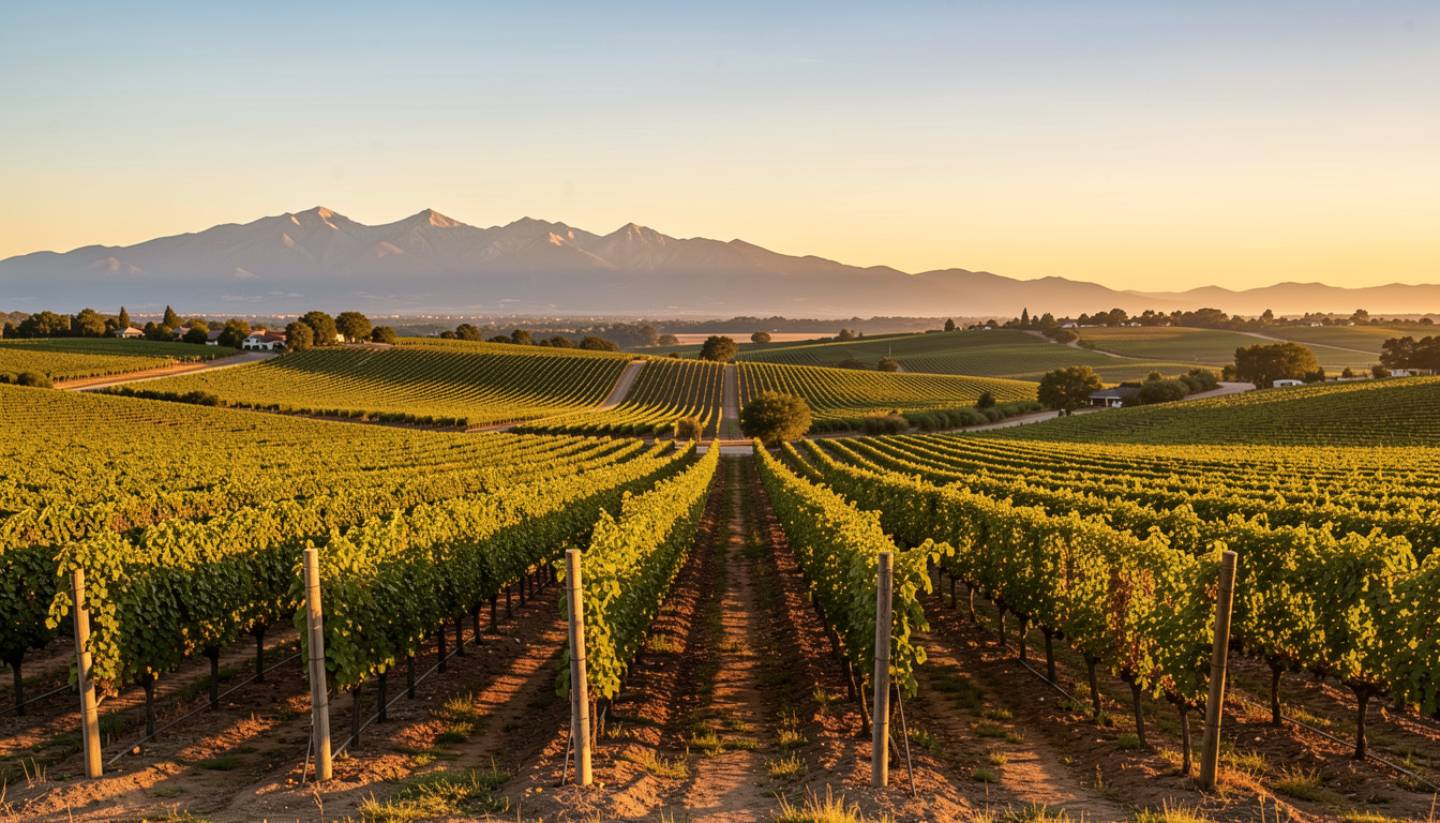
Late winter and early spring, often called mustard season, reveal the architectural bones of the valley. Vineyards are bare. Color contrast is clean. You can see how buildings sit in the land.
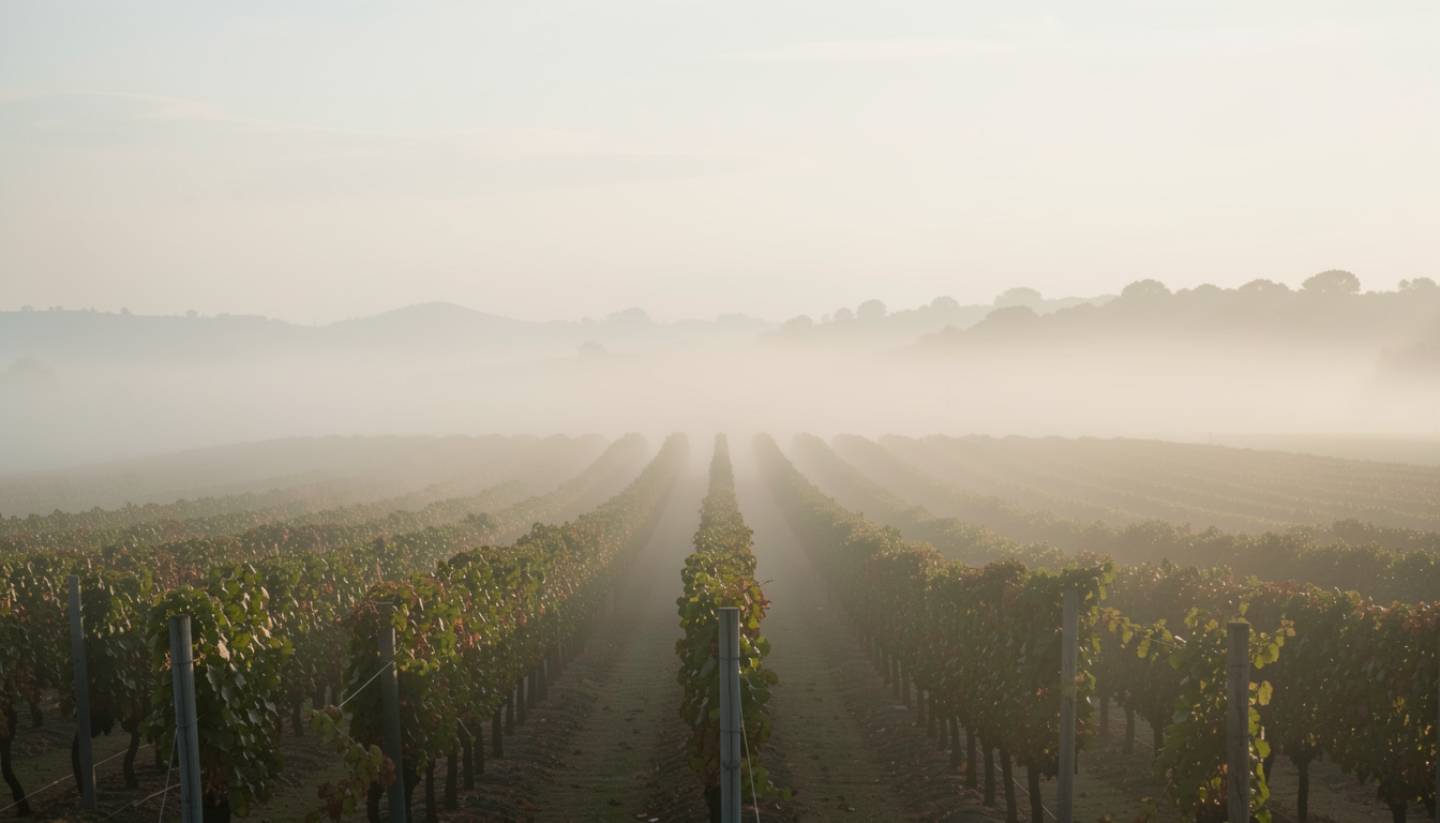
Early afternoon, after the fog lifts and before golden hour, offers the truest light for studying texture and material transitions.
What Most Visitors Miss
Most visitors photograph Napa. Designers walk it.
They notice the crunch of gravel underfoot before entering a tasting room. The way ceiling heights compress, then open, guiding movement without signage. How shadows slide across hand troweled plaster as the sun shifts. Some of the best lessons happen standing still for ten minutes, watching a wall change.
Overplanning kills this kind of insight. Napa reveals itself in the pauses.
My Local Notes
When friends from the design world visit, I point them toward places where material honesty leads the experience. The eastern edge of the valley, especially the Stags Leap District, is a favorite for its raw stone and verticality pressed against the palisades.
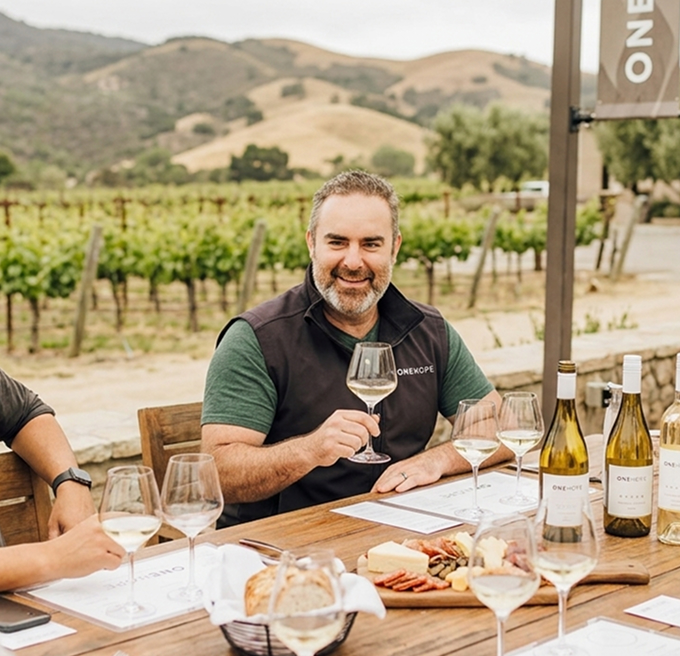
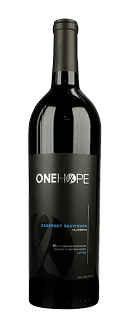
I will admit a small bias here. ONEHOPE at Estate 8 is my creative outlet and my first real passion project. We designed it around intentional gathering, clean lines, and wide sightlines that pull your eye toward the Mayacamas. I have watched designers fall silent there, not because the architecture is loud, but because every material is doing its job without explanation.
Where to Look for Design Inspiration
Design Forward Wineries
Quintessa in Rutherford offers stone walls that feel grown from the hillside.
Artesa in Carneros uses water, concrete, and glass to mirror sky and fog.
Odette Estate in Stags Leap contrasts soft curves with volcanic rock.
Rudd Estate in Oakville is a quiet masterclass in agricultural modernism.
Hotels and Commercial Spaces
Auberge du Soleil remains the benchmark for quiet luxury and restraint.
Stanly Ranch shows how modern hospitality can disappear into the land.
Archer Hotel in downtown Napa offers a study in urban material contrast and adaptive reuse.
How to Shape a Design Focused Day
Morning: Walk a vineyard road near Silverado Trail just after fog lift.
Midday: One seated tasting with a cave or subterranean tour to study light control.
Afternoon: A slow drive north toward Calistoga to watch the valley narrow into rock and heat.
Small Histories
Napa’s design language comes from barns, not ballrooms. Early wineries were built to survive summer heat, not impress guests. That necessity shaped an aesthetic rooted in durability and humility. The valley still values spaces that earn their place.