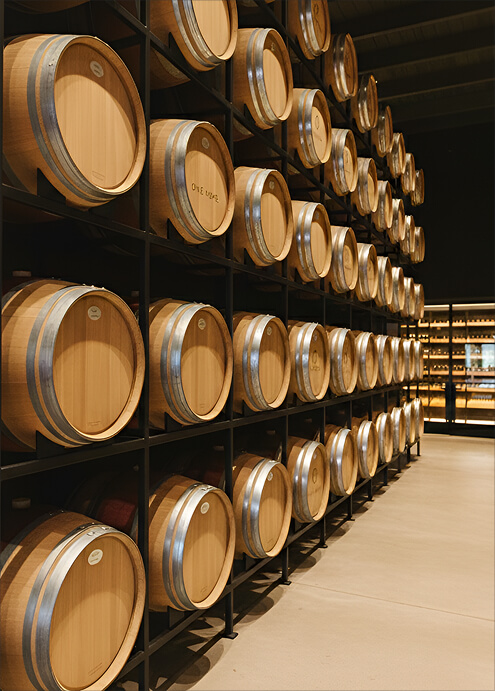
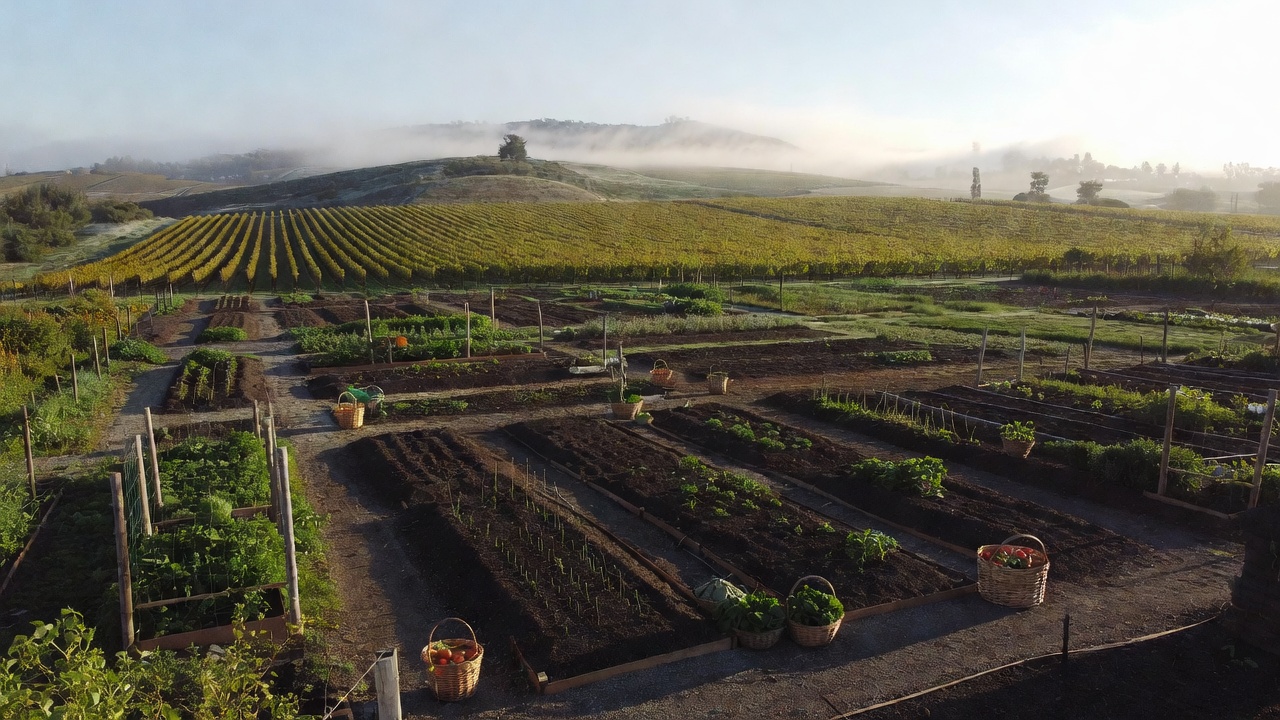
Most people come to Napa to taste what is finished. Fewer come to understand how it gets there.
For travelers interested in food systems, supply chains, and sustainable sourcing, Napa Valley tells a deeper story than what ends up on the plate. This is a region where distance to producer is not measured in miles, but in minutes. Farms, vineyards, kitchens, and markets operate in a compact loop where accountability is unavoidable.
Spend a few days here with that lens and you start noticing things differently. Menus read like maps. Harvest timing shapes conversations. Even something as familiar as Rutherford Dust stops being a romantic phrase and starts feeling like infrastructure. Napa becomes less about indulgence and more about understanding how a working food system holds together.
What This Experience Is Really About
This is systems thinking experienced through taste.
Napa operates as a high accountability agricultural ecosystem shaped by the 1968 Agricultural Preserve. That decision locked in production over development and created a valley where food, wine, and land use are inseparable.
Visitors focused on supply chains often find themselves learning about:
Hyper local sourcing models that shorten or eliminate traditional transport
Seasonal menu decisions driven by what is harvested that morning
The economics of small batch agriculture in a premium growing region
Regenerative loops where waste becomes input through compost, livestock feed, or soil amendment
Here, food does not travel far and it rarely changes hands without intention.
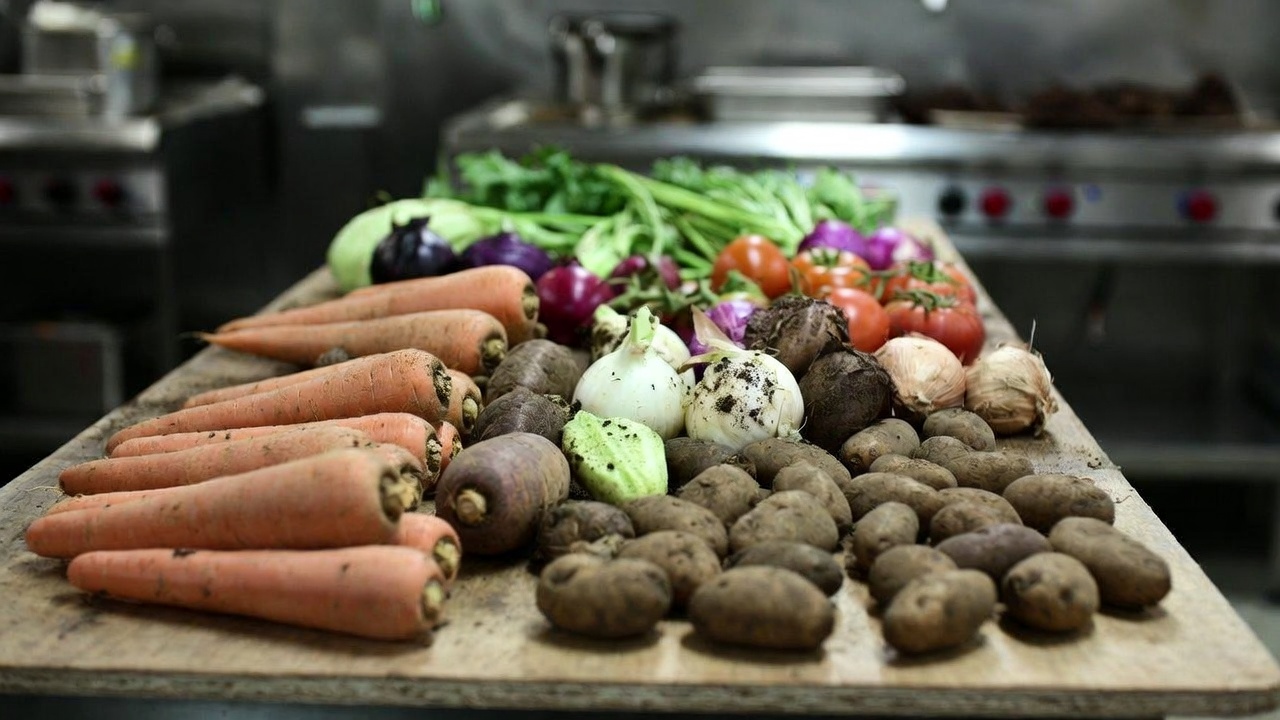
Where the System Becomes Visible
Napa’s geography dictates how its food system works.
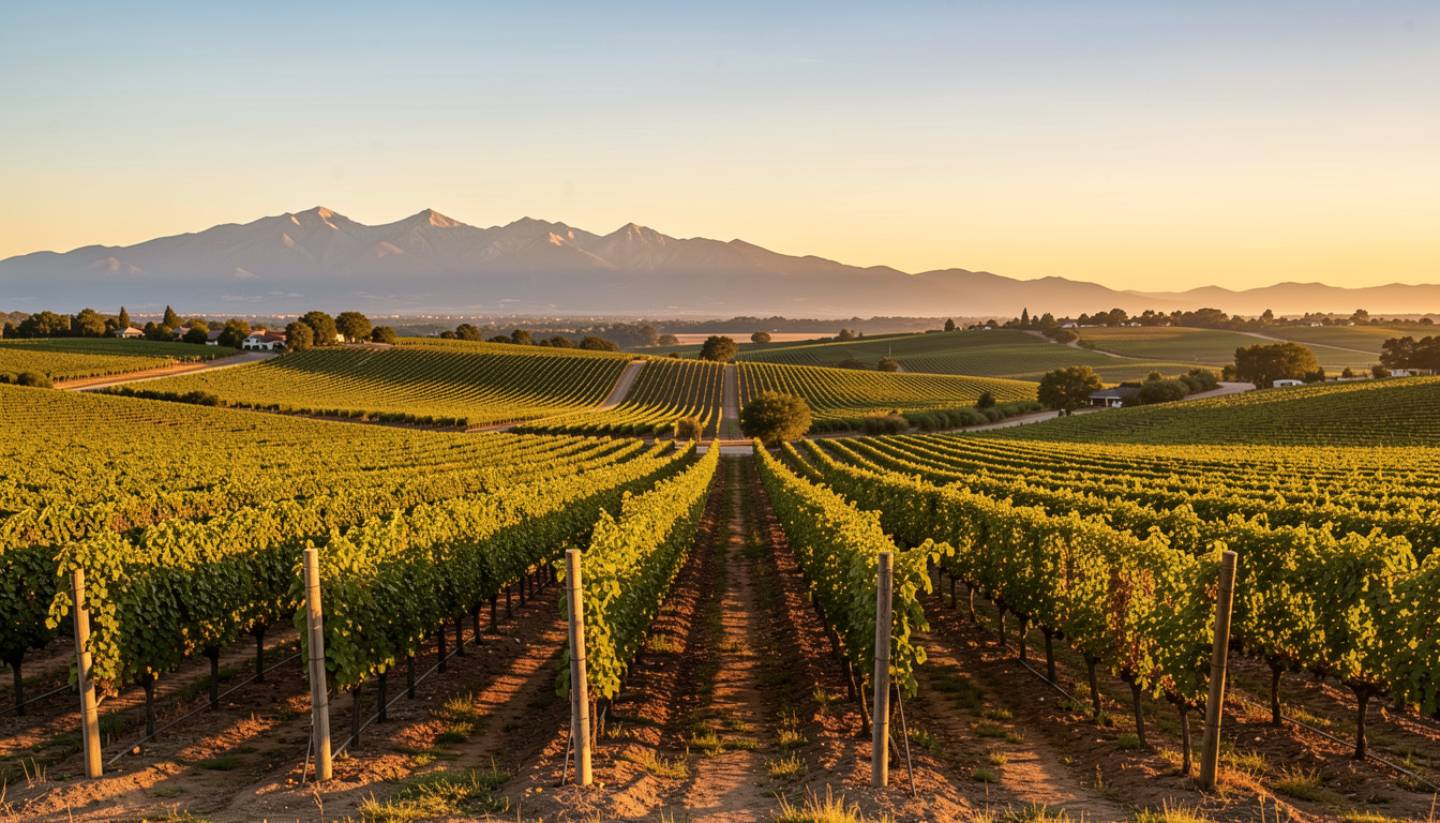
On the valley floor in Oakville and Rutherford, deep benchland soils support gardens and vineyards that feed nearby kitchens often within the same day. North valley around St. Helena and Calistoga operates on a truer agrarian rhythm where livestock, orchards, and row crops coexist. In Carneros, the cooler marine influence extends growing seasons and allows for crop diversity that looks very different from the sun soaked north.
The closer you stay to the land, the more transparent the system becomes.
My Local Notes
Growing up here, I learned that food conversations start long before anyone sits down. They happen on loading docks, in vineyard rows, and during quiet shoulder seasons when there is time to talk instead of perform.
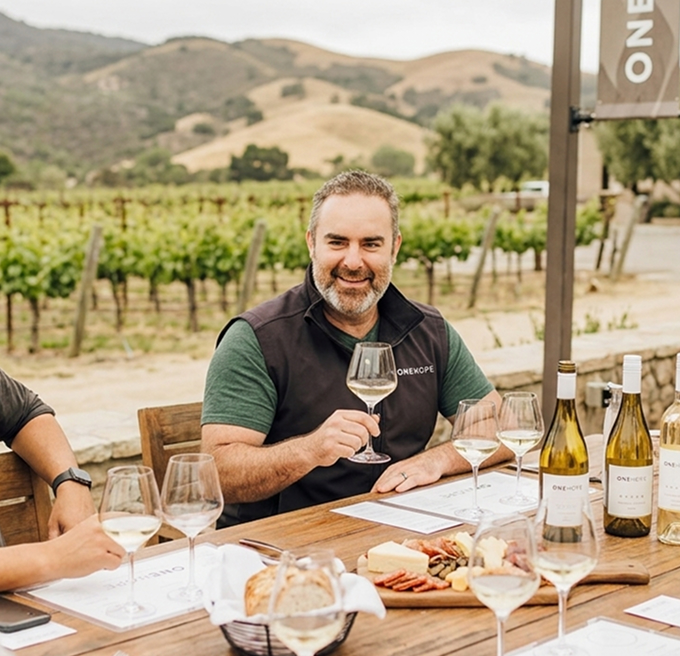
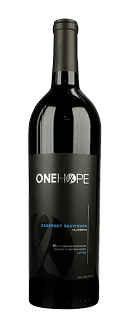
I remember helping a local grower deliver produce early one morning and then seeing those same ingredients plated across the valley that night. That loop stayed with me. It made food feel accountable. You could trace flavor back to a field and timing back to weather.I will admit a small bias. At ONEHOPE Winery at Estate 8, food and wine were always meant to be part of a larger system. The land informs the kitchen, sourcing decisions are intentional, and hospitality is built around shortening the distance between guest and ground. It is very much my baby and a reflection of how I believe Napa works best.
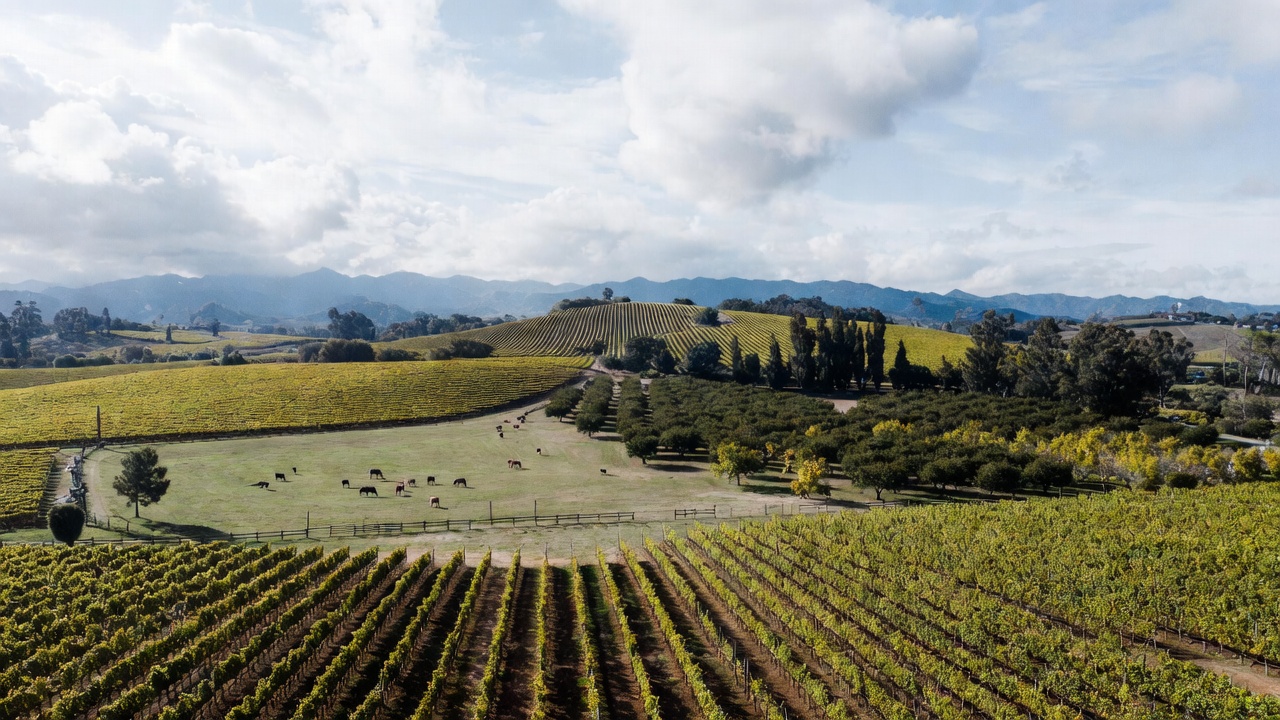
How to Visit with a Food Systems Lens
Choose places that grow something. Restaurants with gardens or direct farm partnerships reveal more than menus ever will.
Ask supply chain questions. Where does this come from. How often does it change. What happens when a crop fails.
Visit midweek. Chefs and farmers have more space for conversation when service pressure drops.
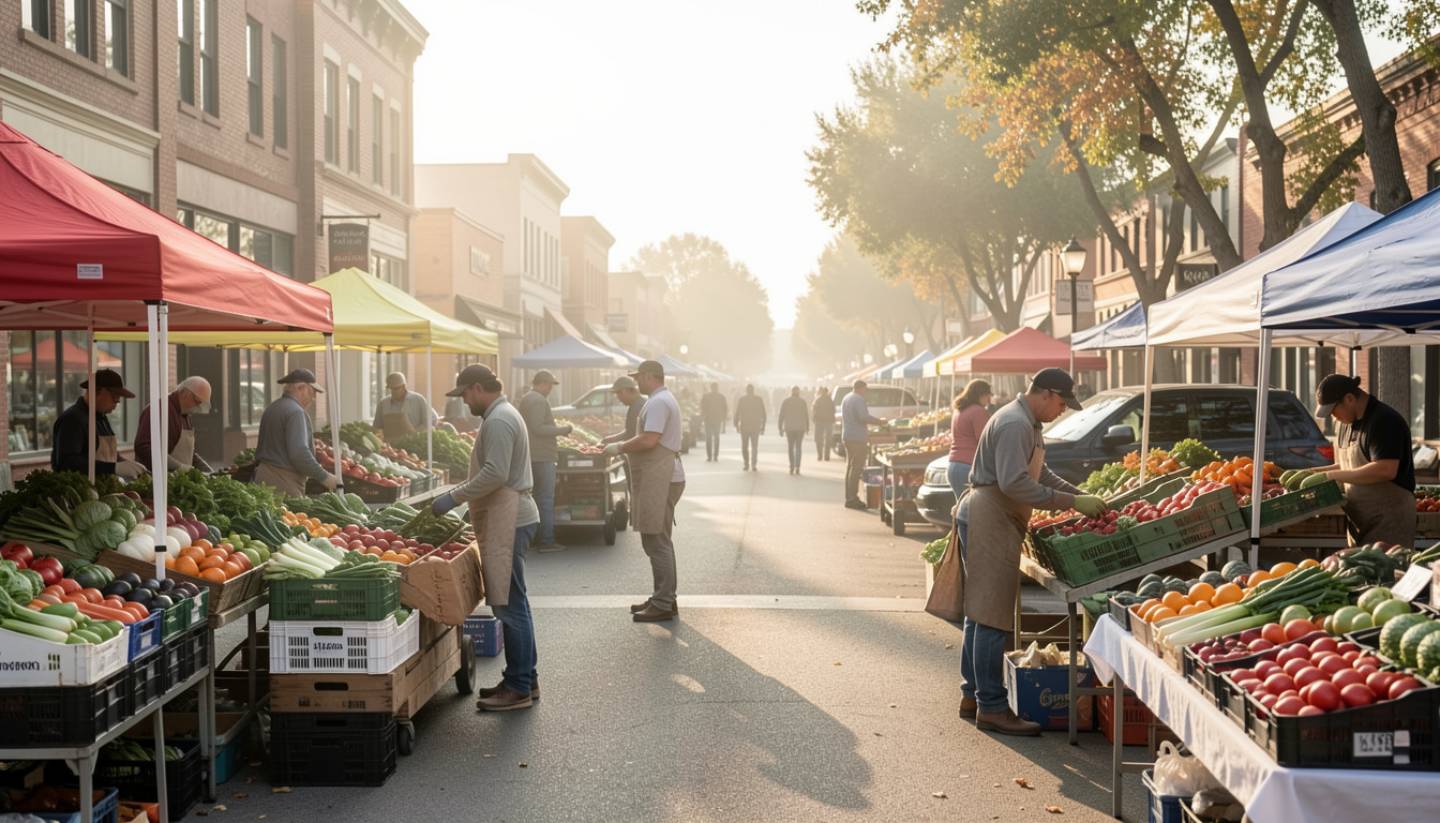
Spend time outside peak dining hours. Morning markets, prep time, and farm walks show more than dinner service.
Where to Eat and Learn
Farmstead at Long Meadow Ranch remains the clearest example of a closed loop system where farming, processing, and dining exist side by side.
The Charter Oak practices restraint and elemental cooking that allows sourcing and seasonality to lead the experience.
Brix pairs vineyard views with a garden driven menu that shifts quietly with the valley’s growing cycles.
Look for places where menus change without explanation. That usually means the system is working.
Small Histories
Napa’s food system evolved out of necessity. Early families grew what they ate and preserved what they could not immediately use. That logic never left. Modern kitchens may look refined, but the foundation is still practical.
When fires, droughts, or supply disruptions hit, Napa adapts because its food system is based on neighbors, not global logistics.