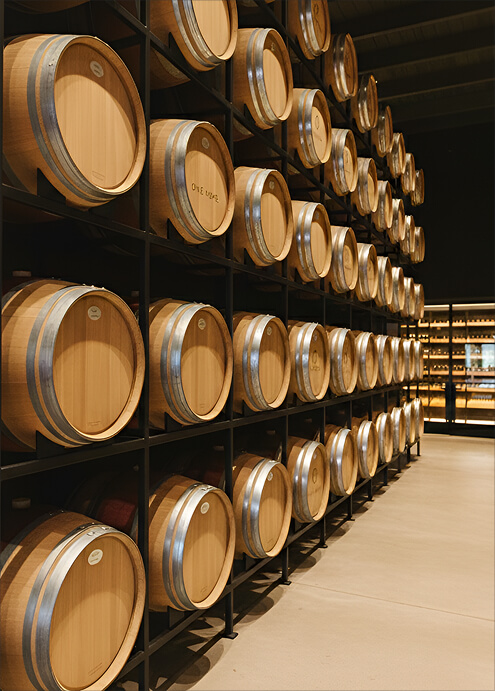
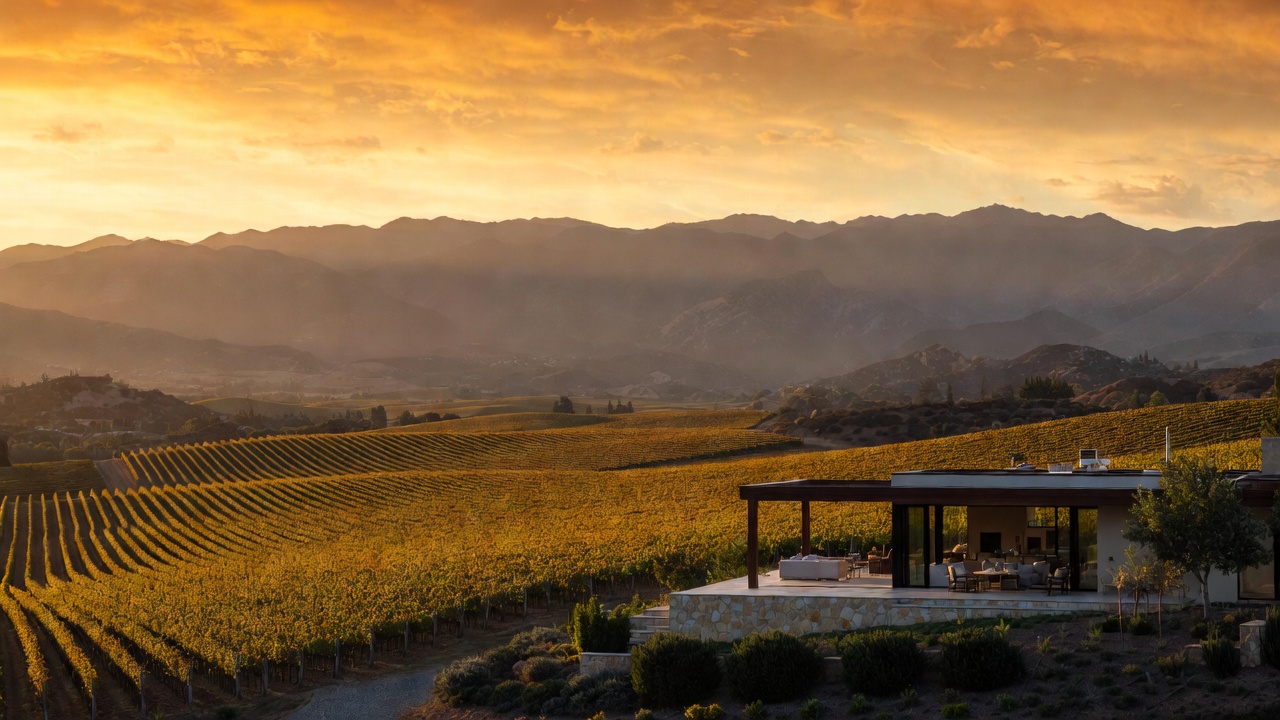
Some couples come to Napa Valley to celebrate an anniversary. Others come because they are about to design the house they will grow into.
I was raised here. Long before Estate 8 or ONEHOPE, before I understood hospitality strategy or vineyard management, I understood how buildings sit on land. I watched barns weather through harvest after harvest. I saw which homes felt grounded and which felt like they had been placed without listening to the terrain.
If you are designing your future home together, Napa Valley is not just romantic scenery. It is a working case study in restraint, proportion, material honesty, and the discipline of building for light rather than ego.
This valley does not reward excess. It rewards alignment.
What Napa Teaches Couples About Building
1. Design for Light, Not Just Views
In Napa Valley, orientation is everything.
Morning light rises over the Vaca Range. Afternoon heat leans in from the Mayacamas. Fog settles lower in Carneros and parts of Oak Knoll. Homes that endure are positioned intentionally to manage those patterns.
Drive Silverado Trail early, ideally before 10 am. Notice how the most thoughtful vineyard homes sit back from the road and face inward toward vineyard blocks. Privacy is designed. Drives curve. Landscaping buffers sound and wind.
The lesson is simple. Design for how the home feels at 7 am and 5 pm, not just how it photographs at noon.



2. Material Honesty and Aging Well
Napa architecture respects time. Materials are chosen for how they weather.
You will see:
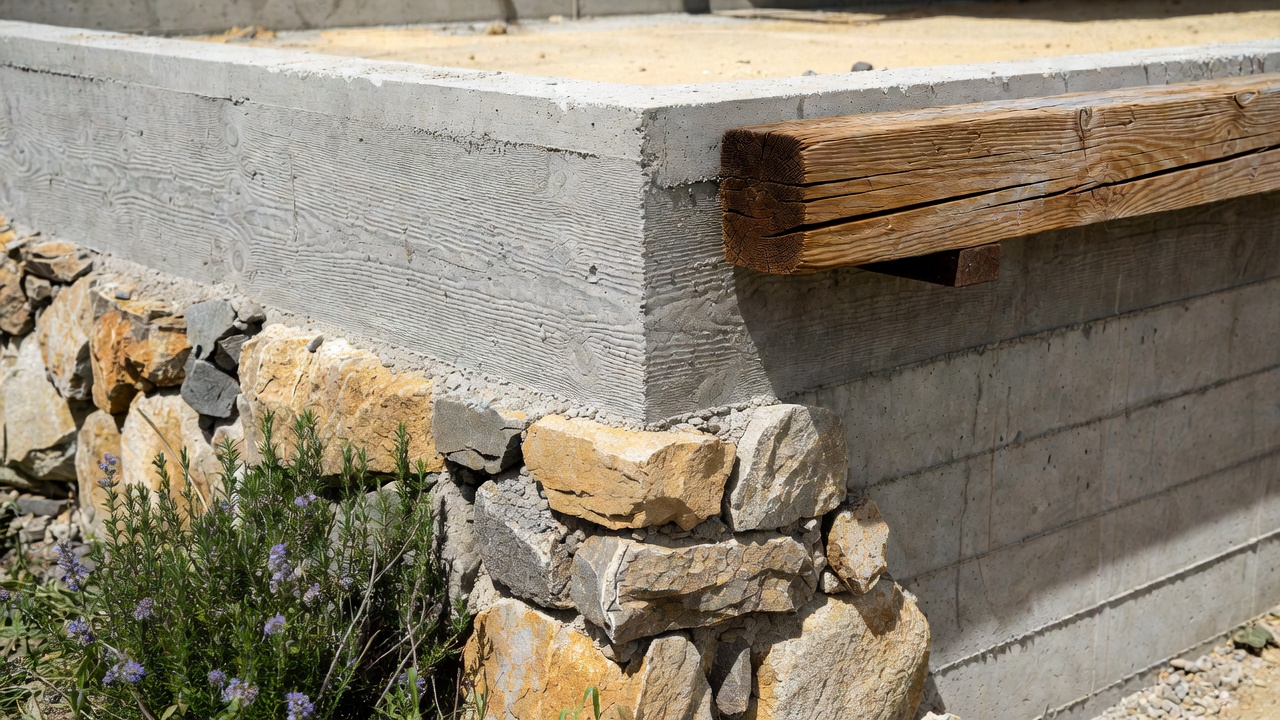
- Native stone that deepens in tone
- Reclaimed wood beams that carry history
- Board formed concrete with texture
- Steel accents that patina instead of shine
Walk Main Street in St. Helena. Study the historic masonry storefronts. Then drive five minutes into the vineyards and look at contemporary estates. Different eras. Same principle. Materials should improve with age.
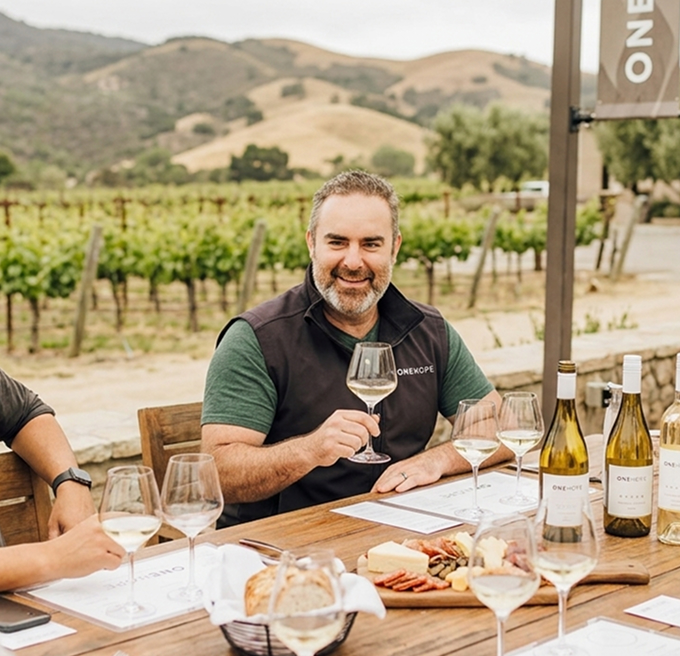
At Estate 8, we approached design the same way. Stone was selected to anchor the structure visually into the landscape. Outdoor spaces were treated as permanent rooms, not add ons. When couples visit for tastings, they often comment more on the terrace flow and sightlines than the wine. I take that as a compliment. Good design should make you exhale before you realize why.
A Short Personal Micro Story
A few years ago, I walked a Rutherford hillside parcel with a couple who were designing their first custom home. They were locked into square footage debates and dramatic ceiling heights.
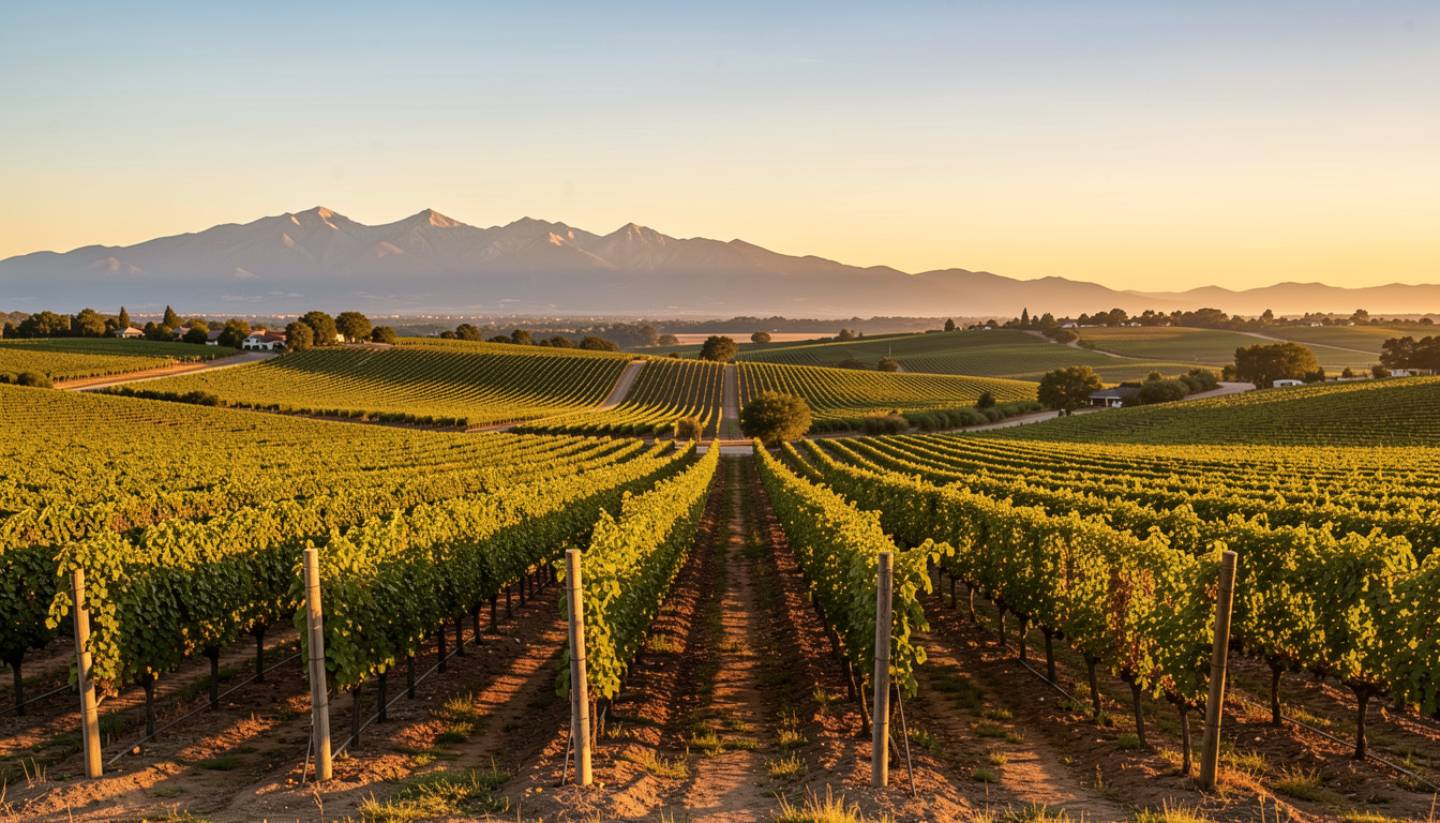
We stopped near the edge of a vineyard block just before sunset. The Cabernet light filtered through the rows and cast long shadows across a gravel path leading to a small stone outbuilding.
The husband went quiet and said, “I want our house to feel like this at five o’clock.”
That single sentence shifted the entire conversation. They stopped asking how big the house should be and started asking where the living room should face.
That is Napa design thinking.
Geographic Study Stops for Couples
Yountville: Human Scale and Courtyard Living
Located between Napa and St. Helena, Yountville is a masterclass in proportion.
Walk Washington Street in the early evening. Study how boutique hotels and tasting rooms create intimacy with low garden walls, layered landscaping, and warm lighting. Outdoor spaces feel intentional and permanent.
If you are questioning how much space you truly need, Yountville quietly argues for connection over volume.
Pair your walk with dinner at Bistro Jeanty or RH Yountville. Observe how dining rooms transition to patios without abrupt thresholds.
St. Helena: The Modern Farmhouse Blueprint
St. Helena blends agricultural heritage with contemporary refinement.
Drive just off Main Street toward the residential blocks near Madrona Avenue. You will see metal roofs, barn inspired silhouettes, vertical wood siding, and stone foundations. Many homes sit slightly elevated from the valley floor, a practical choice to manage frost pockets and airflow.
Have lunch at Farmstead at Long Meadow Ranch. Notice how the barn structure integrates gardens, dining, and open air seating. It is hospitality design rooted in agriculture.
Rutherford and Silverado Trail: Estate Orientation
The Rutherford Bench is one of the most architecturally instructive stretches in the valley.
Here, vineyard estates are designed to capture western light while maintaining privacy from Highway 29. Gravel drives, olive trees, and long axial approaches are common.
If you schedule a seated tasting along Silverado Trail, use the visit as an opportunity to study how structures relate to vineyard rows. The alignment is rarely accidental.
Calistoga: Sanctuary Design
At the northern end of the valley, Calistoga leans into horizontal lines and inward facing compounds.
Courtyards anchor properties. Plunge pools and shaded terraces create privacy even when views extend toward the Palisades. Materials remain tactile and grounded. Stone, cedar, and glass are used with restraint.
For couples considering a retreat style home, Calistoga provides a clear design language.
Indoor Outdoor Living: The Napa Signature
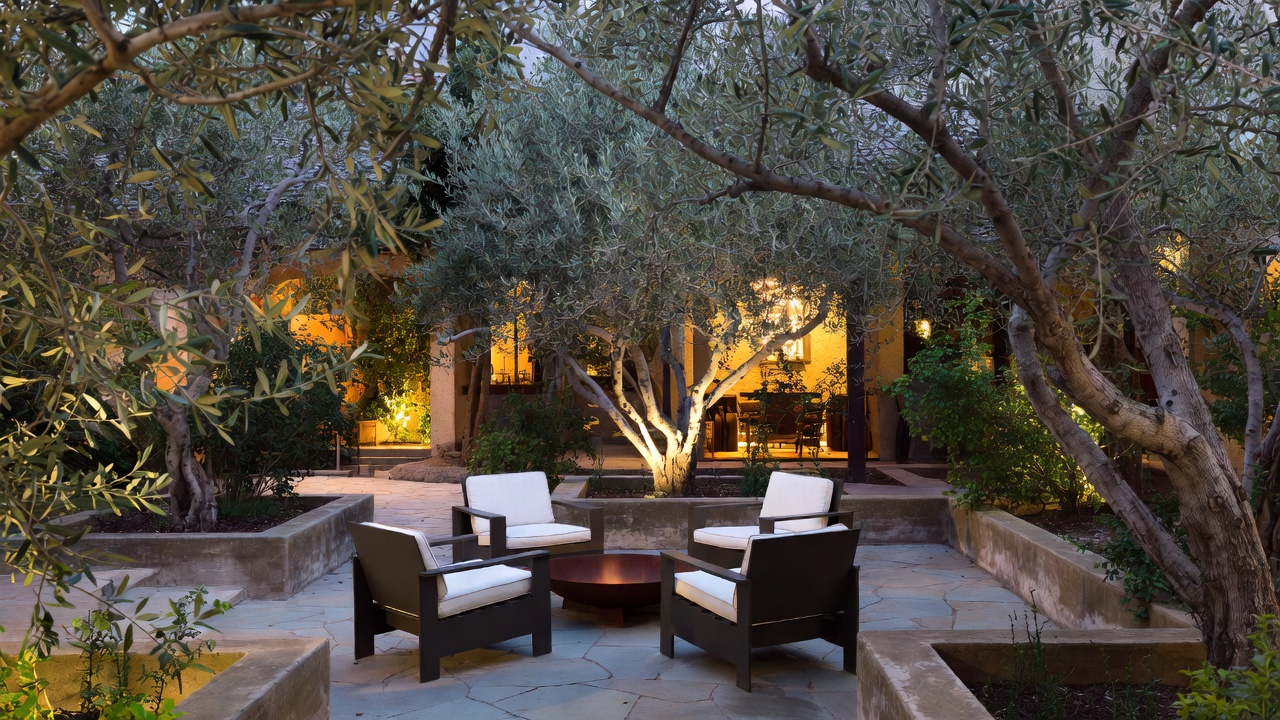
If there is one architectural takeaway from Napa Valley, it is the importance of transition space.
Covered patios are primary rooms. Large sliding doors align precisely with vineyard sightlines. Outdoor kitchens are built with the same intention as interior kitchens.
When designing Estate 8, we spent an extraordinary amount of time thinking about how guests move from interior tasting spaces to the terrace overlooking the vines. That flow is not accidental. It is choreographed through material continuity, sightlines, and scale.
Couples designing their future home should think in terms of movement, not just rooms.
Suggested Design Focused Itinerary
Morning:
Drive Silverado Trail from Napa to St. Helena. Observe estate orientation and landscape buffers.
Lunch:
Farmstead at Long Meadow Ranch for a study in barn architecture and integrated gardens.
Afternoon:
Walk residential streets off Main Street in St. Helena. Note rooflines, setbacks, and material combinations.
Evening:
Sunset in Rutherford or Calistoga to study how light lands on façades and terraces.
Keep your schedule light. Architectural insight requires time to absorb.