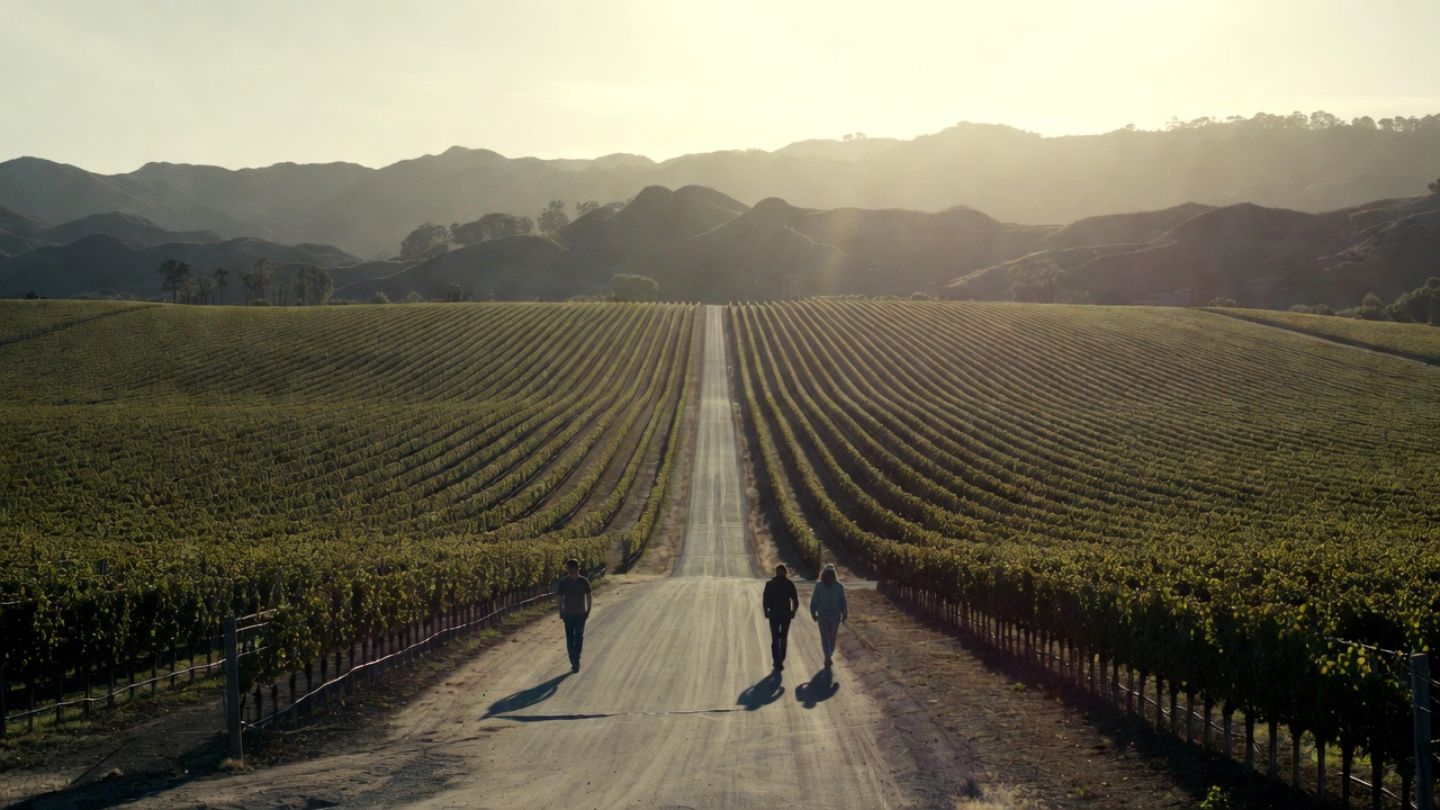
If you live in Contra Costa County, walking landscapes is already second nature. You know the texture of dirt paths at Briones, the way morning light stretches along the Iron Horse Trail, and how a place reveals itself step by step instead of mile by mile. Napa Valley speaks that same language when you experience it on foot.
For walkers coming from Walnut Creek, Pleasant Hill, or Danville, Napa is not about driving from tasting to tasting. It is about slowing down enough to notice vine spacing, subtle changes in soil underfoot, and the quiet rhythm of a working vineyard. This is Napa at walking speed, where the land does most of the talking.
What This Experience Is Really About
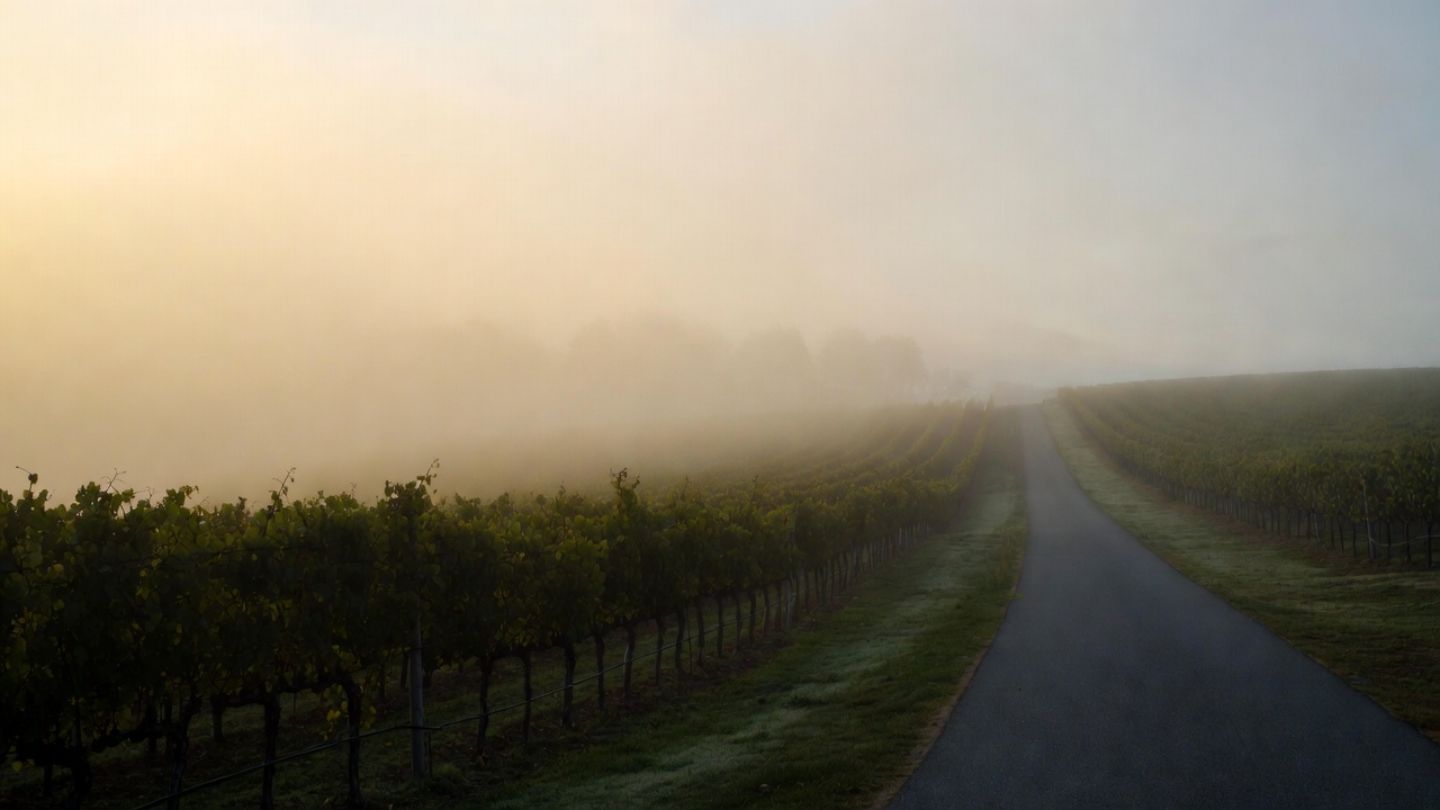
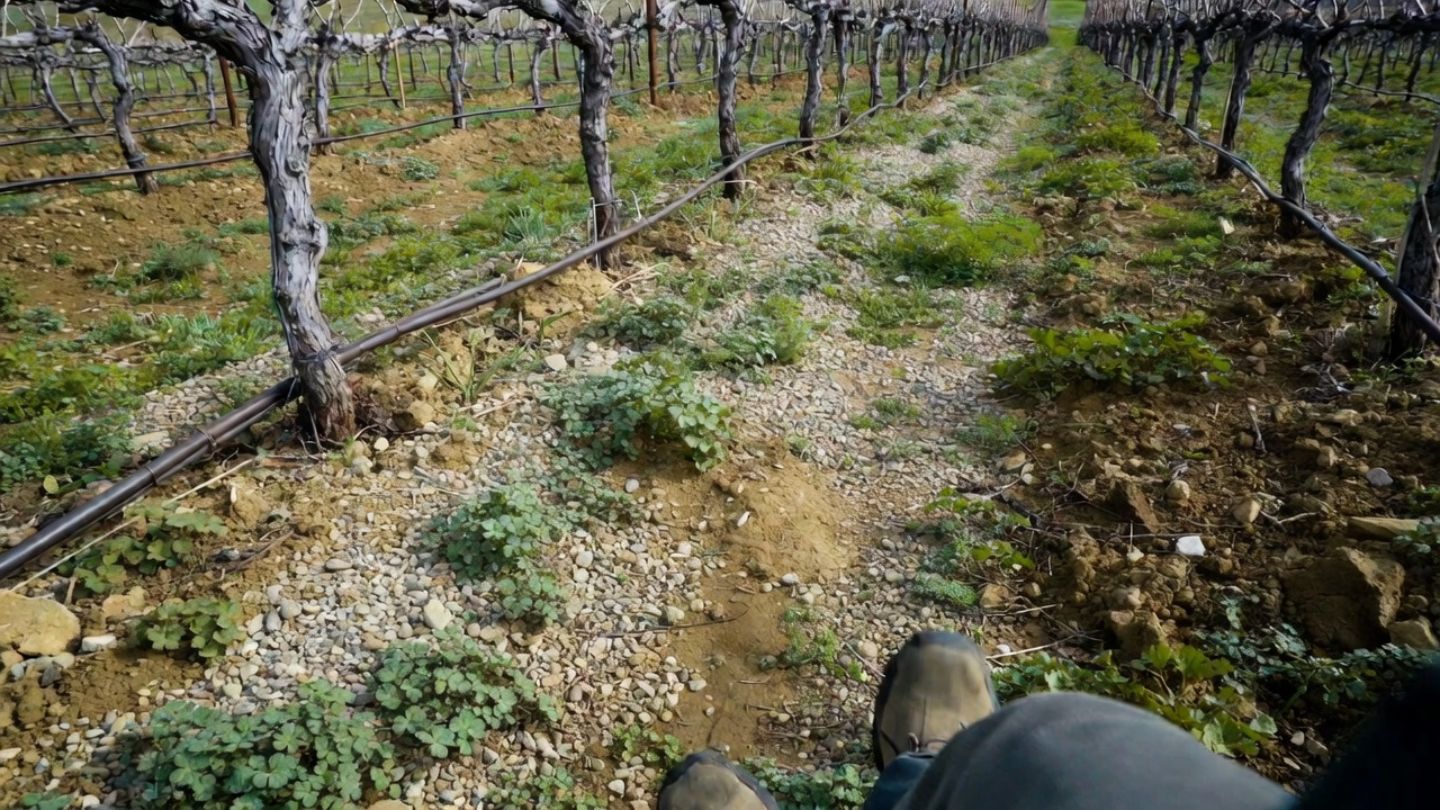
Walking Napa changes your relationship with wine country. From the car, vineyards feel orderly and distant. On foot, they feel alive. You hear wind move through the canopy, smell crushed gravel and wild fennel, and notice how one block of vines behaves differently than the next.
This is where Napa reveals its truth. Vineyards are not scenery. They are farms. Walking slows you down enough to see frost fans, cover crops, irrigation lines, and the small details that explain why wines taste the way they do.
For Contra Costa walkers, this feels familiar. Napa stops feeling like a destination and starts feeling like a landscape you are moving through with intention.
Where Vineyard Walking Works Best
Yountville and the Napa Valley Vine Trail
This is the most accessible walking zone in the valley.
Why It Works:
Flat terrain, long sightlines, and continuous vineyard frontage paired with culinary gardens and quiet residential stretches.
Local Directional Cue:
Park once near Washington Street and access the Vine Trail heading north toward Yountville Cross Road. Several sections run directly alongside Cabernet Sauvignon and Merlot blocks.
Insider Timing:
Early morning from 7:00 to 9:00 feels almost private, before bakery lines form and tasting rooms open.
St. Helena Side Roads and Estate Perimeters
North of town, the valley narrows and traffic thins.
Why It Works:
Wider shoulders, longer vineyard setbacks, and a sense of agricultural scale that still defines old Napa.
Directional Cue:
Walk near Zinfandel Lane, Niebaum Lane, or the western edges of Highway 29 where estates sit farther back from the road.
Local Vocabulary:
This is Rutherford Bench territory, where gravelly soils drain fast and vine roots push deep. Locals talk about Rutherford Dust here, not as a flavor note, but as a condition of place.
Carneros Vineyard Edges
Southern Napa offers a very different walking experience.
Why It Works:
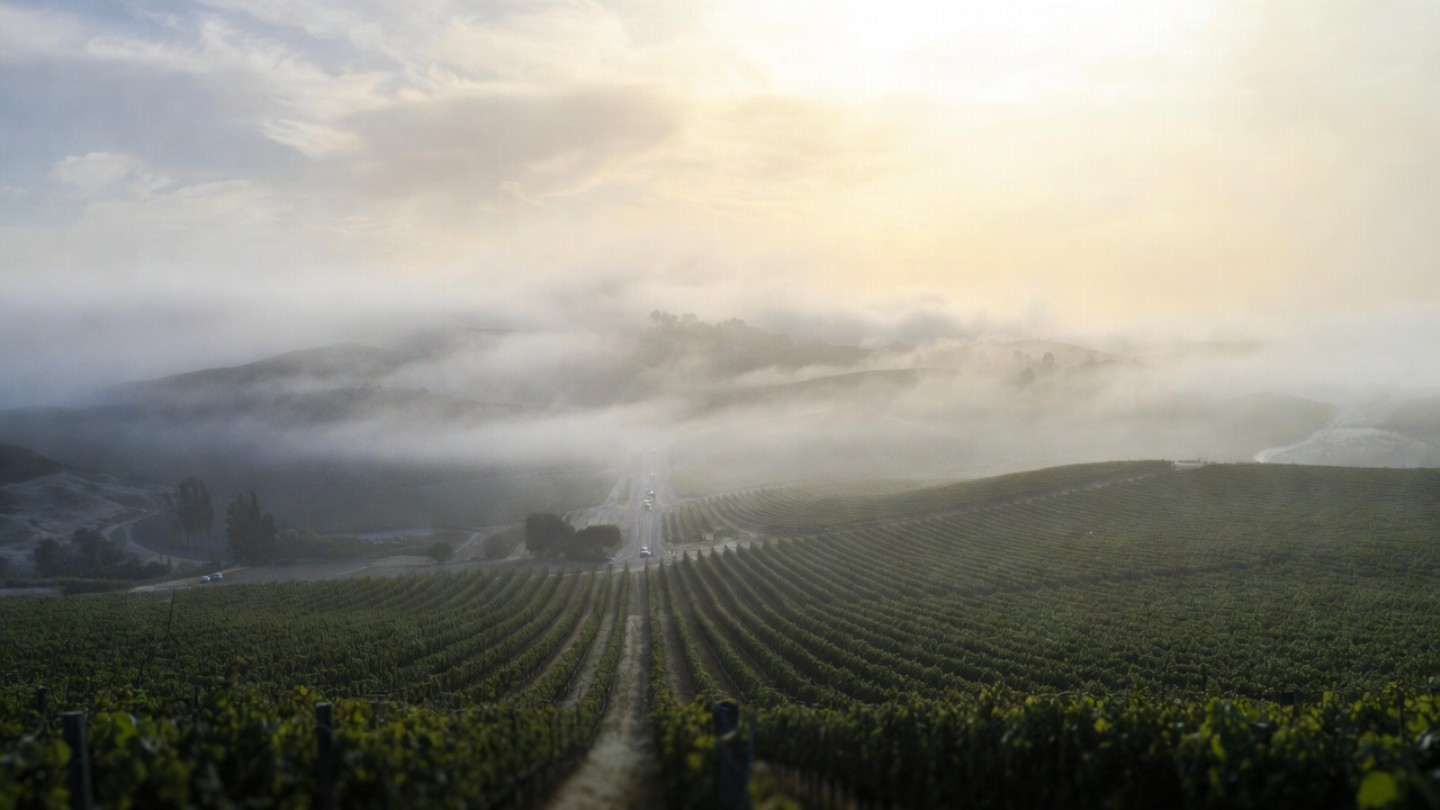
Rolling terrain, cooler air, and constant movement from bay winds and fog.
Best Time:
Late morning once fog lifts but before afternoon winds build.
Seasonal Note:
Spring walking here delivers some of Napa’s most dramatic contrast between bright green vines, dark soils, and low clouds.
Walking Tours and Open Estate Experiences
To step inside vineyard rows legally and meaningfully, look for wineries that lead with education.
What to Look For:
- Experiences described as vineyard walks, farm walks, or estate tours
- Small groups that allow for conversation and a slow pace
- Tastings that begin outdoors rather than at a bar
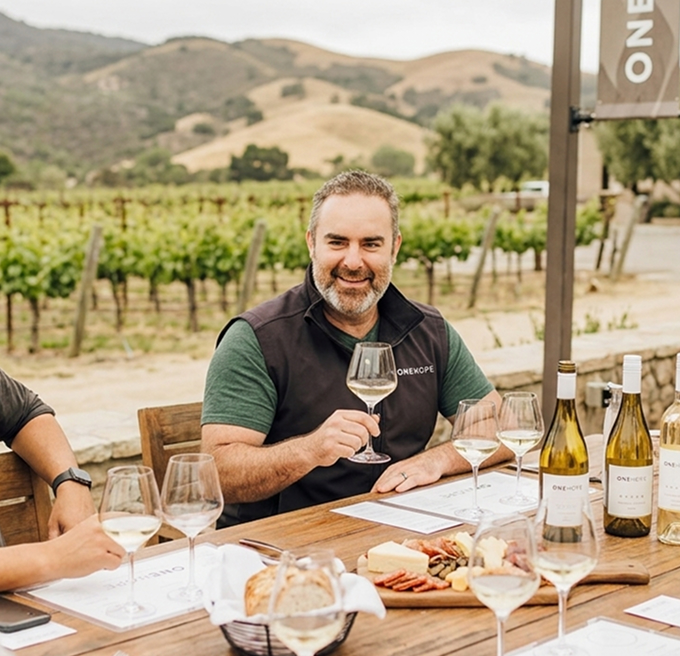
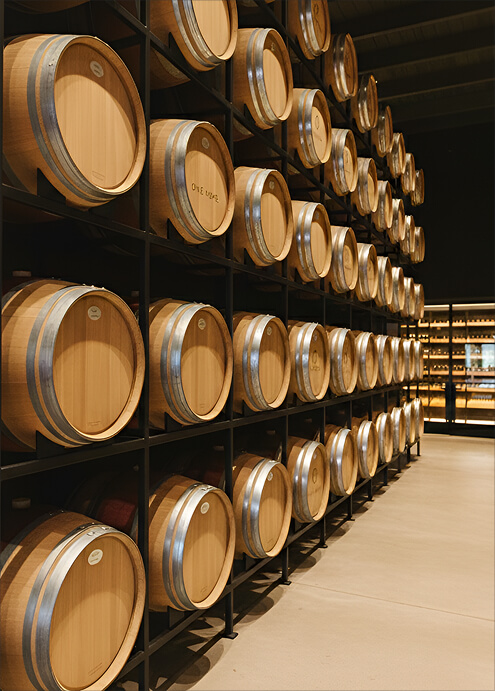
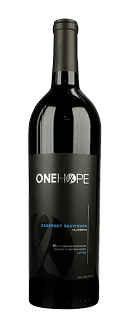
When guests visit Estate 8, I almost always encourage them to start by walking the property. ONEHOPE was built around the idea that understanding the land first changes how wine is experienced later. I am biased. This valley is my home. But the glass makes more sense once your feet know the ground.
How to Plan a Walking Focused Napa Day
Late Morning Arrival
Aim for around 10:00. The light is still soft and the temperature manageable.
One Walk, One Tasting
Pair a meaningful vineyard walk with a single seated tasting. Resist stacking appointments.
Midday Reset
Take a long lunch in Yountville or St. Helena to let your senses reset.
End with a Trail
Finish with a sunset stroll on the Vine Trail as light settles across the Vaca Range.
A Short Personal Micro Story
Some of my earliest memories in Napa involve walking vineyard rows with family members who measured seasons by feel rather than calendar dates. You learn quickly that the land speaks quietly. When visitors walk the grounds at Estate 8, the tone always shifts. People ask better questions. They listen longer. I am biased because this place raised me, but Napa has always made the most sense to me one step at a time.