If you are coming over from Contra Costa County with a love for history, Napa reveals itself slowly and honestly.
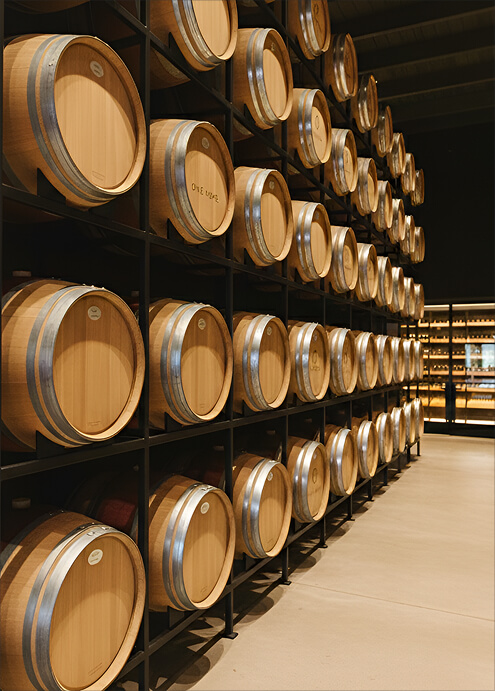
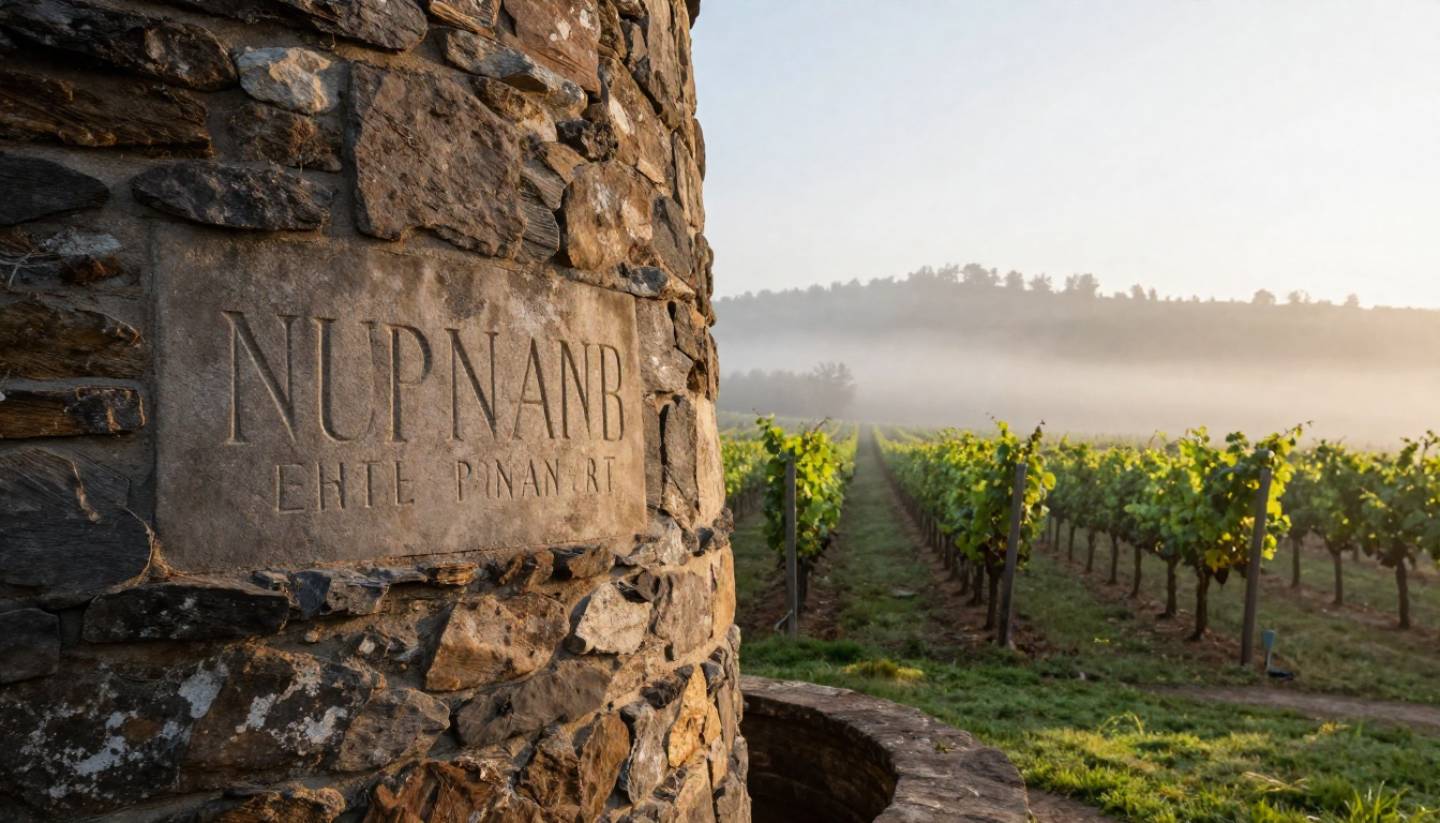
This valley is often described through vintages and views, but long before tasting rooms and reservation calendars, Napa was a working agricultural place. It was shaped by immigrant families, farmers, and builders who learned the land season by season, mistake by mistake. For history lovers, the most meaningful Napa moments are not loud. They live in stone wineries with dates carved into their walls, family plots tucked behind vineyard rows, and roads that still follow the logic of farming, not tourism.
Napa rewards visitors who look backward with the same care they bring forward.
Why Napa History Feels Different
For East Bay travelers familiar with layered places like Martinez or Walnut Creek, Napa’s sense of history feels recognizable. It is agricultural, immigrant-driven, and rooted in continuity rather than constant reinvention.
- Continuity matters: Many estates remain connected to founding families or long-term stewards
- Architecture tells the story: Gravity-flow wineries, stone cellars, and early cave systems reflect practical innovation
- Landmarks hide in plain sight: Stone walls, vineyard roads, and farm buildings often predate tourism by decades
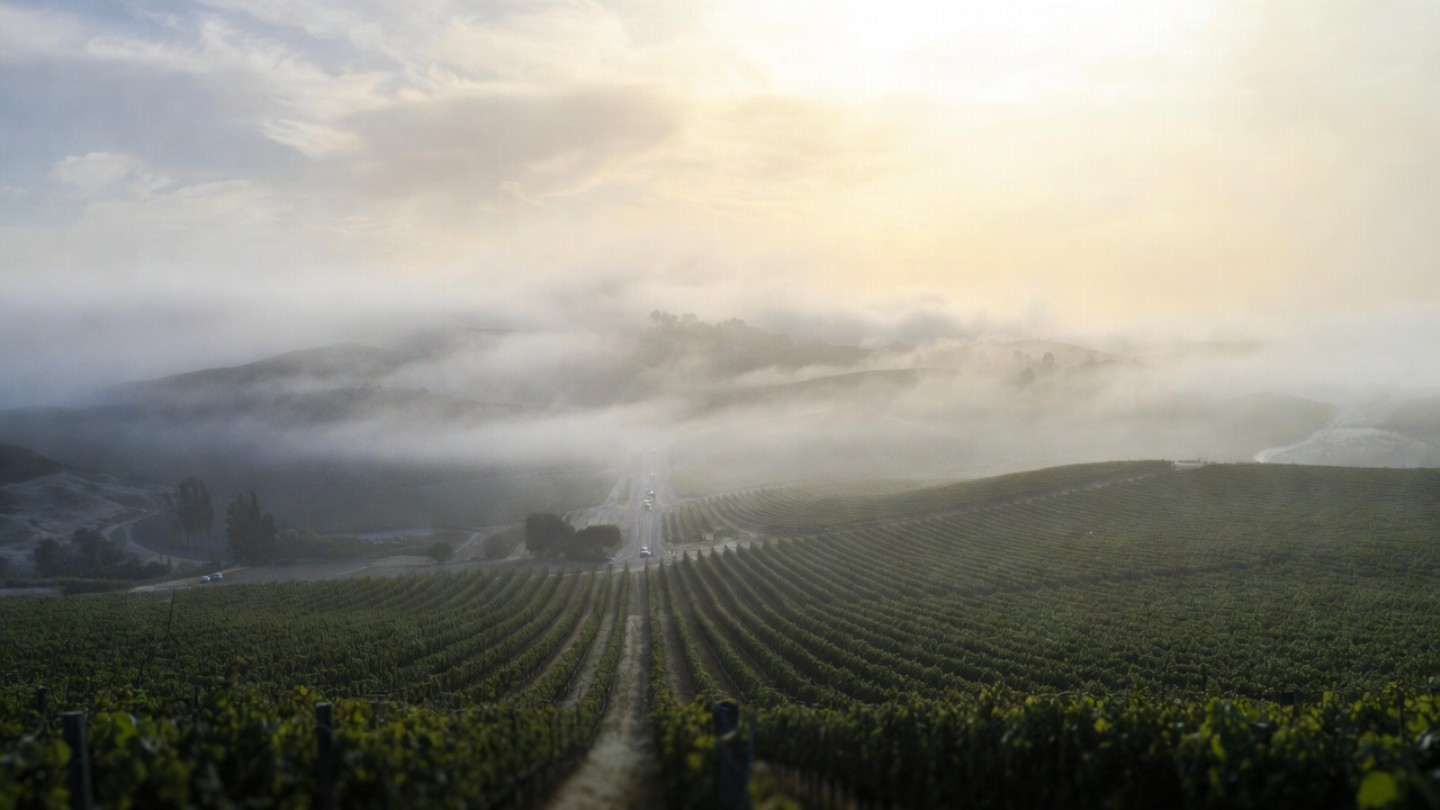
- Time moves slower: Especially in winter, when fog settles low and cellars return to their original quiet purpose
This is history you experience by standing still, not by rushing through.
Historic Places Worth Your Time
Old Line Napa Estates
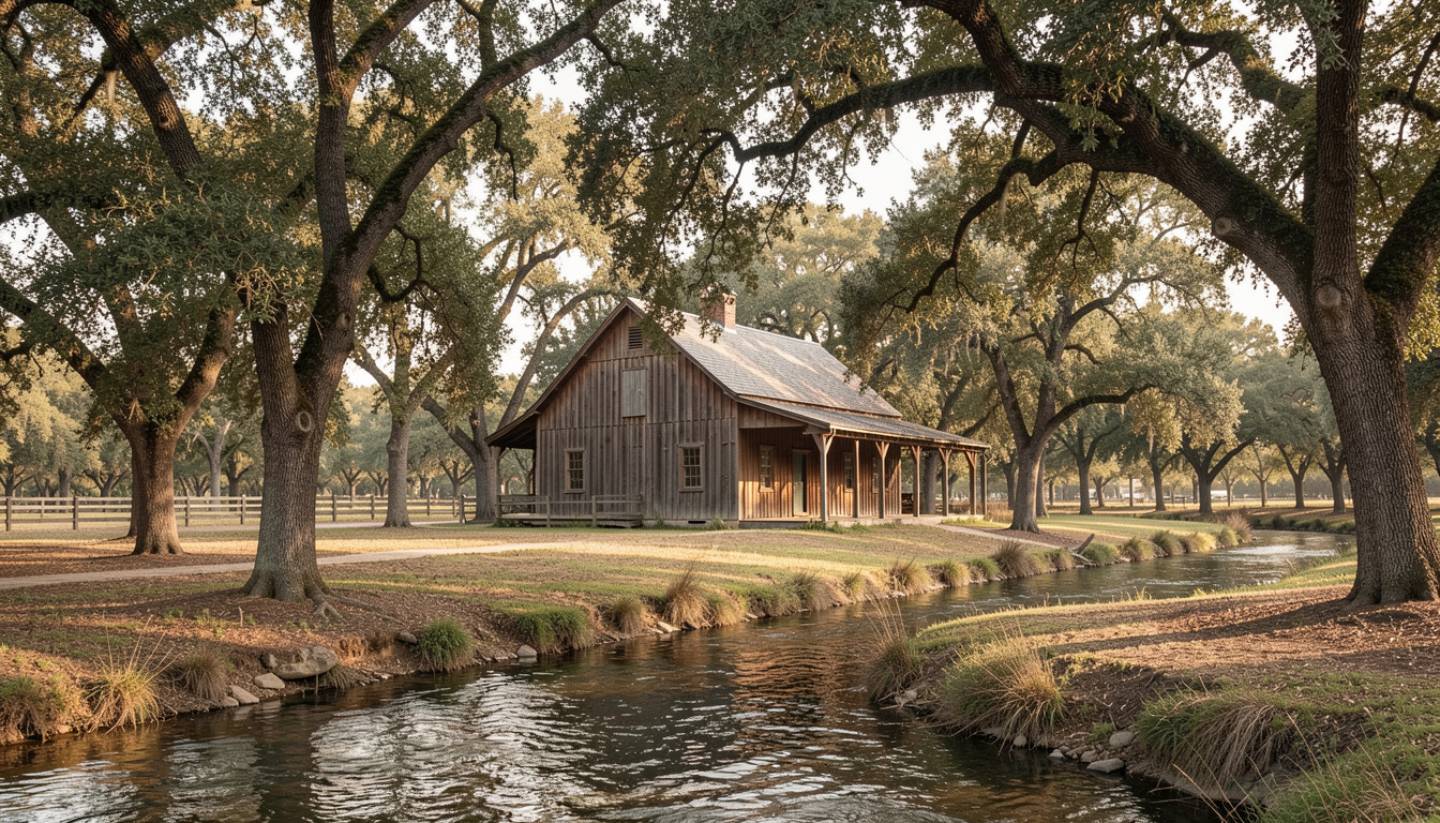
- Inglenook (Rutherford): A foundational Napa estate where architecture, records, and vineyard continuity stretch back to the 19th century
- Beringer (St. Helena): Home to one of Napa’s oldest stone winery complexes and historic cellar spaces
- Charles Krug (St. Helena): A cornerstone property reflecting Napa’s transition from mixed farming to focused viticulture
These estates reward visitors who ask about vineyard blocks, cellar design, and how production looked before modern scale.
Museums and Industrial History
- Bale Grist Mill State Historic Park: Just north of Yountville, this working mill grounds Napa firmly in its agricultural past
- Napa Valley Museum: Focuses on the cultural, artistic, and agricultural evolution of the valley beyond wine alone
Towns with Historic Texture
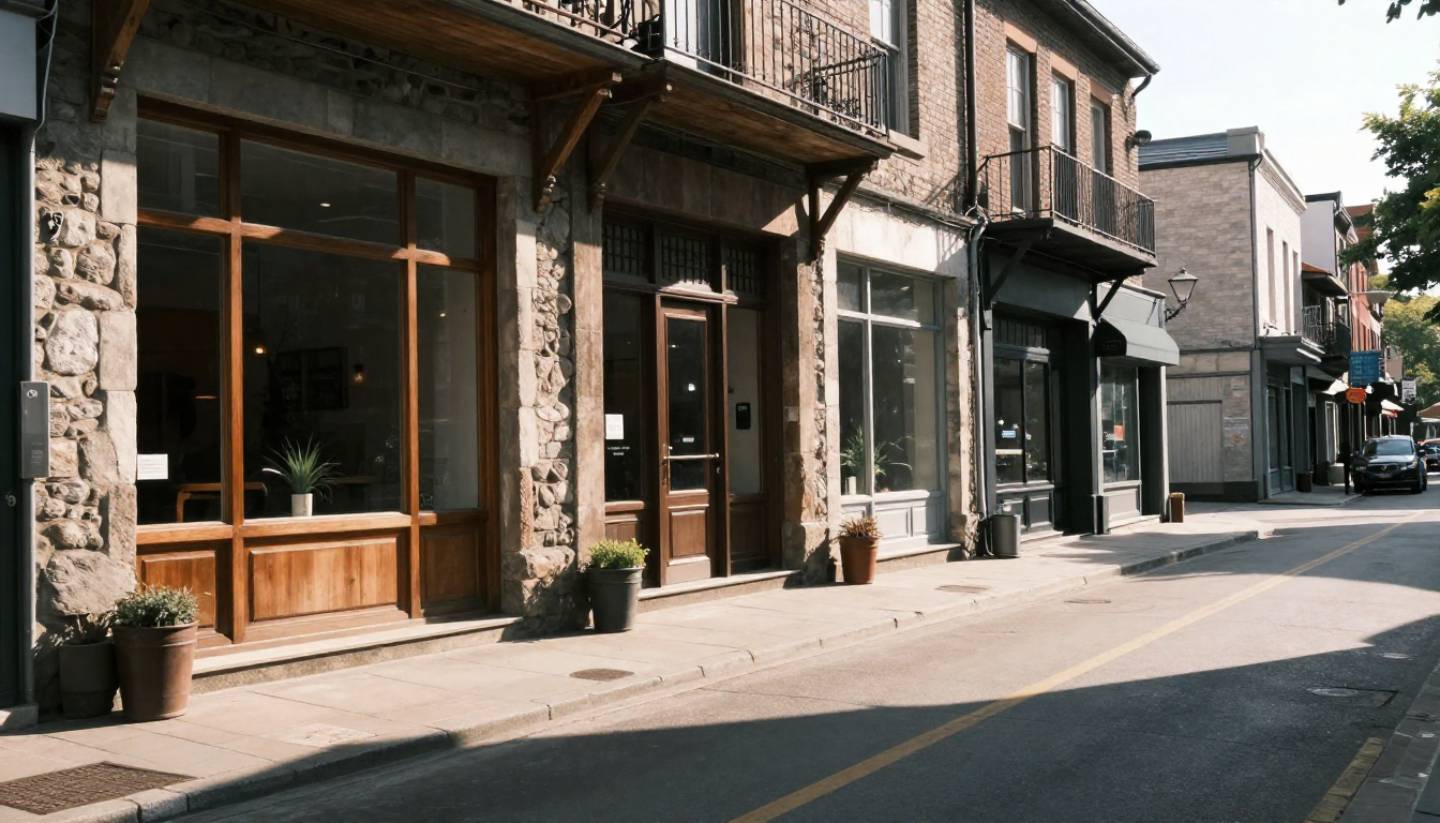
- St. Helena: Main Street still reflects early valley commerce, with stone construction and walkable scale
- Rutherford: Look beyond tasting rooms to find older farm structures and vineyard roads that predate the AVA
- Calistoga: Built around health, water, and rail travel, not wine tourism, with visible ties to its early purpose
When to Visit for a History Focused Trip
- Winter: The most honest season. Quiet roads, open cellars, and unhurried conversations
- Spring: Clear light and green hills reveal architectural detail and land contours
- Midweek: Essential for appointment-only historic estates that reward curiosity
History asks for time. Napa gives it back when you slow down.
A Short Personal Story
Growing up here, history was not something we studied in books. It was something we passed on the way to school. Stone wineries with dates carved into their walls. Vineyards planted before anyone talked about appellations. Those early impressions taught me that Napa was built over decades of patience, not moments of attention, and that the land remembers who took the time to listen.
Where to Stay and Reflect
- Stay: Small, character-driven inns in St. Helena or Calistoga, especially those housed in older buildings
- Eat: The Charter Oak or Farmstead, places that sit comfortably within Napa’s agricultural timeline
- Walk: Early morning along vineyard edges in Rutherford or town outskirts where structures speak louder than signs
A Gentle Note From Home
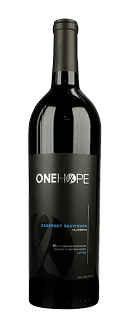
I will admit a bit of bias here. Estate 8 and ONEHOPE exist because I believe Napa’s future works best when it respects its past. We built our home around land, memory, and long-term thinking. History is not something to recreate for visitors. It is something to protect and live alongside.