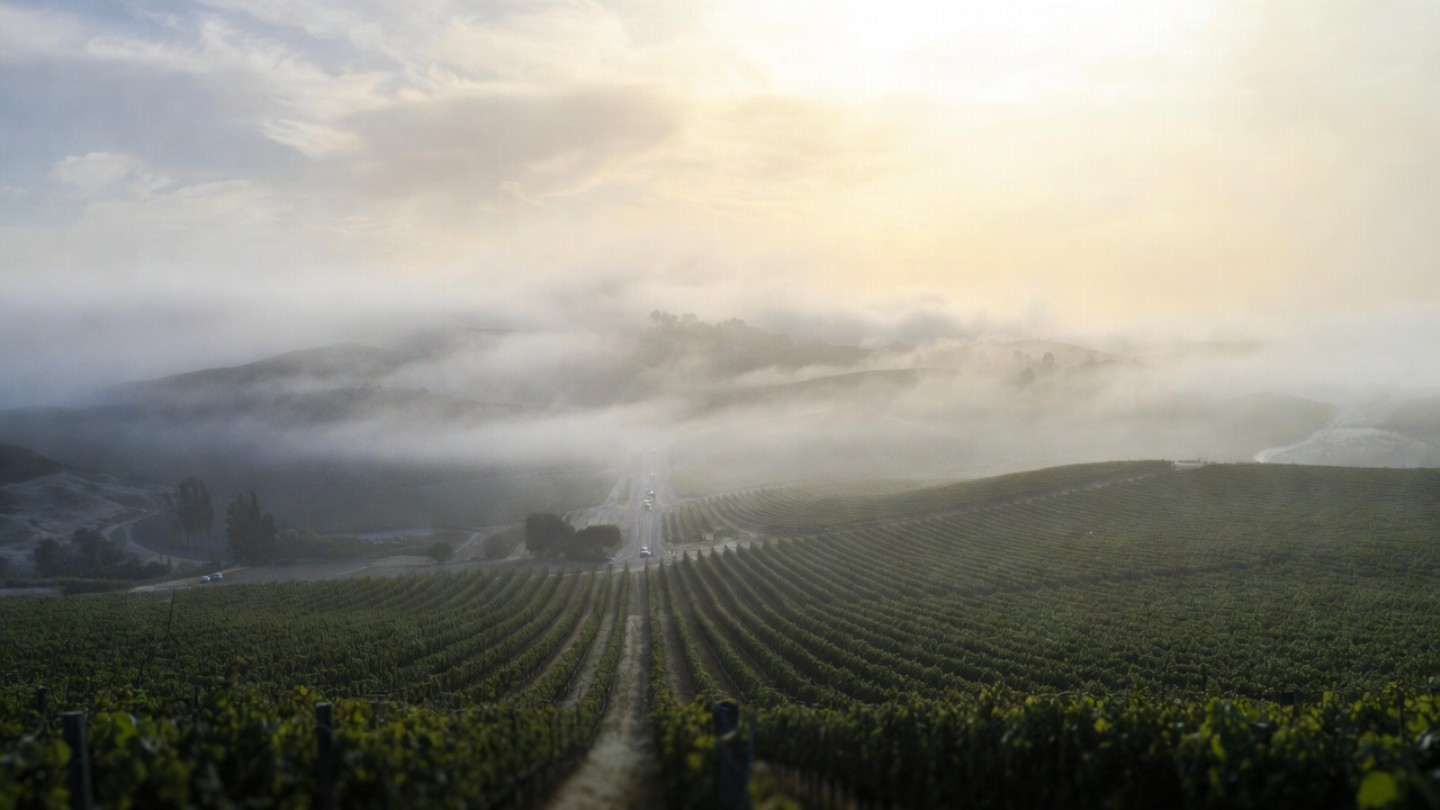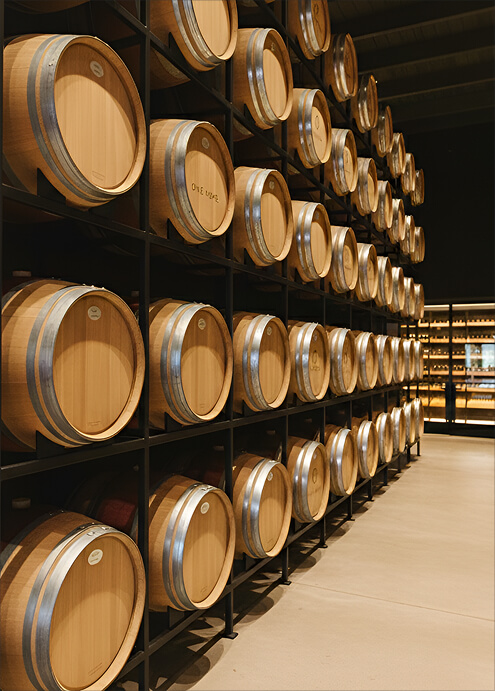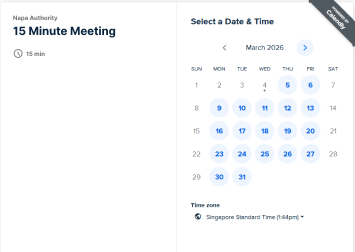
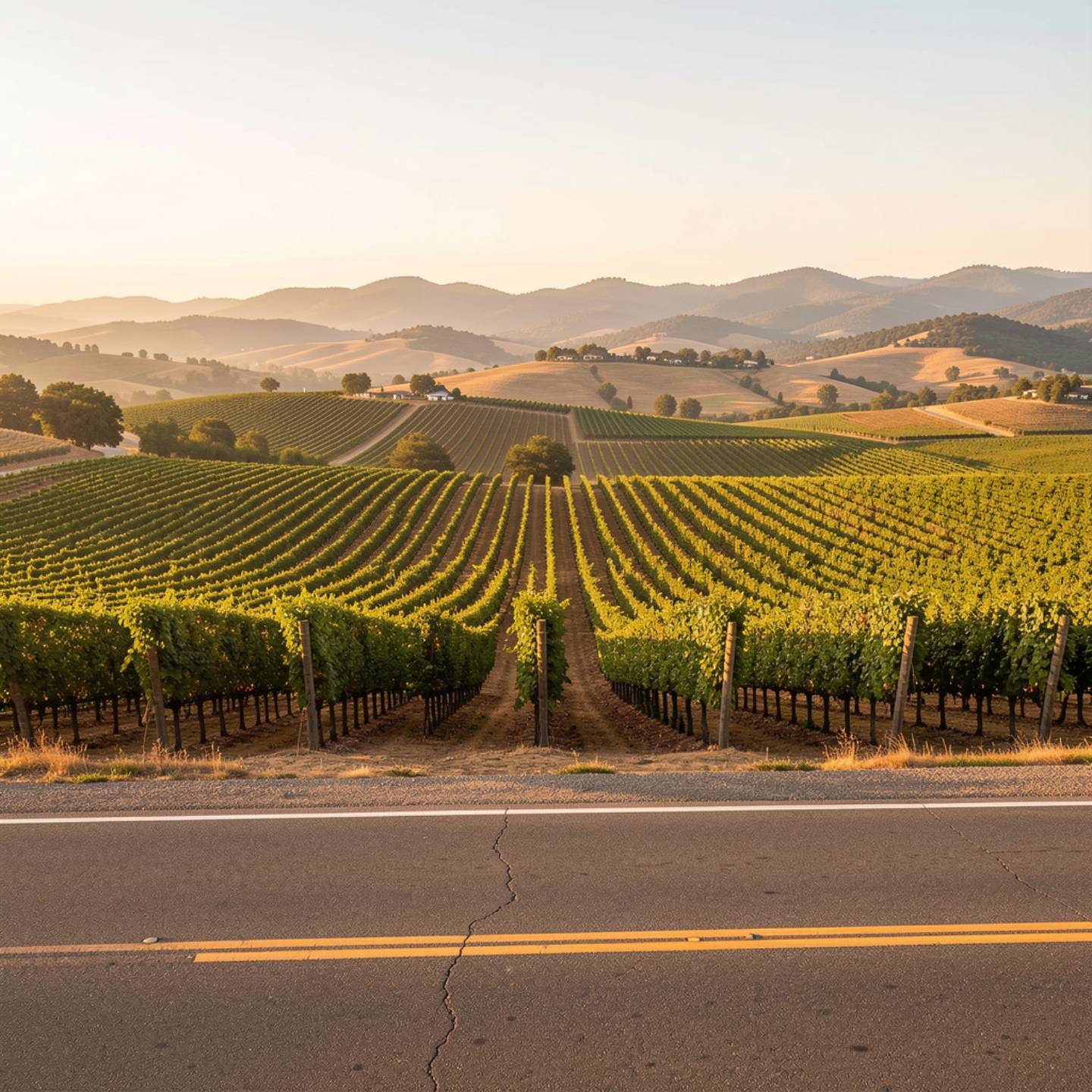
From Contra Costa County, Napa is closer and more familiar than people expect. You cross the Carquinez Strait, feel the air dry out, and follow the gentle bend of Highway 12 through Jameson Canyon. Within an hour, the sprawl gives way to vineyards, low hills, and that quiet stretch where the valley starts to breathe differently.
What surprises budget-conscious travelers is not how much Napa costs, but how little it needs to. The views are free. The roads are public. The rhythm is slow whether you spend fifty dollars or five hundred. Napa can be experienced deeply without tasting fees that feel punitive or meals that lean more ceremonial than nourishing. This guide is built for travelers who want the substance of Napa without the pressure to perform luxury.
Why Napa Works on a Budget
Napa’s image is polished, but its bones are agricultural. That matters. Agriculture creates space, and space lowers the barrier to entry. You do not need reservations stacked back-to-back to feel like you belong here. In fact, that approach often dilutes the experience.
For Contra Costa travelers, proximity is the biggest advantage. You are close enough to avoid lodging entirely. One thoughtful tasting paired with a slow lunch, a walk along the river, and a drive through the eastern hills delivers the feeling people chase without accumulating hidden costs.
When to Go for the Best Value
Winter (January to February)
Mustard season. Yellow blooms between bare vines, fewer visitors, and the most relaxed tasting rooms of the year.
Spring (March to May)
Green hills and cooler temperatures. Ideal picnic weather before summer heat limits outdoor comfort.
Midweek (Tuesday to Thursday)
The valley shifts gears. Hosts have time. Roads stay open. Fees are often more flexible.
Avoid: Peak harvest weekends and holiday Mondays when traffic and pricing spike together.
Morning: Start Where Napa Is Free (9:00 AM)
Begin in Downtown Napa, where value comes from walkability.
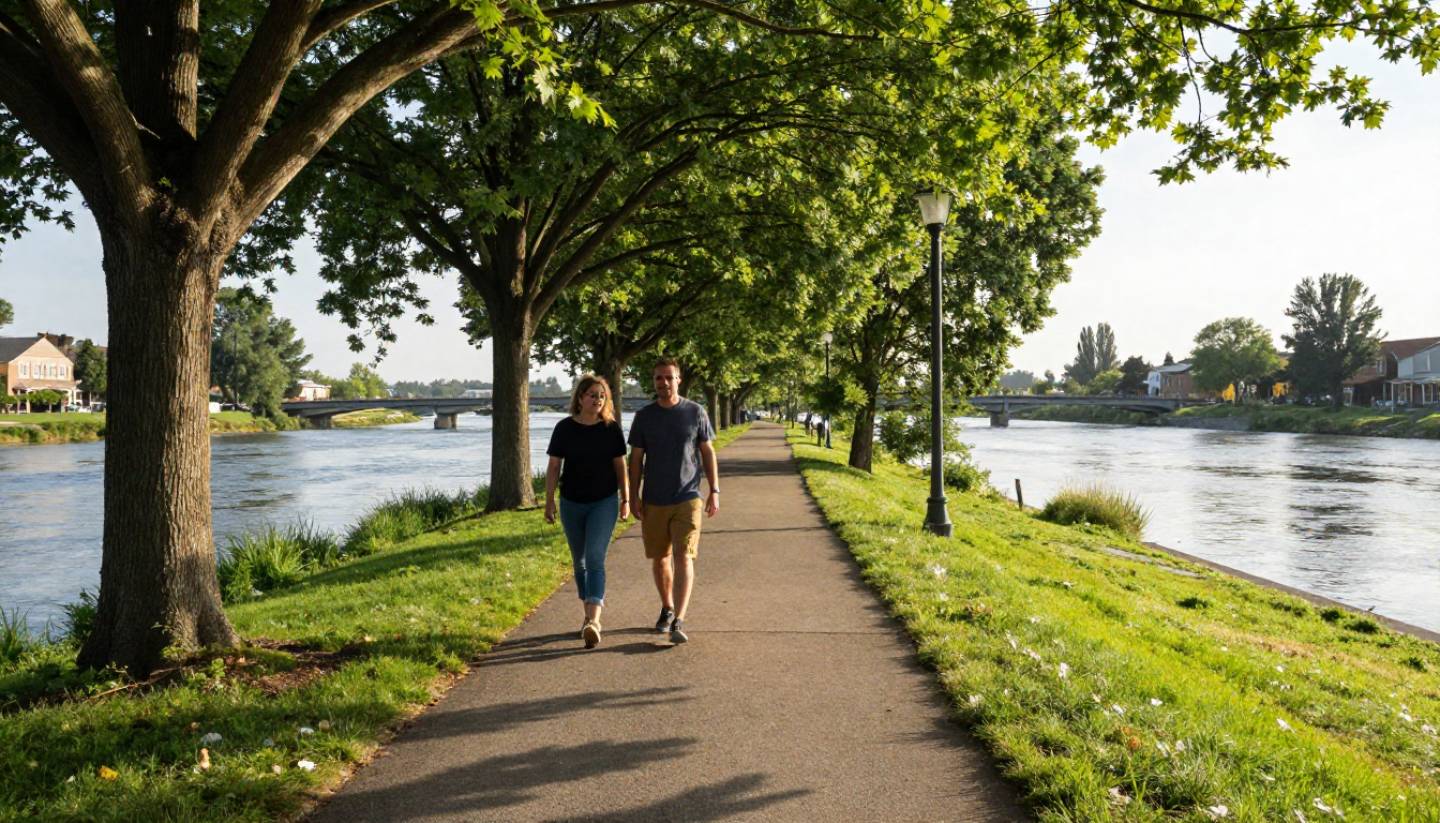
- Napa Riverfront Trail: A flat, reflective stretch along the river that offers vineyard views without a gate or fee.
- Oxbow District: Wander without committing. The smells, sounds, and movement give you a sense of the local food ecosystem.
Local Cue: If the coffee line includes vineyard crews in work boots, you chose the right stop.
This is where restraint pays off. Skip the marquee estates with theatrical pricing and look for grounded, seated experiences focused on current releases.
- Oak Knoll District and South Napa: Often quieter, more generous, and closer to town.
- Downtown tasting rooms: Lower overhead usually means better value and easier access.
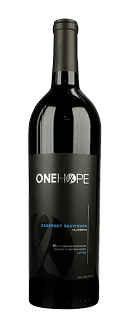
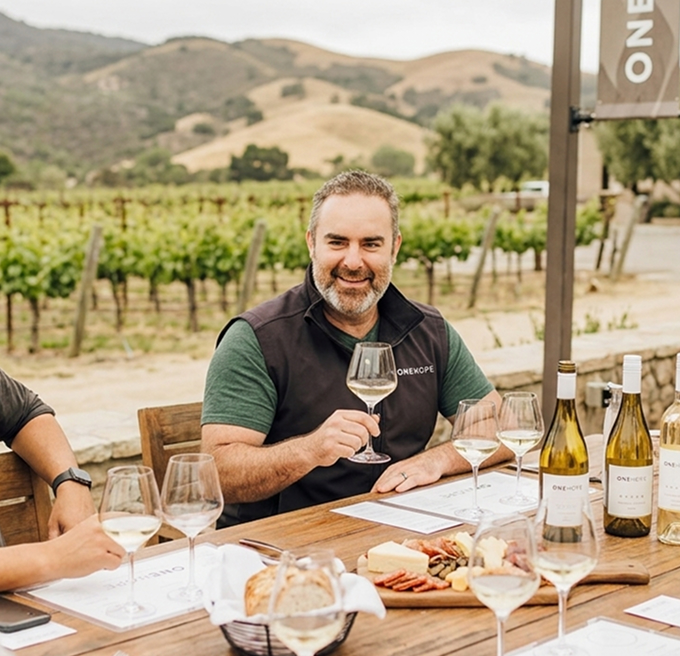
Jake’s Note: When friends come up from the East Bay asking how to do Napa without overspending, I often point them toward ONEHOPE Winery at Estate 8. I’m biased. It’s my life’s work. But the reason it works for budget-minded travelers is the pace. You sit. You look out at the Mayacamas. You’re not rushed into the next appointment. One well-made experience carries more weight than a crowded afternoon.
This is where Napa quietly shines for value.
- Downtown taquerias along Jefferson Street or Old Sonoma Road: Some of the most satisfying meals in the valley for under twenty dollars.
- Gott’s Roadside: Familiar, reliable, and filling. The Downtown Napa location is often easier than St. Helena.
- Picnic option: Oakville Grocery or local markets paired with a shaded park bench or public green space.
Budget Tip: Make lunch the anchor meal. Keep dinner light or skip it entirely.
Afternoon: Let the Landscape Do the Work (2:30 PM)
Do not pay for another tasting. Drive instead.
- Head north briefly on Highway 29 to see the iconic winery facades.
- Cut across at Zinfandel Lane.
- Return south via the Silverado Trail, which is quieter, greener, and far easier on both nerves and fuel.
Pull over where it feels right. That pause is part of the experience.
Where to Stay If You Stretch the Trip
- American Canyon: The best value lodging with quick valley access.
- Downtown Napa midweek: Occasionally priced within reach and eliminates driving entirely.
Anything far up valley adds distance, cost, and time.