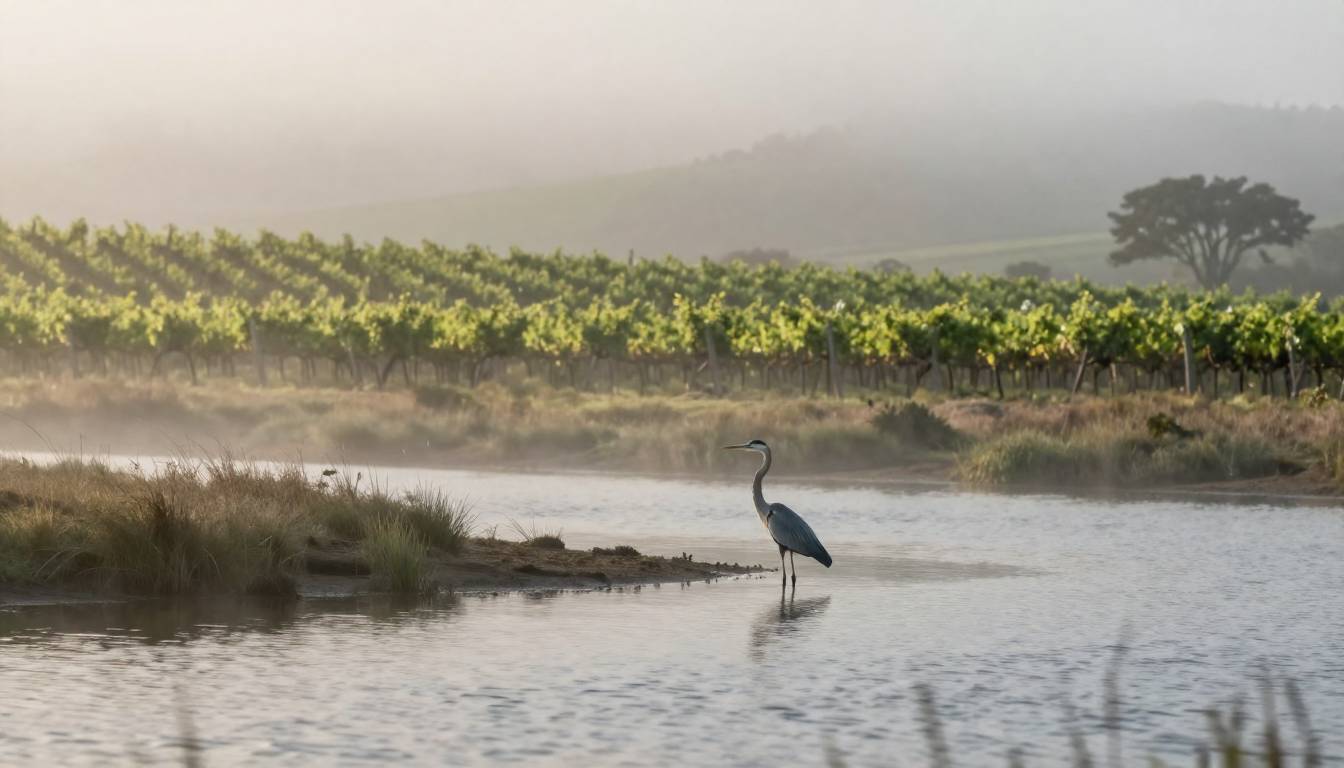
If you are coming up from Contra Costa County with binoculars riding shotgun, you are already listening at the right volume.
Birdwatching in Napa is not about spectacle or checklists. It is about noticing what most people move past too quickly. The pause along a vineyard edge where the rows break into creek bed. The stillness of Carneros wetlands just as the fog begins to lift. The way hawks ride thermals above the Rutherford benchlands while the rest of the valley is still pouring its first cup of coffee.
For East Bay birders used to the Martinez shoreline or the high ridges of Mount Diablo, Napa feels both familiar and expansive. This is working agricultural land, but it still makes room for migration, nesting, and seasonal rhythm. When you slow your pace here, the birds stay with you.
Why Napa Works for East Bay Birdwatchers
For Contra Costa birders used to layered ecosystems, Napa offers something rare: intensive agriculture that still supports resilient wildlife.
Wetlands and Working Land Coexist
In places like Carneros, salt marsh, open water, and cool climate vineyards overlap in ways that naturally support bird life.
The Corridor Effect
Napa Valley acts as a natural funnel along the Pacific Flyway, guiding migratory birds between San Pablo Bay and the interior valleys.
Quiet Mornings Matter
Before tasting rooms open and traffic picks up, the valley belongs to raptors, songbirds, and waterfowl. Early hours are everything here.
Prime Birding Areas to Know
Carneros Wetlands (Southern Napa)
This is the most natural starting point for Contra Costa birders coming up Highway 121.
What You Will See:
Waterfowl, shorebirds, Northern Harriers, and herons hunting low over the marsh.
Local Cue:
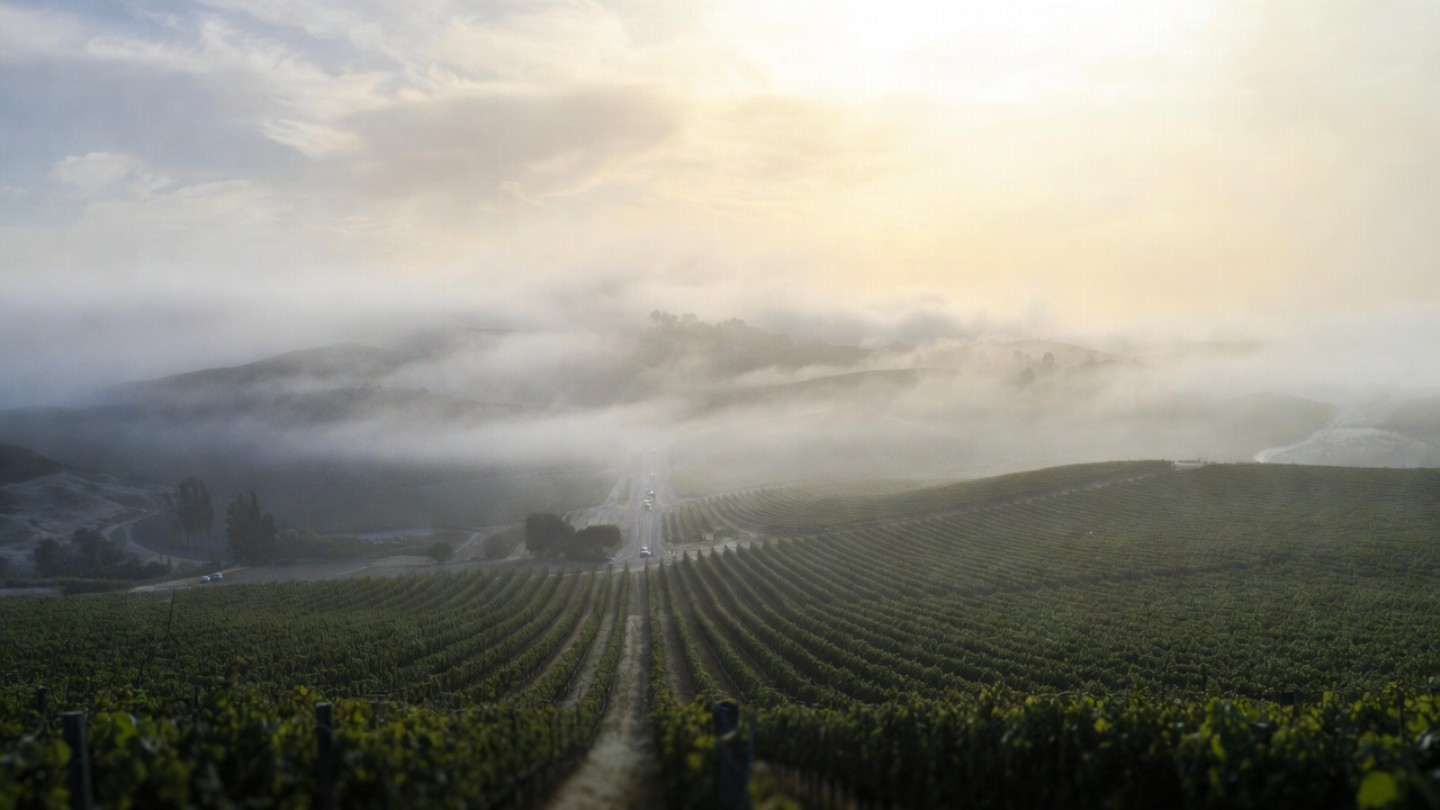
Park near the Huichica Creek Unit and arrive as the fog begins its slow lift. That visibility shift often triggers feeding and movement.
Why It Works:
Carneros is where Napa still feels connected to the Bay. Birds use it as a staging ground before moving inland.
Napa River Corridor
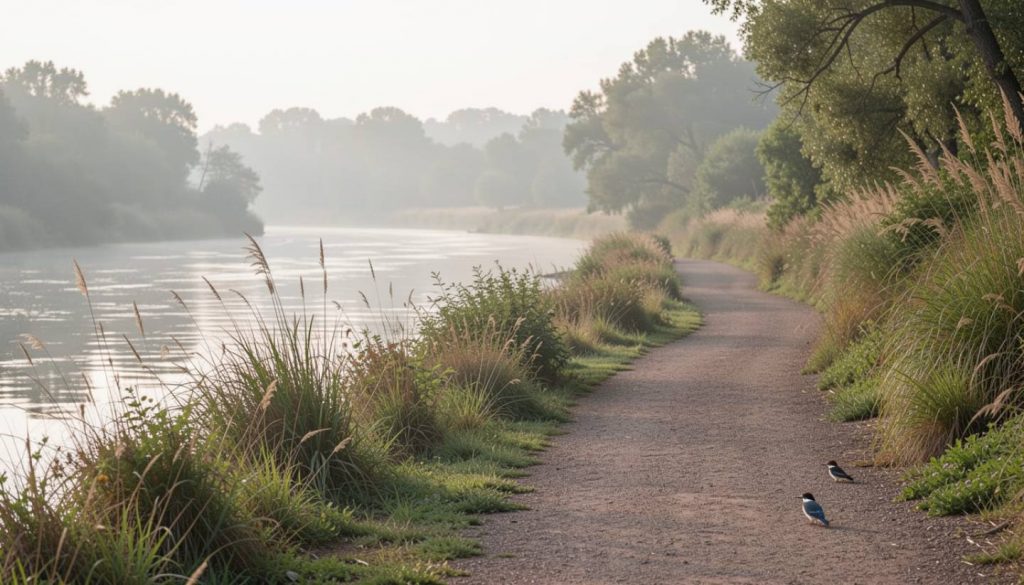
Running quietly alongside downtown, the Napa River functions as a living migration route.
What You Will See:
Green Herons, Belted Kingfishers, swallows, and seasonal songbirds.
Best Access:
The Napa River Trail offers long, flat stretches that allow for unhurried observation.
Local Strategy:
Midmorning is ideal once the river warms slightly and insect activity increases.

Vineyard Edges Along Silverado Trail
This is Napa birdwatching at its most understated.
What You Will See:
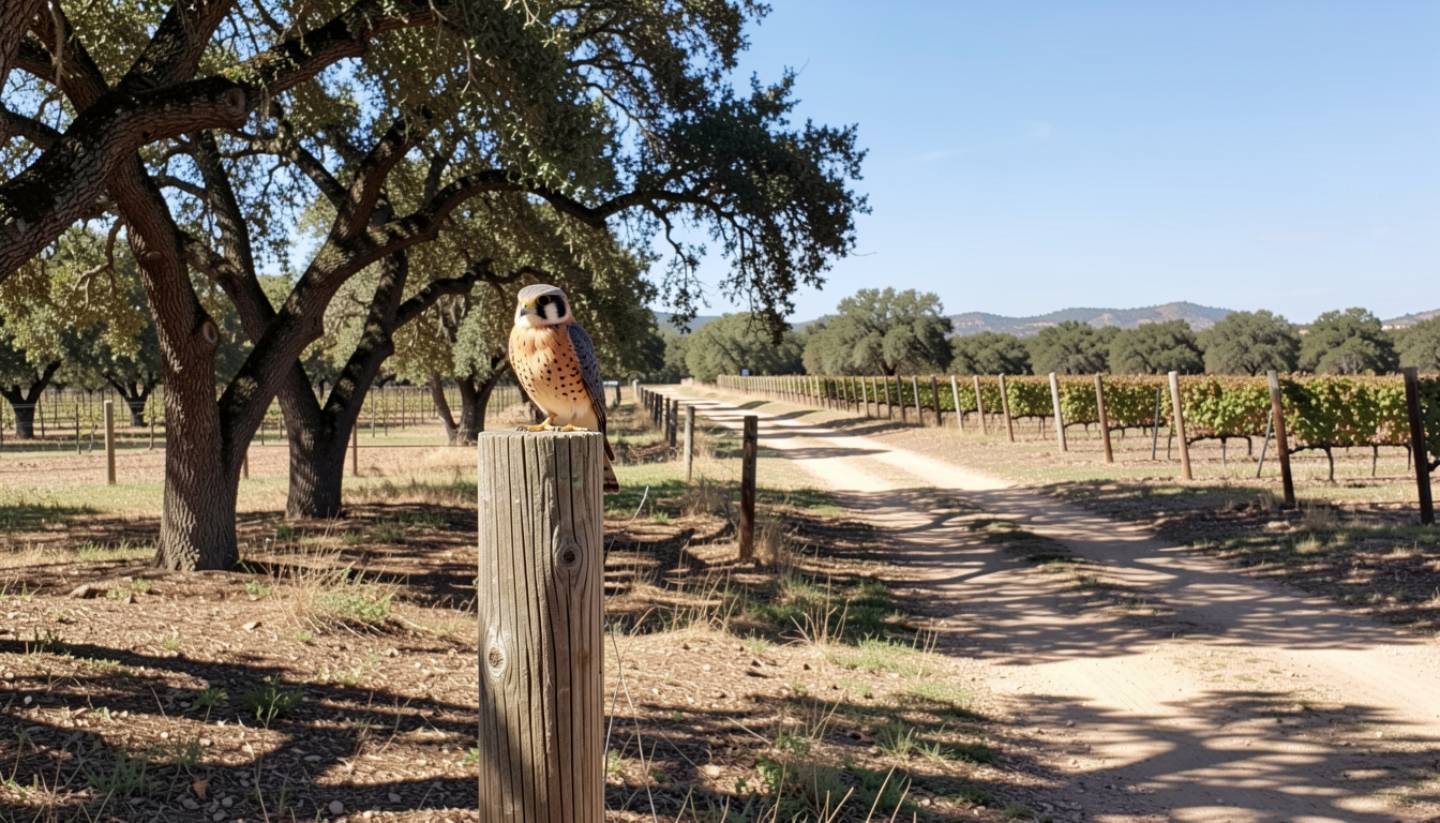
Oak Titmouse, Western Bluebirds, Nuthatches, and hunting kestrels.
Directional Cue:
Drive five minutes north on Silverado Trail past the Yountville Cross Road. The stone walls, old oaks, and drainage creeks here are prime nesting territory.
Why It Works:
Vineyards create linear habitat corridors that birds use for safe travel between hillsides and water sources.
How to Structure a Birding Day in Napa
Morning Anchor:
Arrive at wetlands or vineyard edges by 7:30 AM. No winery plans before late morning.
Midday Reset:
As bird activity slows, take a seated outdoor tasting or long lunch. Look for estates that allow quiet garden or vineyard walks.
Afternoon:
Visit the Napa Sonoma Marshes Wildlife Area or return to the river corridor as light softens.
Evening:
Watch for Great Horned Owls and dusk activity near wooded edges around St. Helena and Rutherford.
One habitat per day is ideal. Two is ambitious. More than that and you stop seeing what matters.
A Short Personal Story
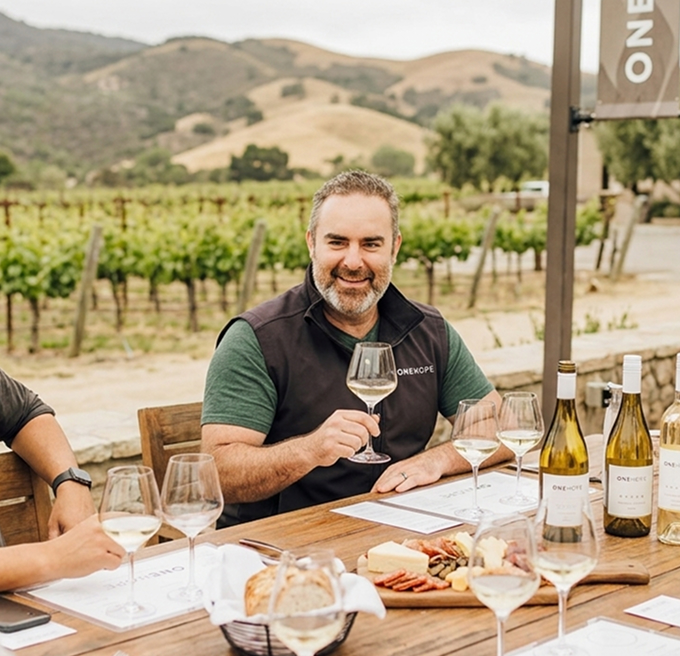
Some of my most grounding Napa moments have come from standing still. Watching the same hawk trace identical thermal patterns day after day over the Mayacamas. You start to notice how harvest noise eventually fades, but the birds remain. That perspective stays with you. When we shaped ONEHOPE and Estate 8, we were intentional about keeping our vineyard edges wild. Wildlife does not need our attention. It needs our restraint.
Seasonal Notes for Birdwatchers
Winter:
Peak season. Migratory waterfowl, overwintering raptors, and the quietest valley mornings.
Spring:
Songbirds return and nesting activity increases along creeks and riverbanks.
Summer:
Go early. Heat limits activity, but Turkey Vultures and Red-tailed Hawks remain visible.
Fall:
Harvest brings energy, but early mornings still offer excellent foraging behavior along vineyard edges.