Some trips are about getting away. Others are about coming together.
Community builders come to Napa looking for ground that can hold a real conversation. They are not searching for ballrooms or busy tasting bars, but for places where people can sit long enough to listen and feel heard. Napa was shaped by families who depended on one another through harvests, fires, and long winters. Gathering here feels practical, not performative.
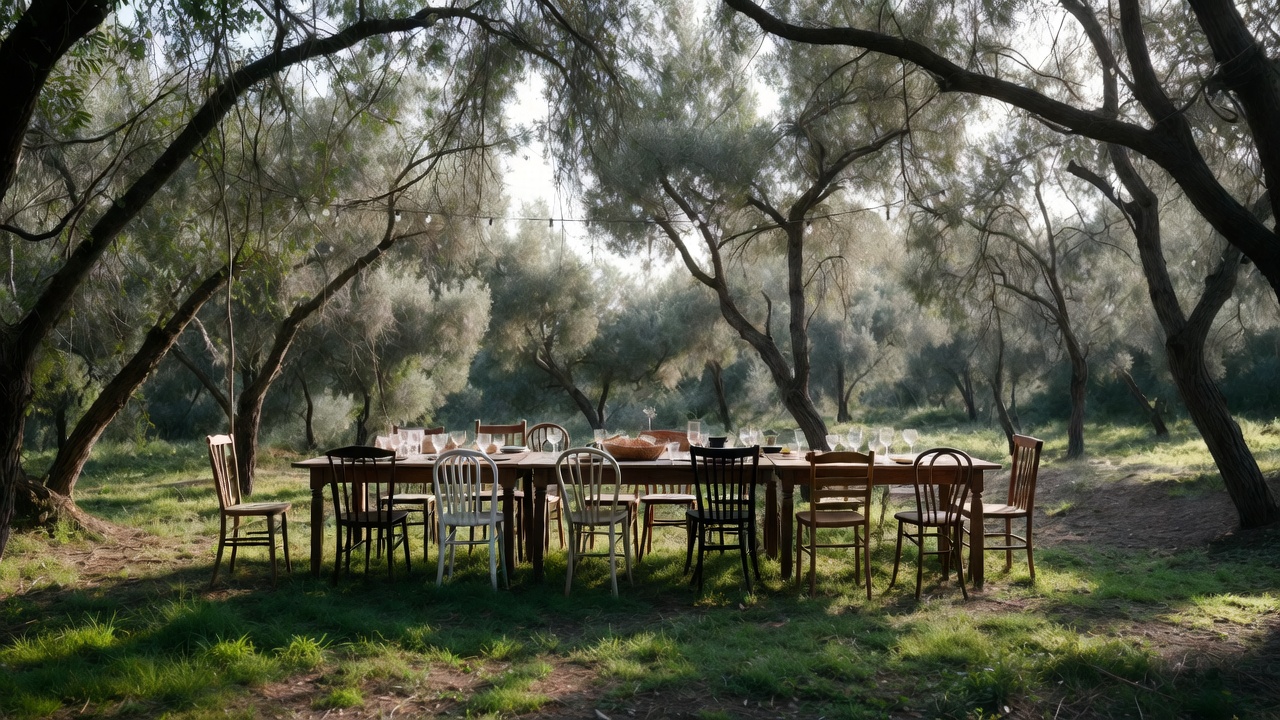
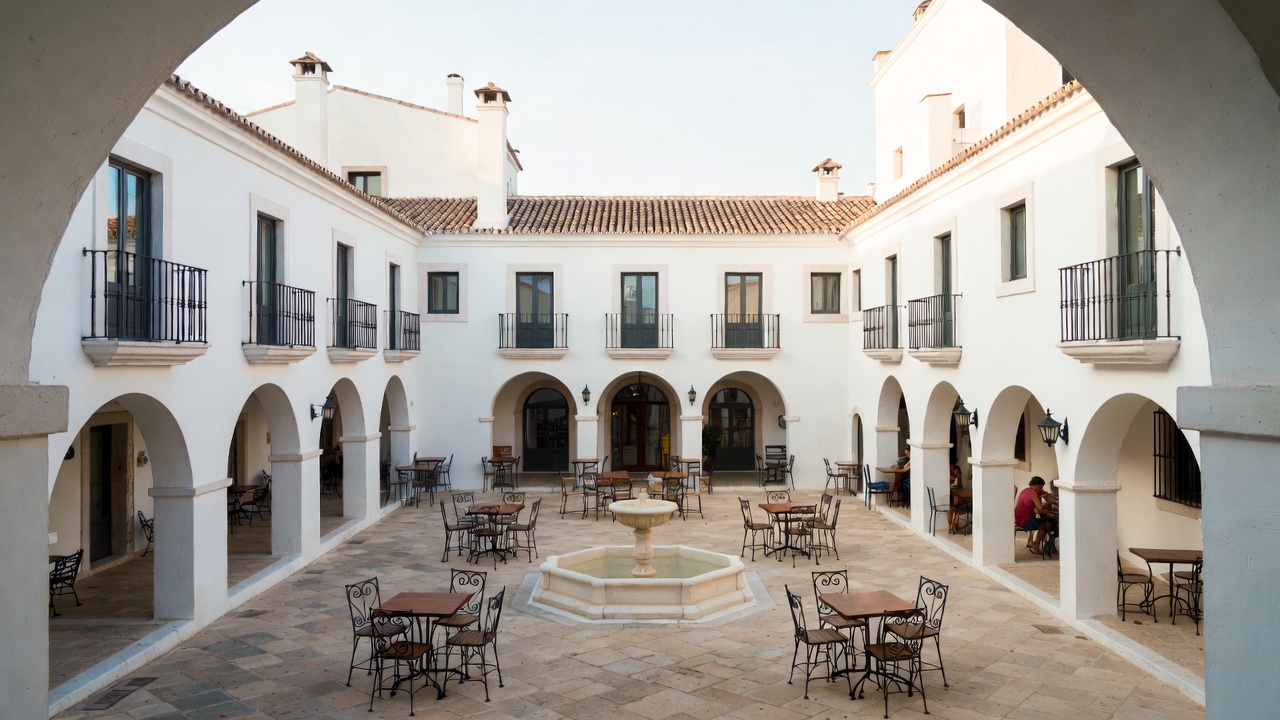
The land does a lot of the work. Vineyards create space between buildings. Courtyards slow movement. Meals stretch because no one is being rushed. Napa gives groups permission to settle in and actually be together.
What This Experience Is Really About
This is not a conference trip. It is about trust.
Community building requires environments that remove friction. Napa works because it reduces distraction. Phones go down. Meals last longer. People look at each other instead of the clock.
Groups often discover that connection happens between agenda items. During a walk through the vines. Around a shared table. In the quiet after a conversation finally lands. Napa supports these moments by design.
Where Gathering Works Best
Certain parts of the valley are especially suited for group cohesion.
Rutherford and Oakville offer wide mid valley properties with natural separation from traffic and crowds. St. Helena provides a small town rhythm that feels more intimate than downtown Napa. Along Silverado Trail, estates often feature courtyards and lawns that allow groups to spread out and regroup without losing one another.
The key is choosing places designed for sitting, not circulating.
My Local Notes
Growing up here, gatherings were never rushed. Meals stretched because they needed to. Decisions were made face to face. Community was something you showed up for, not something you scheduled.
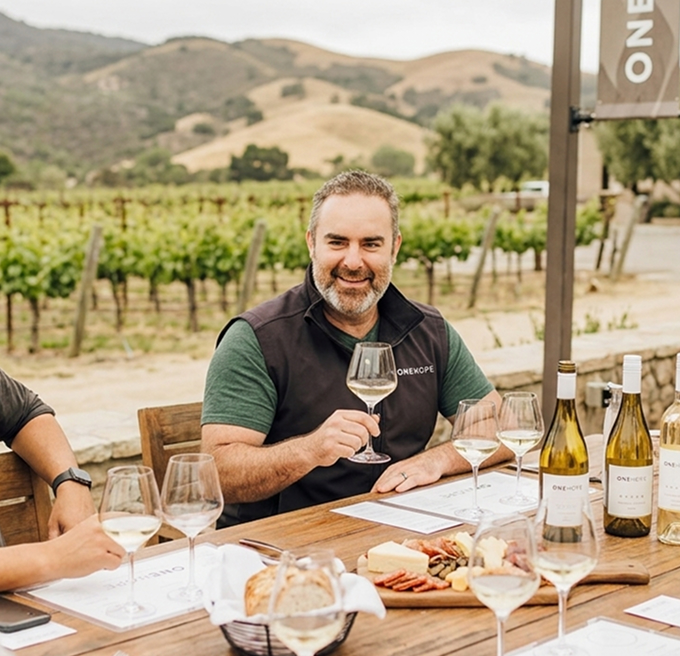
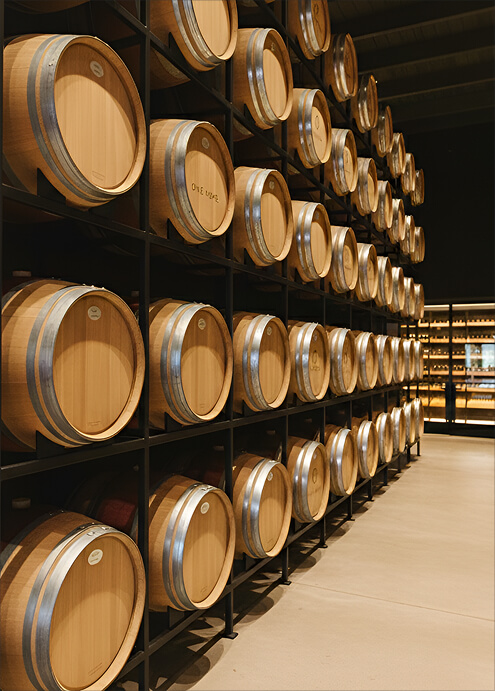
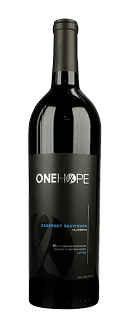
I remember watching neighbors come together during harvest season, sharing labor and meals late into the evening. The work mattered, but the relationships were the infrastructure. That rhythm shaped how I think about hospitality.I will admit a small bias. Our home at ONEHOPE Winery at Estate 8 was built around this exact idea. It is very much my baby. The spaces were designed for long tables, not crowds, and for conversations that unfold without interruption. Organizers often tell me they accomplished more by slowing down there than they ever do in formal meeting rooms.
How to Shape a Community Focused Visit
Choose one primary gathering place per day. Depth matters more than variety.
Anchor each day with a shared meal. Food lowers barriers faster than any icebreaker.
Leave white space between sessions. Napa does its best work in the unplanned moments.
Visit midweek. The valley offers more flexibility, attention, and quiet.
Where to Eat and Gather
Farmstead at Long Meadow Ranch offers outdoor spaces that support long meals and natural conversation.
The Charter Oak centers around communal tables where sharing feels normal rather than staged.
Brix pairs gardens and vineyard views with enough space to move between discussion and reflection.
Look for places where time feels abundant.
Lodging That Supports Connection
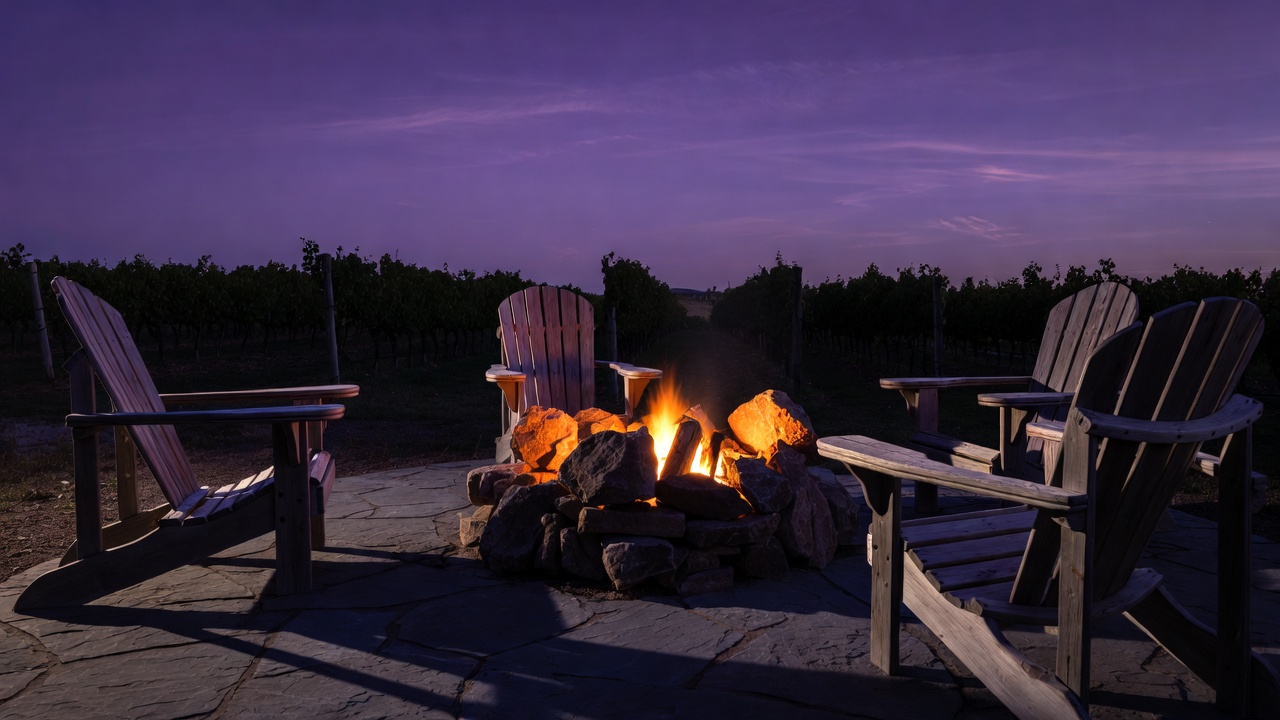
Smaller inns and estate properties in Rutherford, Oakville, and St. Helena tend to support group cohesion better than large hotels. Shared outdoor spaces, fire pits, and breakfast tables often become the most meaningful meeting rooms. Staying close together matters more than luxury.
Small Histories
Napa’s success has always depended on cooperation. From early farming families to modern vintners rebuilding together after fires, the valley runs on neighbor to neighbor trust. Community here is not an idea. It is a practice.
Groups who gather in Napa often feel that legacy without needing it explained.