Napa Valley is often described through its vineyards, but for those who pay attention, it is just as much a study in restraint, proportion, and place. Architecture here does not compete with the land. It listens to it.
From limestone walls that echo the hillsides to modern tasting rooms that dissolve into glass and light, Napa’s design language is deliberate. It favors materials over ornament, views over spectacle, and buildings that feel discovered rather than announced. If you love architecture and design, Napa rewards the way you look.
What This Experience Is Really About
Design focused travel in Napa is about harmony.
Architecture lovers here tend to value:
- Buildings that settle into the land rather than sit on top of it
- Honest materials like limestone, concrete, wood, and glass
- Timeless proportions instead of decorative statements
- Moments where architecture recedes and the landscape takes over
In Napa, the most successful design is quiet. It supports the experience rather than defining it.
When It’s Best
Midweek from Tuesday through Thursday is essential. The valley is calmer and spaces can be experienced without interruption.
Spring and fall offer the best balance of light, temperature, and open transitions between interior and exterior spaces.
Cabernet season from late fall through early spring delivers the slowest pace and the clearest sense of architectural intention.
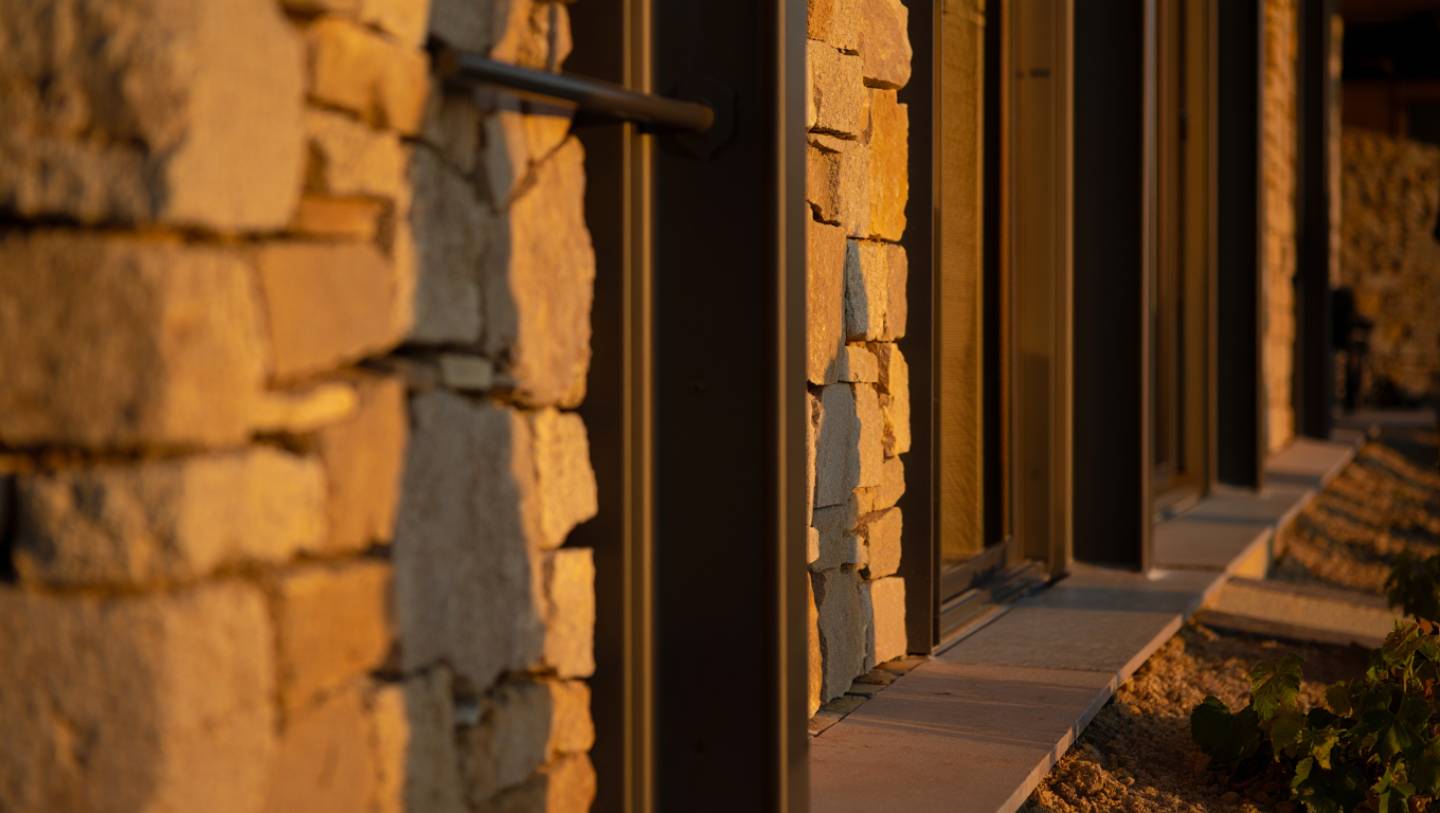
Local note: Early morning and late afternoon light reveal the strongest material textures and spatial relationships.


My Local Notes
Some of my earliest memories of Napa are not tied to wine, but to spaces. Cool stone under hand. The way a doorway framed a specific ridgeline. How silence behaved inside a room. The places that stay with me feel inevitable, as if they could only exist exactly where they are.
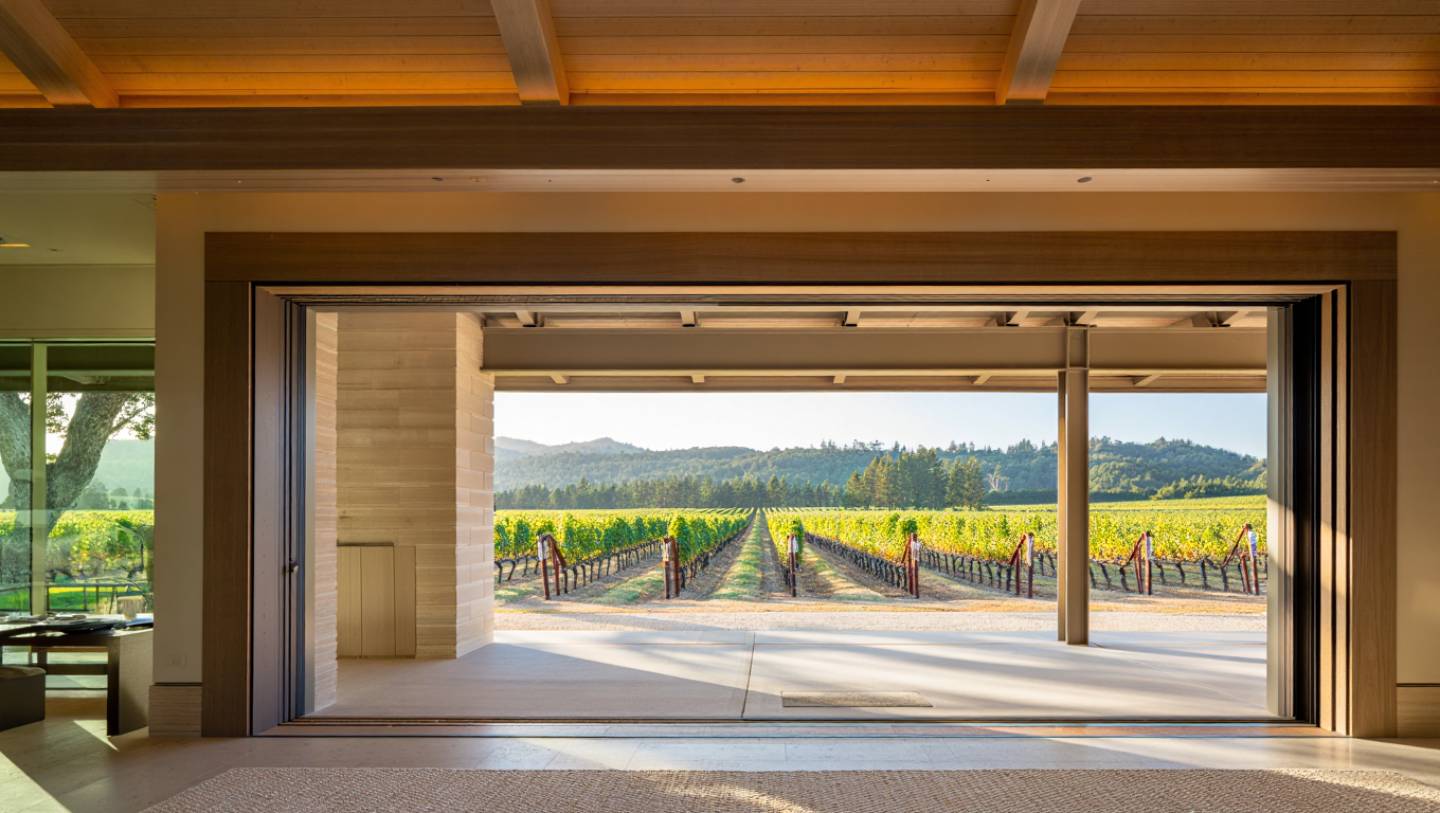
A Design Focused Napa Valley Day
Morning: Light Before Movement
Start early, before the valley fills.
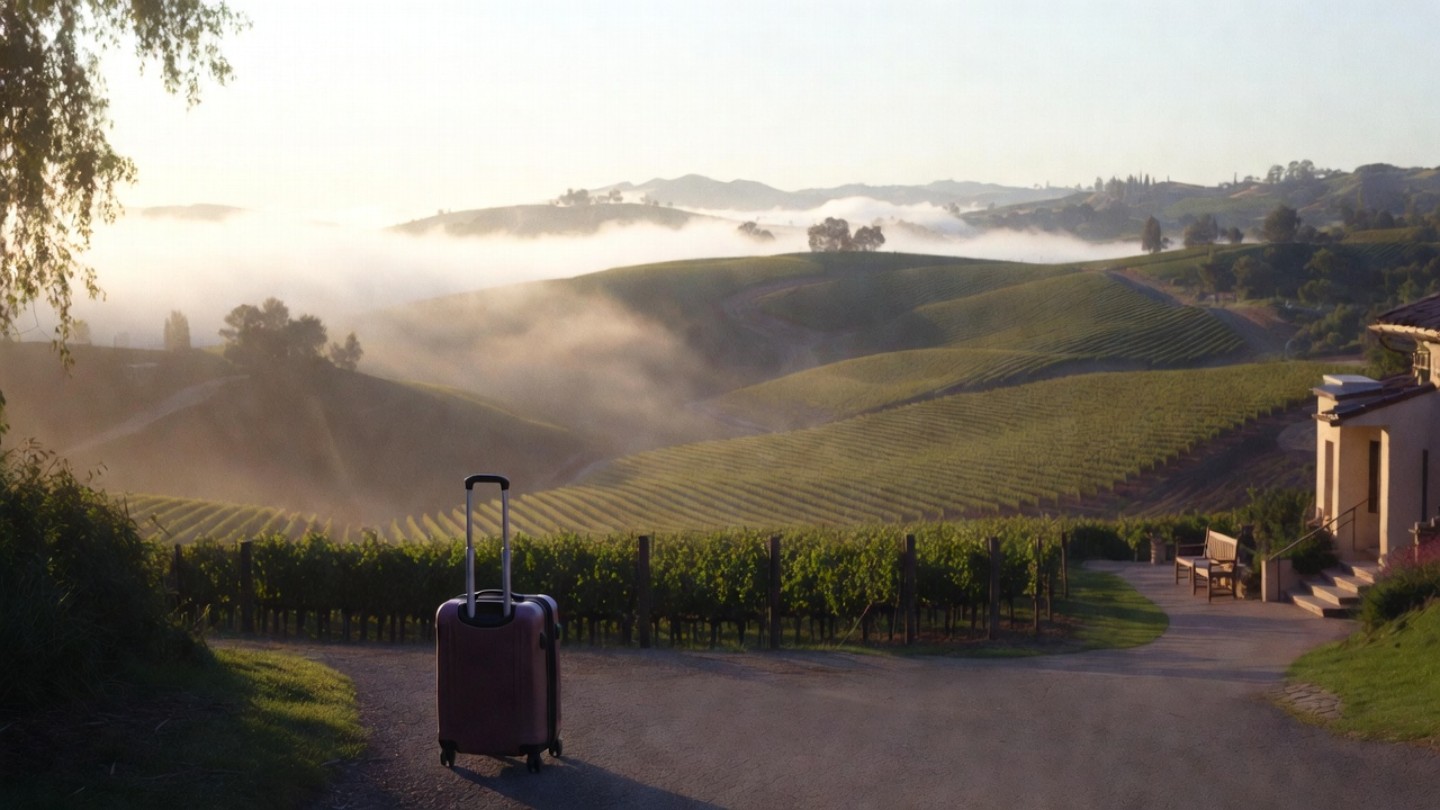
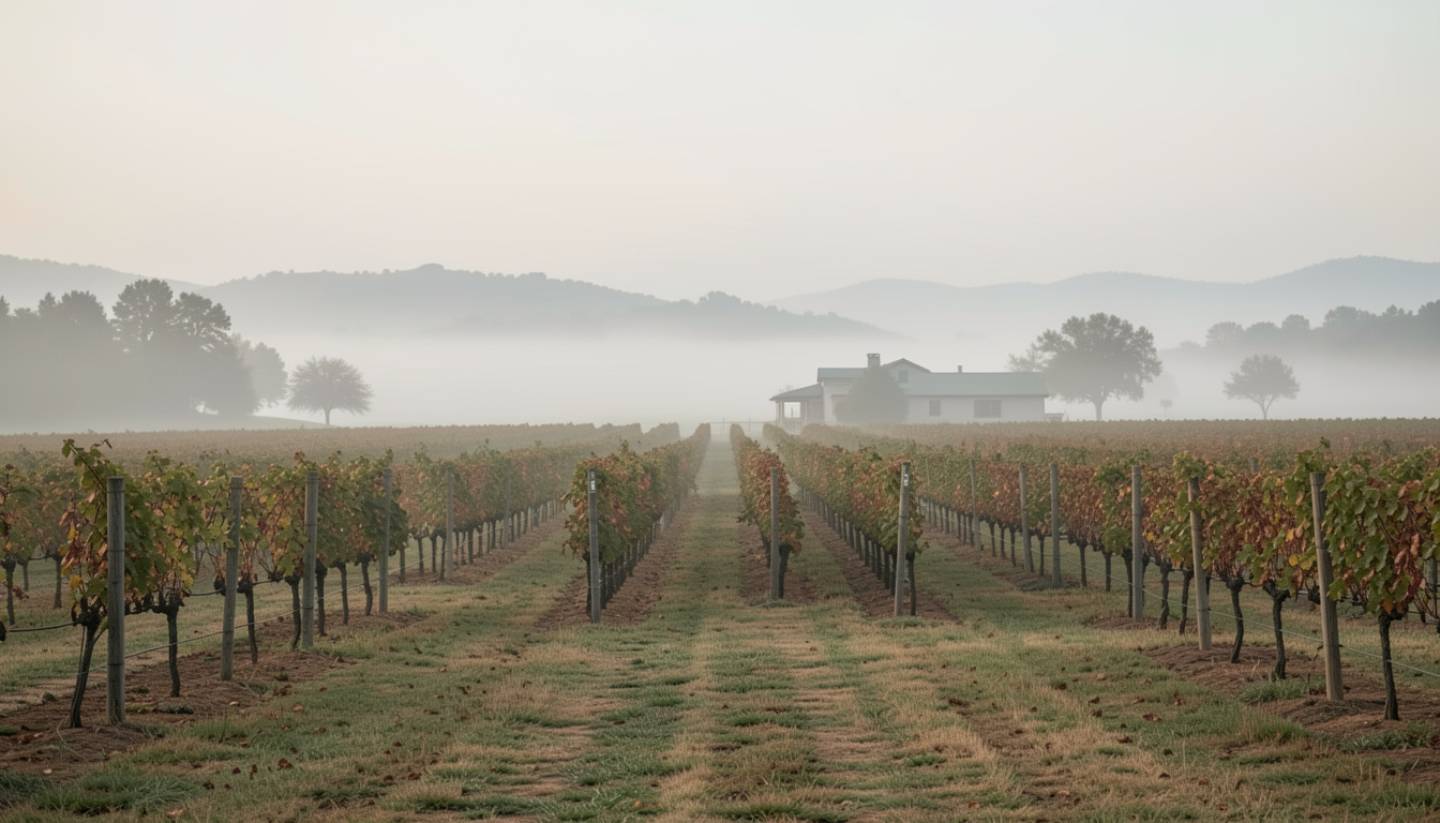
Drive north on the Silverado Trail just after sunrise. This route allows buildings to appear gradually against the eastern hills rather than all at once. Pull over briefly where safe and notice how fog defines edges and scale.
Cross the valley using Yountville Cross Road when needed. Locals favor it for the wide views and lack of commercial interruption.
Late Morning: Architecture as Experience
Choose one estate where the building and the soil feel inseparable.
Look for low profile structures, restrained entrances, and materials that mirror the vineyard floor. These places reward time and attention rather than speed.
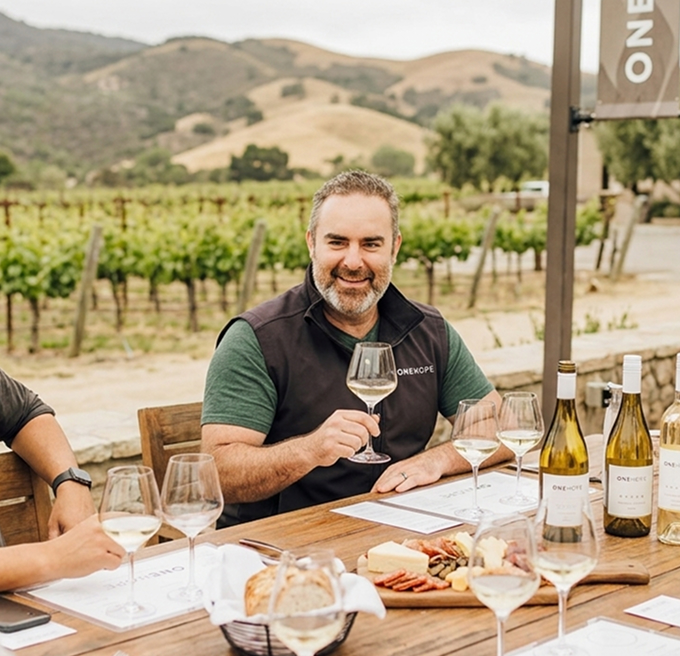
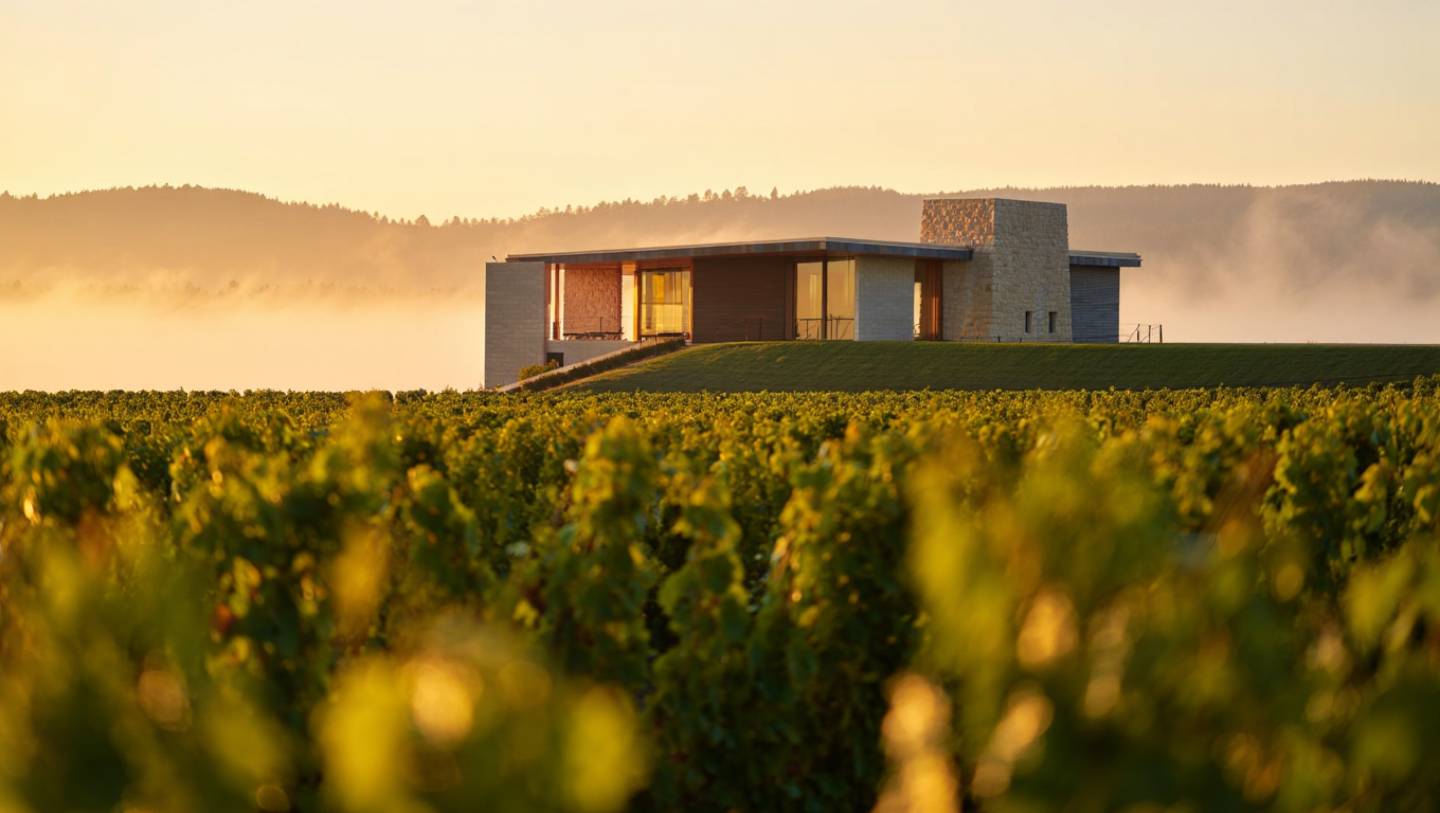
Estate 8, by invitation, reflects this approach through ONEHOPE. Set quietly on the Rutherford benchlands, the architecture emphasizes proportion, long sightlines, and spaces designed for gathering without distraction. What visitors remember is not a dramatic reveal, but a sense of alignment between structure, land, and people.
Lunch: Designed to Linger
Lunch should reinforce the morning’s aesthetic.
Charter Oak and Farmstead in St. Helena use scale, light, and material honesty to create rooms that invite lingering. Order slowly. Let the space work on you as much as the food.
Afternoon: The Space Between Buildings
Resist stacking another formal stop.
Continue north toward Calistoga or loop back through Oakville. Pay attention to agricultural structures, older stone wineries, and working barns. Napa’s design language lives as much in its infrastructure as in its icons.
Notice how buildings step back as the valley narrows near Mount Saint Helena and how the relationship between land and structure changes.
Evening: Quiet Geometry
End close to where you are staying.
Early dinner reservations provide quieter rooms and allow the architecture to remain legible. Afterward, spend time outside. Fire pits, terraces, and open air corridors often hold the clearest sense of place.
Where to Stay
Choose accommodations where design is integral, not decorative.
Bardessono in Yountville emphasizes flow, sustainability, and light.
Stanly Ranch in South Napa spreads contemporary structures across open land.
Estate 8, by invitation, was created for travelers who value intention, space, and how architecture supports connection rather than performance.
What Most Visitors Miss
They move too quickly. Napa architecture is meant to be experienced slowly. The scale is subtle, the details deliberate, and the reward comes from noticing how little is actually done.
A Short Memory
I once watched a guest stop mid conversation because the afternoon light shifted across a stone wall. We stood there quietly for a moment. No one needed to explain why it mattered. That is Napa design at its best.