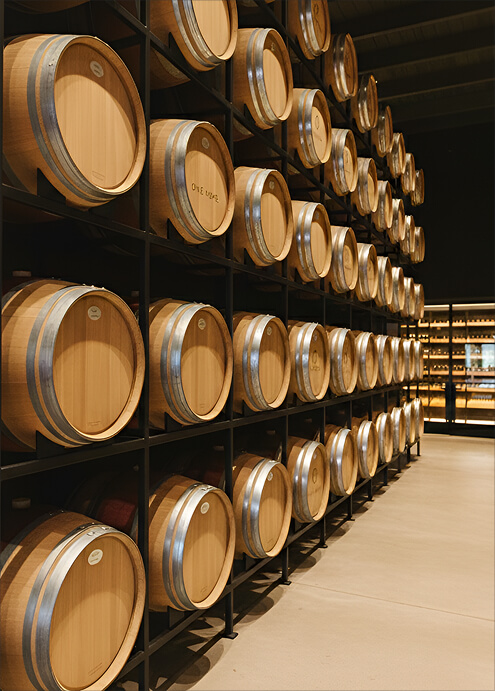
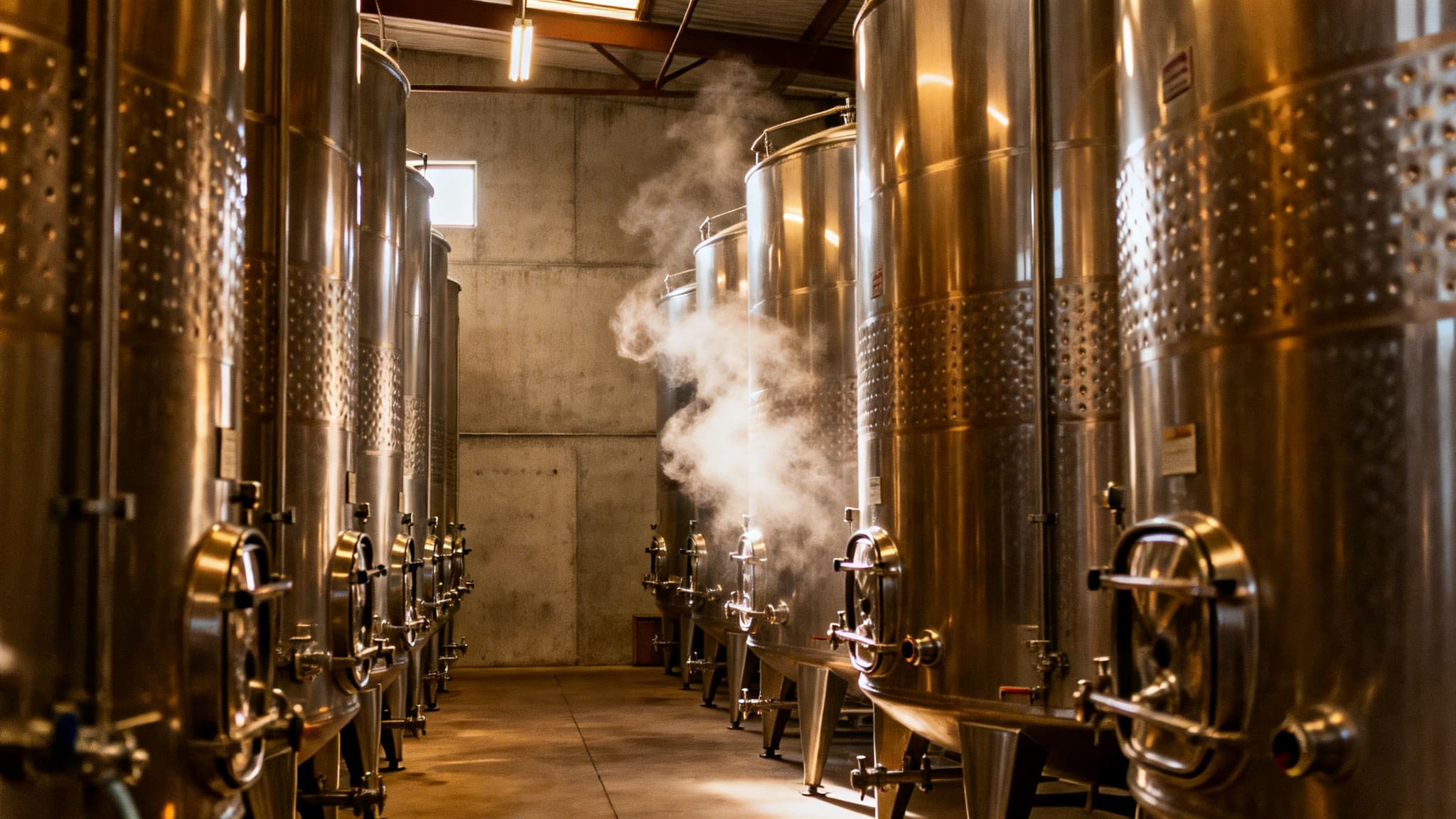
The smell of a cool cellar stays with you. Damp stone. Fermenting fruit. French oak that has absorbed years of work. In Napa, these moments are not staged. They are part of the daily rhythm of the valley, especially during harvest when cellar lights turn on before sunrise and stay lit well after dark.
For the home winemaker or serious hobbyist, Napa offers something rare. Real access to the craft itself. It strips away romance and replaces it with patience, repetition, and precision. That is where the real learning begins.
What This Experience Is Really About
For amateur winemakers, Napa is a lesson in intentional restraint.
It teaches that great wine is built on:
- Observation over control, reading the canopy, the seeds, and the skins
- Patience over force, understanding phenolic ripeness beyond Brix
- Precision in the cellar, where cleanliness matters more than creativity
Spend time in a working cellar and you learn quickly that most winemaking decisions are about what you choose not to do.
When It Is Best: The Maker’s Calendar
Harvest, late August through October
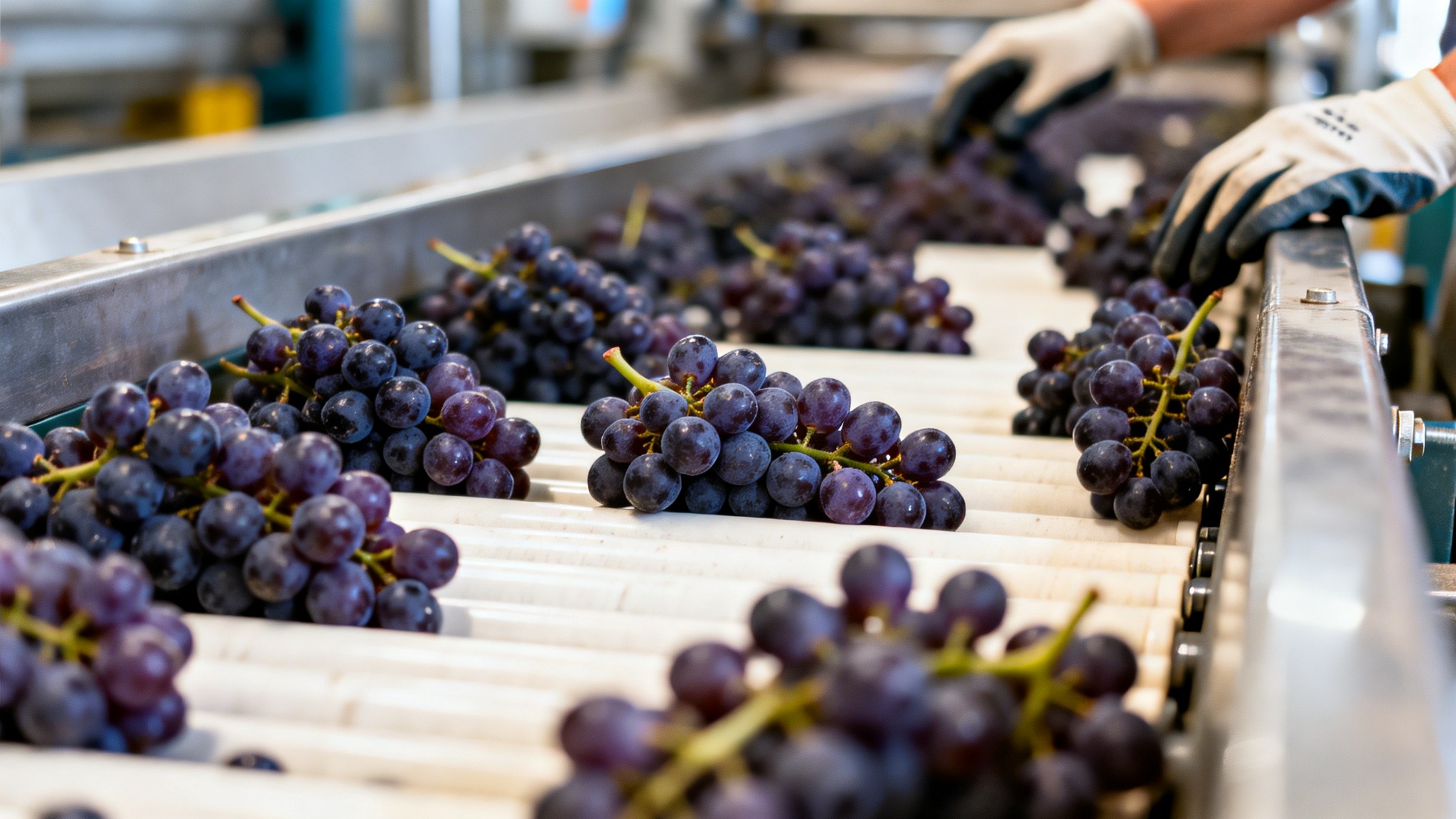
This is the most electric time in the valley. Sorting tables hum. Fermentation tanks release heat and aroma. It is the best window to see fruit intake, primary fermentation, and real time decision making.
Spring, the reflection season
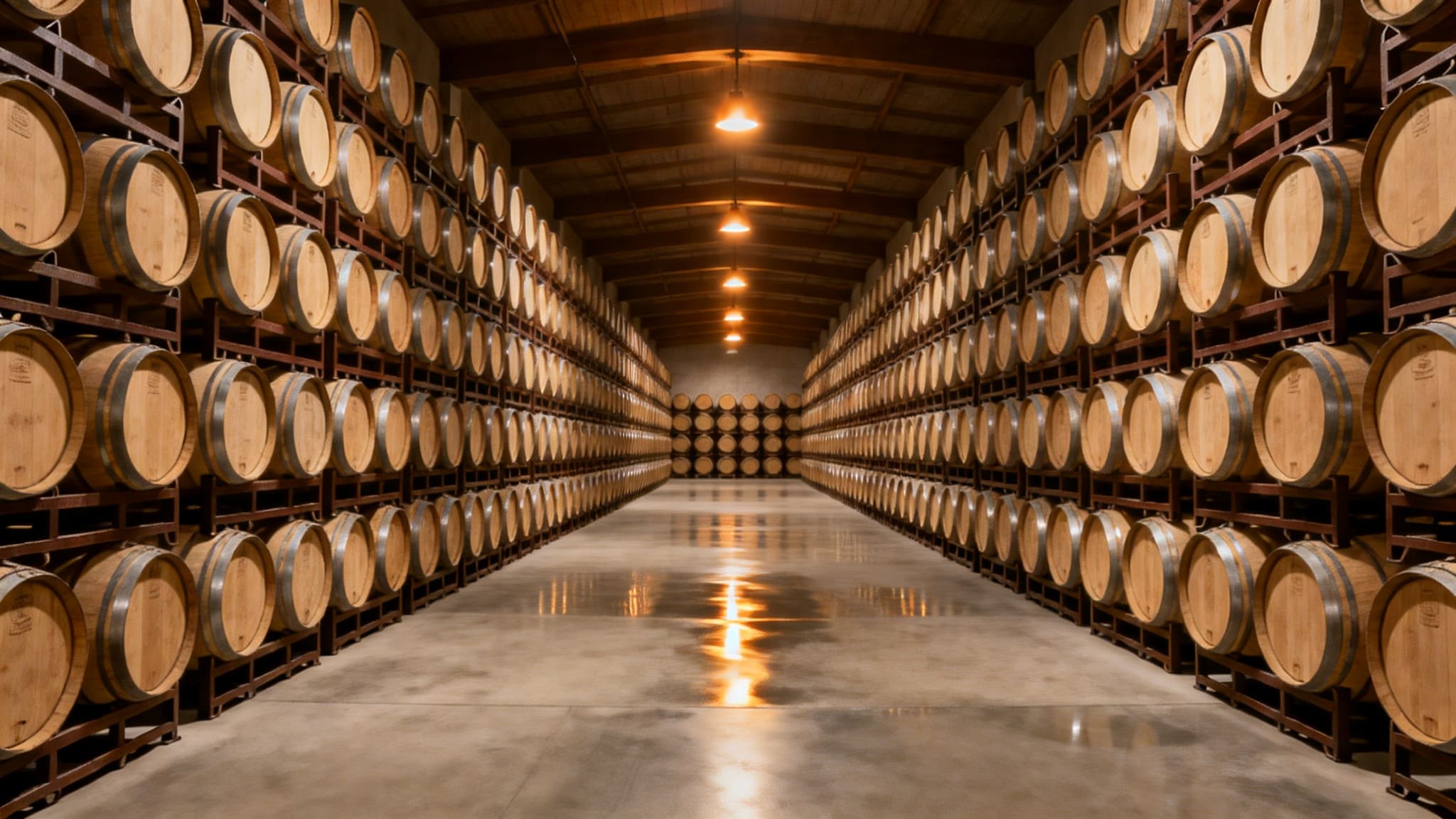
Barrel rackings and final blends happen quietly. Winemakers are often more available for technical conversations. This is an excellent time for thoughtful learning without the urgency of harvest.
Key Educational Access Points
CIA at Copia, Downtown Napa
Offers sensory analysis, blending, and technical wine education that sharpens palate and vocabulary.
UC Davis Extension, nearby in Davis
World renowned viticulture and enology programs often host public courses that pair naturally with a Napa visit.
Small Lot Producers and Custom Crush Facilities
Family run estates in Oakville and St. Helena are more likely to open the back of house to knowledgeable hobbyists who ask thoughtful questions.
Local Directional Cues and Geography
Silverado Trail
The eastern side of the valley hosts many gravity flow wineries built into hillsides. These sites demonstrate how elevation replaces pumps and preserves delicacy.
St. Helena
The historic heart of Napa winemaking. Ghost wineries here reveal how stone, gravity, and thermal mass were used long before modern technology.
Terroir Comparison Tip
Compare the volcanic soils of the Vaca Range on the east with the sedimentary soils of the Mayacamas on the west. This contrast is foundational to understanding Napa structure and tannin expression.
A Short Personal Micro Story
The first time I spent a full harvest day in a cellar, I was surprised by how quiet it felt between moments of urgency. A lot of waiting. A lot of cleaning. A lot of watching. That day taught me that good wine is not made by constant action. It is made by paying attention.
A Gentle Personal Note
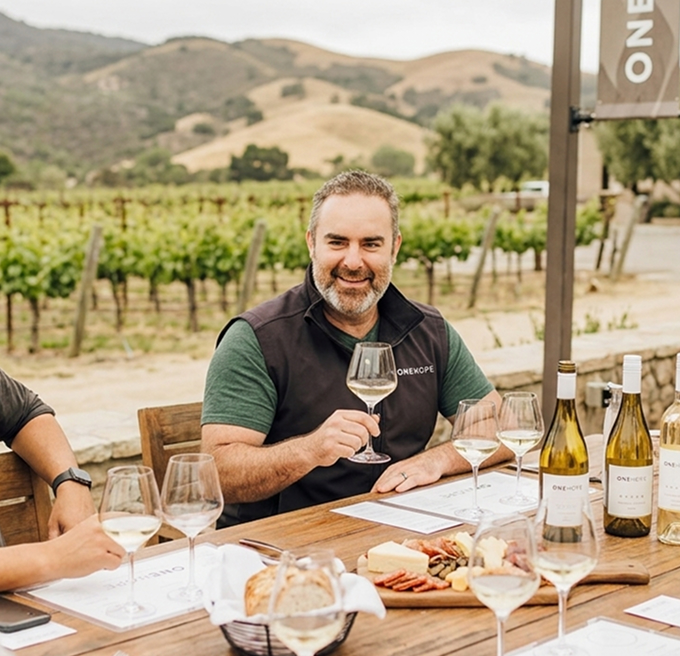
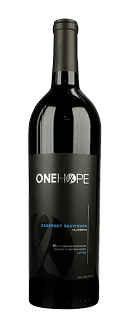
I will admit a little bias here. ONEHOPE and Estate 8 were built from a deep respect for the craft side of winemaking. From vineyard decisions along the Rutherford benchlands to patient cellar work, the goal has always been to let the fruit speak. That mindset resonates with anyone who has ever tried to ferment a small lot at home and realized how humbling the process can be.