If you live in Alameda County, you already know that community is built by showing up. Oakland neighborhood kitchens. Berkeley food co-ops. Weekend cleanups along the Estuary. Napa Valley shares that same ethic, just expressed through farms, vineyards, and long tables set early in the morning.
For travelers coming up from Oakland and the East Bay who want more than tastings and views, Napa offers meaningful ways to connect. Community kitchens that feed neighbors. Vineyard programs that care for the land. Small organizations where an afternoon of help feels personal, not performative.
What This Experience Is Really About
Volunteering in Napa is not about checking a box. It is about understanding that wine country is a working community first and a destination second.
For Alameda County travelers used to civic engagement and grassroots work, Napa’s volunteer culture feels familiar. Food insecurity exists here too. Farm labor matters. Land stewardship is hands-on, not theoretical. When you step into a community kitchen or spend a morning tending vines, you see a side of Napa that never shows up on a tasting list.
Community Kitchens and Food Access Programs
Napa’s food system depends on collaboration between farmers, nonprofits, and volunteers.
Community Kitchens:
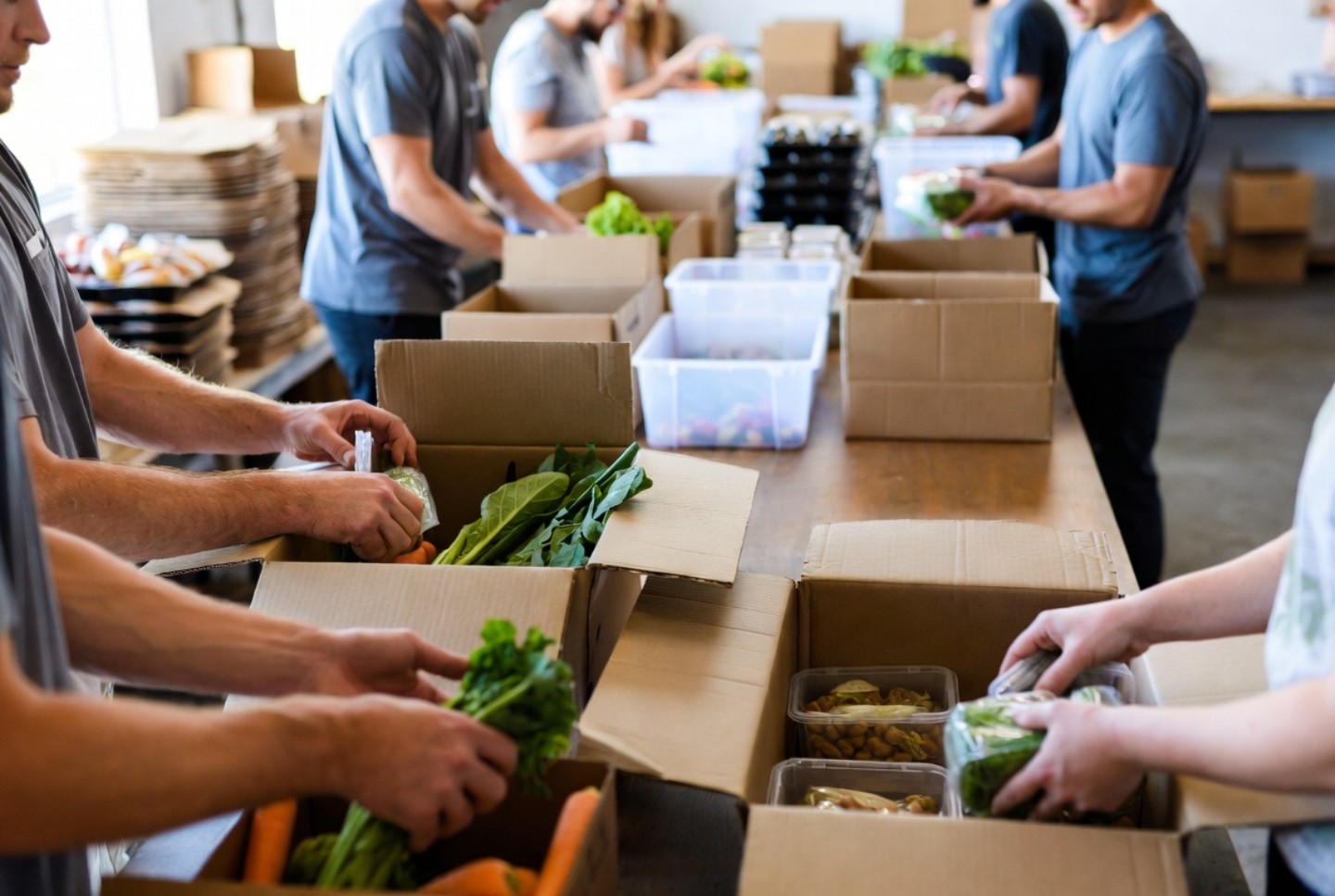
Local kitchens support farmworkers, seniors, and families across the valley. Volunteer shifts often involve meal prep, packing, and distribution. These spaces are practical, welcoming, and quietly powerful.
Food Banks and Mobile Pantries:
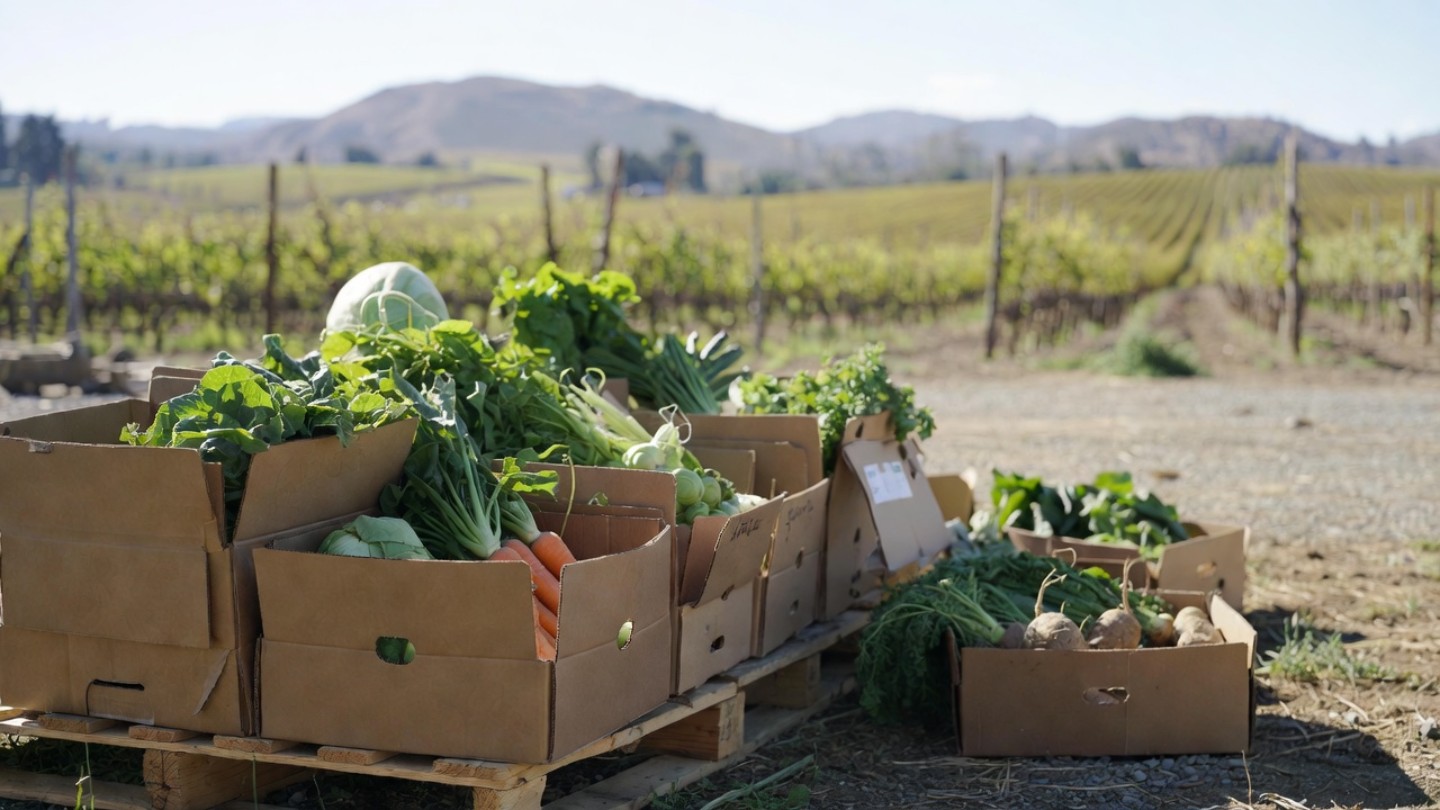
Seasonal surpluses from vineyards and farms often flow directly into food access programs. Volunteers help sort produce or assist with neighborhood distributions.
Local note: Most shifts start early and wrap up by early afternoon, usually around 1:00 PM, leaving plenty of time to explore the valley floor afterward.
Vineyard and Agricultural Volunteer Programs
This is where Napa’s identity comes into focus.
Sustainable Vineyard Workdays:
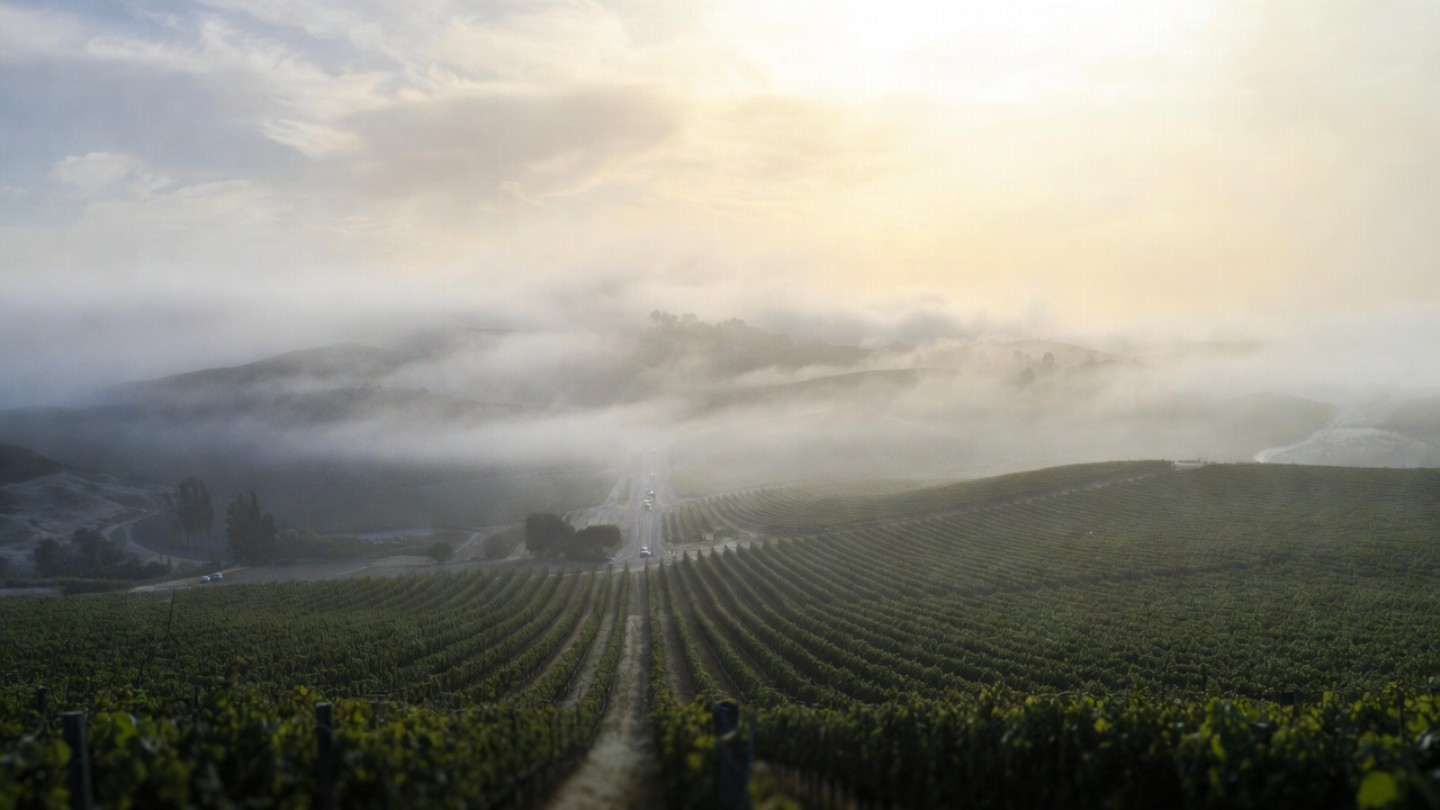
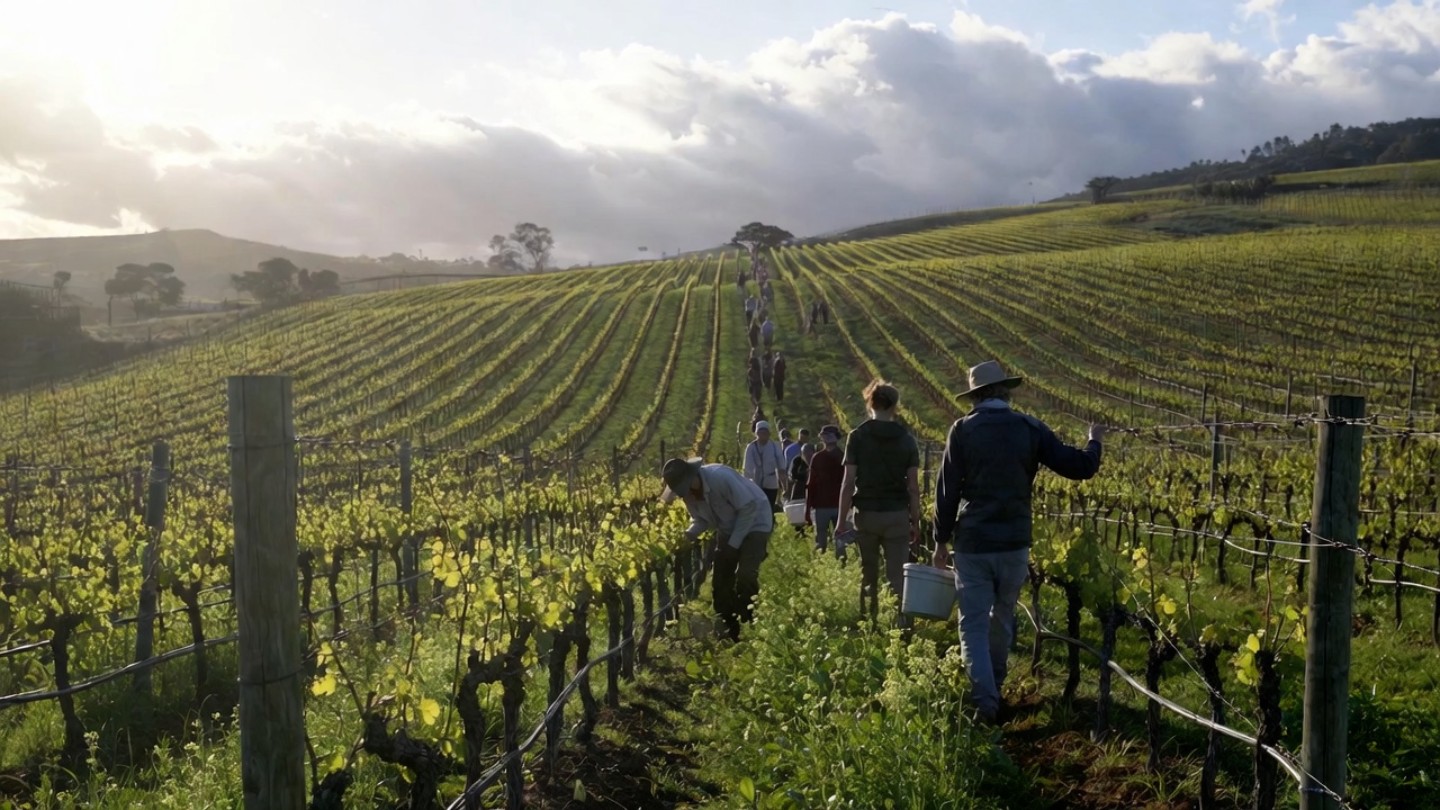
Some vineyards partner with nonprofits to host volunteer days focused on soil health, cover crops, erosion control, and habitat restoration.
Teaching and Community Gardens:
Several valley organizations maintain gardens that support schools and local families. Volunteers help plant, harvest, and maintain these spaces throughout the growing season.
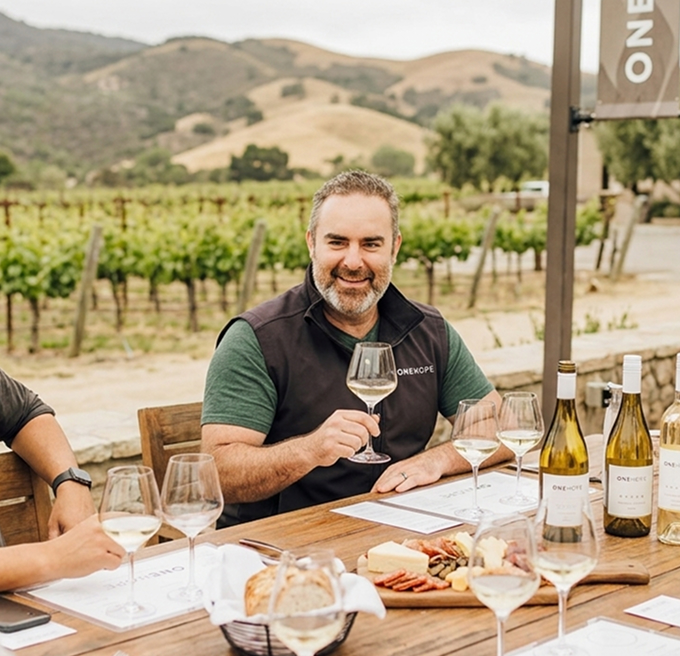
At Estate 8 and through ONEHOPE’s broader community work, we talk often about stewardship. Vineyards are not just production spaces. They are ecosystems. Getting your hands in the dirt changes how you understand the land and the people who care for it.

When to Plan Your Volunteer Visit
Late Winter to Spring (Mustard Season):
Planting, garden prep, and food programs ramp up as the growing season begins.
Summer:
Early morning vineyard work and food distribution shifts, often paired with education about sustainable farming.
Harvest Season (Fall):
Food access needs increase, and agricultural nonprofits welcome extra hands to support the workforce.
Local tip: Midweek is best. Weekend slots fill quickly and are often reserved for local volunteers.
What Most Visitors Miss
Many assume volunteering in Napa is formal or corporate. In reality, most opportunities are small, relationship-driven, and deeply local. You are more likely to work alongside a vineyard manager or kitchen coordinator than a large group of visitors.
You will also notice how interconnected the valley is. The same vineyard supplying grapes may also donate produce to a food program. The same hands that harvest fruit often help feed neighbors.
A Short Personal Moment
One afternoon years ago, after a stretch of rain slowed vineyard work, I helped pack food boxes in a small warehouse near town. Mud still on boots. Coffee in mismatched mugs. Quiet conversations about weather and the coming season. It reminded me that Napa’s hospitality starts long before anyone pours a glass. That way of thinking is woven into everything we try to do at Estate 8 and through ONEHOPE. I am a little biased, it is my passion, but once you see the valley this way, it is hard to unsee it.
How to Plan a Volunteer-Focused Trip from Alameda County
Morning:
Leave early and aim to cross the Carquinez Bridge by 8:00 AM. Volunteer with a community kitchen, garden, or food program.
Midday:
Have a simple lunch in downtown Napa or Yountville. Oxbow Public Market and Gott’s Roadside are easy, unfussy stops.
Afternoon:
Walk along the Napa River, visit a small family-run tasting room, or drive a quiet stretch of Silverado Trail.
Optional Overnight:
Stay in Napa town or the south valley to avoid evening traffic and keep the pace grounded.