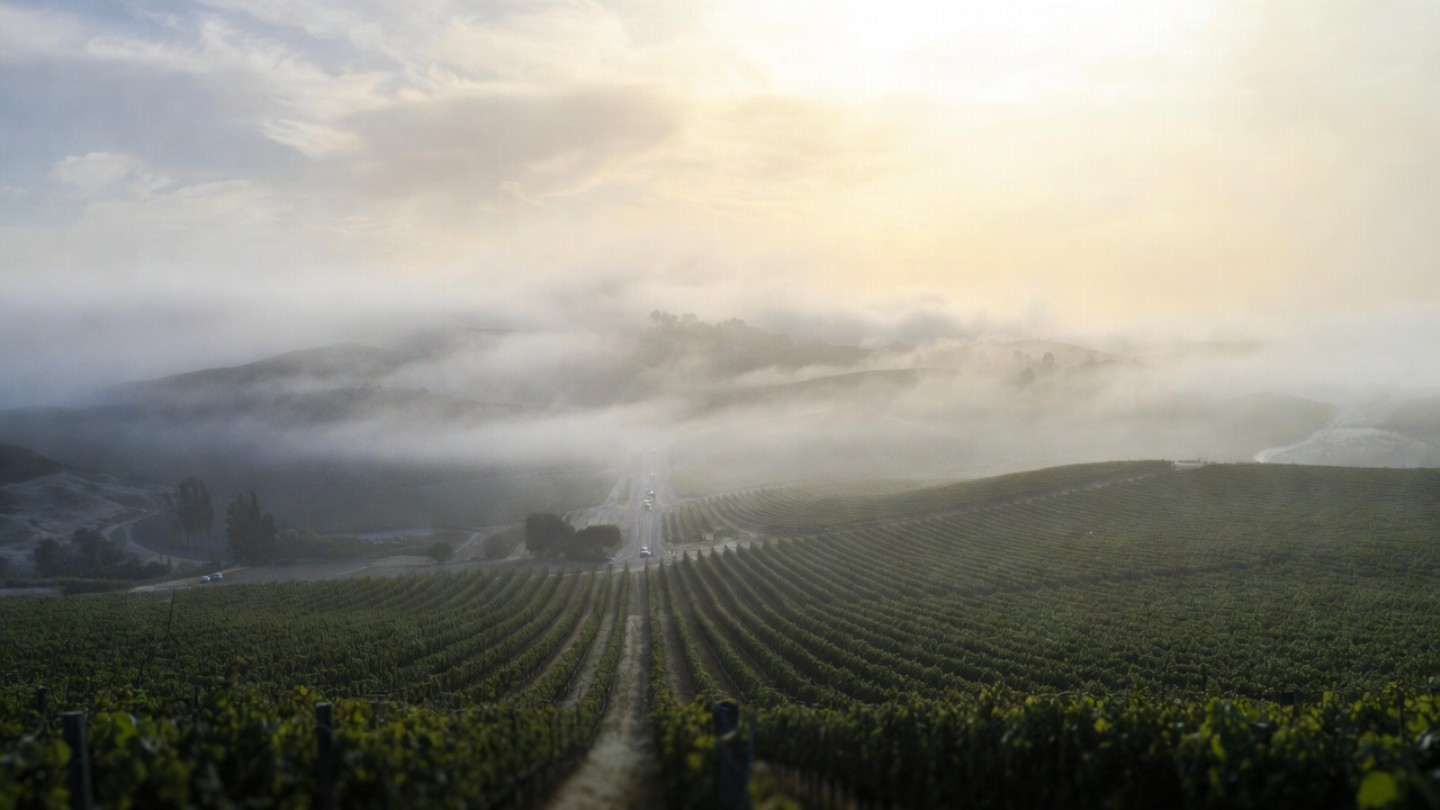
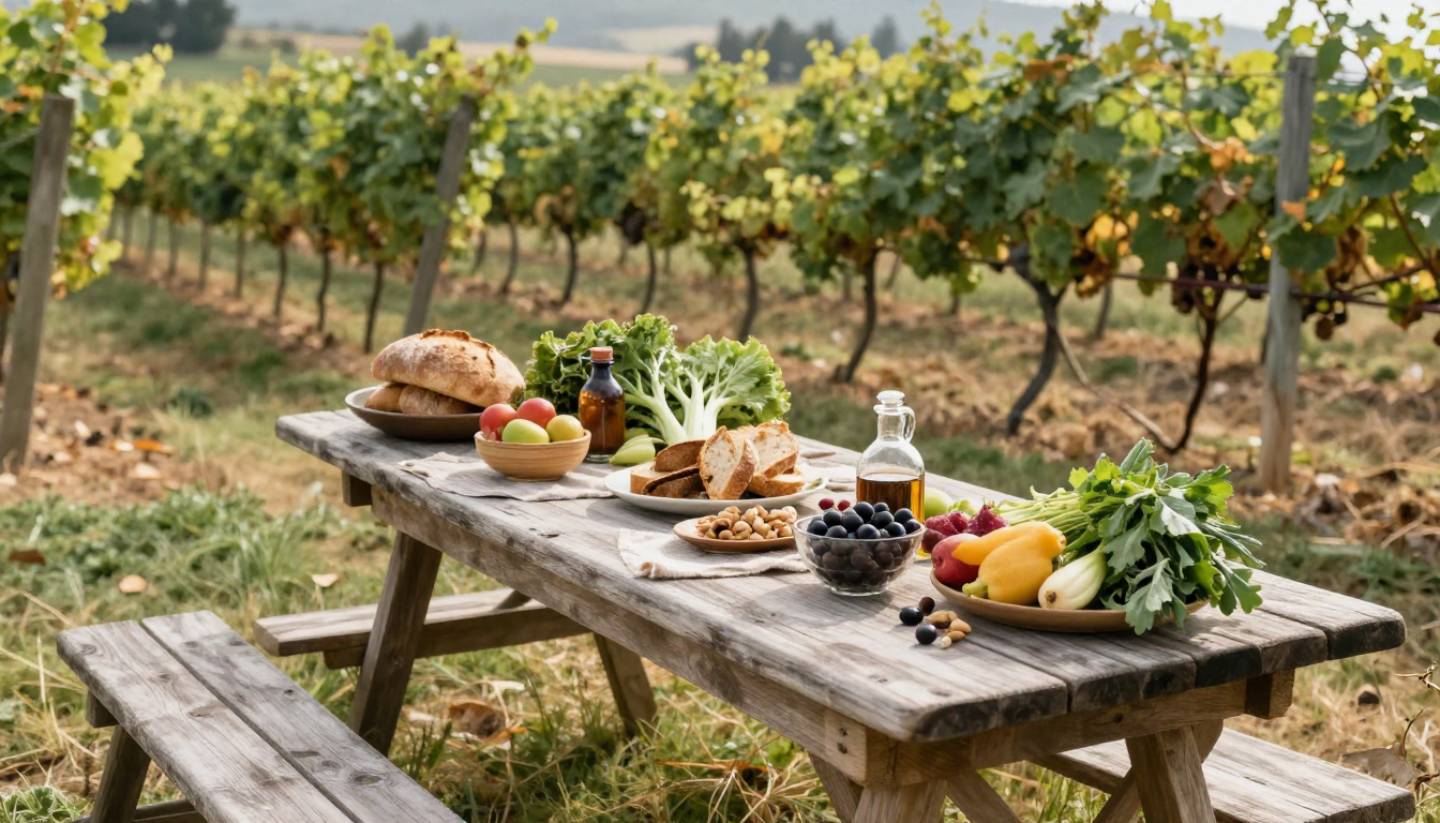
From Alameda County, Napa feels like a natural extension of the East Bay’s plant-forward culture. You leave Oakland, Berkeley, or Alameda mid-morning, cross the Carquinez or San Rafael Bridge as the bay light shifts, and within ninety minutes the landscape opens. Vineyards replace concrete. The air dries out. The noise fades. Meals start to feel intentional again.
This guide is built for vegan and plant-based travelers who want Napa without compromise or explanation. It focuses on kitchens that treat vegetables as the starting point, wineries that understand sustainability as a daily practice, and markets where food still feels connected to soil and season. Napa may be famous for Cabernet, but at its core it has always been agricultural. That foundation makes it surprisingly aligned with plant-forward values when you know where to look.
Why Napa Works for Plant-Based Travelers
Napa’s food culture starts in the field, not on the plate. While many menus are not labeled vegan, the valley’s best kitchens cook seasonally and build dishes around what is growing right now. For plant-based travelers, this often leads to meals that feel more creative and complete than token vegan options elsewhere.
Locals tend to guide vegan travelers toward Downtown Napa and Yountville. Both offer high walkability and a concentration of Michelin-recognized chefs who understand vegetable technique at a high level. Mid-valley wineries also tend to align closely with organic, biodynamic, and regenerative farming practices, which mirrors the values found throughout the East Bay food community.
When to Go
Spring (March to May)
Asparagus, peas, and early greens. Cool mornings and ideal walking weather
Summer (June to August)
Heirloom tomatoes and stone fruit. Plan early meals to avoid afternoon heat
Fall (September to October)
Harvest season brings squash, mushrooms, and deeper flavors. Busy but rewarding
Winter (January to February)
Mustard season. Quiet roads and the most flexibility for custom plant-based menus
The Itinerary: Grounded, Intentional, and Unrushed
Morning: Arrival and Market First (10:00 AM)
Leave Alameda County after breakfast once I-80 traffic settles. Enter Napa via Highway 37, where wetlands and open sky gently reset the pace before the vines appear.
Start Downtown at Oxbow Public Market. This is the most reliable place in Napa to assemble a plant-based meal without compromise. Local produce, fresh bread, nuts, fruit, and prepared foods allow you to eat intuitively rather than hunt for substitutions.
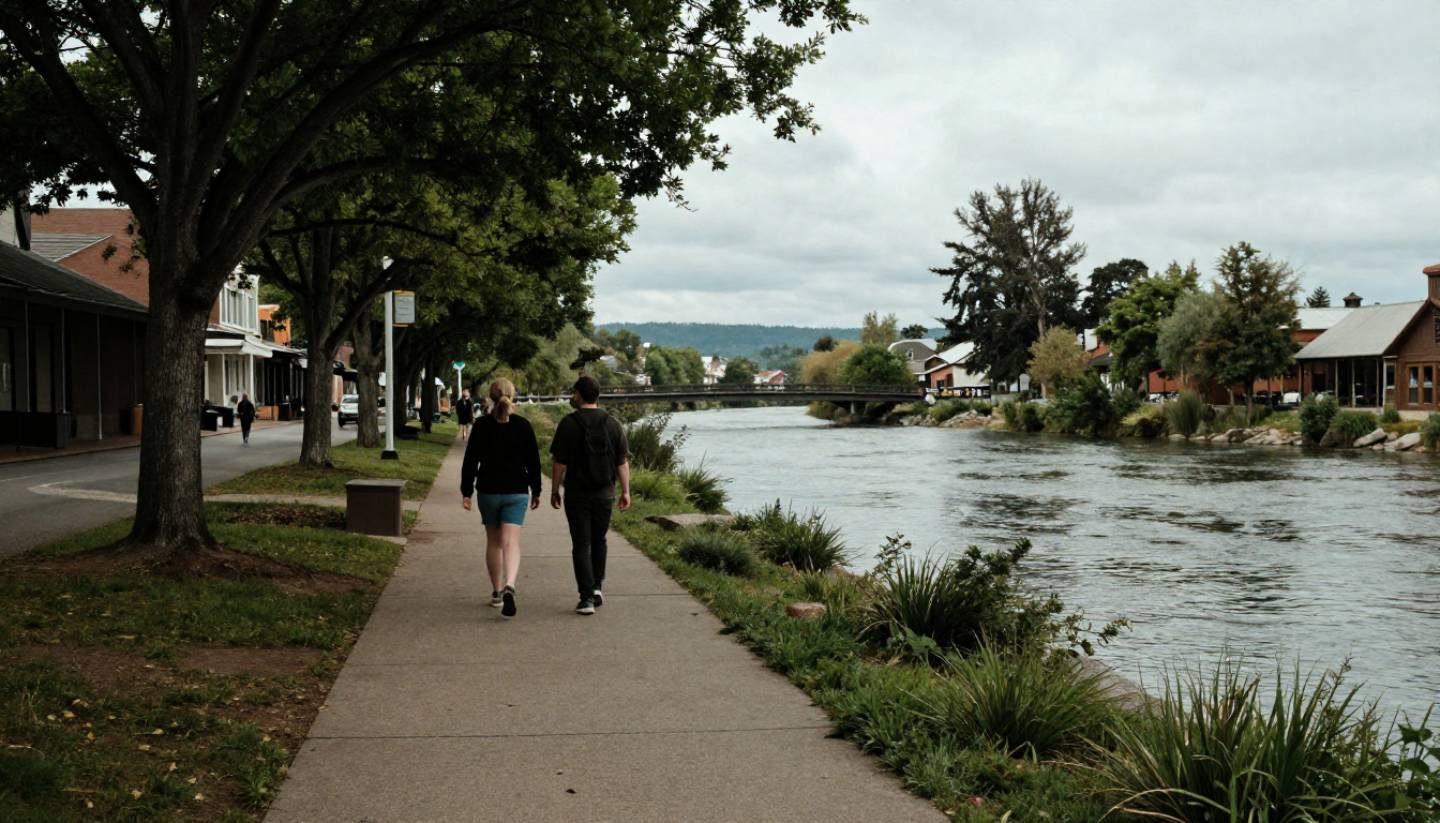
Local directional cue: Walk the Napa Riverfront path directly behind Oxbow. This loop grounds you in the valley before you head up valley, and it is one of the most overlooked resets in Napa.
Midday: One Intentional Tasting (12:30 PM)
Choose a winery that prioritizes land stewardship. Look for estates practicing organic, biodynamic, or regenerative farming and ask directly about fining practices.
Local cue: Smaller appointment-only tastings in Oak Knoll or Rutherford tend to offer the most transparent conversations about vineyard inputs and winemaking choices.
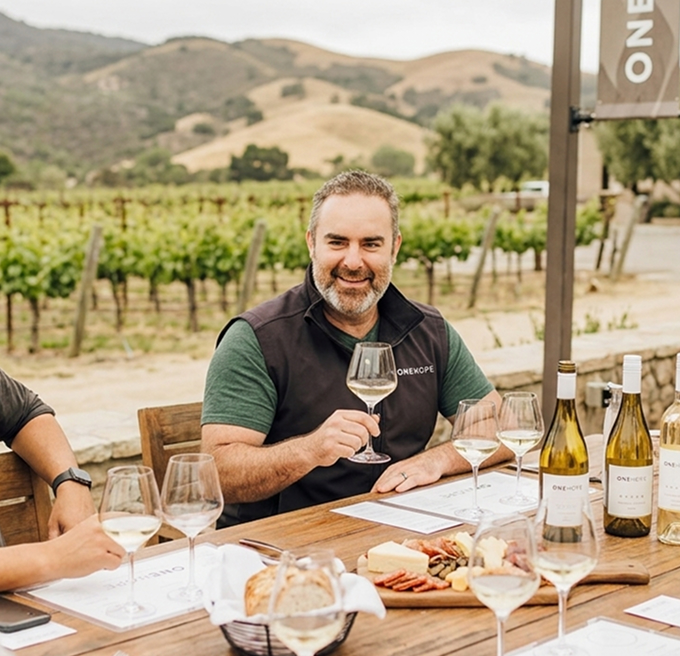
Jake’s Note: When friends come up from Oakland or Berkeley with plant-forward values in mind, I often suggest ONEHOPE Winery at Estate 8. I’m obviously biased since it’s my life’s work, but the focus on regenerative farming and the open, agricultural setting tends to resonate. It’s a place where you can sit quietly with a glass and feel connected to the land rather than managed through a script.
Lunch: Vegetables as the Center (2:00 PM)
Head north toward Yountville.
- Bottega: Italian flavors translate beautifully to plant-based plates, especially the seasonal vegetable sides
- Oakville Grocery: Just north of town. Ideal for olives, nuts, bread, and picnic-ready produce
- Simple option: A bakery stop followed by a shaded walk often feels more satisfying than a heavy sit-down meal
Yountville’s scale makes it easy to walk after lunch. The paved path along Washington Street allows the day to slow without needing another stop.
Afternoon: Silverado Trail Drive (3:30 PM)
Instead of returning south on Highway 29, cross over to the Silverado Trail. This eastern road runs quieter and greener, framed by oak trees and the Vaca Range. It feels less commercial and more agricultural, which is often where plant-forward travelers feel most at home.