If you live in Alameda County, sustainability is not a trend. It is how you shop the farmers market in Oakland on a Saturday morning. It is how you choose where to eat in Berkeley. It is the quiet calculation you make about sourcing, labor, and who you are supporting every time you spend a dollar.
What surprises many East Bay visitors is how deeply those same values run through Napa Valley. Beneath the tasting rooms and manicured roads, Napa is still an agricultural place. Families farm the same parcels year after year. Decisions are made with seasons and decades in mind. The land sets the pace.
For Alameda County travelers who care about how things are grown, made, and shared, Napa offers a quieter and more intentional experience that feels immediately familiar.

What This Experience Is Really About
This is not about green labels or marketing language. It is about intention and restraint.
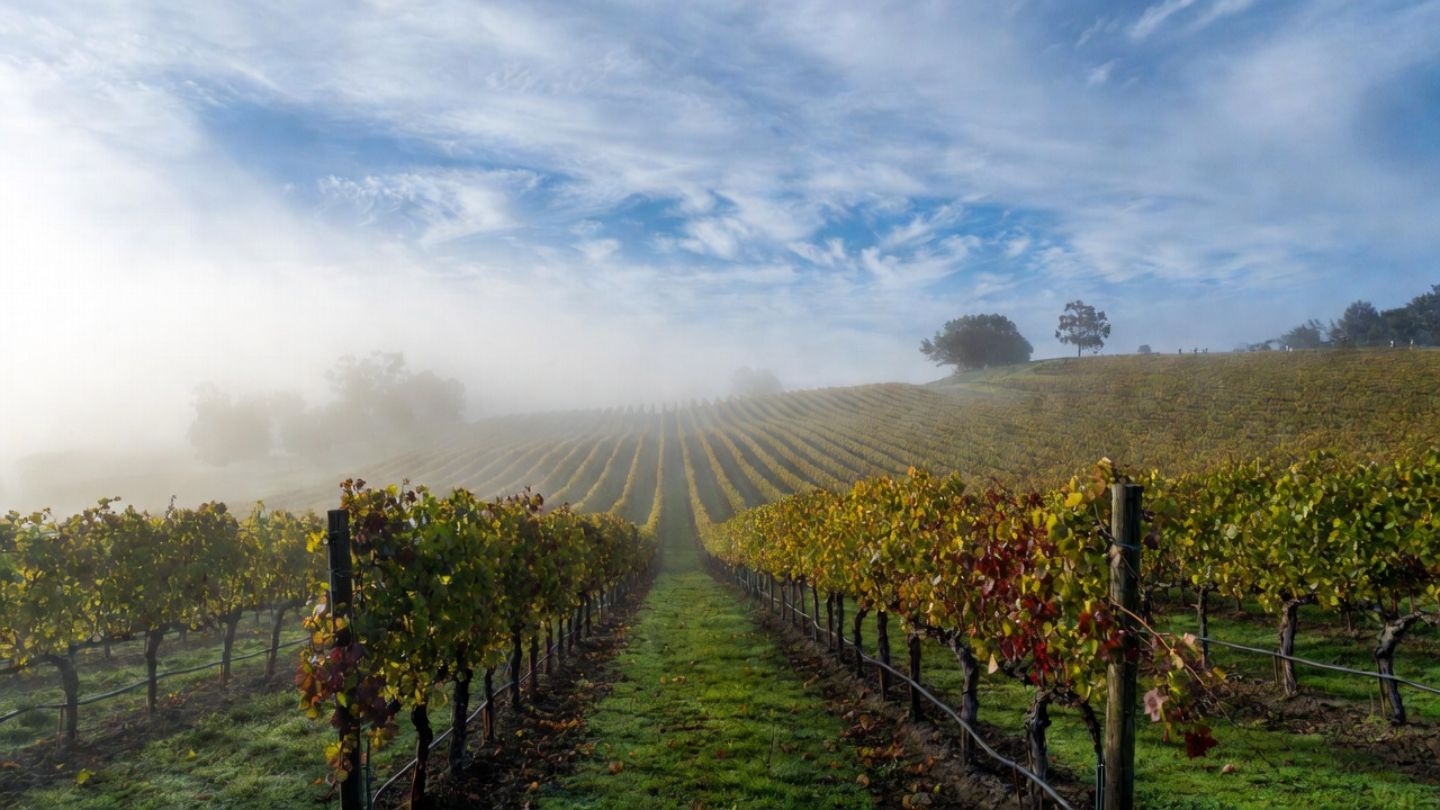
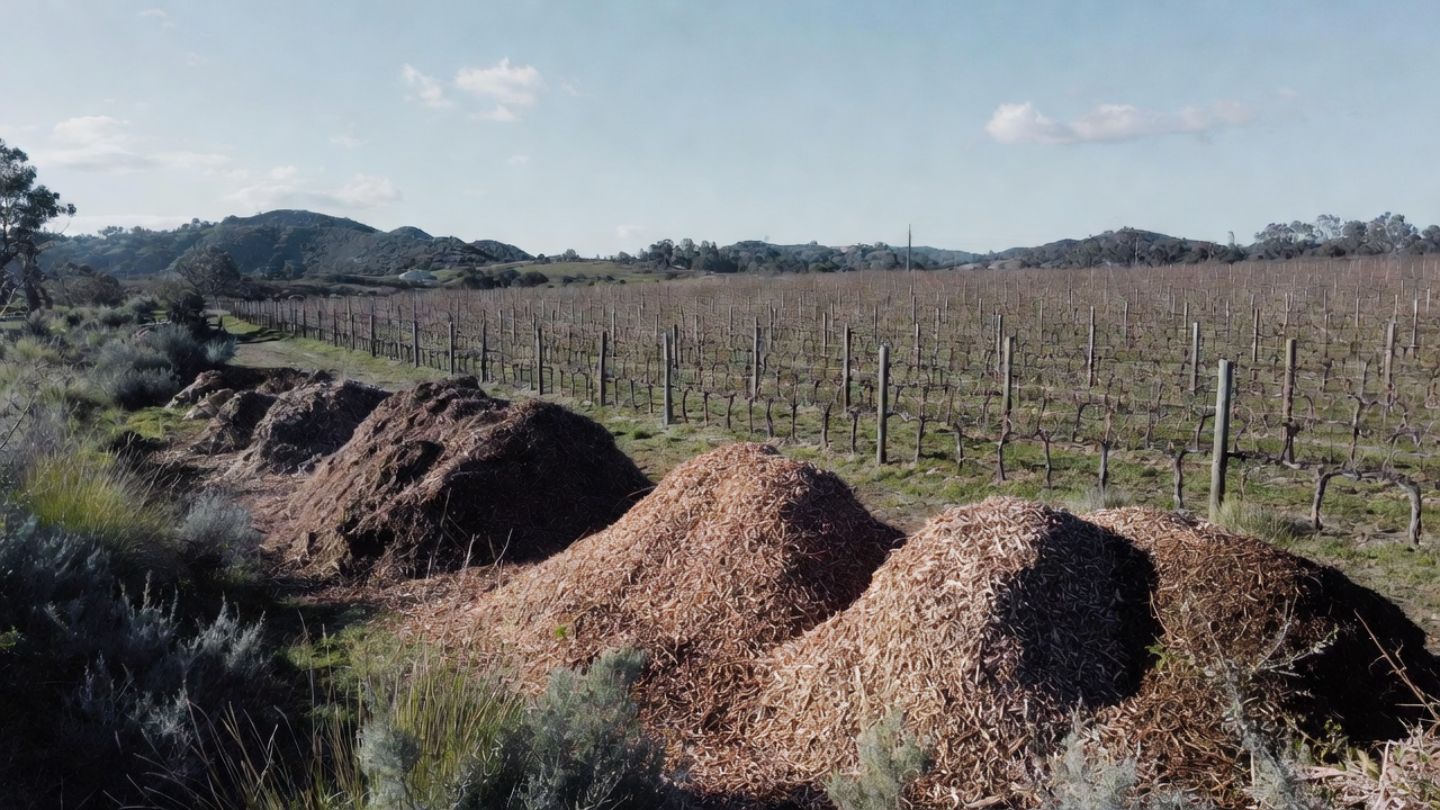
In Napa, sustainability often looks like vineyards farmed organically or regeneratively long before it was fashionable. It looks like cover crops planted for soil health rather than aesthetics. It looks like restaurants that write menus around what nearby farms can actually provide that week.
Service tends to be slower, not because it is inefficient, but because care takes time. For East Bay visitors, this feels familiar. It mirrors the values that shape food culture throughout Alameda County, where transparency and trust matter more than spectacle.
Where Napa’s Sustainability Really Shows
Farming First Wineries
Many of Napa’s most thoughtful wines come from producers who farm their own land. When the vineyard comes first, decisions become quieter and more patient. You taste site, season, and stewardship rather than polish.
Seasonal Kitchens
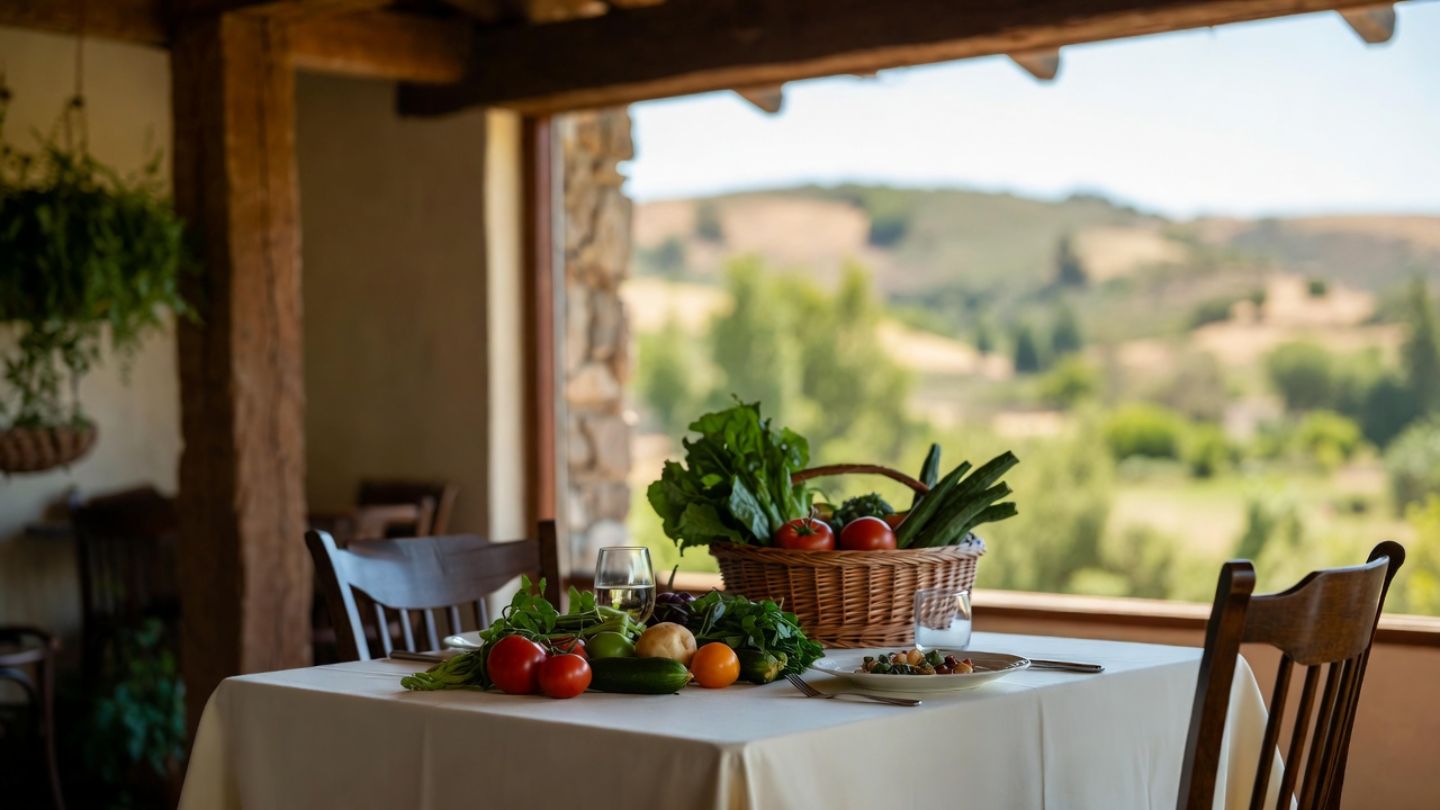
Napa dining is at its best when chefs cook to the calendar. Look for restaurants that work closely with local growers and treat vegetables with the same respect as protein. Menus that change often are usually a good sign.
Smaller Scale Hospitality
The most meaningful Napa experiences tend to happen away from large crowds. Appointments that feel like conversations. Properties designed for gathering rather than throughput. Hospitality that feels personal rather than engineered.
What Most Visitors Miss
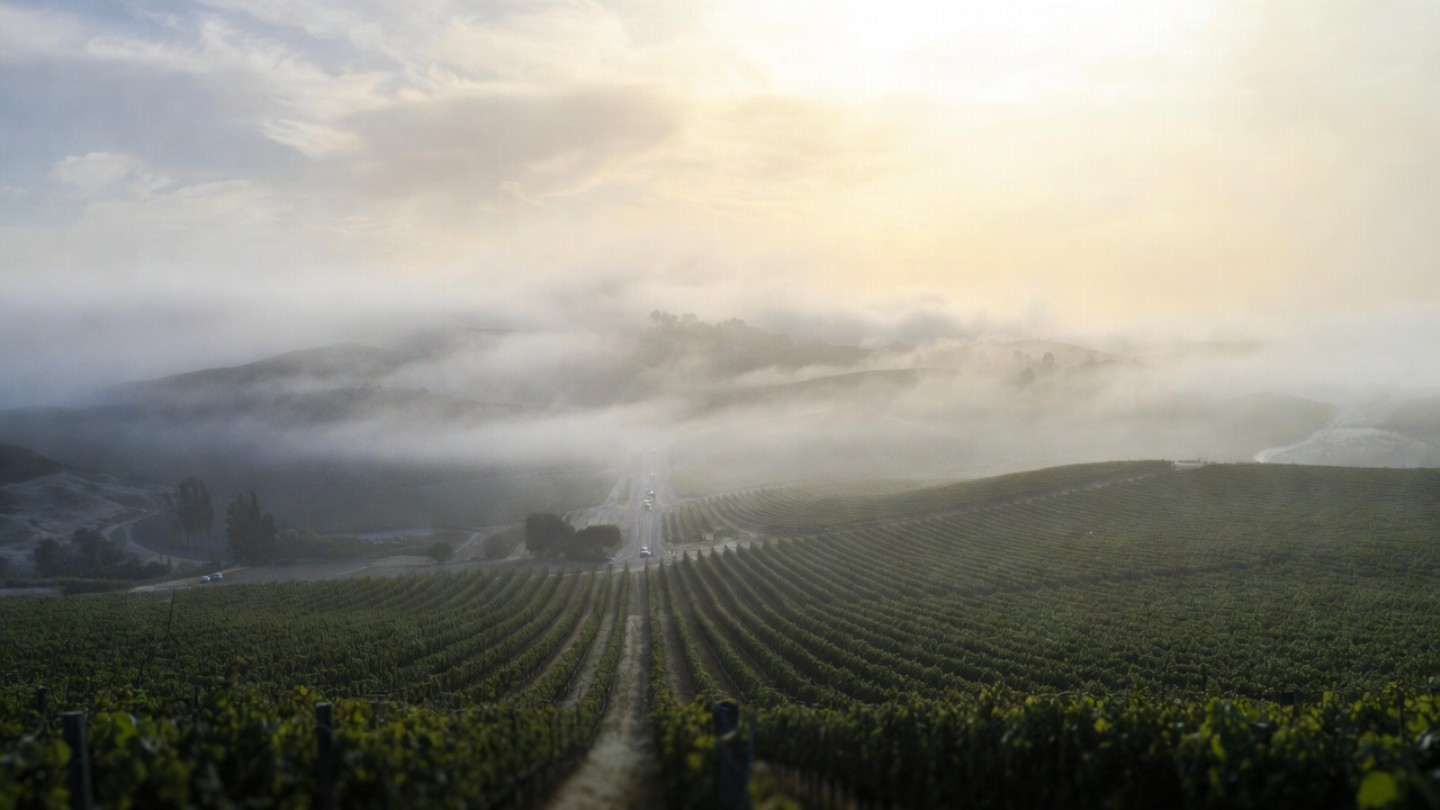
Many visitors equate sustainability with signage. In Napa, it is often unspoken. It shows up in vineyards that are dry farmed to conserve water. In cellars where nothing is rushed. In families who choose not to expand because balance matters more than scale.
You feel it most clearly during the slower, truer Napa midweek, when the valley has time to breathe.
A Short Personal Story
When I was younger, I spent time walking vineyards with growers who could tell you where frost settled and where fog lingered just by looking at the vines. Sustainability was never a talking point. It was assumed. The land was something you borrowed and cared for, not something you optimized.
That mindset shaped how I grew up here, and it still defines the parts of Napa I am most proud of.
How to Experience Napa Through a Sustainable Lens
Slow down and leave space in your day. Sustainability favors time and attention.
Ask questions about farming and soil health. The best producers welcome curiosity.
Travel midweek when possible. Quieter roads and tasting rooms make for a lighter footprint.
Choose lodging and dining that reflect the same values you live by at home.
Wineries and Food That Often Resonate With East Bay Travelers
- Frog’s Leap in Rutherford for organic and dry farmed vineyards
- Matthiasson for farmer first winemaking rooted in balance and history
- Farmstead at Long Meadow Ranch for seasonal cooking tied directly to the land
- Small family run producers throughout Carneros and Coombsville that emphasize stewardship over scale
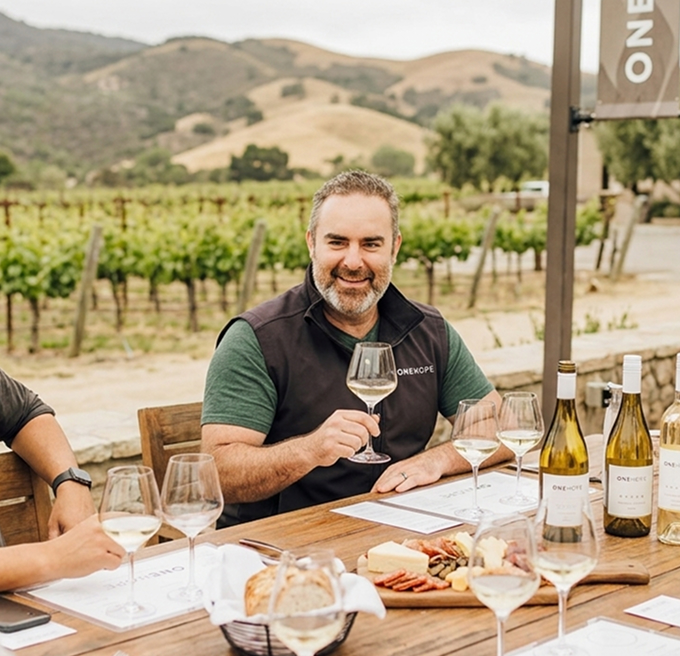
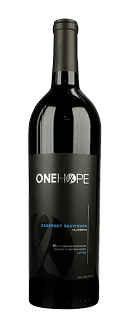
I will acknowledge a bit of personal bias here. ONEHOPE and Estate 8 are very much my passion and purpose. They were built with long term stewardship in mind and with the belief that hospitality should give back more than it takes. That philosophy mirrors the values I see every day throughout Alameda County.