If you live in Alameda County, you already understand the appeal of a good walking town. Places where you can park once, wander with a coffee, duck into a bookstore or bakery, and let the day unfold without a rigid plan. Napa Valley has two towns that reward that exact mindset.
Yountville and St Helena are built for people who like to move slowly, notice small details, and judge a place by how it feels on foot. Coming from Oakland, Alameda, or Piedmont, they feel familiar in the best way. Small, human, and quietly complete. This is Napa without the windshield.
What This Experience Is Really About
This is not about maximizing winery visits. It is about staying present.
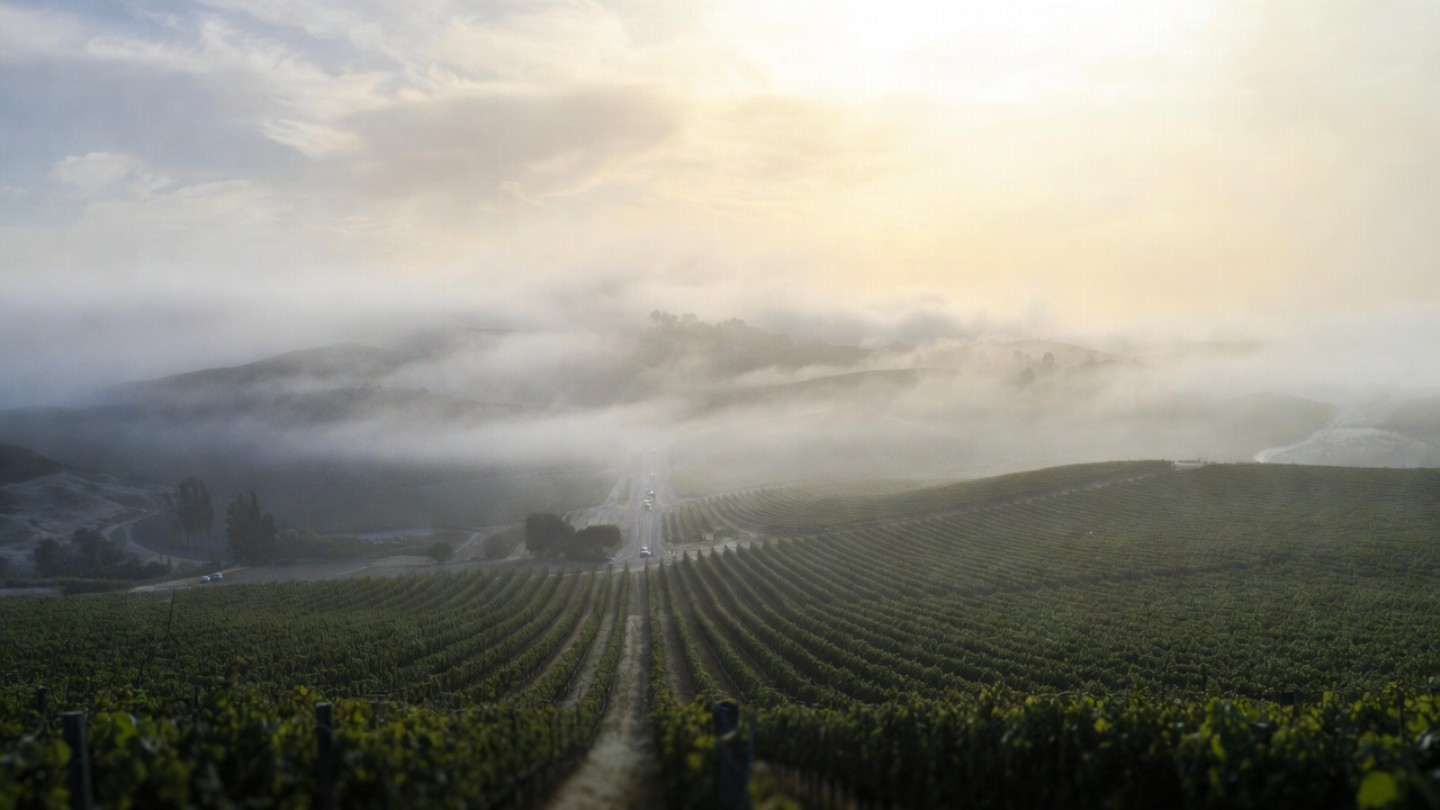
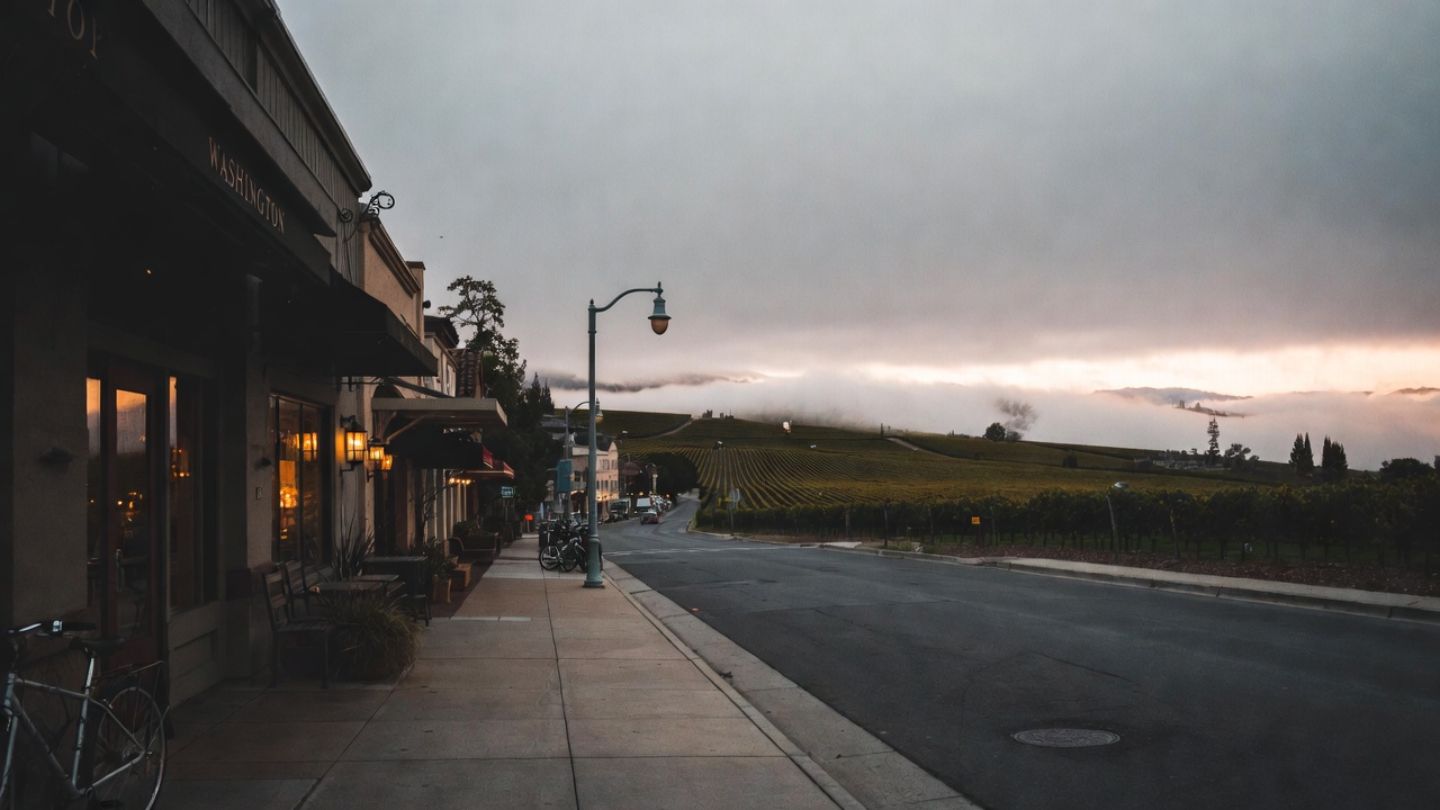
Walkable Napa days feel different. You taste more slowly. Conversations stretch. You notice the lift of the morning fog along the Rutherford benchlands and the rhythm of a town between reservations. For anyone used to strolling Piedmont Avenue or Park Street in Alameda, Yountville and St Helena offer that same human scale, just set against vines instead of storefronts.
Yountville: Napa’s Easiest Walking Town
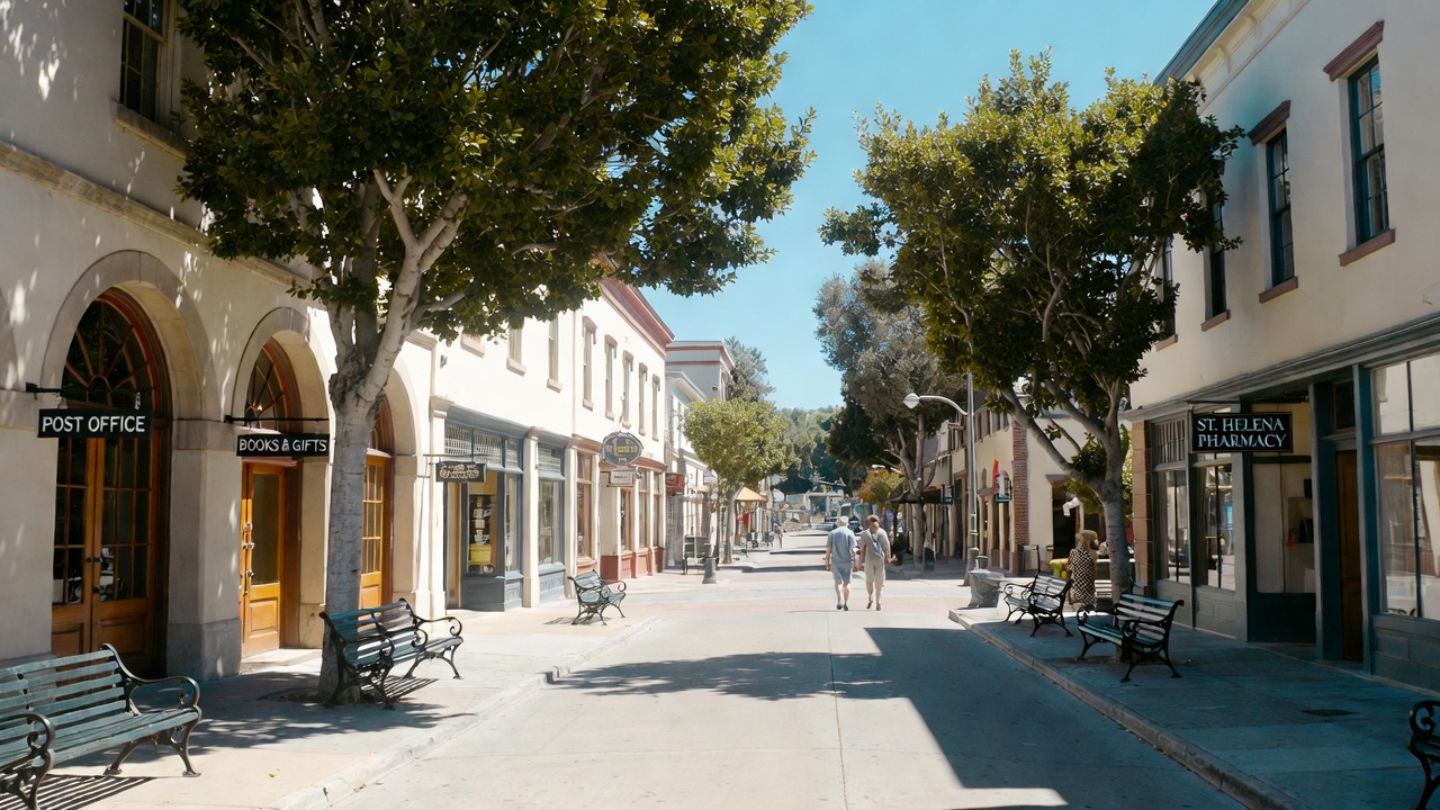
Yountville is flat, compact, and intentionally designed for pedestrians. Sidewalks are wide and nearly everything you need sits within about a mile.
What you can walk to:
- Tasting rooms clustered along Washington Street
- Bakeries and casual cafes
- The Napa Valley Vine Trail
- Inns and small hotels tucked just off the main road
Local note: Early morning is when Yountville feels most like itself. The valley is quiet, fog often lingers, and the town belongs to those who woke up early enough to enjoy it.
St Helena: A Longer, Looser Stroll
St Helena rewards patience. Its Main Street feels like a true small town rather than a resort strip, with natural pauses that slow you down.
What makes it walkable:
- A central historic district with independent shops
- Stone buildings and old shade trees
- Tasting rooms woven into the town fabric
Local note: Park once near the public library or downtown lots and commit to walking north and south. The town reveals its history block by block.
Where to Eat While Staying on Foot
Walkable days depend on reliable food without getting back in the car.
Yountville
Morning pastries, casual lunches, and relaxed dinners are all within a few blocks of each other.
St Helena
Coffee shops anchor the morning, with lunch counters and dinner spots spread along Main Street. Gott’s Roadside remains an easy, unpretentious stop between walks.


What Most Visitors Miss
Many visitors treat Napa towns as quick stops between wineries. That approach misses the soul of the place.
The best moments happen between destinations. On benches, at coffee counters, or down side streets where nothing is scheduled. Walkable Napa rewards people who leave space in their day and let the town breathe.
How to Make It Memorable
- Choose lodging inside town limits so coffee is a walk, not a drive
- Limit tastings to two or three so walking stays enjoyable
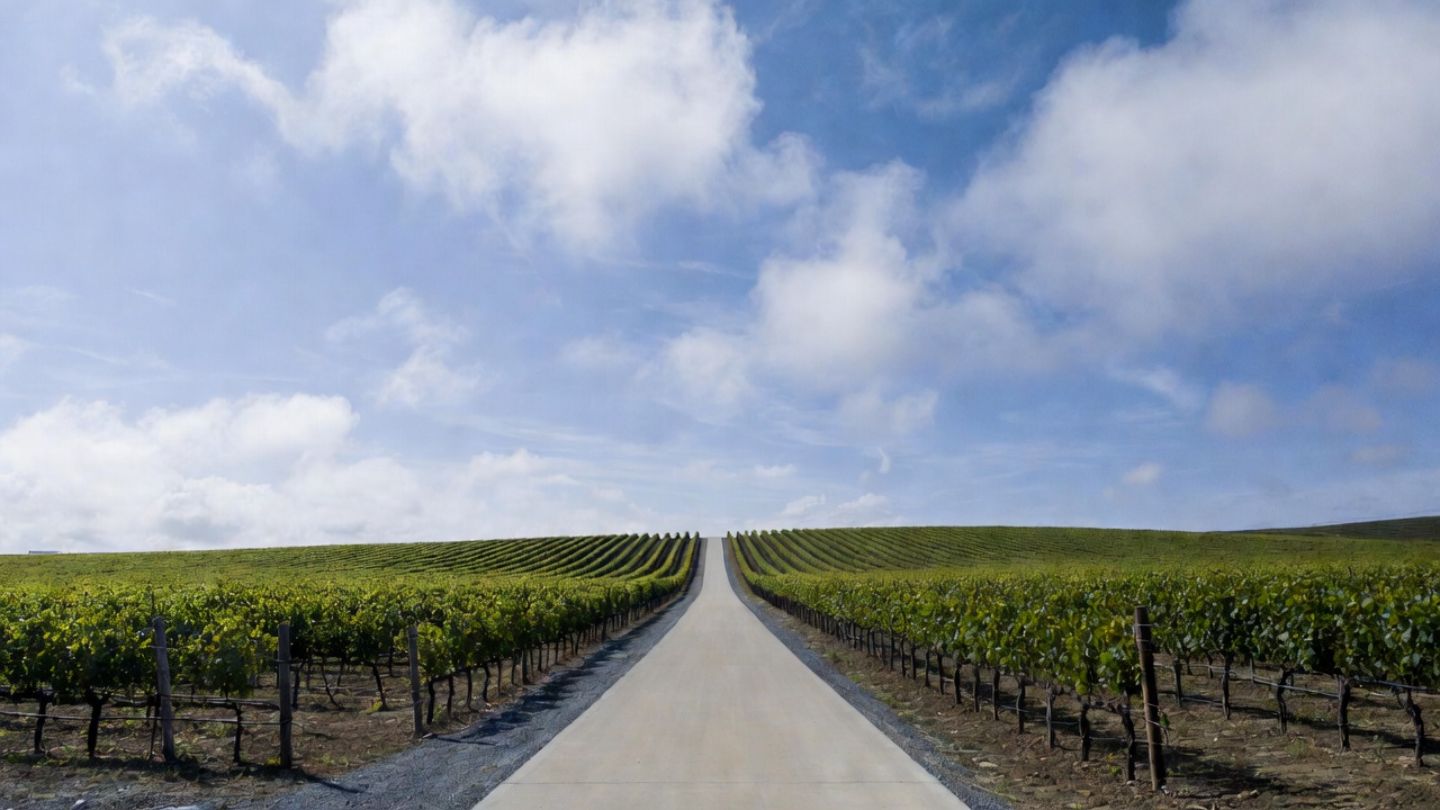
- In Yountville, start near Yountville Cross Road and walk toward the center to watch the vineyards open up
A Short Personal Story
Some of my favorite Napa afternoons happened without a reservation. I remember walking Yountville after a quiet lunch, no plan beyond turning down streets that felt inviting. That was the day Napa stopped feeling like a destination and started feeling like a place I belonged, even if only for a few hours.
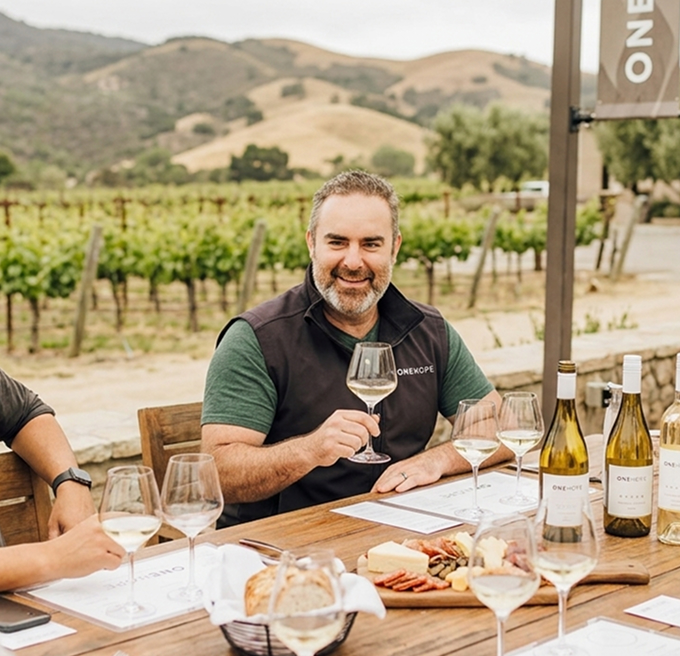
When friends visit Estate 8, I usually send them into town first with one simple instruction. Walk before you taste. The same idea carries through ONEHOPE experiences too. Wine lands differently when you meet Napa at walking speed. I will admit a little bias there. It has always been how I experience the valley.