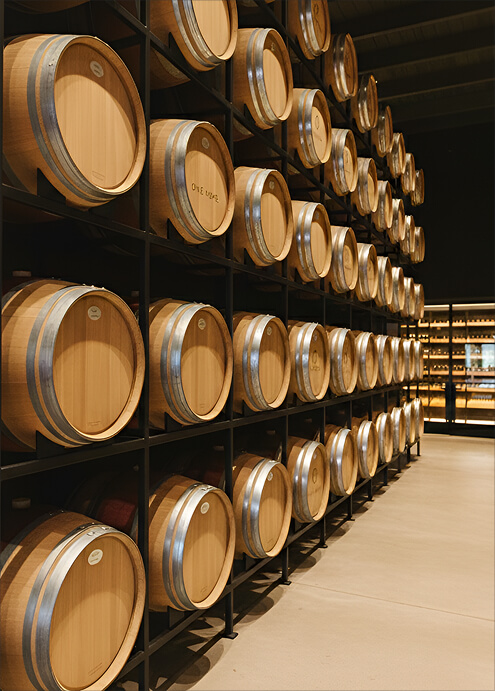
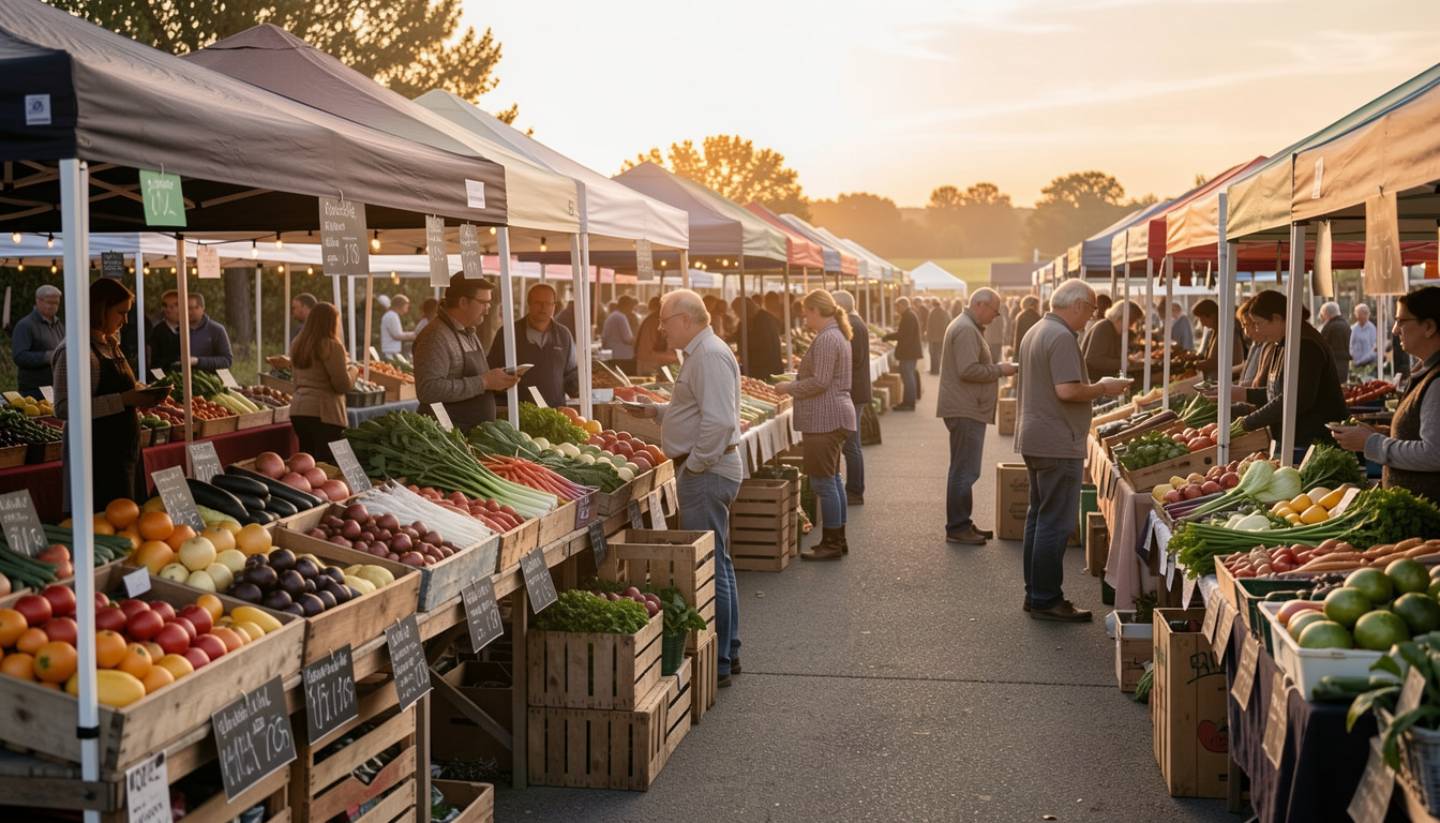
If you are coming up from Alameda County for farmers markets, you already understand something essential about Napa.
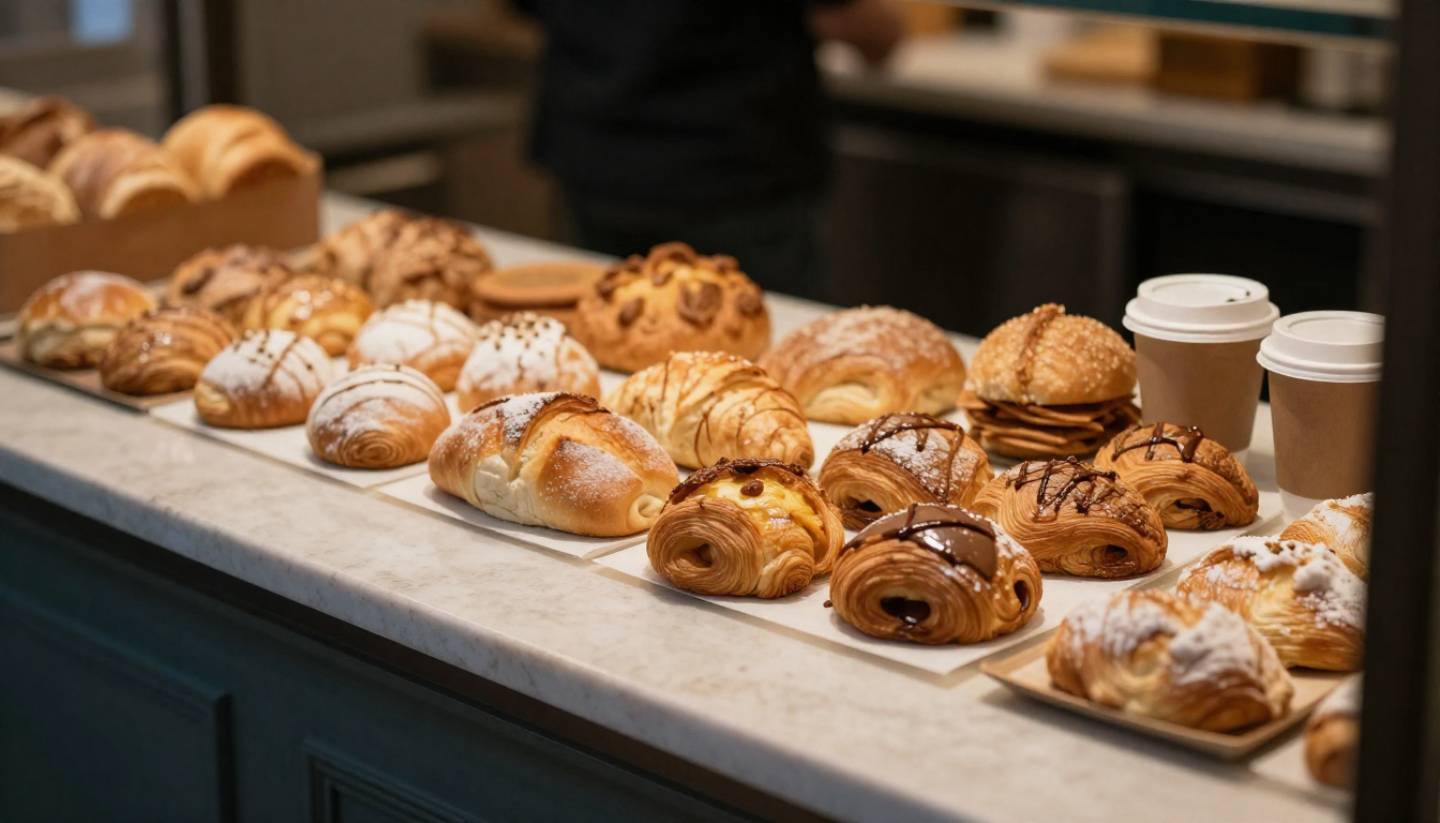
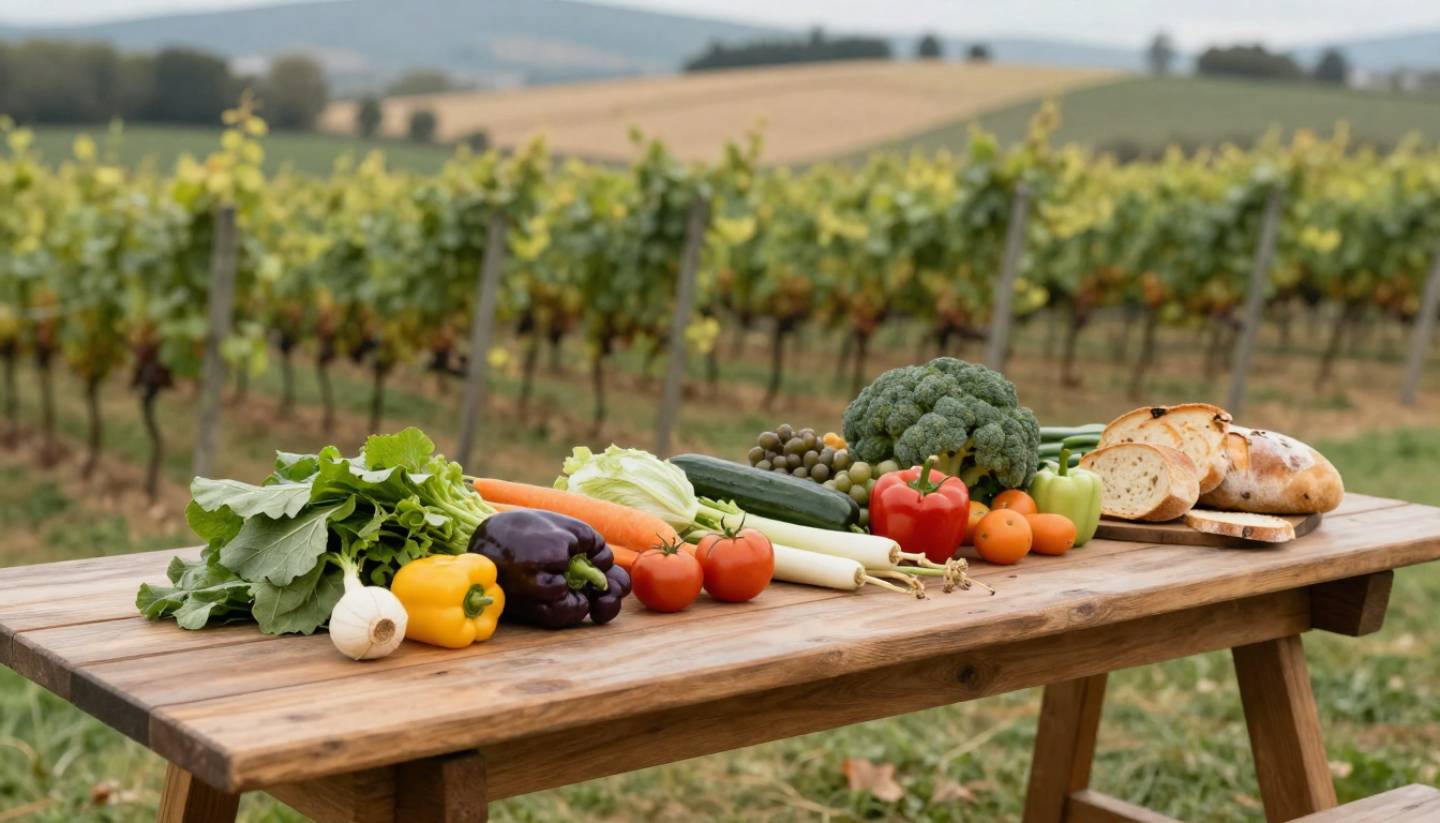
This valley is not just about what ends up in the glass. It is about where food begins. Early mornings. Soil still clinging to carrots. Bakers sliding trays into the cooling air just after sunrise. Napa speaks fluently to people who shop seasonally at Grand Lake or Temescal, who understand that food tastes better when it has context.
For travelers from Oakland or Berkeley, Napa feels familiar in the best way. The pace is slower, but the values align. Respect for the land. Long relationships with growers. A belief that simple food, done with care, is enough.
Why Napa Feels Right to East Bay Market Shoppers
For Alameda County residents used to building meals around what looks best that morning, Napa is a natural extension of that rhythm.
- Short Supply Chains: Many growers at Napa markets supply the valley’s restaurants directly
- Seasonal Visibility: You can see vineyards, orchards, and row crops from the stalls themselves
- Food Without Theater: Ingredients lead, presentation follows
- The Long Exhale: Markets flow naturally into coffee, walks, and unhurried meals
This is not a destination for racing between stops. Napa rewards people who linger.
A Market First Route That Always Works
Carneros to Downtown Napa
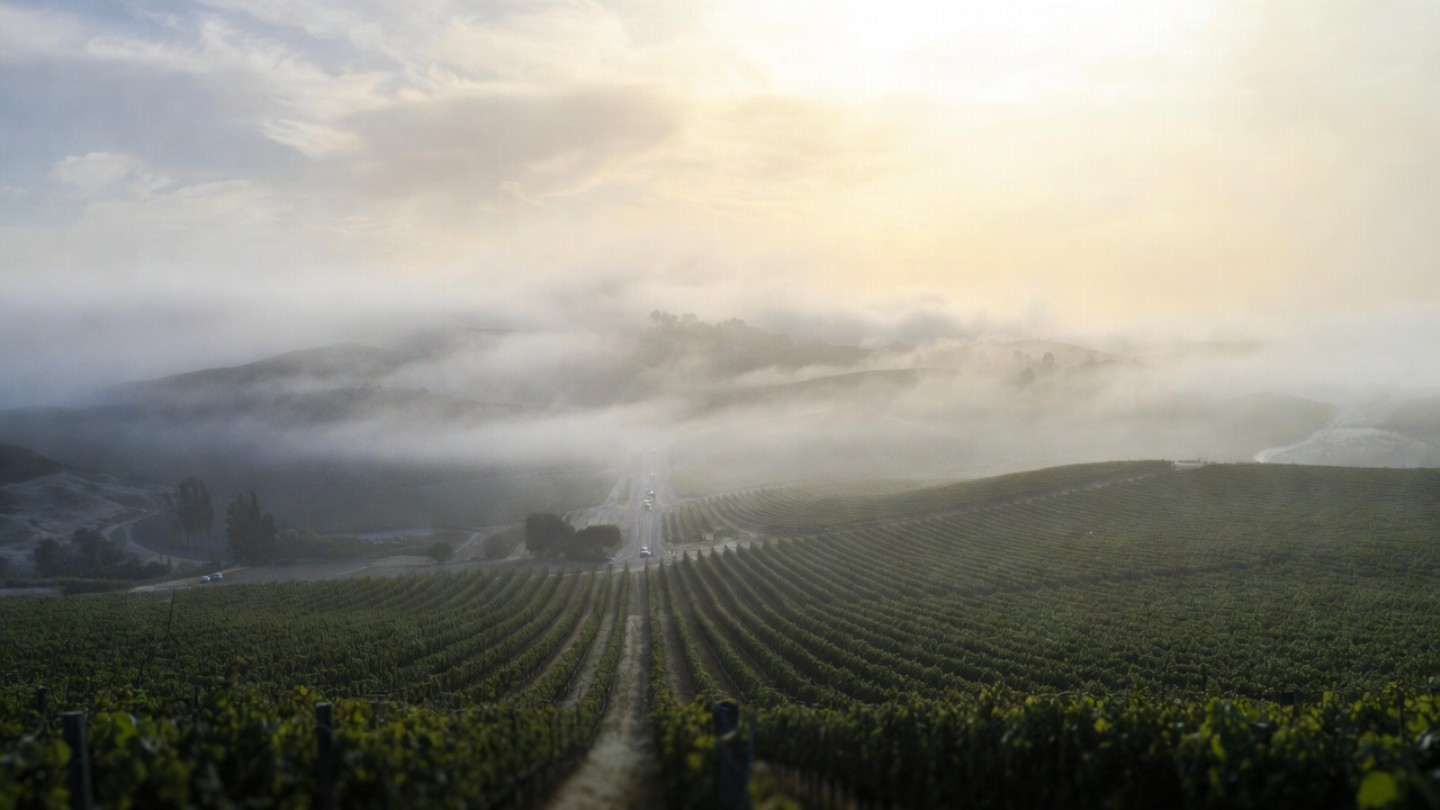
Approaching from the East Bay via Highway 12 and 121 eases you gently into agricultural Napa. The landscape opens before the crowds appear.

Napa Farmers Market
Held near Downtown Napa, this is the most complete expression of local food culture in the valley. Expect peak season produce, heritage eggs, flowers, bread, and prepared foods that feel made for neighbors, not visitors.
Bakery Stops
- Model Bakery: Famous for English muffins that locals still argue about
- La Cheve: Located in the historic Borreo Building, bringing warmth and depth to the morning with a distinctly Napa voice
Walk It Off
Two blocks toward the Napa River is enough to let the morning settle before heading north.
Yountville to St. Helena
After the market, head north on Silverado Trail. This is the slower, truer Napa route. Fewer buses, wider views, better light.
Yountville
This is where market ingredients start to show up on plates. Grab pastries early, then step one block off Washington Street into the residential quiet to enjoy them.
St. Helena
Grounded and agricultural at heart.
- Oakville Grocery: Founded in 1881 and still acting as the valley’s pantry
- Farmstead and The Charter Oak: Kitchens that cook the way farmers shop, seasonally, simply, with restraint
A Short Personal Story
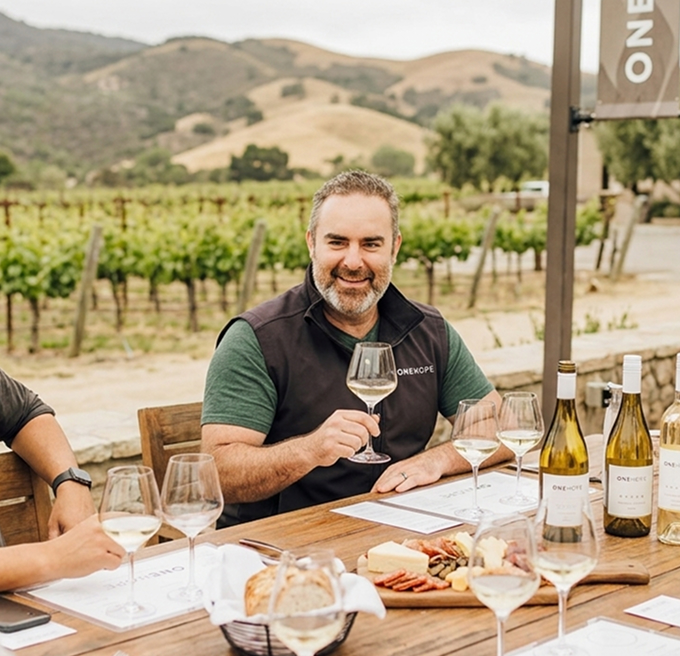
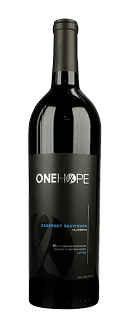
Some of my clearest Napa memories growing up had nothing to do with wine. They started at markets, watching which tables people paused at longest. I still plan weekends that way. When we were shaping ONEHOPE and Estate 8, food always came first. If you understand what is growing and baking locally, the rest of Napa reveals itself naturally.
Seasonal Notes for Market Lovers
- Spring: Tender greens, asparagus, citrus, mustard in bloom
- Summer: Heirloom tomatoes, stone fruit, bakery lines before 9 AM
- Fall: Apples, squash, and the smell of fermentation drifting through the valley
- Winter: Root vegetables, slower conversations, and the quietest bakery mornings
Where to Stay When Food Leads the Trip
- Downtown Napa: Closest to markets, bakeries, and walkability
- Yountville: Central, calm, and surrounded by ingredient driven kitchens
- Just off Silverado Trail: Quieter mornings and closer proximity to growers
Midweek stays offer better access and more conversation with the people behind the food.
A Gentle Note From Home
I will admit a little bias here. Estate 8 and ONEHOPE were built around the idea that food and wine are connectors of people, place, and memory. Our gatherings follow the same rhythm as a good market. Seasonal, generous, unforced. Napa feels most honest when you experience it through what is grown and made here.