If you live in Alameda County, you probably already cook with intention. You shop the Grand Lake or North Berkeley farmers markets. You ask where ingredients come from. You understand that good food is less about following instructions and more about understanding why something works.
Napa Valley speaks directly to that mindset. Beyond tasting rooms and restaurant reservations, Napa is a place where cooking is treated as a craft tied tightly to land, season, and rhythm. For visitors coming from Oakland, Berkeley, or Alameda, Napa offers something rare: the chance to cook, taste, and learn in the same valley where the ingredients are grown and the wine is made. This is Napa for people who want flour on their hands before a glass is poured.
What This Experience Is Really About
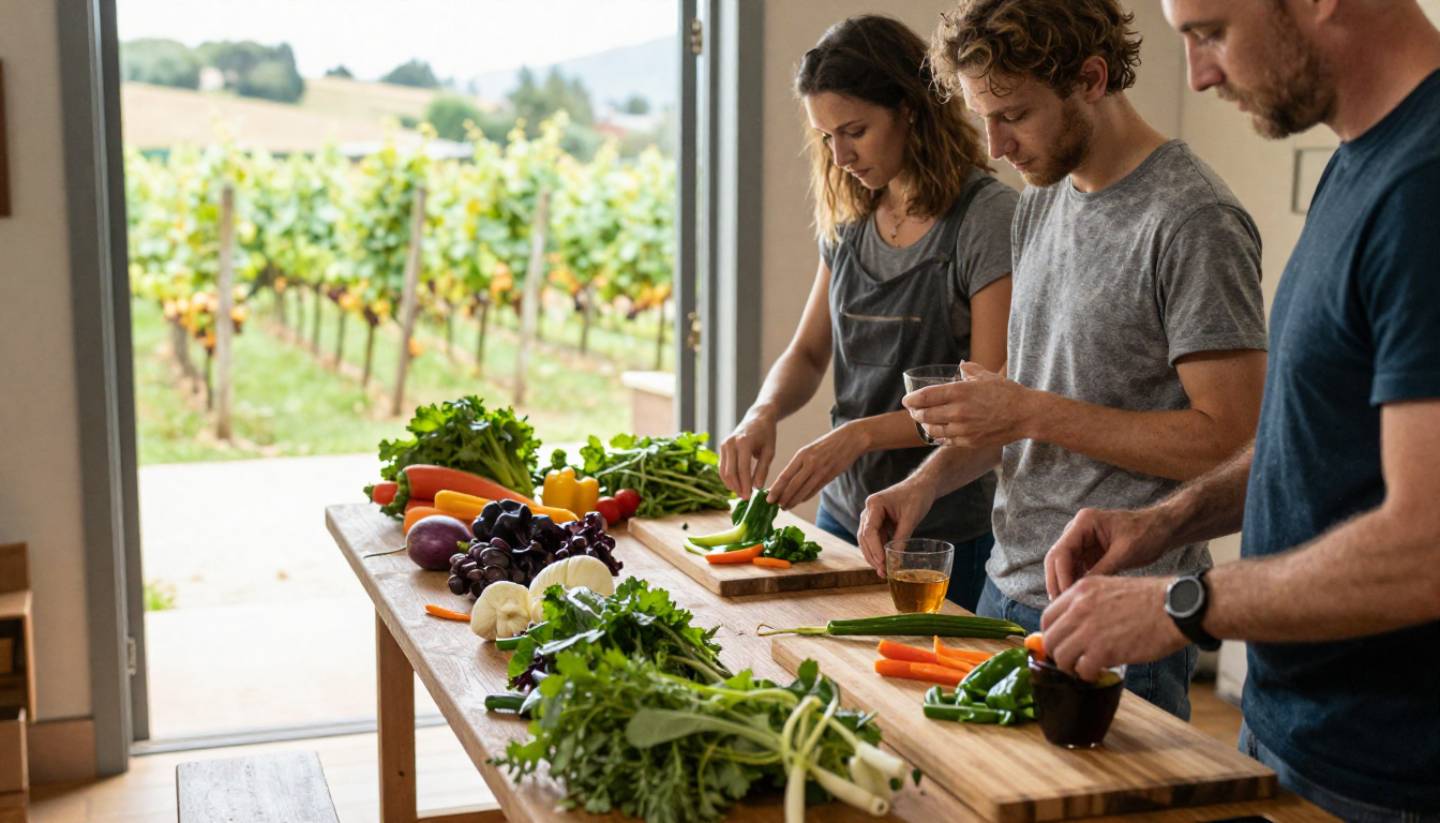
Cooking in Napa is not about performance. It is about learning how the valley eats. Ingredients lead. Seasonality decides. Wine is treated as part of the dish, not something added afterward.
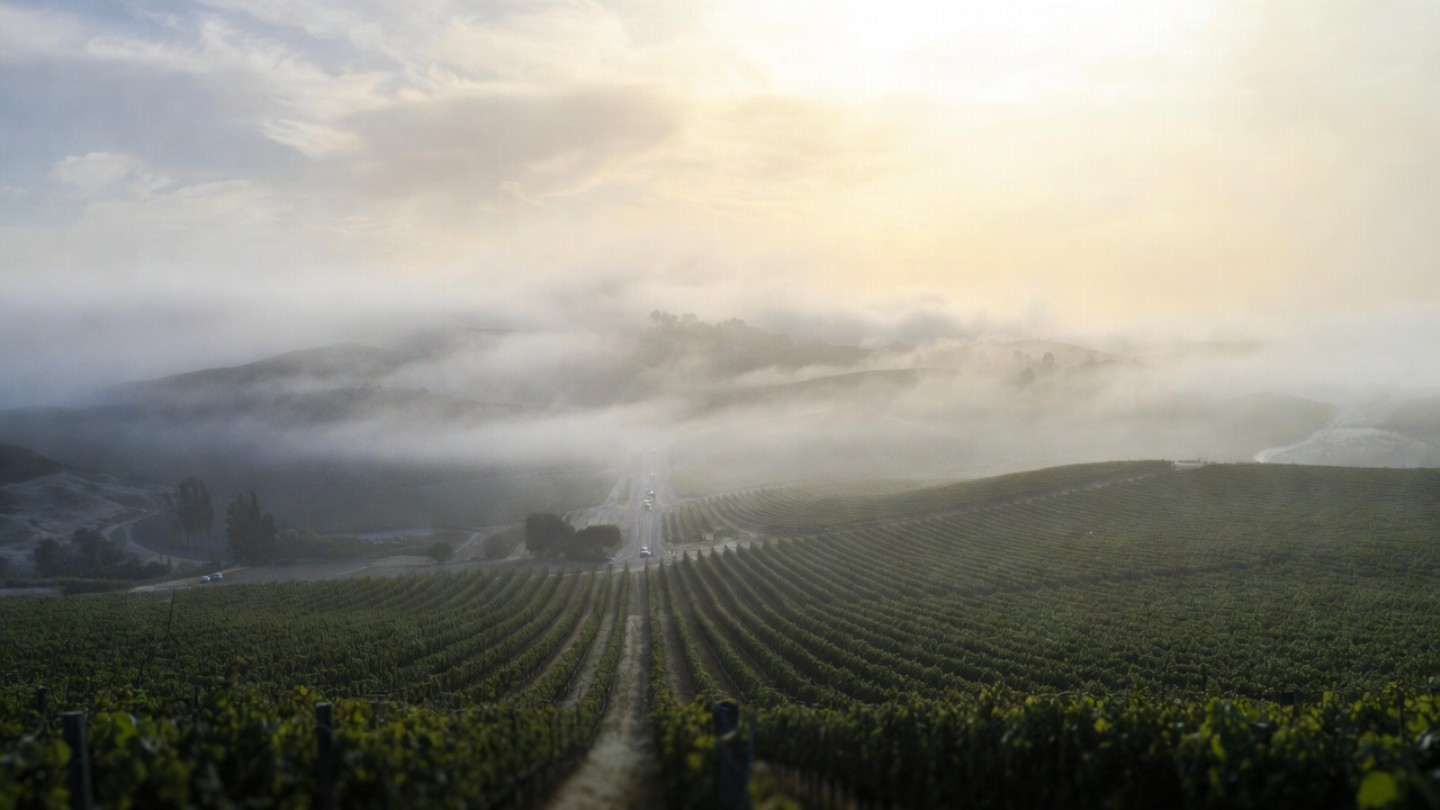
For East Bay cooks used to the standards of Berkeley Bowl or the Temescal dining scene, Napa feels familiar but more rooted. You are not just learning how to sauté or season. You are learning how the Rutherford benchlands influence produce, how Carneros fog preserves acidity, and why meals here tend to stretch longer than planned.
Where to Find Hands-On Cooking Experiences
CIA at Copia (Downtown Napa)
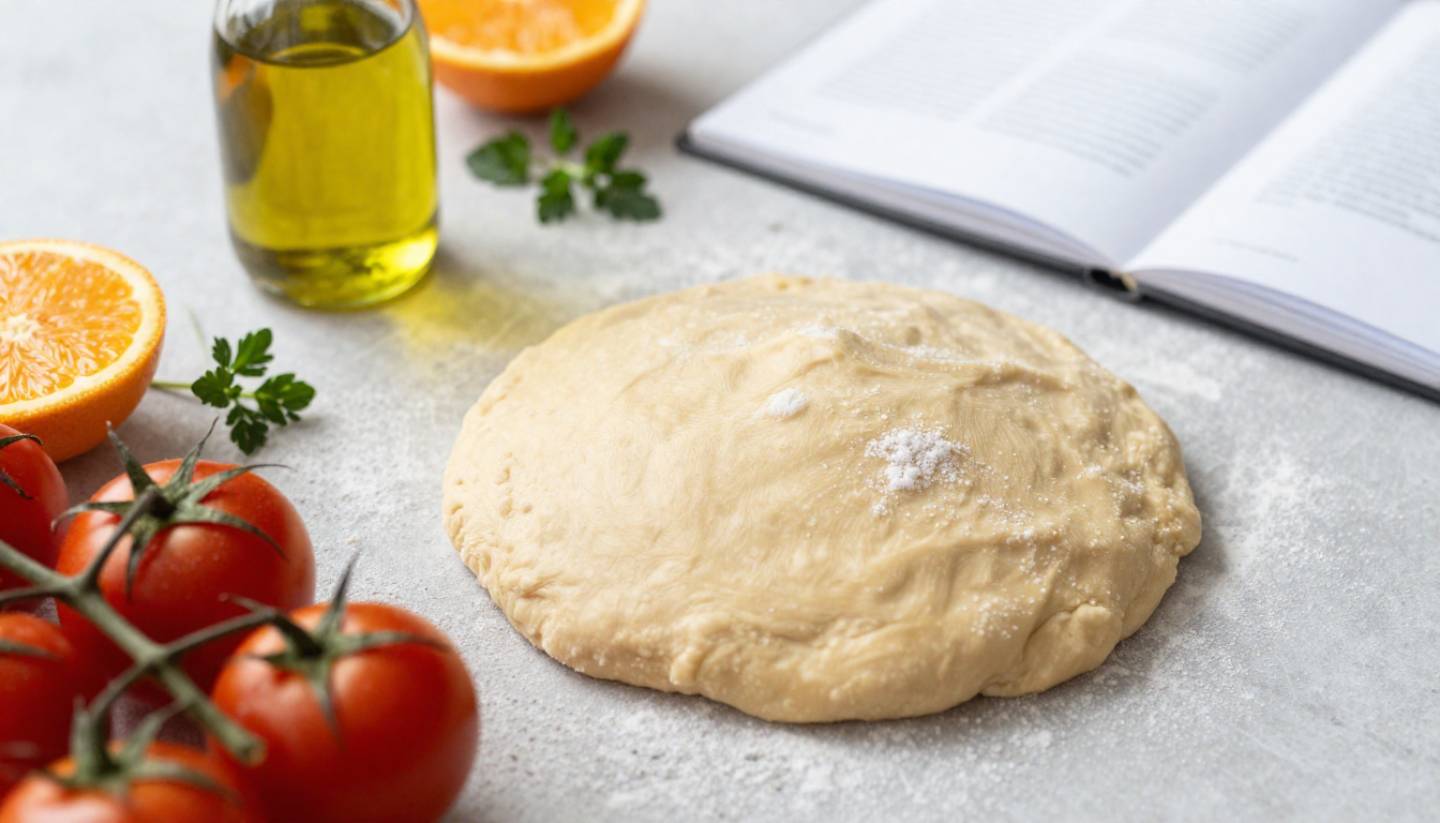
The Culinary Institute of America’s Napa campus offers structured, welcoming classes designed for enthusiastic home cooks. Topics range from bread and pasta to regional European cuisines, often paired with thoughtful wine context.
Local Note: Morning classes are quieter and more technique-focused than afternoon sessions.
Long Meadow Ranch (St. Helena)
A true farm-driven experience. Classes and workshops here connect organic gardens, livestock, and vineyards directly to the kitchen.
Directional Cue: Located just west of Highway 29 in St. Helena near the historic Logan-Ives House.
Silverado Cooking School (Napa)
A modern facility focused on seasonal California cooking using ingredients harvested from nearby orchards and gardens.
How Alameda County Cooks Plan the Day
This is not a stack-it-high itinerary. Napa cooking days work best when they breathe.
Morning:
Arrive mid-morning. Coffee at Ritual in downtown Napa or Napa Valley Coffee Roasting Co. in St. Helena to let the drive fade.
Midday:
Your primary hands-on cooking class. Ask about balance, acid, fat, and how Napa wines are built to live at the table.
Afternoon:
One seated winery visit focused on food-friendly wines, ideally in the Rutherford or Oakville corridor.
Evening:
A simple dinner. Often the best meal is the one you helped prepare earlier.
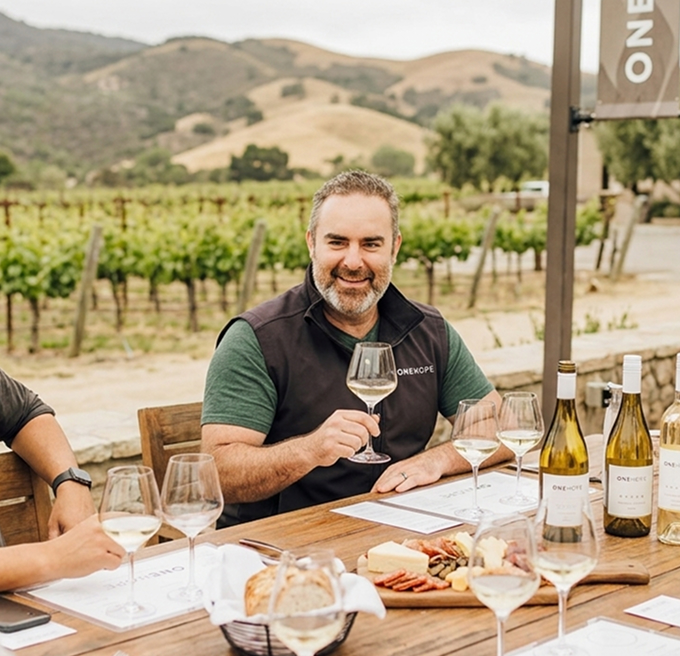
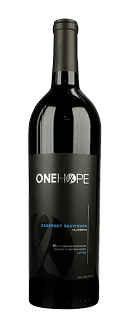
When guests gather at Estate 8, cooking usually comes before tasting. Ingredients hit the counter first. Bottles open later. That same rhythm shapes how we think about ONEHOPE experiences too. I am biased, but I believe you understand Napa best when food leads and wine follows.
A Short Personal Micro Story
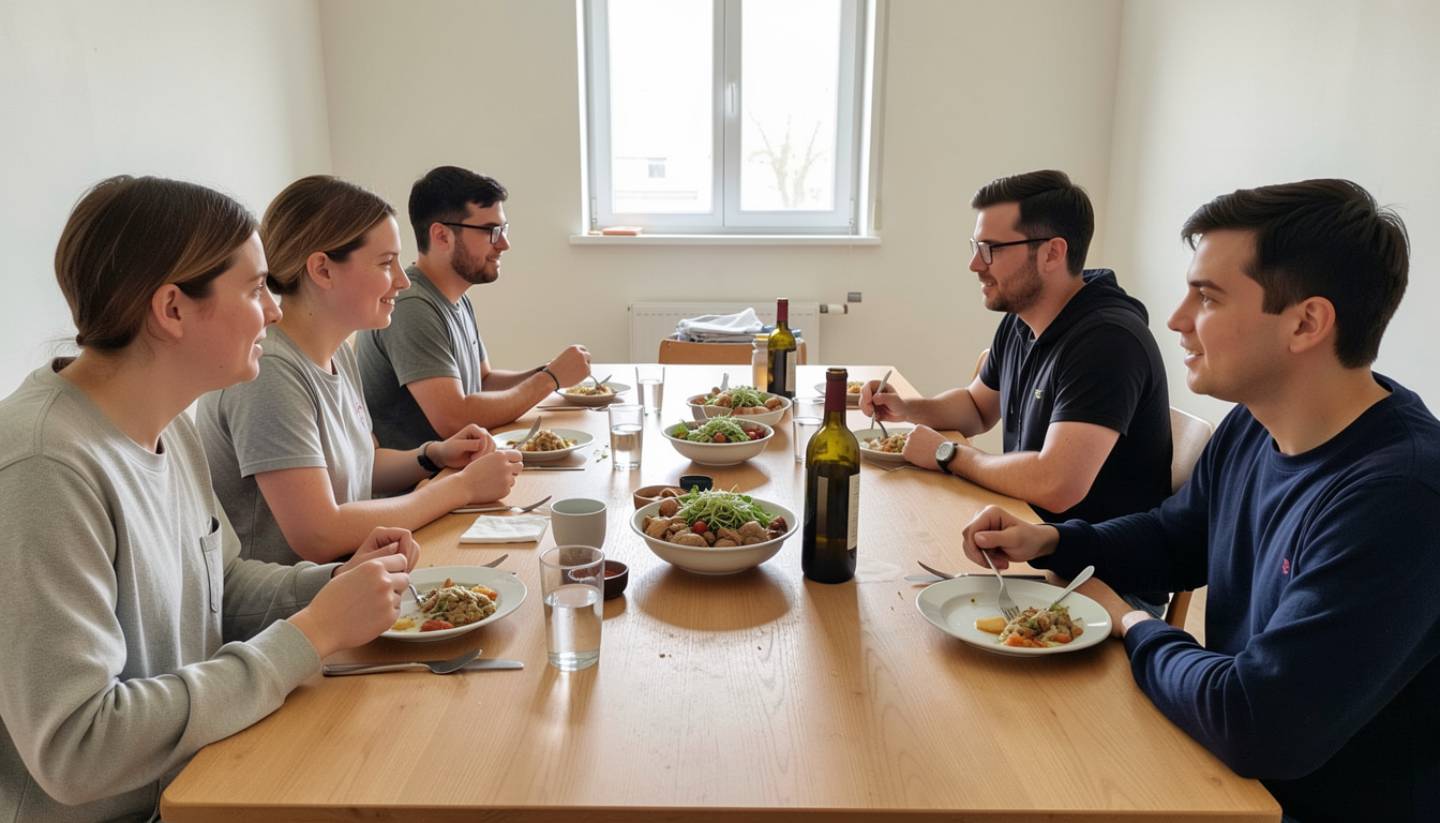
Some of my favorite Napa memories involve a kitchen full of people and no clear end time. I remember a day when we cooked slowly, talked about nothing important, and waited to open wine until the food was ready. That balance stayed with me.
When friends visit, I often suggest they cook before they taste. It changes how Napa lands. It certainly shaped how we approach hospitality here. Food first. Wine second. Conversation always.
What Most Visitors Miss
Many travelers treat Napa food as something to consume, not something to understand. Cooking classes teach you why acidity matters, why texture changes pairing, and why cool-climate Chardonnay works so well with simple, honest dishes.
Locals know the secret. Once you cook here, you taste wine differently everywhere else.