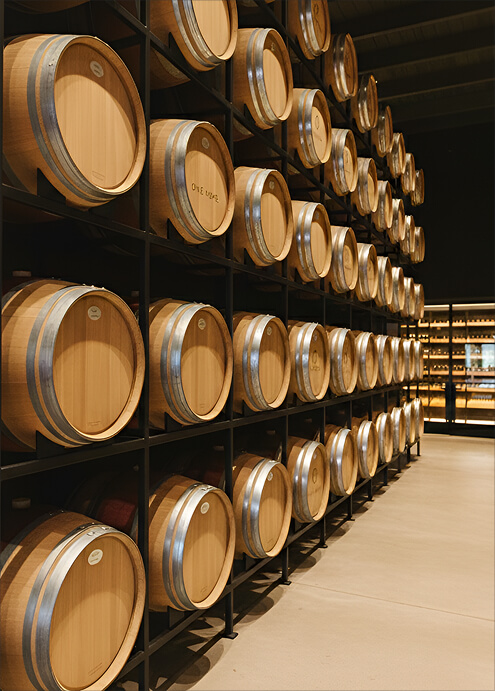
Collectors move through Napa differently.
You are not here for a standing flight or a quick photo off Highway 29. You are here to understand vineyard pedigree, sub AVA nuance, tannin architecture, and how a specific block behaved in a specific year. You want to taste structure, not spectacle.
I have lived and built in this valley long enough to know that the best Napa wineries for wine collectors are rarely the loudest. They are the estates with discipline. The ones that farm their own dirt. The ones that think in decades, not release parties.
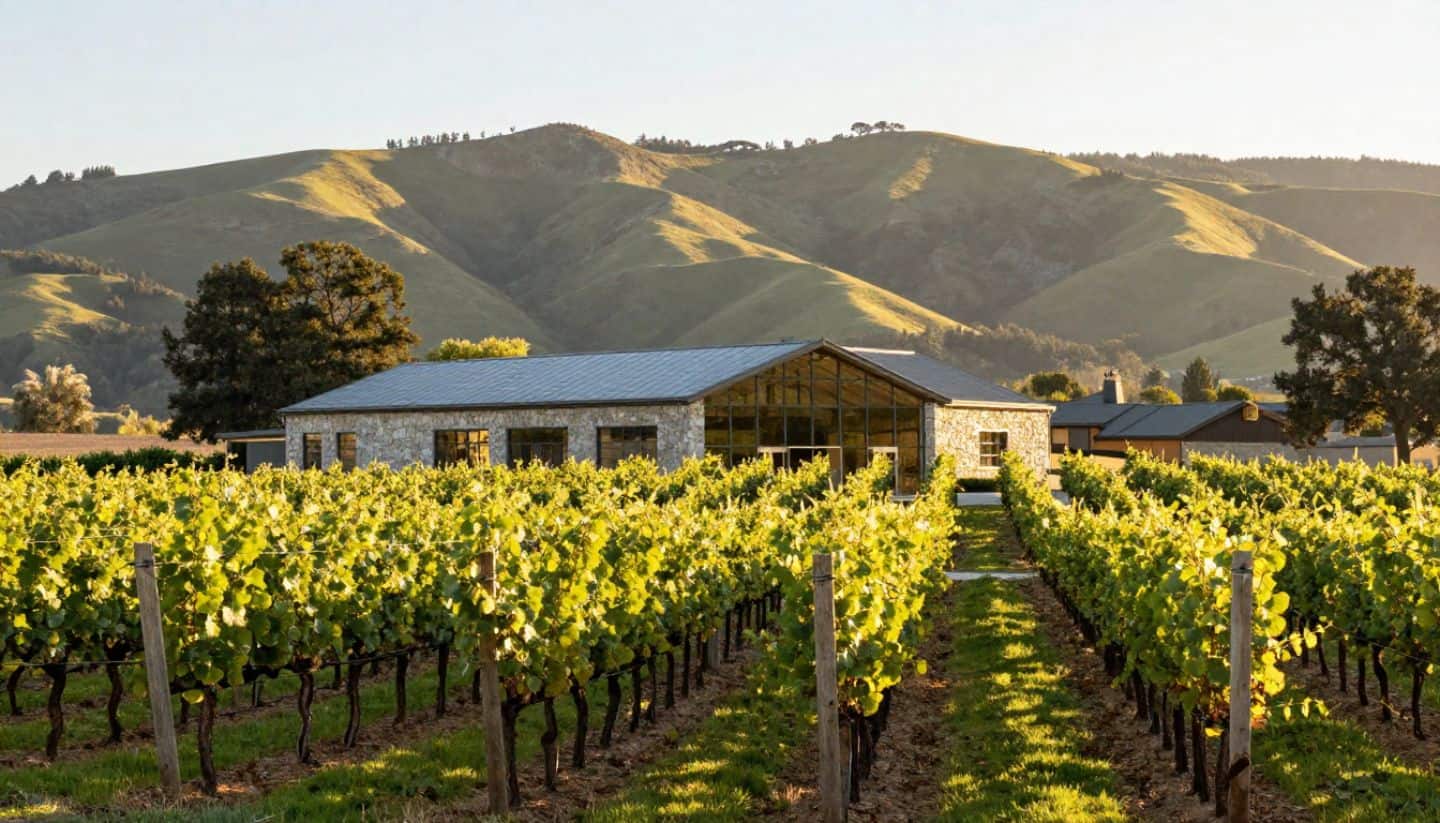
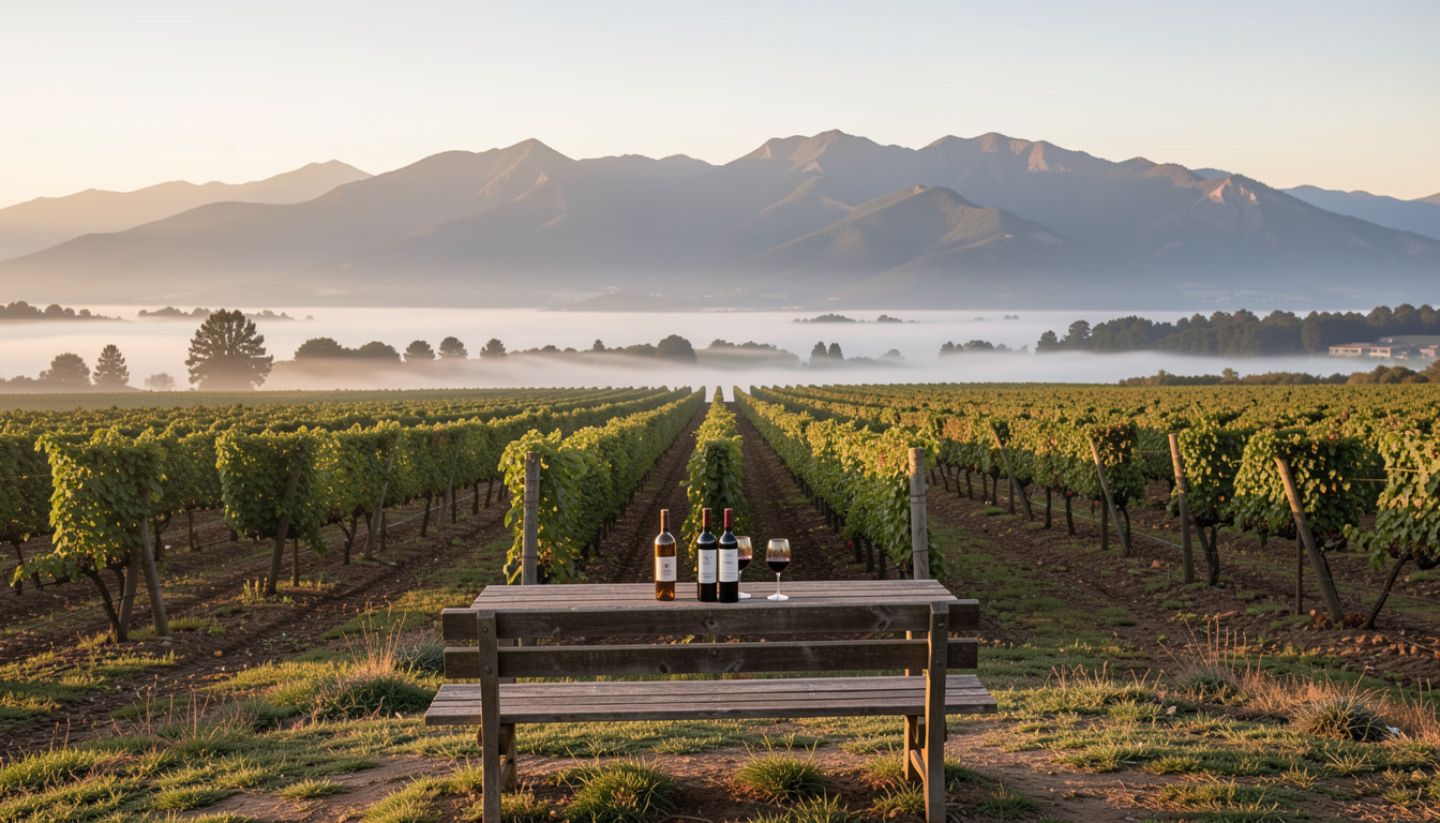
Most mornings still begin the same way. Fog settles low across the Rutherford benchlands. The Mayacamas range catches first light. Vineyard crews move row by row before the valley floor warms. This place was built on patience. That is why serious collectors keep coming back.
What Makes a Napa Winery Truly Collector Worthy?
Scarcity alone does not equal longevity. In Napa Valley, true collectability is structural.
Site Specificity
Rutherford dust carries a different tannin profile than Howell Mountain fruit. Oakville’s valley floor expresses differently than Mount Veeder’s elevation. When you taste benchland Cabernet beside mountain Cabernet, the contrast is not theoretical. It is structural.
Collectors should always ask:
Where exactly is this fruit grown? How consistent is that sourcing year over year?
Vineyard Control
Estate grown means the winery owns and farms the land. That control matters most in difficult vintages. When heat spikes or yields drop, estate control protects quality.
Aging Discipline
Wines built to age show restraint in youth. Balanced acidity. Measured extraction. Oak integrated rather than dominant. If it is impressive because it is loud, it rarely becomes profound with time.
Consistency in Imperfect Years
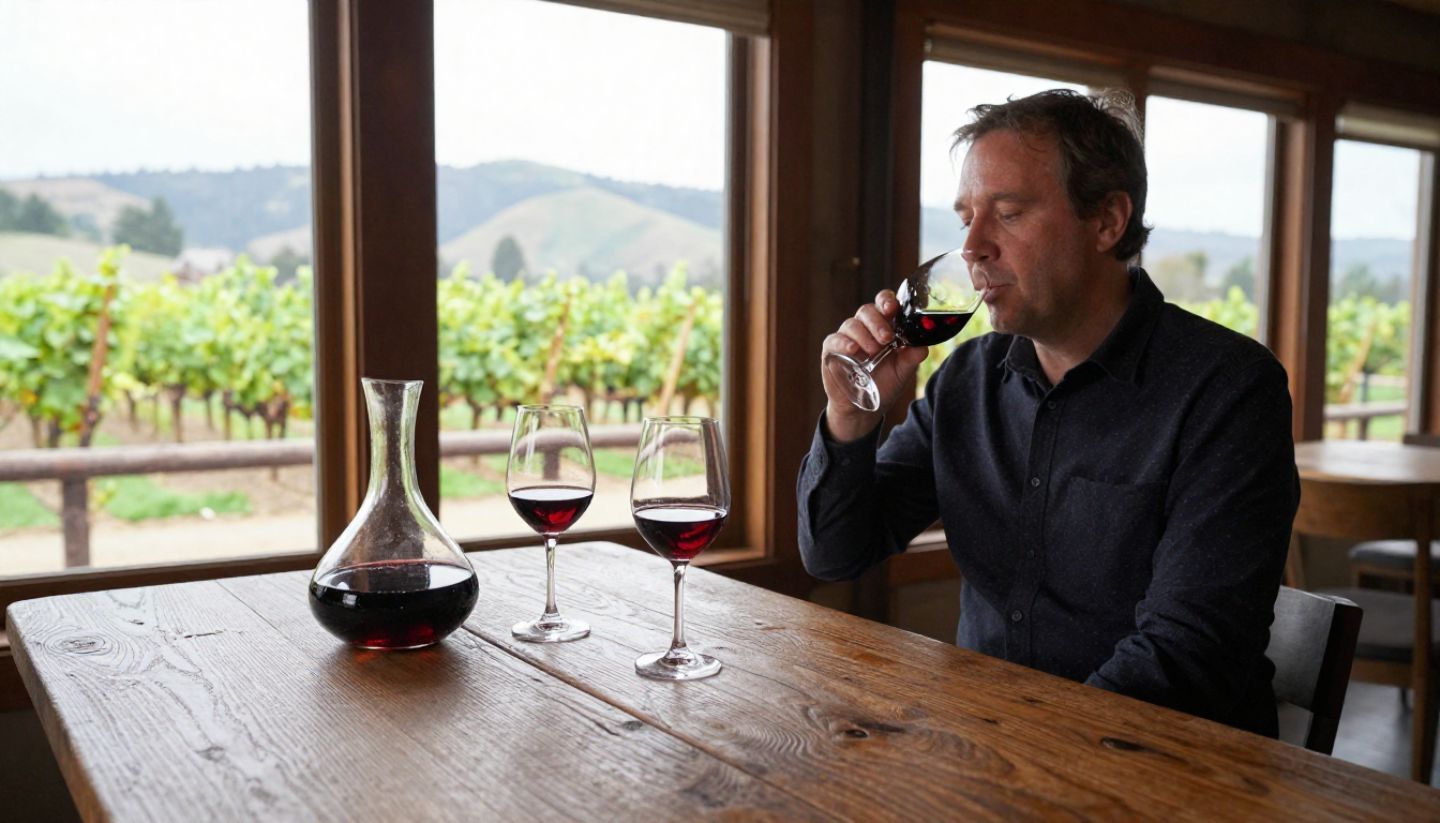
Anyone can shine in a perfect vintage. The signal shows up in challenging years. Ask to taste a cooler vintage alongside a warmer one. That comparison tells you everything.
Best Napa Wineries for Wine Collectors
Dunn Vineyards – Howell Mountain
High elevation. Structured tannin. Built for time.
Dunn’s Howell Mountain Cabernet is unapologetically firm in youth. These wines routinely demand a decade before revealing their full shape.
Best for: Collectors who value mountain intensity and old school ageability.
Corison Winery – St. Helena
Located along the Rutherford benchlands corridor between Highway 29 and the western hills, Cathy Corison produces Cabernet defined by balance and clarity.
Her Kronos Vineyard bottling is one of the most consistent long lived expressions of benchland fruit in Napa.
Best for: Collectors who prioritize structure over flash.

Mayacamas Vineyards – Mount Veeder
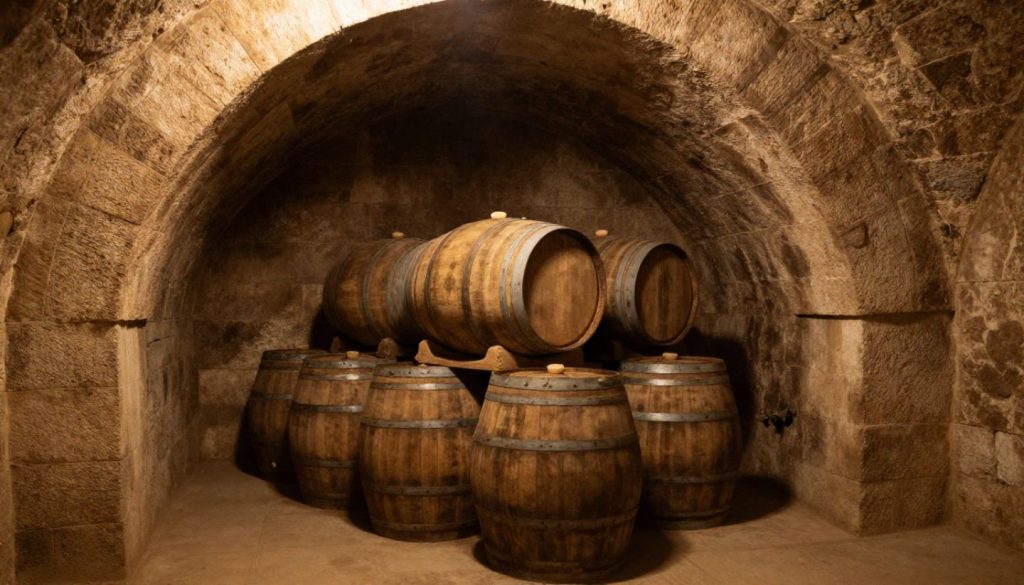
Historic stone cellars. Mountain discipline. Cabernets that routinely age 20 to 30 years.
Mayacamas is a reminder that Napa was once defined by restraint, not extraction.
Best for: Those seeking heritage driven mountain wines with proven longevity.
Schrader Cellars – Oakville
Focused Oakville Cabernet from elite vineyard sources including To Kalon.
Powerful, modern expressions with pedigree among critics and collectors alike.
Best for: Collectors who appreciate site specific Oakville Cabernet with concentration and polish.
Estate 8 – Rutherford Bench
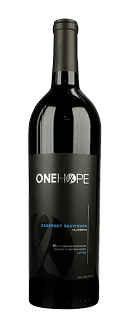
I will acknowledge my bias here. Building Estate 8 and ONEHOPE came from years of studying why certain Napa blocks age gracefully and others peak too soon. They are very much my baby.
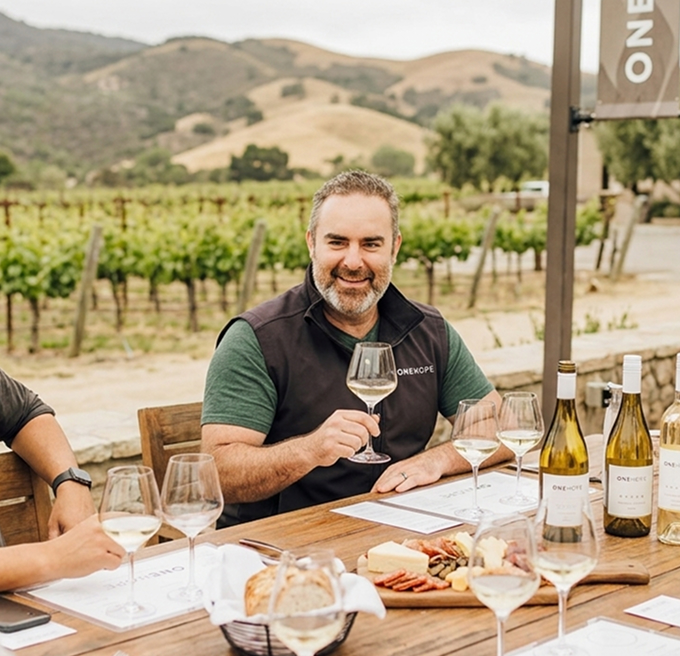
At Estate 8, we intentionally kept production small and focused on estate grown Cabernet from specific valley floor blocks. Tastings are private, seated, and unhurried. Conversations often turn to canopy management, pick dates, and fermentation decisions rather than scores.
Some of the most meaningful collector discussions I have had happened at our shared tables or up in our 360 degree tower overlooking the valley floor. When you stand there and look at the slope, the drainage, the exposure, you understand why certain wines deserve time.
Best for: Collectors who want transparency from vineyard to bottle.
A Personal Micro Story
A few years ago, I hosted a collector who owned verticals from nearly every major Napa estate. During a tasting just north of Yountville Cross Road, he paused mid flight and said, “I have enough wine. I am not sure I have enough understanding.”
We walked the vineyard instead of finishing the lineup. We talked about soil composition, row orientation, and how afternoon heat pools on the valley floor.
By the end of the visit, he decided to buy fewer bottles that year. Not because he was less interested, but because he was more selective. That shift in mindset is Napa at its best.
When Is the Best Time for Wine Collectors to Visit Napa?
Winter, Cabernet Season
The most honest expression of the valley. Fewer visitors. More access to winemakers. Fireside tastings. Clear roads along Silverado Trail.
Spring
Fresh vineyard growth and ideal conditions for walking blocks and discussing the growing season.
Fall, Harvest
High energy. You can smell fermentation in the air and see sorting lines in motion. Educational but busier.
Are Wineries for Large Groups in Napa Also Suitable for Wine Collectors?
When considering the best napa wineries for group celebrations, it’s essential to note that many of these venues offer experiences tailored for wine collectors as well. With private tastings and curated selections, both large groups and seasoned collectors can enjoy exceptional wines in a vibrant, social atmosphere.
How to Structure a Collector Focused Napa Day
Napa Valley runs roughly 30 miles from south to north. Planning by geography matters.
Morning:
Coffee in St. Helena. Review vintage notes and sub AVAs before your appointment.
Midday:
One seated tasting. Focus on tannin, acidity, and length. Ask to taste across vintages if possible.
Afternoon:
Drive the Silverado Trail. The eastern corridor offers cleaner reads on slope, elevation, and vineyard segmentation than Highway 29.
Evening:
Dinner at Press in St. Helena or The Charter Oak. Press, in particular, holds one of the deepest collections of older Napa vintages anywhere in the world.