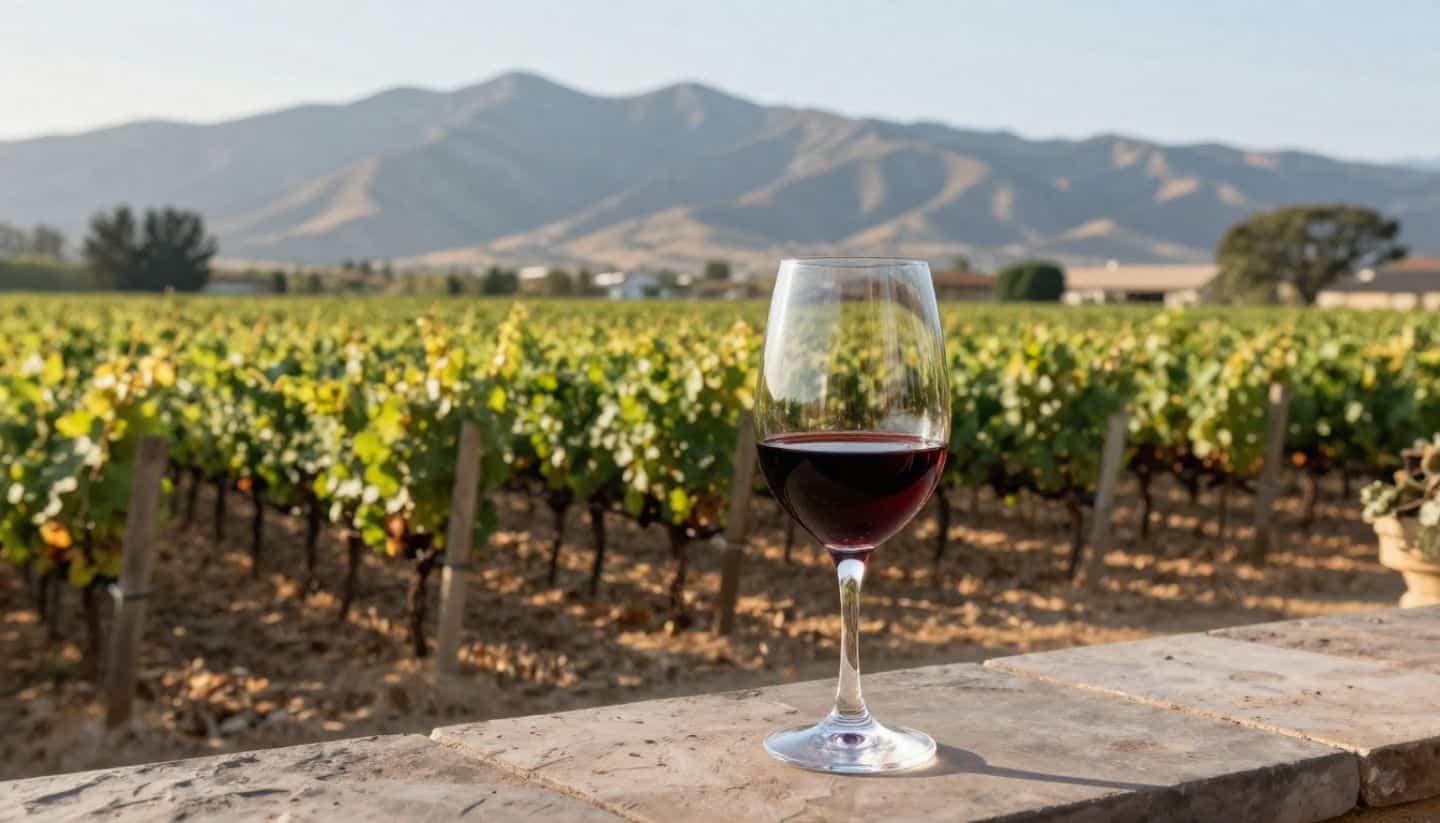
If you love red wine, Napa Valley makes sense immediately.
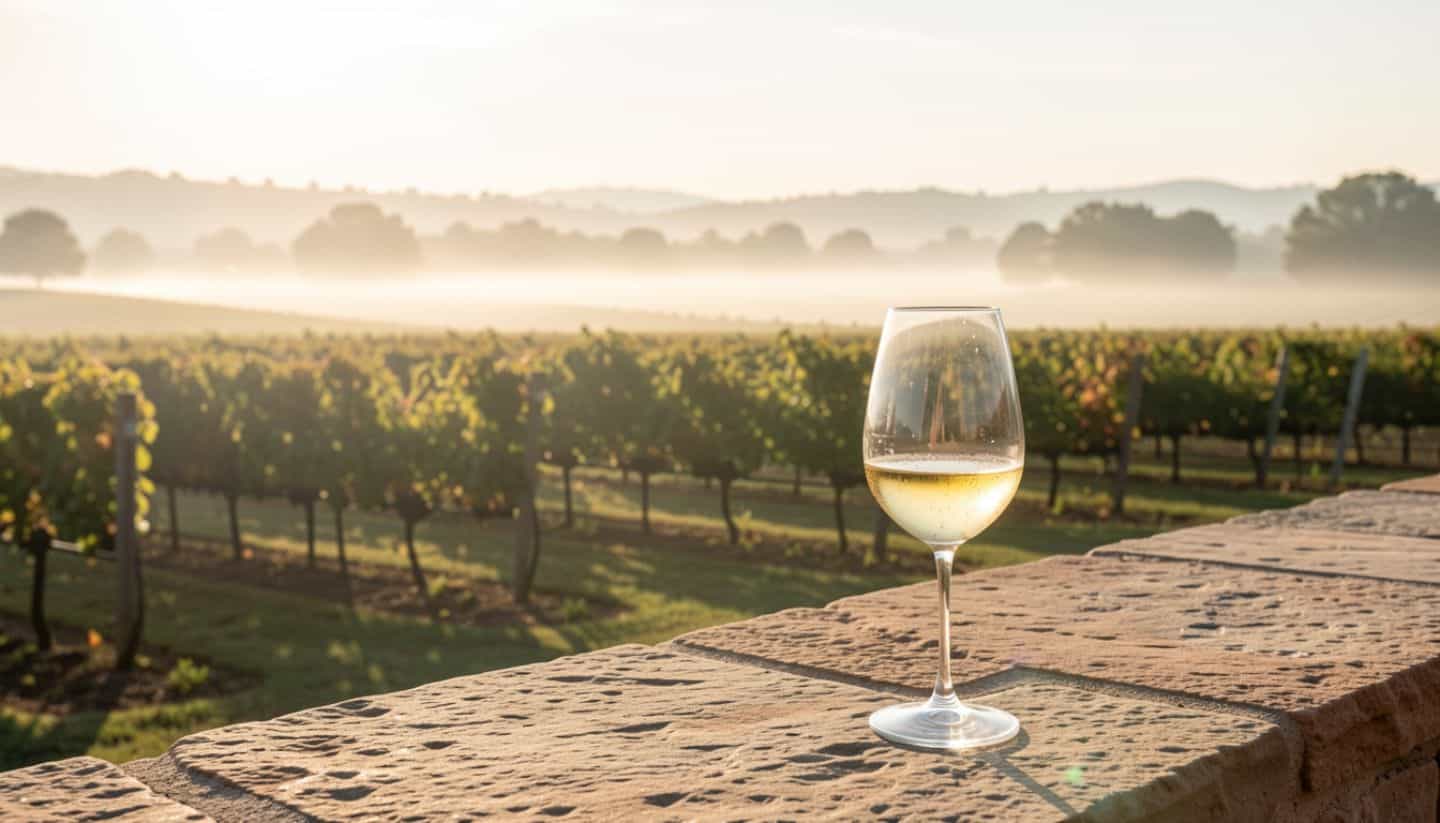
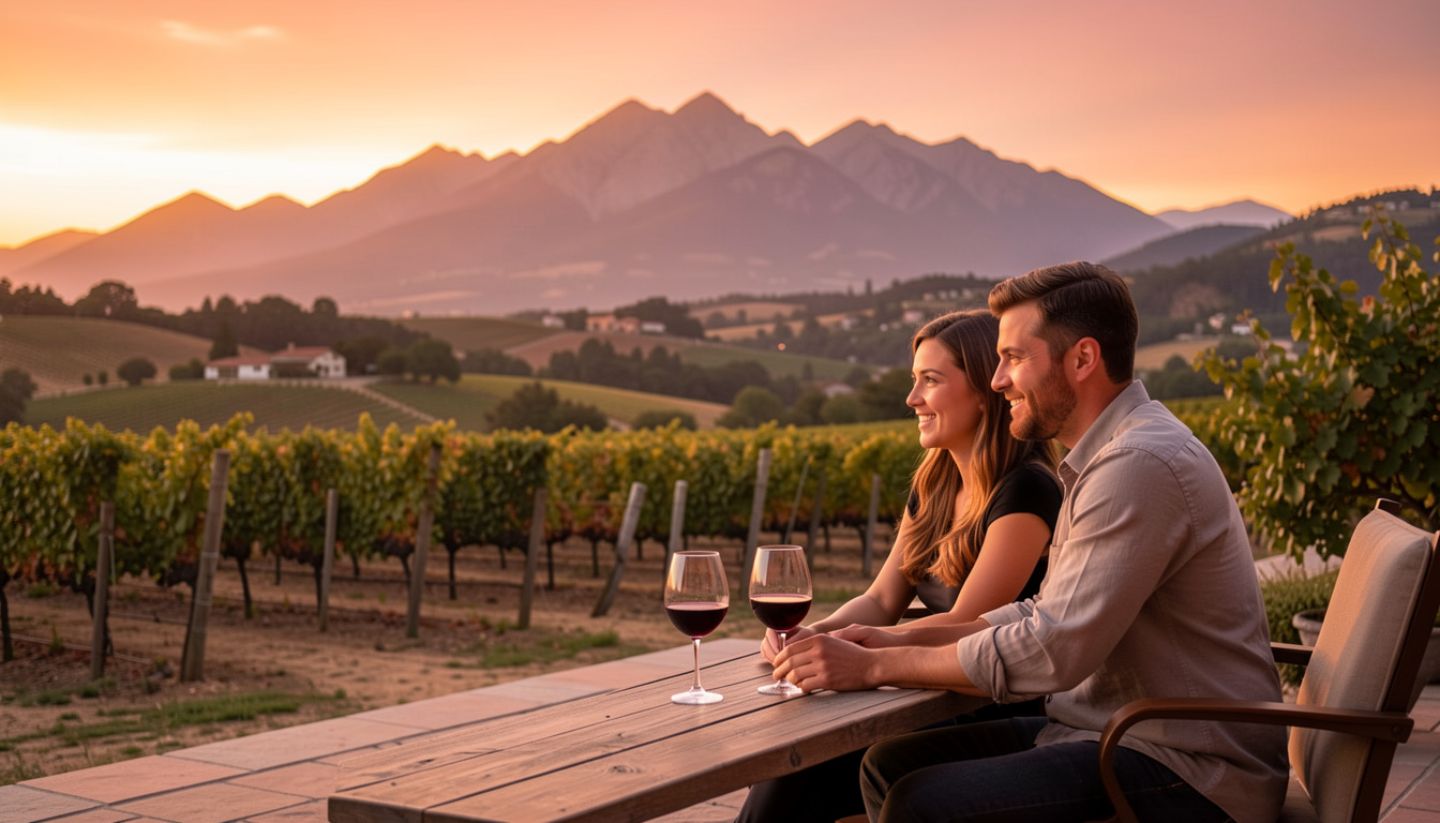
This is Cabernet country. I have lived and worked in this valley long enough to watch morning fog settle low across the Rutherford benchlands, then burn off just as crews move into the rows. By late afternoon, the Mayacamas and Vaca ranges frame the vines in what we call Cabernet light. That final hour tells you almost everything about Napa red wine: structure, warmth, restraint.
The conditions here are not accidental. Warm days, cool nights, gravelly bench soils, disciplined canopy management, and patient farming create reds with backbone and longevity. Napa red wine is not just about power. It is about site specificity, tannin architecture, and how a hillside behaves in a dry vintage versus a cool one.
For red wine lovers planning a Napa Valley trip, understanding place matters more than chasing labels.
Understanding Napa Through Red Wine
Before you book appointments, understand the dirt.
Napa Valley is roughly thirty miles long, divided between valley floor fruit and mountain fruit. The difference is structural, not stylistic.
Rutherford and Oakville, Valley Floor
Supple tannins, layered dark fruit, and what locals call Rutherford dust. The benchlands here drain beautifully, creating Cabernet that is powerful yet polished.
Howell Mountain, Eastern Ridge
Higher elevation, smaller berries, firmer tannins, and greater tension. These wines often need time. Patience is rewarded.
Mount Veeder, Western Ridge
Cooler pockets and forest influence create savory edges and mountain discipline. Structure leads, fruit follows.
St. Helena
A narrowing part of the valley where warmth meets lift. You often get valley richness with structural energy.
If you are serious about red wine, pay attention to sub-AVA before critic scores.
Best Napa Valley Wineries for Red Wine Lovers
Dunn Vineyards – Howell Mountain
Perched high above the valley floor, Dunn produces uncompromising Cabernet Sauvignon.
Why red lovers appreciate it:
Mountain tannins, low-yield intensity, and wines built for long aging.
These are not immediate crowd-pleasers. They are cellar wines.
Corison Winery – St. Helena Benchland
Cathy Corison has quietly defined what classic Napa Cabernet can be.
Why red lovers appreciate it:
Balance, restraint, and benchland transparency.
If you want to understand how acidity carries a wine twenty years forward, this is your classroom.
Mayacamas Vineyards – Mount Veeder
Historic stone winery high in the western hills.
Why red lovers appreciate it:
Old-school structure and a savory, age-worthy profile that resists trends.
The winding drive up Mount Veeder is part of the lesson. Elevation changes everything.
Hall Wines – Rutherford
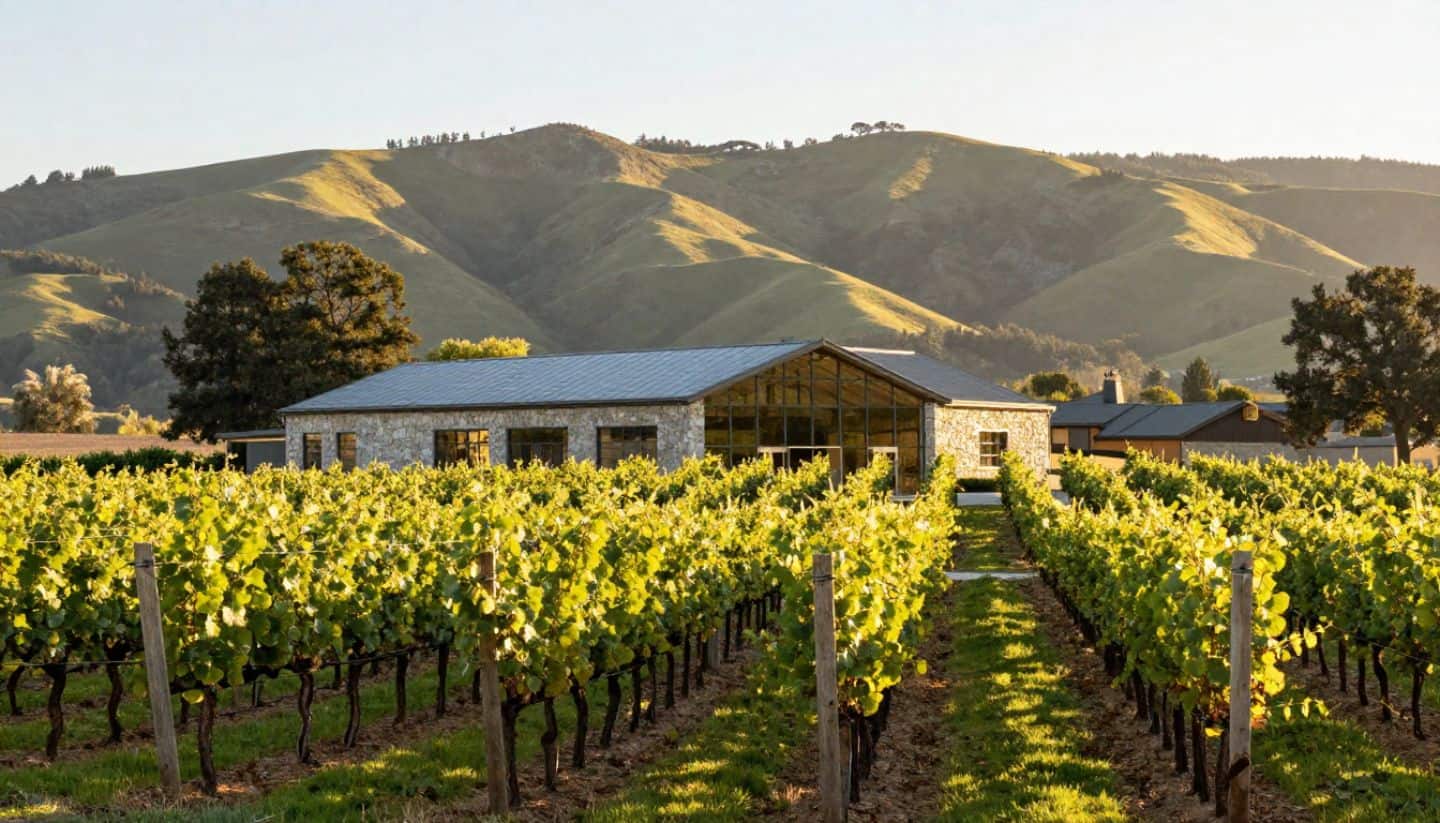
Modern architecture grounded in serious valley floor Cabernet.
Why red lovers appreciate it:
Polished Rutherford fruit with structure underneath the gloss.
Late afternoon tastings here show how valley floor fruit deepens as shadows stretch across the vines.
Estate 8 – Rutherford Bench
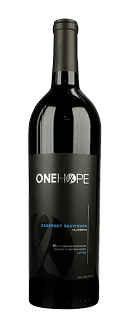
I will acknowledge my bias. Building Estate 8 and ONEHOPE came from studying how specific vineyard blocks behave across vintages. They are very much my baby.
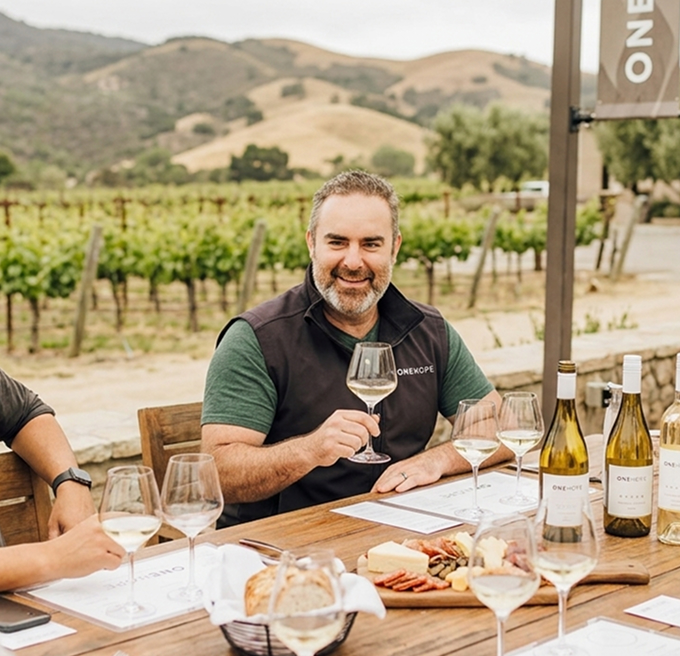
Estate 8 focuses on estate-grown Cabernet from carefully managed valley floor blocks. Tastings are private and seated. We talk about canopy decisions, harvest timing, and fermentation choices, not just flavor notes.
Why red lovers appreciate it:
Site transparency, structural clarity, and uninterrupted time to taste seriously.
A Personal Micro Story
One winter afternoon during Cabernet Season, I hosted a couple who insisted they only loved bold, high-alcohol reds. We sat for a single tasting just north of the Yountville Cross Road. Outside, the vines were bare. Inside, we worked through two vintages from the same block.
By the second glass, they stopped talking about power. They started talking about tannin texture and length.
When they left, they said it was the first time they understood why balance ages better than volume.
That shift happens often in Napa. The valley has a way of recalibrating you.
When to Visit Napa for Red Wine
Winter, Cabernet Season
The most honest time of year. Bare vines reveal the land’s bones. Fireside tastings are intimate, and winemakers are actually in the cellar.
Spring
Bud break and fresh growth. Ideal for vineyard walks and understanding farming decisions.
Summer
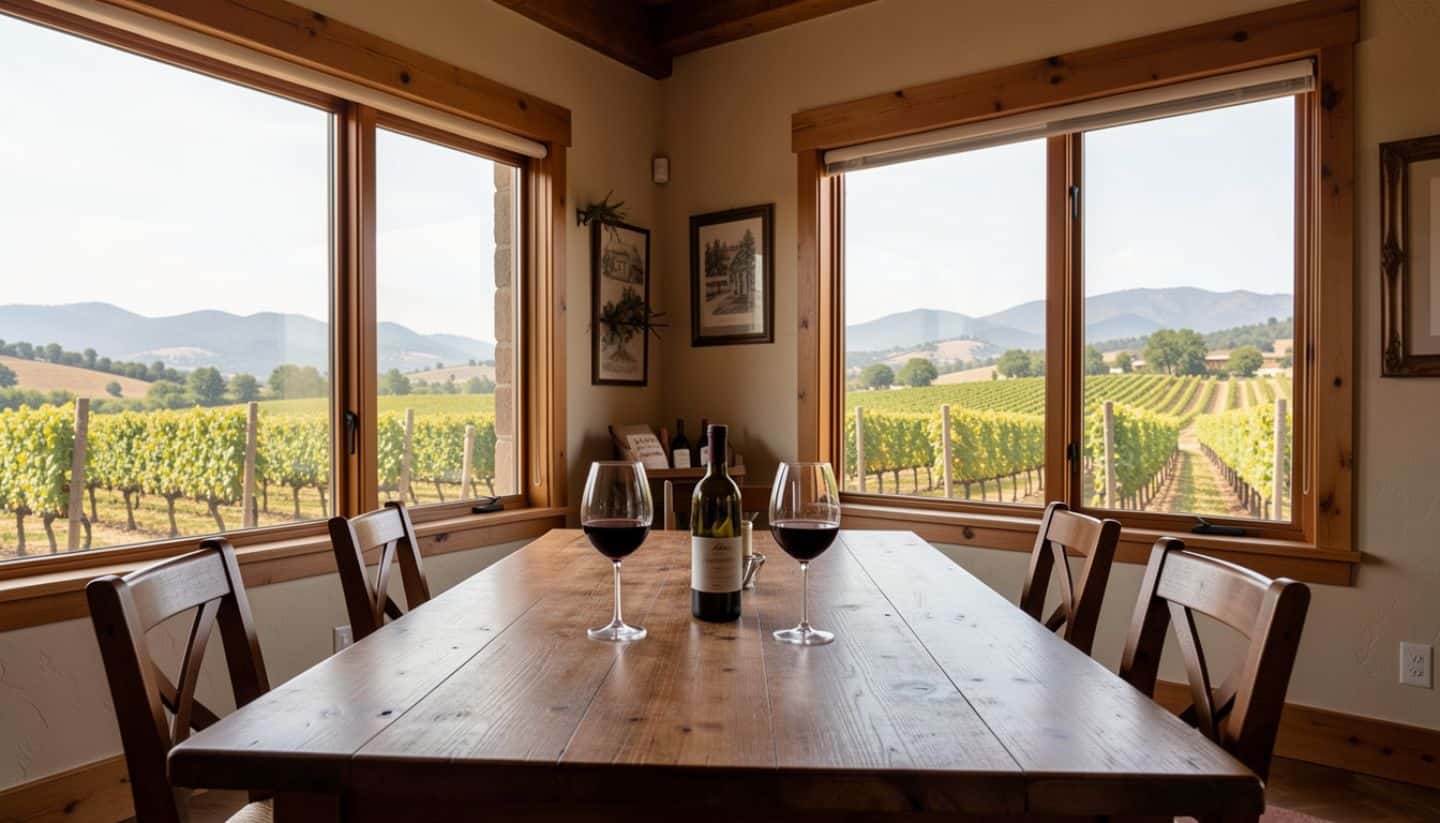
Book a 4:00 PM or 5:00 PM tasting to catch Cabernet light and cooler air.
Fall, Harvest
Fermentation aromas drift through the valley. High energy, but plan far in advance.
How to Structure a Red Wine Focused Day
Morning: Coffee in St. Helena. Keep your palate fresh.
Midday: One seated Cabernet-focused tasting in Rutherford or Oakville.
Afternoon: Drive Silverado Trail for a clearer perspective on slope and vineyard spacing.
Evening: Dinner at Press or The Charter Oak, where Napa reds are treated with the respect they deserve.
Two wineries maximum. Your palate and your attention span will both improve.