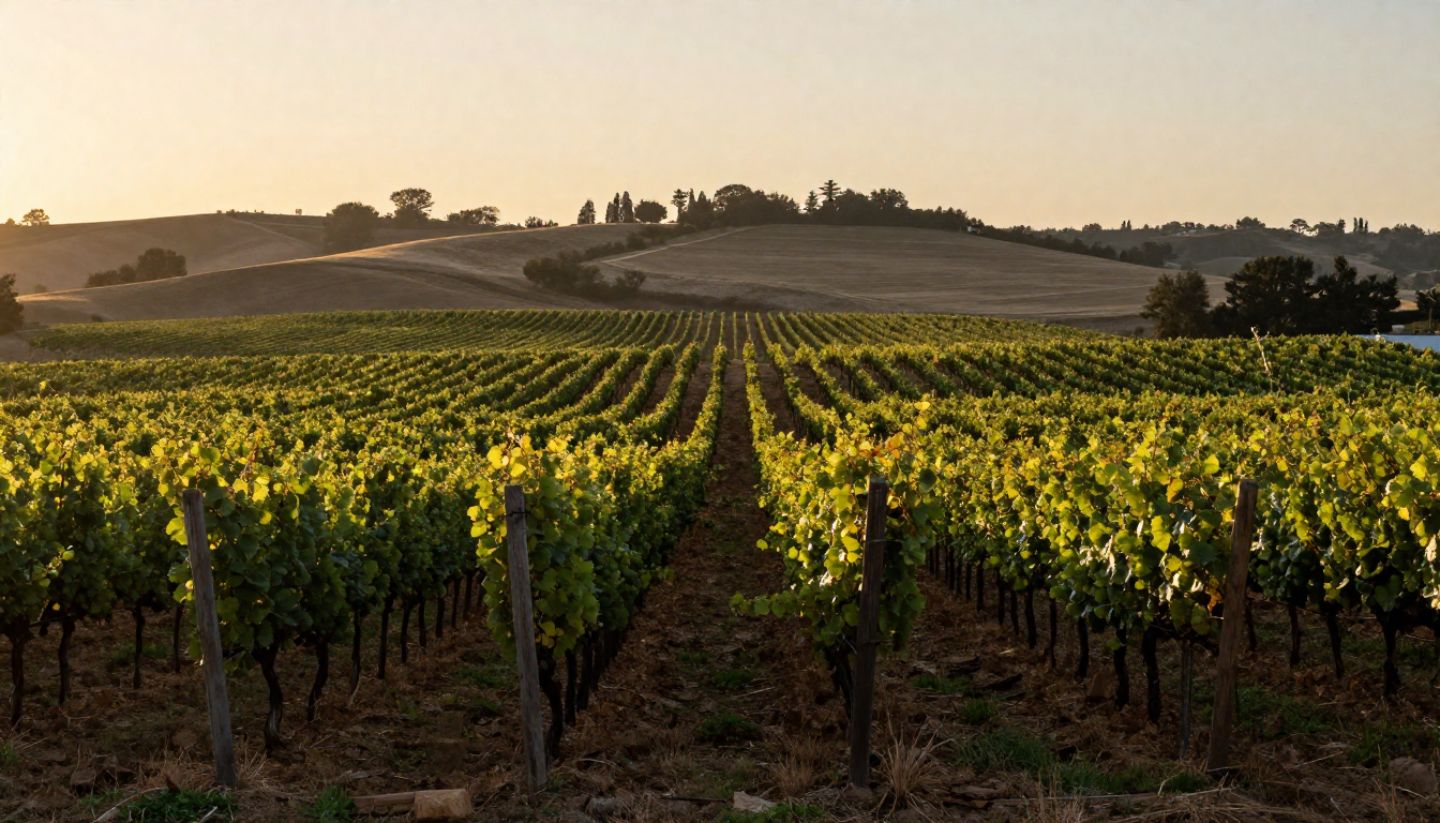
Napa Valley reveals itself differently when you taste with intent. For collectors, the valley becomes less about postcard views and more about mesoclimates, exposures, and soils. Conversations slow down. Questions get more precise. You begin tasting not just what is in the glass, but where it came from and why that site matters. This itinerary is designed for collectors who value provenance, vertical context, and long-term relationships over quick pours and surface impressions.
Day One: Establishing Context and Trust
Morning: Arrive With Intention
Arrive before noon and avoid stacking appointments. Collectors benefit from clarity, not compression. Begin with a quiet walk near the Napa River or through vineyard edges close to where you are staying. This reset matters before your first serious tasting.
Late Morning Tasting: Provenance and Valley Orientation
Your first tasting should ground you in Napa’s history and geography. Take the Silverado Trail north, the quieter route that locals favor, toward Rutherford and St. Helena.
Strong starting points:
- Robert Mondavi Winery: A foundational lens into Napa’s modern history and vineyard sourcing, especially To Kalon.
- St. Supery Estate, Rutherford: A clear comparison of valley floor fruit and elevated sites, where discussions of Rutherford Dust and drainage begin to show up in the glass.
This is where context replaces hype.
Lunch: Keep It Clean
Collectors taste better after simple food.
Good options:
- Bistro Jeanty, Yountville: Familiar flavors that stay out of the wine’s way.
- Farmstead at Long Meadow Ranch: Ingredient-driven cooking that respects balance.
Avoid heavy sauces and extended lunches today.
Afternoon Tasting: Allocation and Access
Afternoons are best reserved for estates that prioritize relationships over traffic. This is where collectors listen more than they speak.
Look for:
- Limited-production Cabernet programs
- Single-vineyard bottlings
- Opportunities for library access
I still remember an early afternoon tasting years ago when a winemaker quietly pulled a barrel sample and said, this wine only leaves the property if someone understands why it exists. That moment shaped how I approach collecting to this day.
Day Two: Elevation, Hillsides, and Cellar Decisions
Morning: Mountain and Hillside Focus
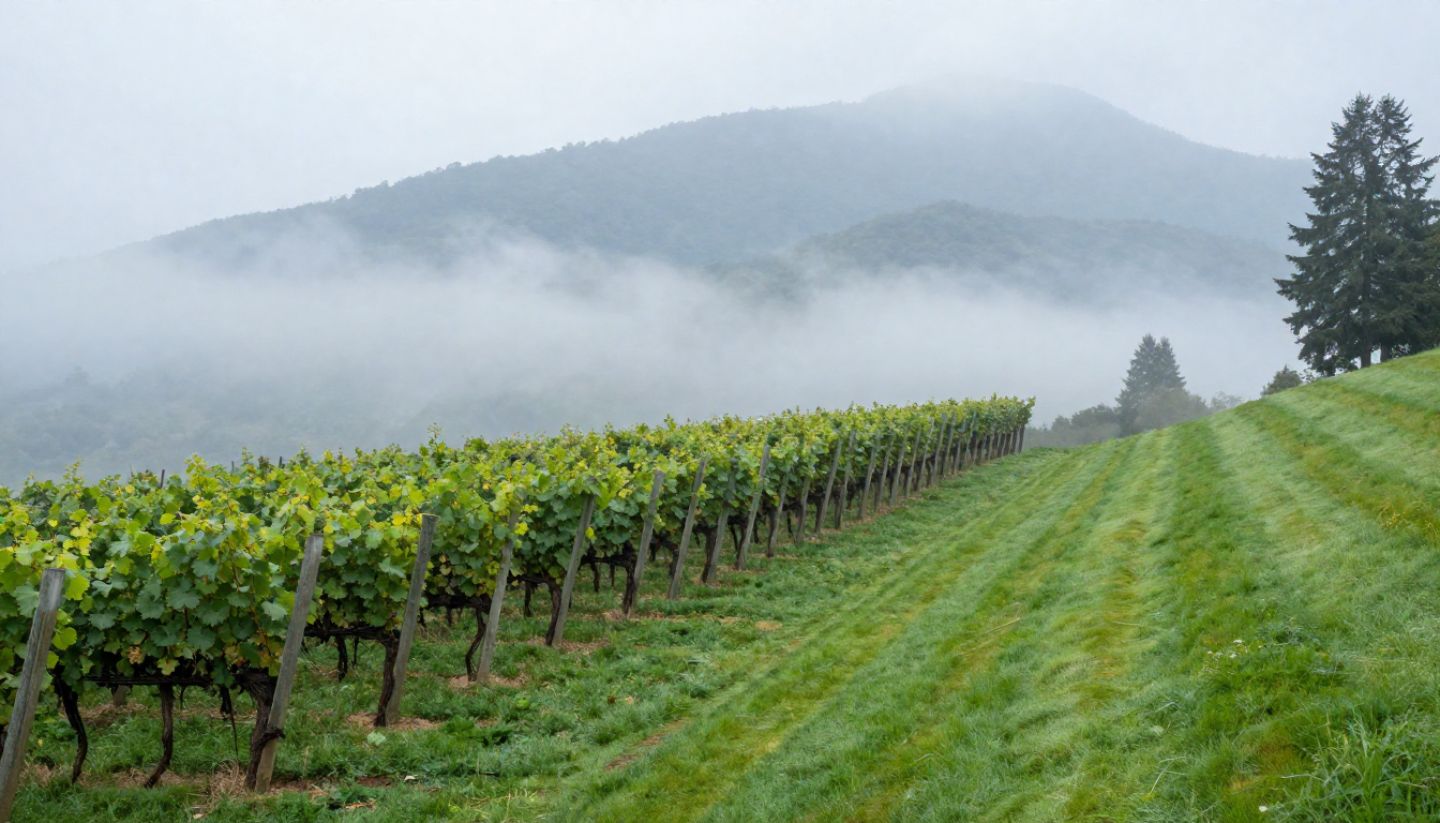
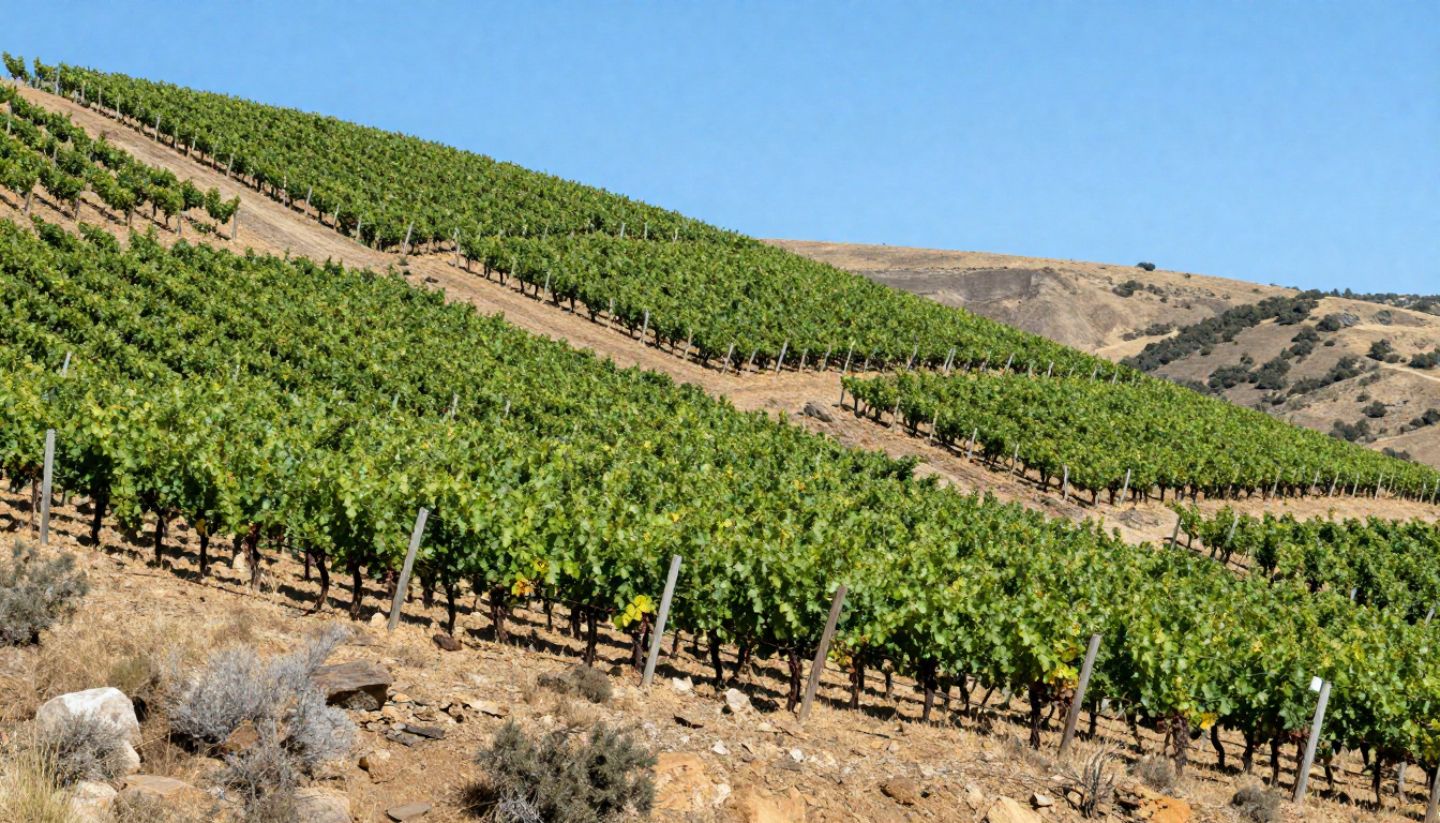
Day two is for elevation. Head toward the Mayacamas Mountains or the Vaca Range to taste how altitude, exposure, and thinner soils shape structure and longevity.
Consider:
- Dalla Valle Vineyards: A historic Oakville hillside estate known for wines built to age.
- Lokoya: A focused look at mountain-grown Cabernet across multiple appellations.
These are wines that reward patience.
Lunch: Short and Strategic
Keep lunch simple and efficient.
- Oakville Grocery: A long-standing Napa institution and an easy place to reset your palate.
Collectors often underestimate how much lunch affects afternoon clarity.
Afternoon Tasting: Unhurried Refinement
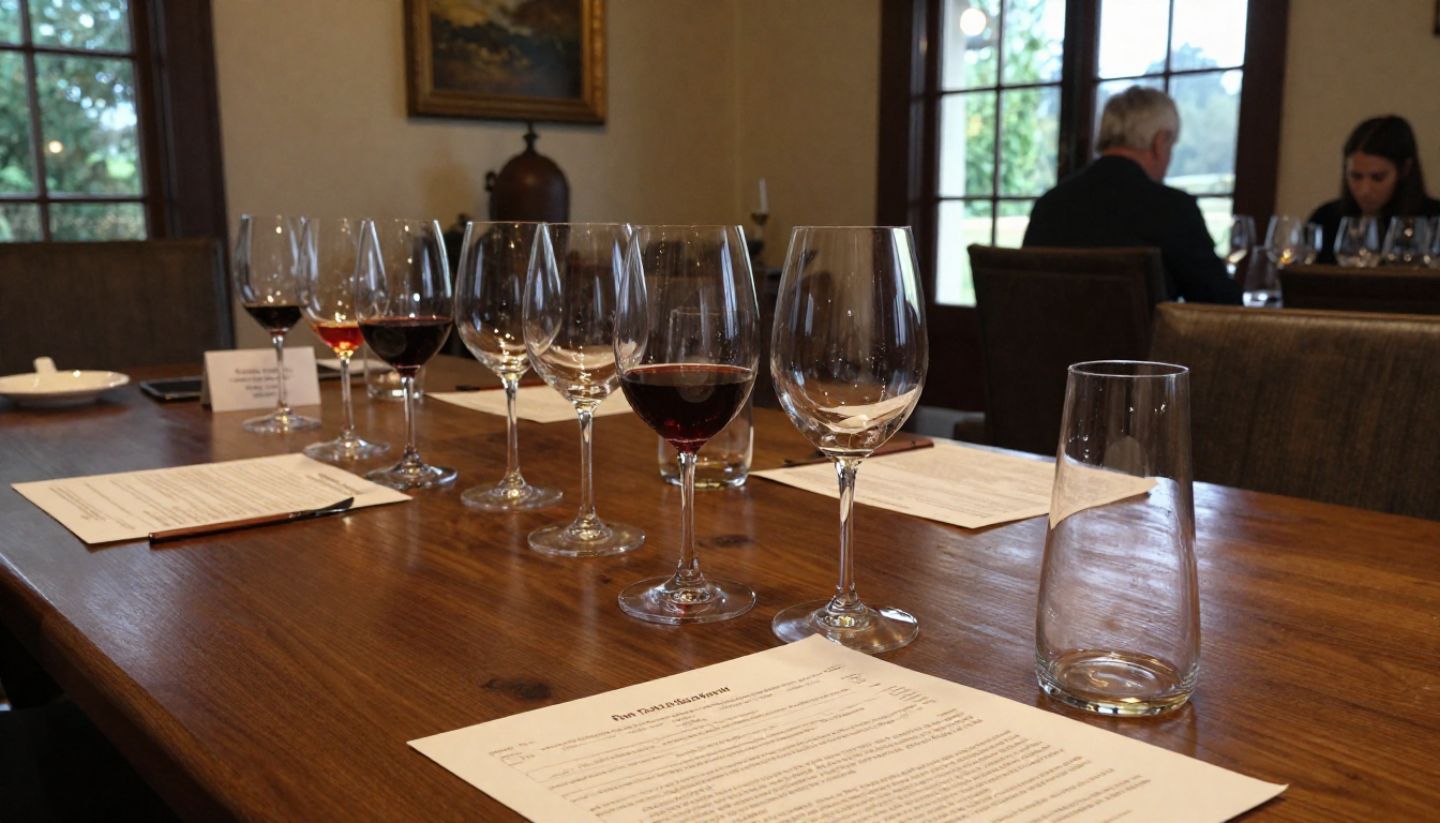
This is the ideal window for private tastings that allow revisiting wines, discussing aging curves, and understanding vintage variation.
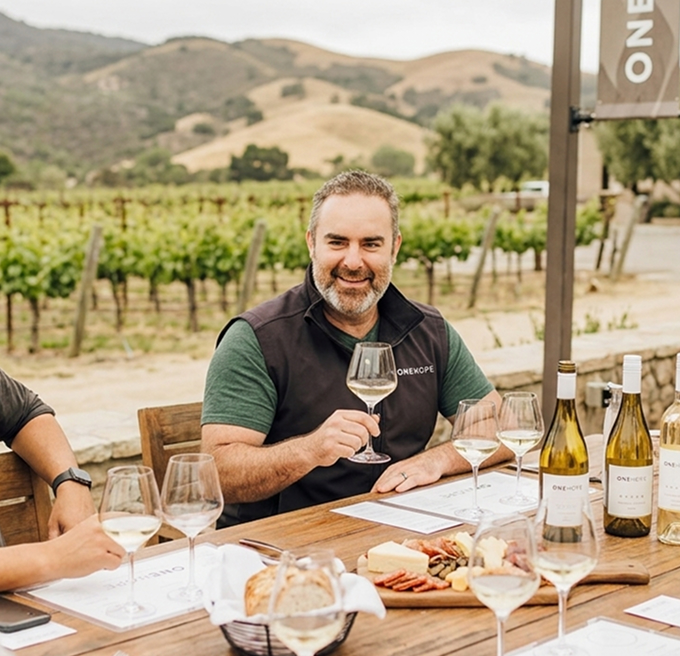
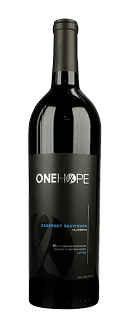
A brief note of transparency. Estate 8 at ONEHOPE was designed with collectors in mind, not volume. I am biased here. It is my passion project. Some of the most meaningful collector conversations I have had took place late in the afternoon, glasses barely touched, talking through vintages as the light settled across the Rutherford benchlands. That pace is intentional and it matters.
Evening: One Quiet Dinner
Choose one dinner and keep it grounded.
- Press, St. Helena: A cellar-driven room that understands how collectors think.
- Charter Oak: If you want food that complements rather than competes.
Day Three: Refinement and Long-Term Thinking
Morning: Library or Vertical Tasting
Use your final morning to go deeper, not wider.
Prioritize:
- Vertical tastings of the same wine across multiple vintages
- Library wines that show bottle evolution
These experiences offer more insight than current releases.
A classic stop:
- Beaulieu Vineyard, St. Helena: Their Georges de Latour Private Reserve remains a reference point for Napa Cabernet longevity.
Afternoon: Do Nothing on Purpose
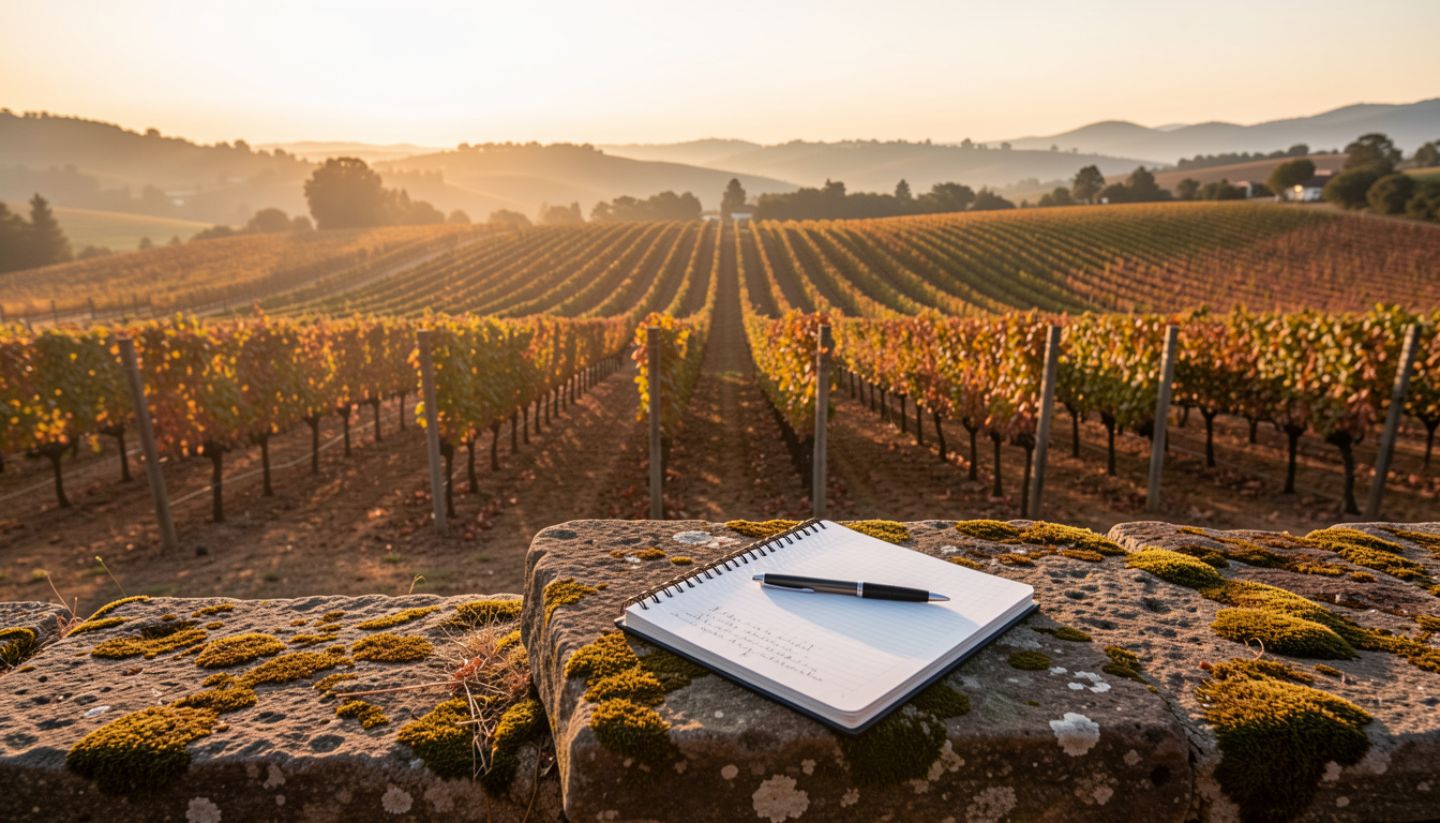
Leave space to review notes, follow up on allocations, and reflect. Some of the best buying decisions are made away from the tasting table.
Small Local Notes
Weekdays matter: Tuesday through Thursday allows for longer, more candid technical discussions.
Tasting order: Always move from lighter wines to heavier reds and library bottles to protect your palate.
Dress practically: Wine country casual is fine, but darker colors are wise. Cabernet travels.