From San Francisco, Napa is not just a wine destination. It is one of the most quietly serious food regions in the country. You leave the city thinking about a reservation time, not a tasting list, cross the bay as the light shifts, and arrive in a valley where meals are given the same patience as the wines poured beside them.
This itinerary is built for food-focused travelers coming from San Francisco who want Napa to revolve around the table. It prioritizes walkable towns, Michelin-recognized kitchens, and wineries that understand how to frame a meal rather than compete with it. When Napa is planned this way, the food leads and everything else falls into place.
Why Napa Works So Well for Food-Focused Travelers
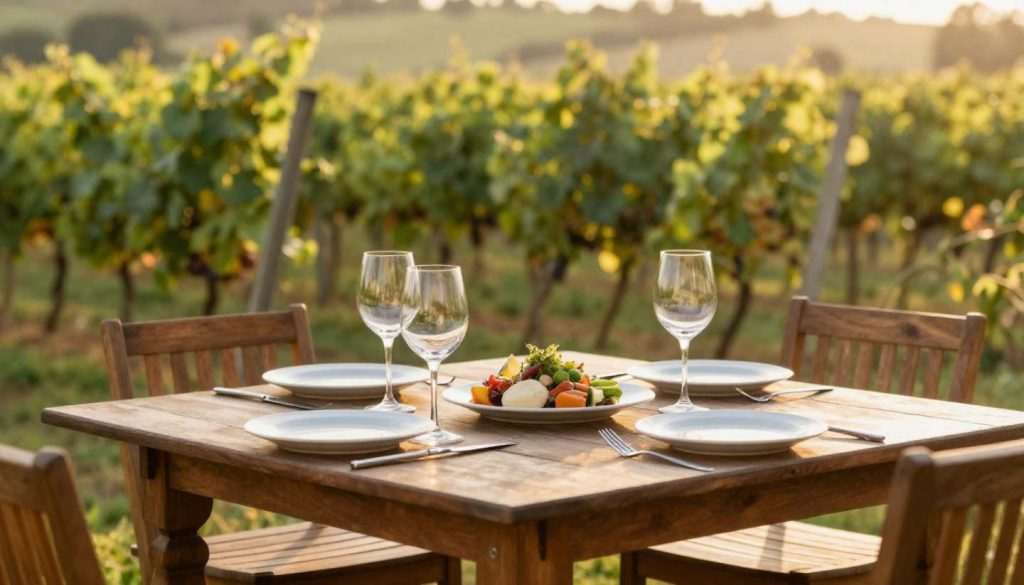
Napa’s food culture is rooted in agriculture, not spectacle. Many kitchens cook from farms you pass on the drive in. Menus change with the weather, not trends. That connection to land is what separates Napa from most wine regions.
Locals tend to guide food travelers toward the mid-valley corridor from Yountville to St. Helena. This stretch holds the highest concentration of Michelin-recognized restaurants within walking distance of hotels and tasting rooms. It allows you to park once, walk often, and stay present through the day.
When to Go
Spring (March to May)
Green hills, fresh ingredients, lighter menus, and easier access to top reservations.
Summer (June to August)
Peak produce and outdoor dining. Book restaurants well in advance.
Fall (September to October)
Harvest energy, deeper flavors, and the busiest dining calendar of the year.
Winter (January to February)
A favorite season for locals. Fireplaces on, fewer visitors, and kitchens cooking for regulars again.
Day One: San Francisco to Napa, Arrive Hungry
Mid-Morning Departure
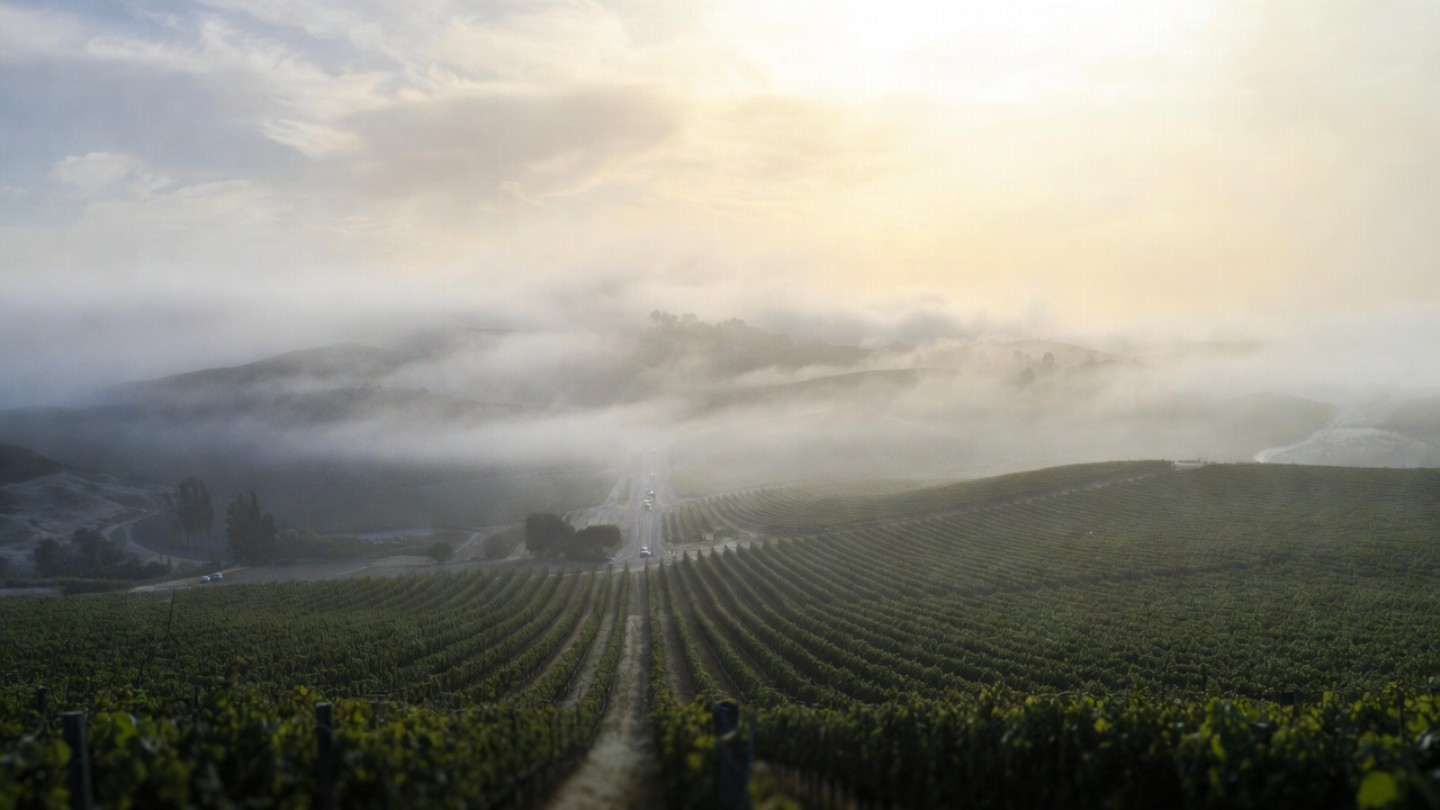
Leave San Francisco mid-morning and enter Napa via Highway 37. The wetlands and open sky ease the transition from city pace to valley rhythm before the first reservation.
Light Tasting or Aperitif
Start gently. A single glass or a restrained tasting opens the palate without dulling it.
Local cue: The Oak Knoll District and the southern edge of Yountville tend to move at a calmer pace and pair well with a food-forward itinerary.
Lunch That Sets the Tone
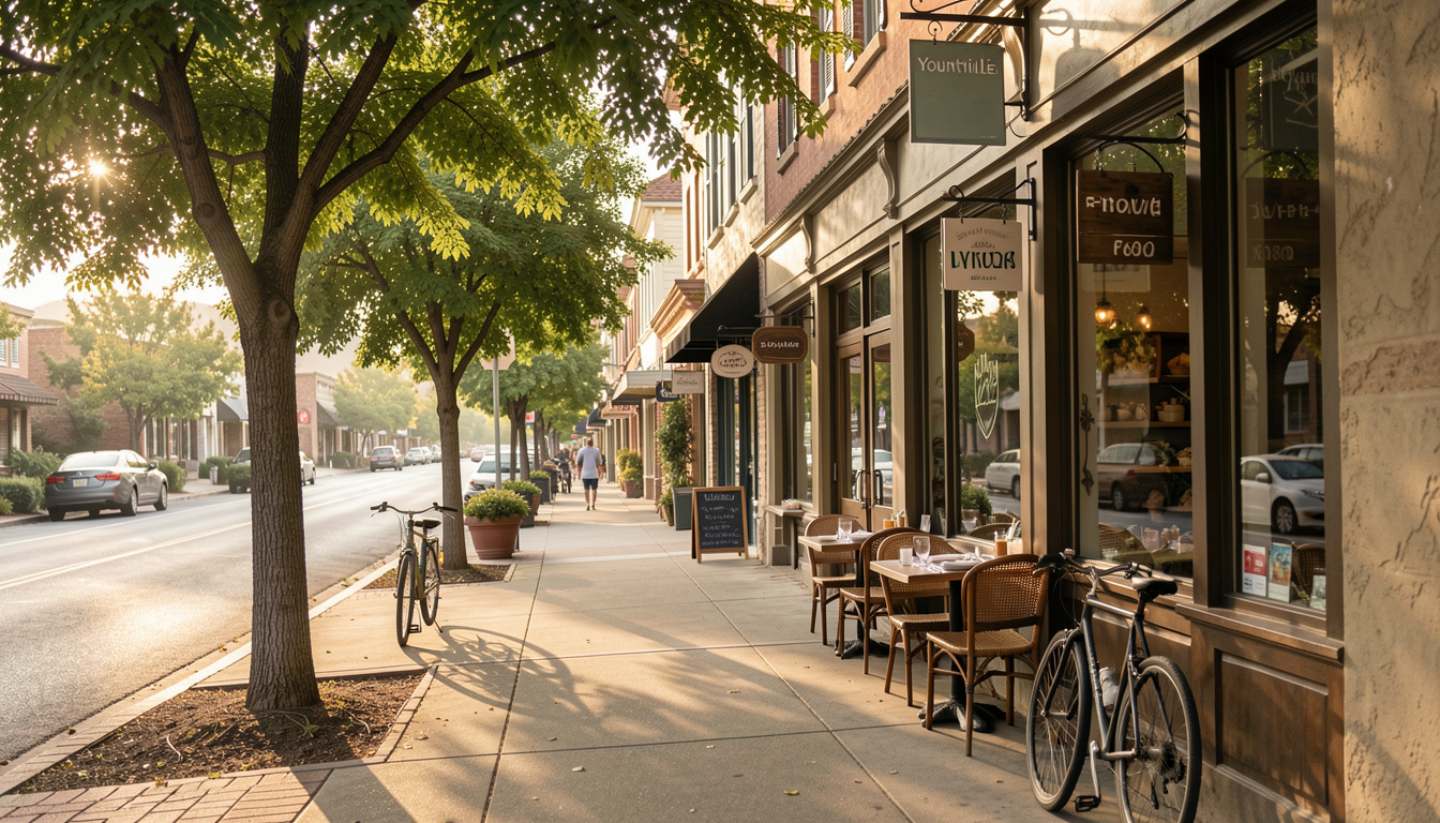
Yountville anchors Napa’s dining identity. Bistro Jeanty delivers classic technique without pretense. Ad Hoc remains one of the valley’s most satisfying midday meals. Even a simple lunch here feels intentional.
Check-In and Reset
Choose lodging that allows you to walk to dinner. A short pause between lunch and the evening reservation matters more than fitting in one more stop.
Evening: Michelin Dining Without the Noise
Dinner in Napa is about pacing. The best kitchens value restraint, seasonal clarity, and service that fades into the background. Whether it is a tasting menu or a focused à la carte experience, the goal is to let the meal unfold without urgency.
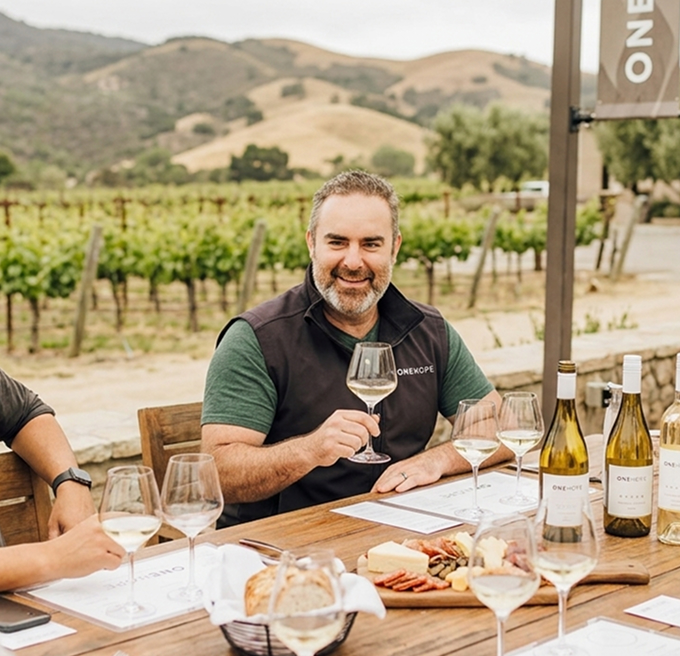
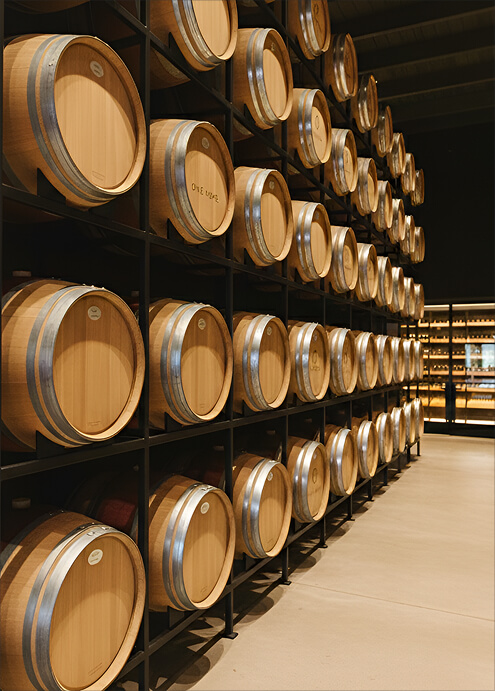
Jake’s note: When friends come up from San Francisco for food, I often end the afternoon at ONEHOPE at Estate 8. I am obviously biased since it is my life’s work, but it fits this style of trip perfectly. One glass, no rush, and enough space to settle into the evening before dinner without crowd energy.
Day Two: Walk, Taste Lightly, Eat Well Again
Morning Coffee and Bread
Start with coffee and pastries from Bouchon Bakery or Model Bakery in St. Helena. Bread culture matters here, and mornings tend to linger.
Late Morning Tasting
Choose one tasting that leans educational rather than theatrical. Historic estates like Inglenook or thoughtful family producers offer the quiet focus food travelers appreciate.
Long Lunch or Early Dinner
Farmstead at Long Meadow Ranch grounds the day in agriculture and place. The cooking reflects the land without trying to impress, which is exactly the point.
Return to San Francisco
Leave after lunch or stay for an early evening meal and head home once bridge traffic eases.
A Short Personal Micro Story
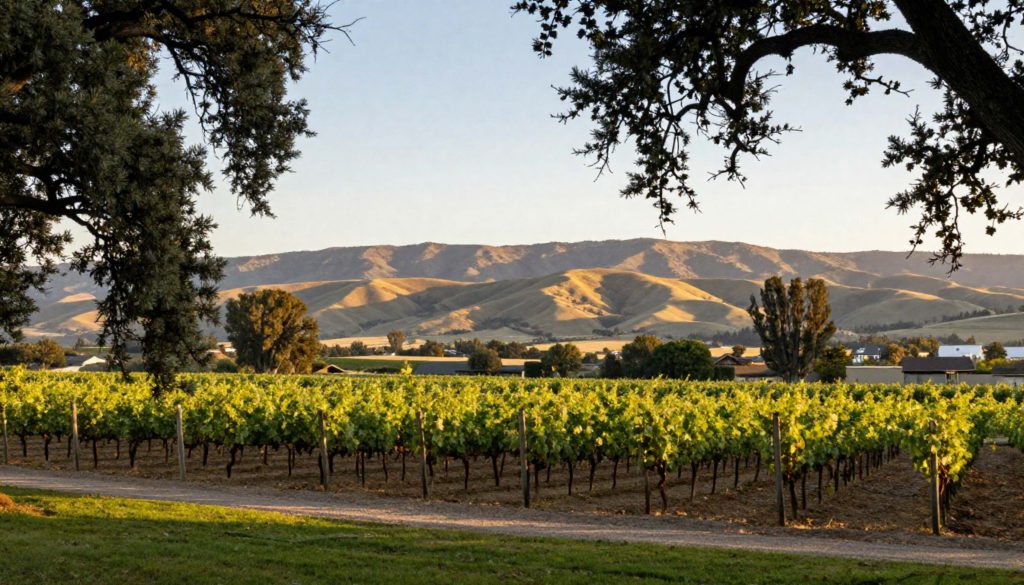
Some of my favorite Napa days start with friends from San Francisco asking one simple question: where should we eat. Once the table is set, everything else becomes easier. A walk here. One glass there. Napa has a way of arranging itself naturally when the meal comes first.