From Marin County, Napa feels close enough to be spontaneous and far enough to feel meaningful. You cross the Richmond San Rafael Bridge, pass through the Carneros wetlands where the light always seems a little wider, and within an hour the background noise drops away. The valley narrows. The air dries out. Conversations slow without anyone needing to say it out loud.
This itinerary is built for couples who want Napa to feel intimate rather than impressive. It favors quieter roads like the Silverado Trail, smaller tasting rooms where conversations matter, and moments that leave space for connection. Less agenda, more presence. When Napa is approached this way, even a single overnight can feel like a small anniversary.
Why Napa Works So Well for Couples from Marin
Napa works for Marin couples because it does not demand overplanning. The valley is linear, roughly thirty miles from south to north, and easy to settle into once you arrive. You can show up late morning, check in, and spend more time walking than driving.
Locals tend to guide couples toward the mid valley stretch from Yountville to St Helena. This area balances classic vineyards with human scaled towns. It is where Napa feels romantic without trying to be.
When to Go
Spring (March to May)
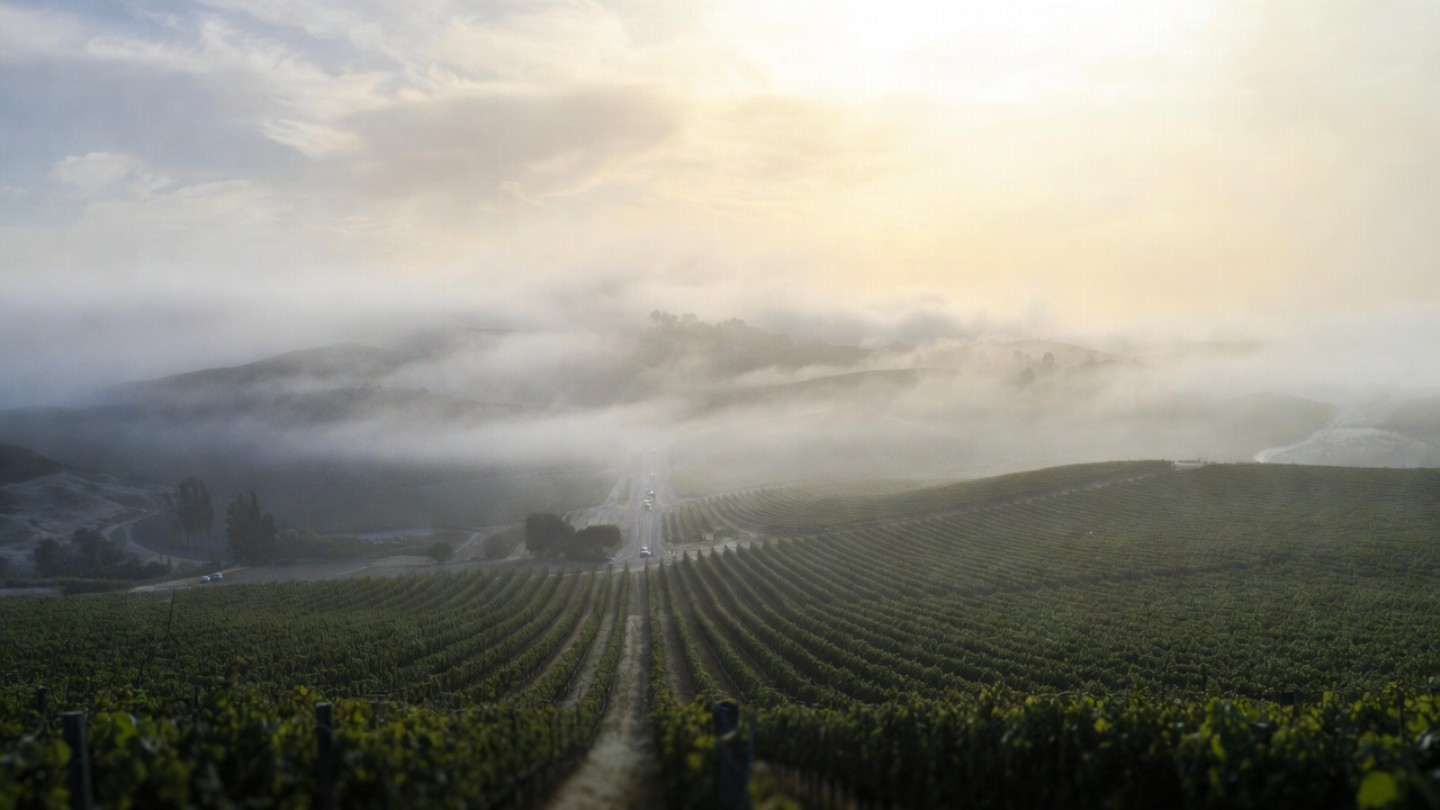
Green hillsides, quieter roads, and mornings when the fog lifts slowly off the vines.
Summer (June to August)
Golden evenings and outdoor dinners. Book Friday and Saturday reservations four to six weeks ahead.
Fall (September to October)
Harvest energy, vineyard color, and the most vibrant time of year.
Winter (January to February)
Mustard blooms, fireplaces, and some of the most intimate tasting experiences in the valley.
Day One: Marin to Napa, Ease Into It
Late Morning Arrival (10:30 to 11:00 am)
Leave Marin mid morning and enter Napa via Highway 37. The open wetlands and wide sky help shift the pace before you even reach the vines.
First Tasting
Start with a seated experience known for hospitality and calm rather than crowds. Smaller producers in Oak Knoll or Rutherford often shine here, where tastings feel conversational instead of transactional.
Local cue: As you head north on Highway 29, the Rutherford benchlands sit just to the west. This narrow strip of alluvial soil produces wines locals often describe as having a soft, dusty texture you feel more than taste.
Lunch in Yountville
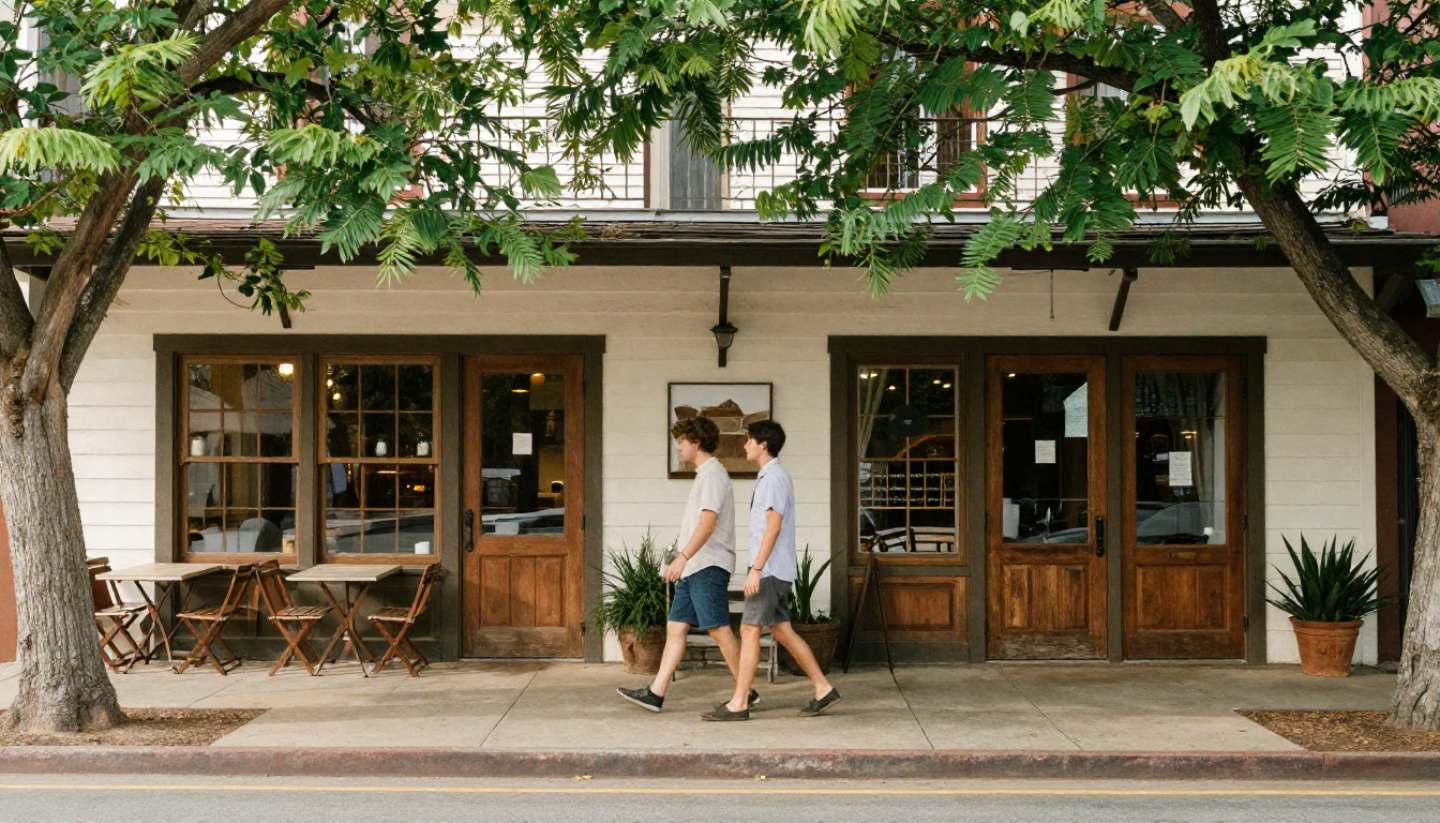
Park once and walk. Yountville’s scale is perfect for couples. Bistro Jeanty feels timeless and cozy, while Bottega invites a longer, slower lunch. Even a pastry from Bouchon Bakery followed by a shaded walk along Washington Street can become the highlight of the day.
Afternoon Drive and One More Stop
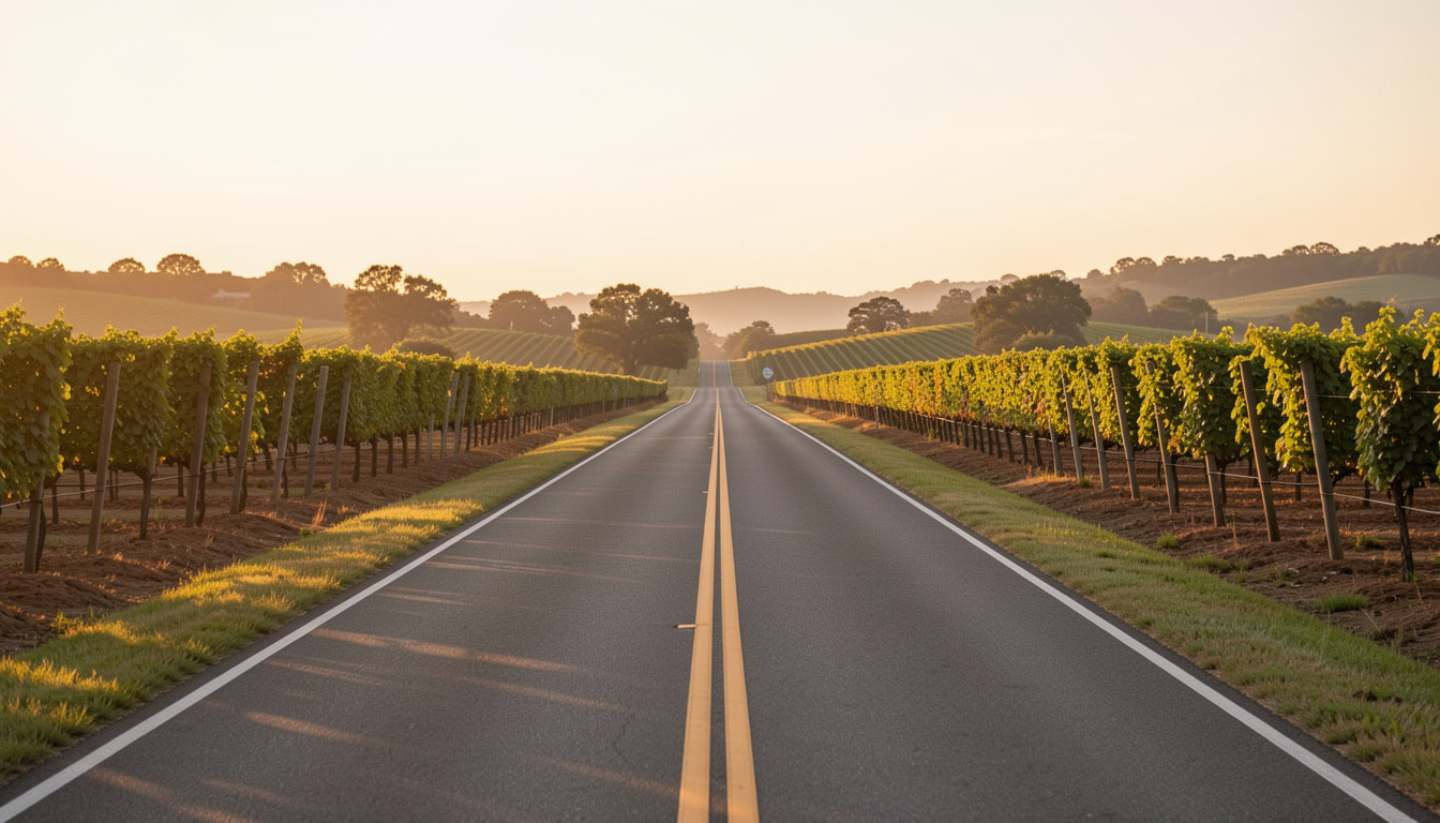
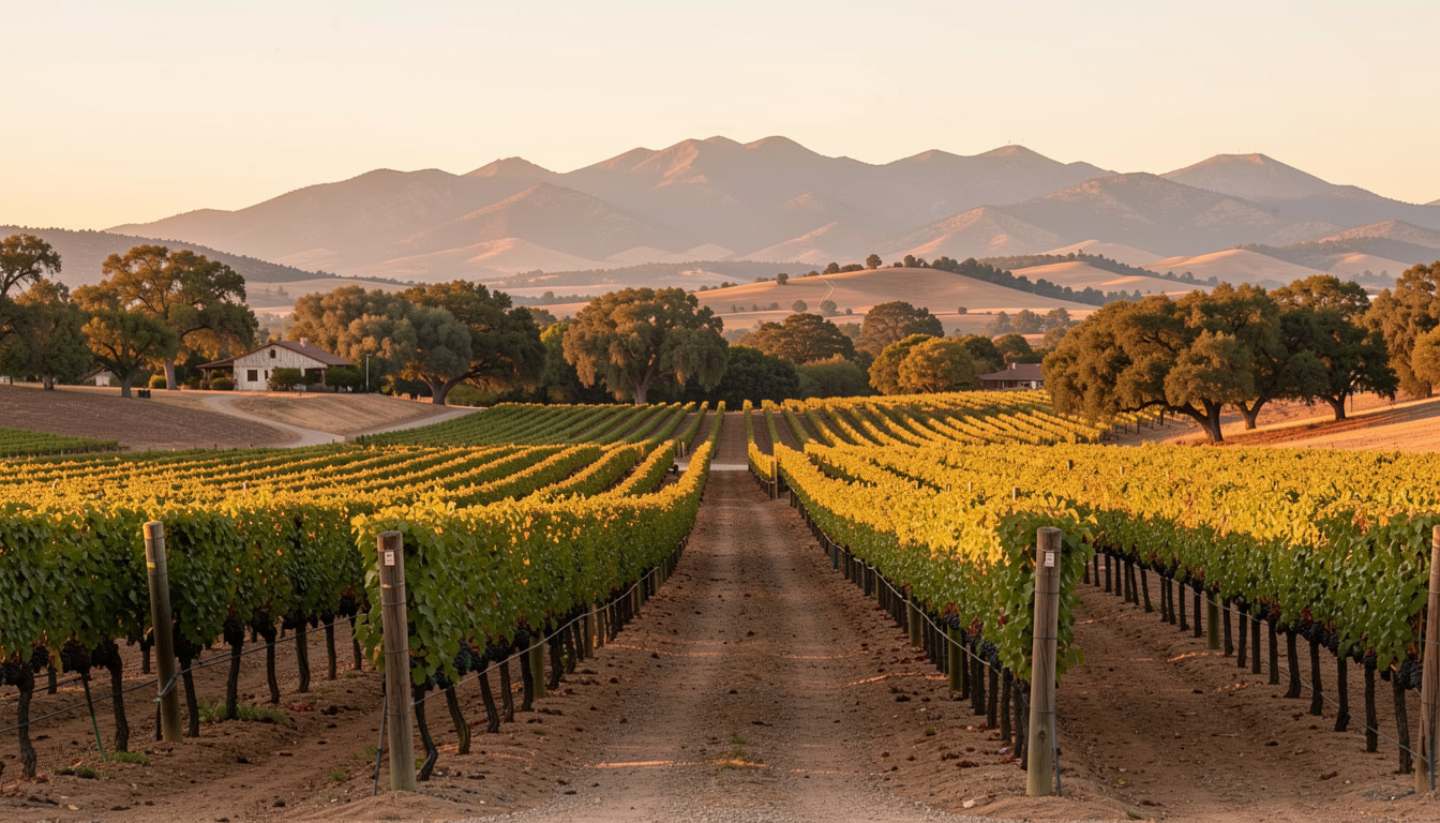
Cross over to the Silverado Trail for your second tasting. The road runs quieter, framed by oak trees and vineyards, and feels intentionally removed from the main highway.
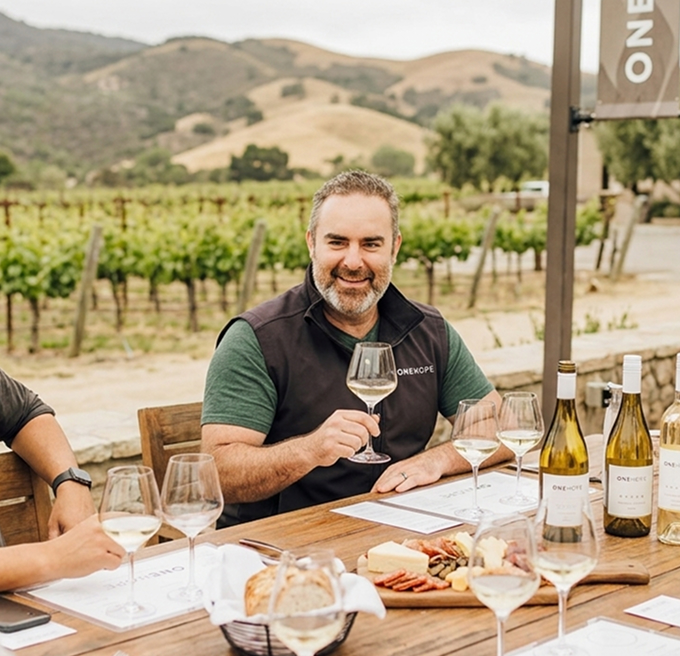
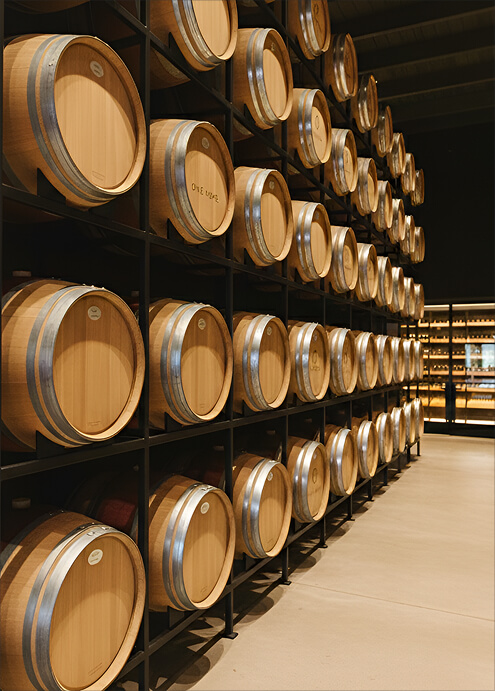
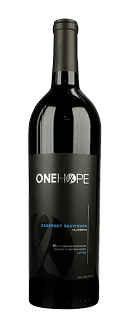
Jake’s note: This is often when I end the afternoon at ONEHOPE or Estate 8. I am obviously biased since it is my life’s work, but the property was shaped around moments like this. Late light, fewer voices, and enough room to linger without watching the clock.
Evening Wind Down
Check in, rest for a bit, and keep dinner close to where you finish the day. A short walk after dinner often becomes the most romantic part of the evening.
Day Two: Slow Morning, Gentle Goodbye
Coffee and a Walk
Start with coffee from The Model Bakery in St Helena or a small local café before the town fully wakes up. Walk without a destination. This is often when the best conversations happen.
Final Tasting (around 11:00 am)
Choose a historic or family run estate. Properties like Inglenook or Beringer offer a sense of continuity and calm that suits a final stop, especially if you enjoy gardens and shaded courtyards.
Lunch Before Heading Home
Eat before leaving the valley. Farmstead at Long Meadow Ranch sits on the southern edge of St Helena and works perfectly as a launch point for Marin travelers heading home.
A Short Personal Micro Story
Some of my favorite Napa afternoons are when friends come up from Marin and we plan less than we think we should. One vineyard. One long lunch. A walk with no destination. Napa tends to give more when you stop asking it to perform.