Napa Valley has a way of slowing your handwriting.
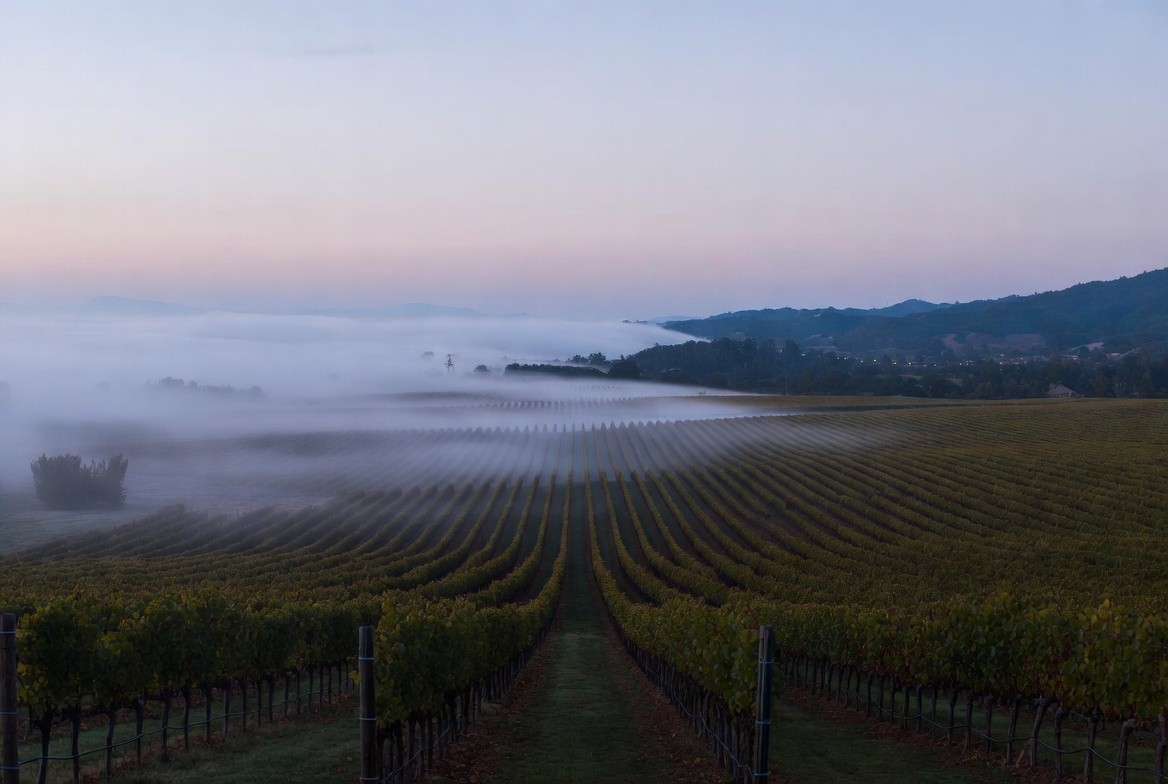
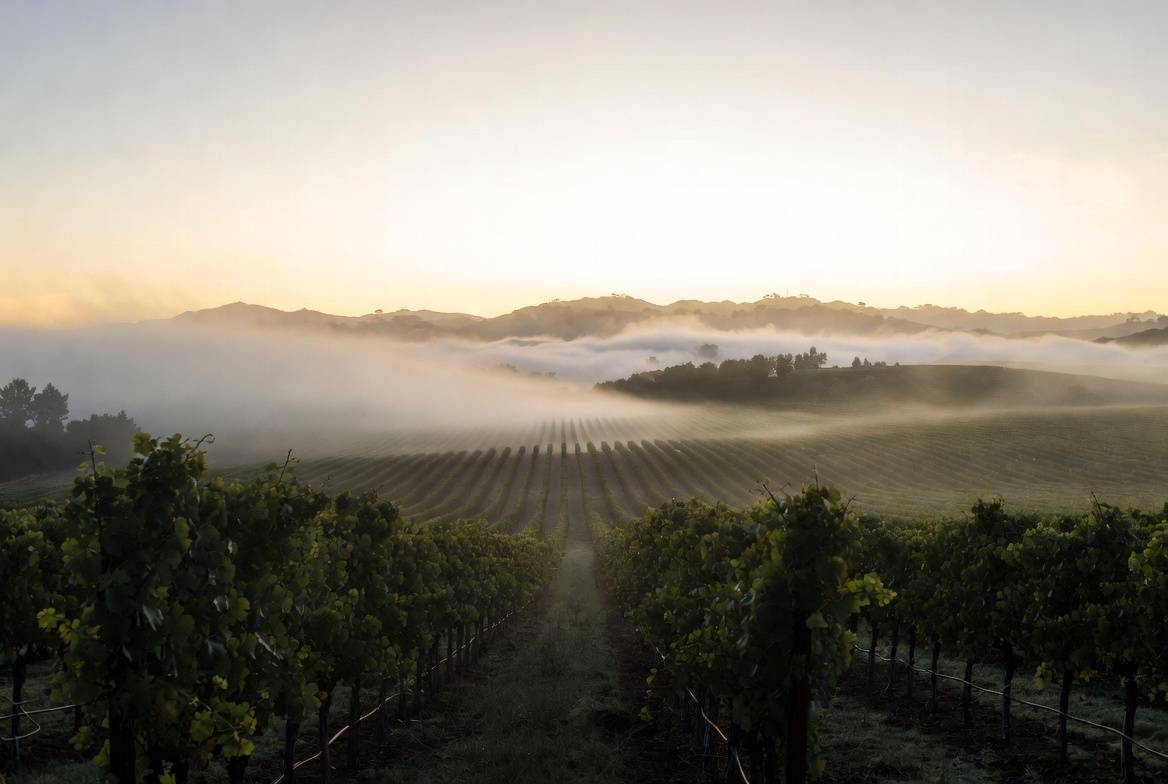
You notice it when the morning fog lifts late over the Rutherford benchlands and the valley stays quiet longer than expected. You notice it when the Cabernet light softens against the Mayacamas and your first instinct is not to take a photo, but to write something down so you do not forget how it felt.
Napa rewards travelers who pay attention. Not just to wine, but to pauses, conversations, and the small details that rarely make it into guidebooks. For people who keep journals, this valley offers something rare. A place where reflection feels natural.
What This Experience Is Really About
Napa is not a place that overwhelms you with information. It offers moments.
Travelers who document their journeys tend to notice the human fingerprint of the valley.
Microclimate shifts
The subtle change in air as you move from the valley floor toward the benchlands or the base of Mount St. Helena.
Local cadence
The way a host talks about a vineyard they walk every morning. Stories shaped by decades of sunrise passes through the same rows.
Unrushed pacing
How time stretches during a long lunch when no one is pushing you toward the next appointment.
Wine provides context. The writing comes from what surrounds it.
When It Is Best for Journaling
Winter and early spring
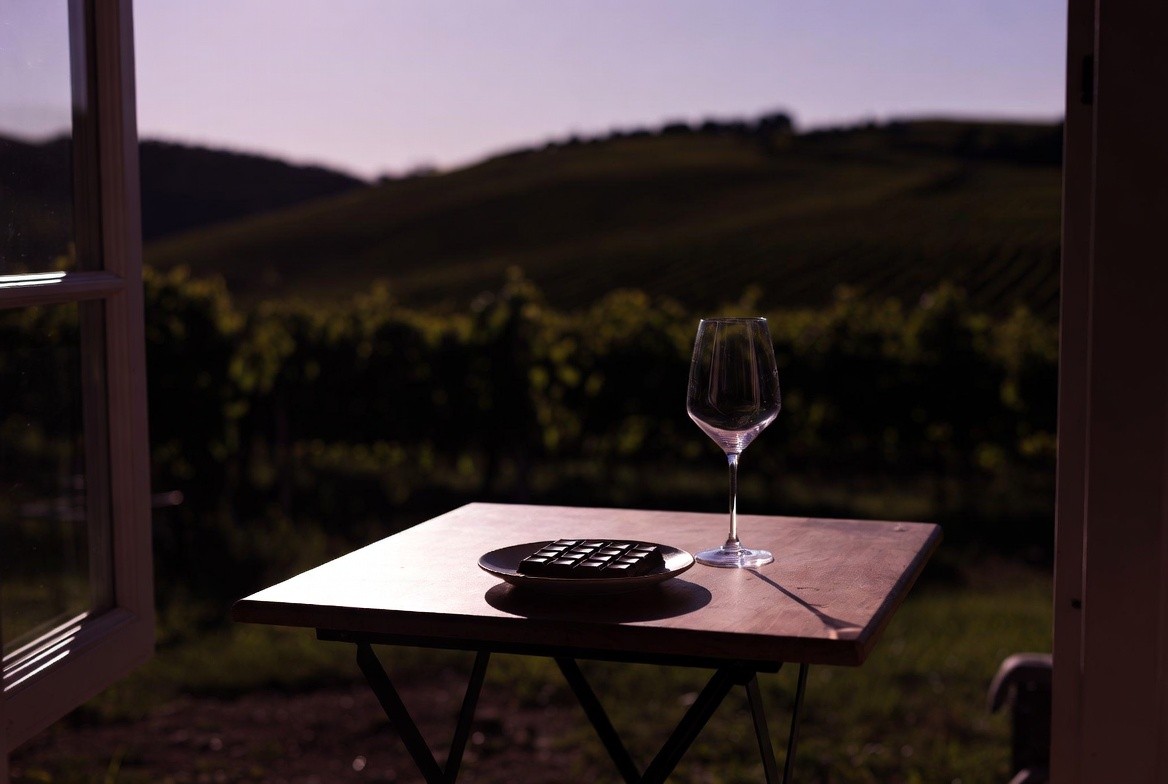
Quiet tasting rooms. Empty patios. Fires lit. The valley speaks softly and clearly during this season.
Late spring
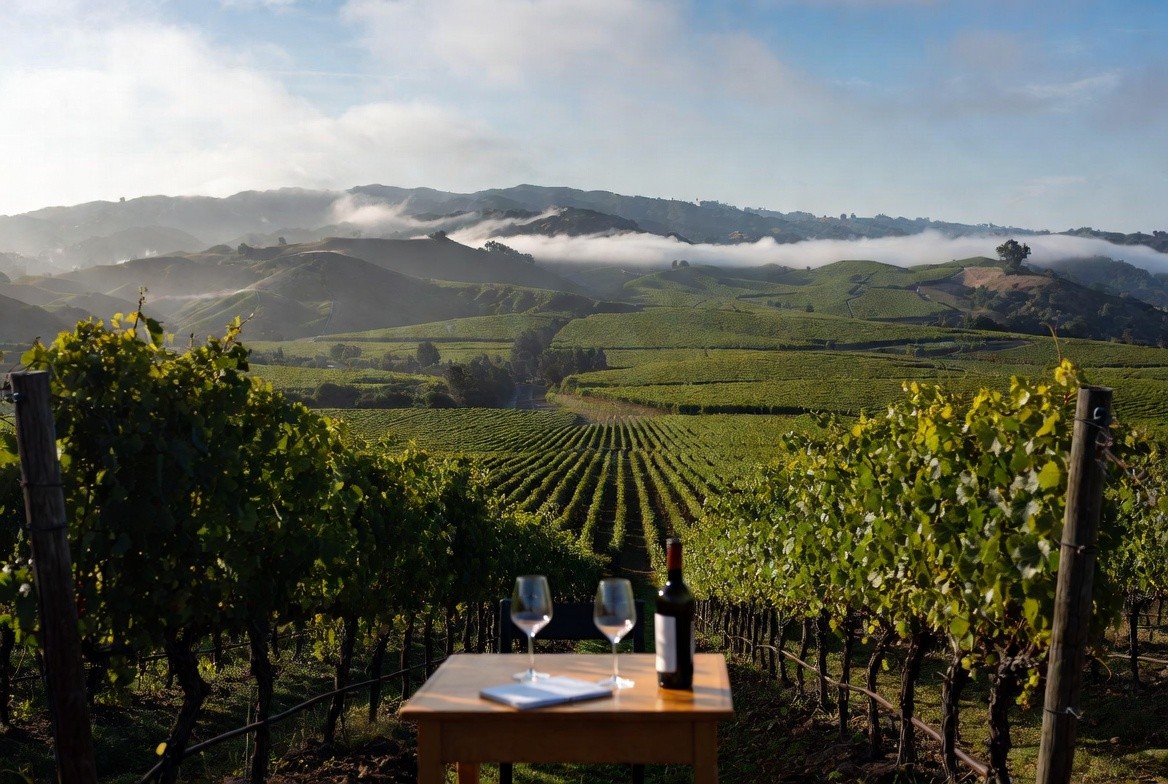
Green hills across the Mayacamas and longer light in the afternoon. A perfect time for description and reflection.
Midweek year round
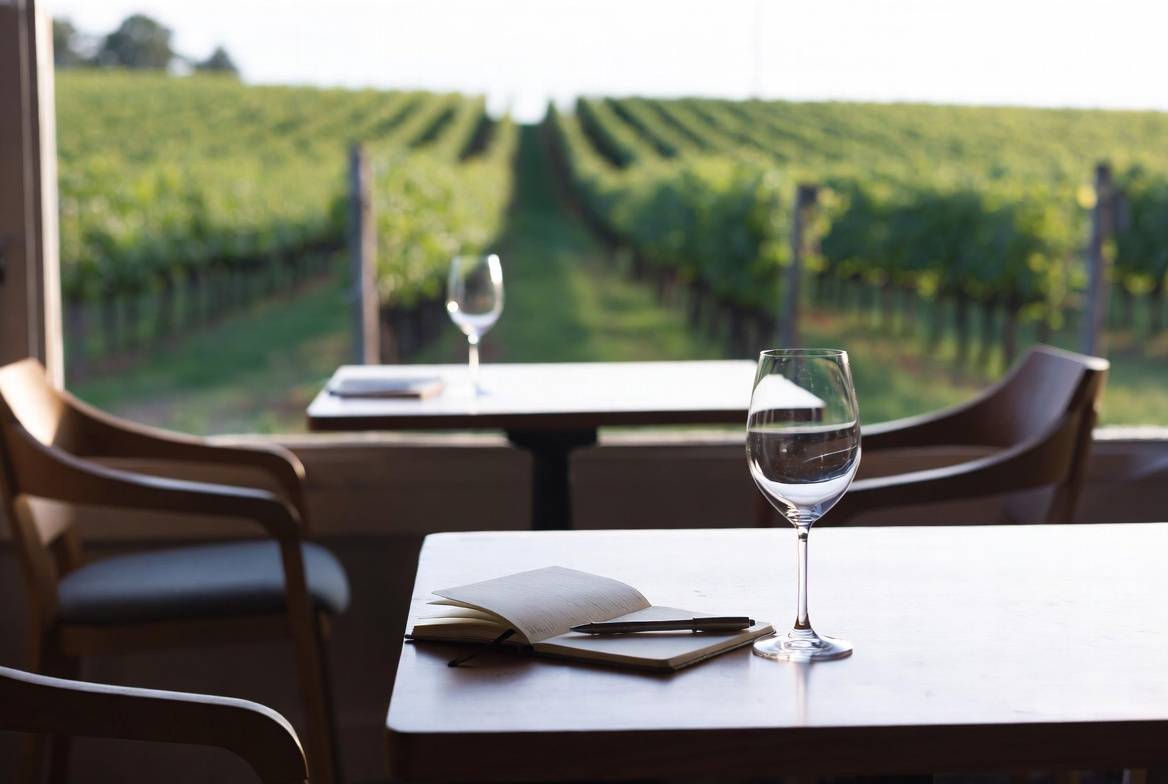
Tuesday through Thursday remains the slower, truer Napa. Fewer distractions. More room to listen and write.
What Most Visitors Miss
Many visitors capture highlights without absorbing texture.
Journaling travelers notice different things.
The pause before a host answers a thoughtful question.
The sound of gravel underfoot as you turn just past Yountville Cross Road.
The difference between standardized tasting notes and how a specific glass of Cabernet feels in that exact moment.
These details rarely show up in photos. They belong on the page.
My Local Notes
When friends tell me they keep travel journals, I always suggest they plan fewer stops than they think they need. Napa fills pages quickly if you let it.
A practical note. Choose one neighborhood per day. If you are in St. Helena, stay there. If you are exploring the east side, stay along Silverado Trail. Less driving creates more mental space to notice what is happening around you.
A Short Personal Story
I keep notes myself, usually just a sentence or two. I once wrote down a single line after a tasting with a grower who described pruning vines as a form of listening. Years later, I still remember the light, the temperature, and exactly where we were standing because I wrote that sentence down. Napa offers moments worth keeping if you are paying attention.
How to Experience Napa as a Journaling Traveler
Choose seated tastings
Experiences at places like Spottswoode or Nickel & Nickel naturally slow the pace and invite conversation.
Plan long lunches
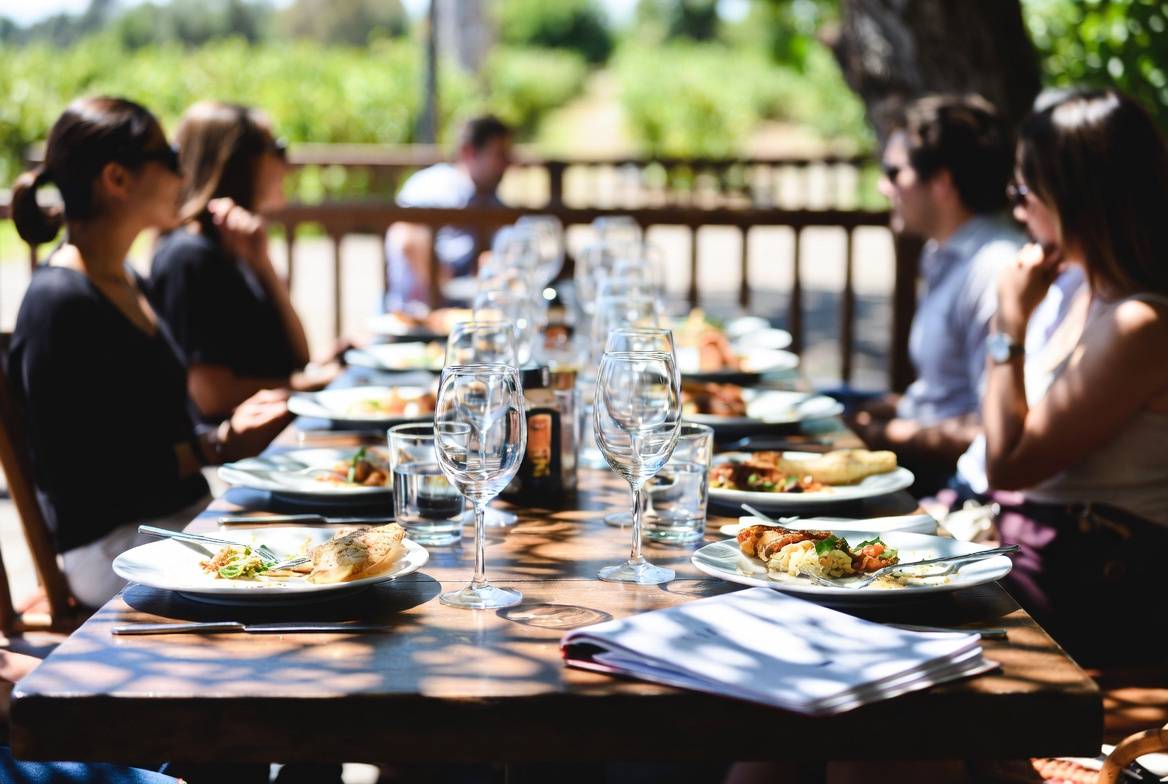
Restaurants like Farmstead, Bistro Jeanty, or The Charter Oak give you space to write between courses without feeling out of place.
Leave space open
An unplanned afternoon often produces the most honest entries.
Write before you leave the table
Fog lines, Rutherford dust, and small sensory details fade quickly once you move on.
Gentle Note From Home
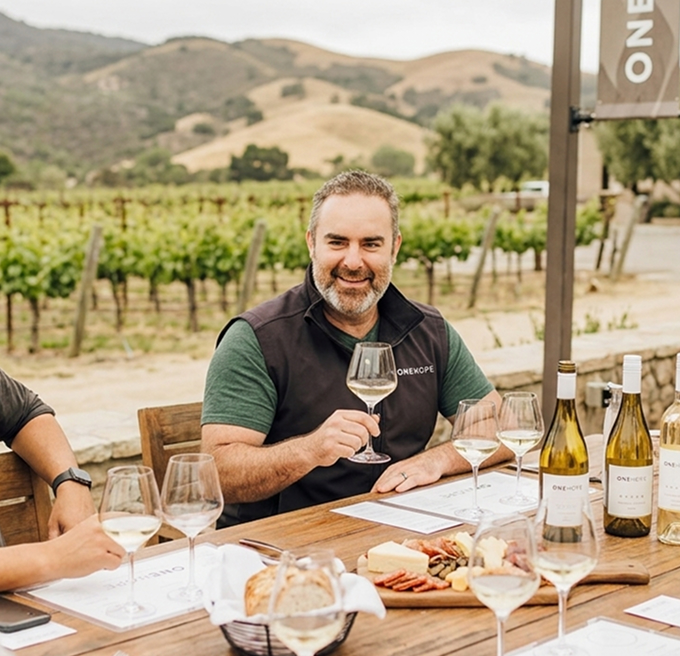
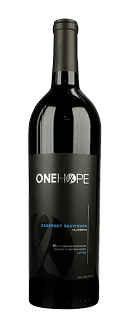
I will admit I am a little biased. ONEHOPE and Estate 8 were built with gathering and reflection in mind. We wanted a place where people felt comfortable lingering, talking, or sitting quietly with a notebook. Some of my favorite moments here involve watching guests write long after the glasses are empty.