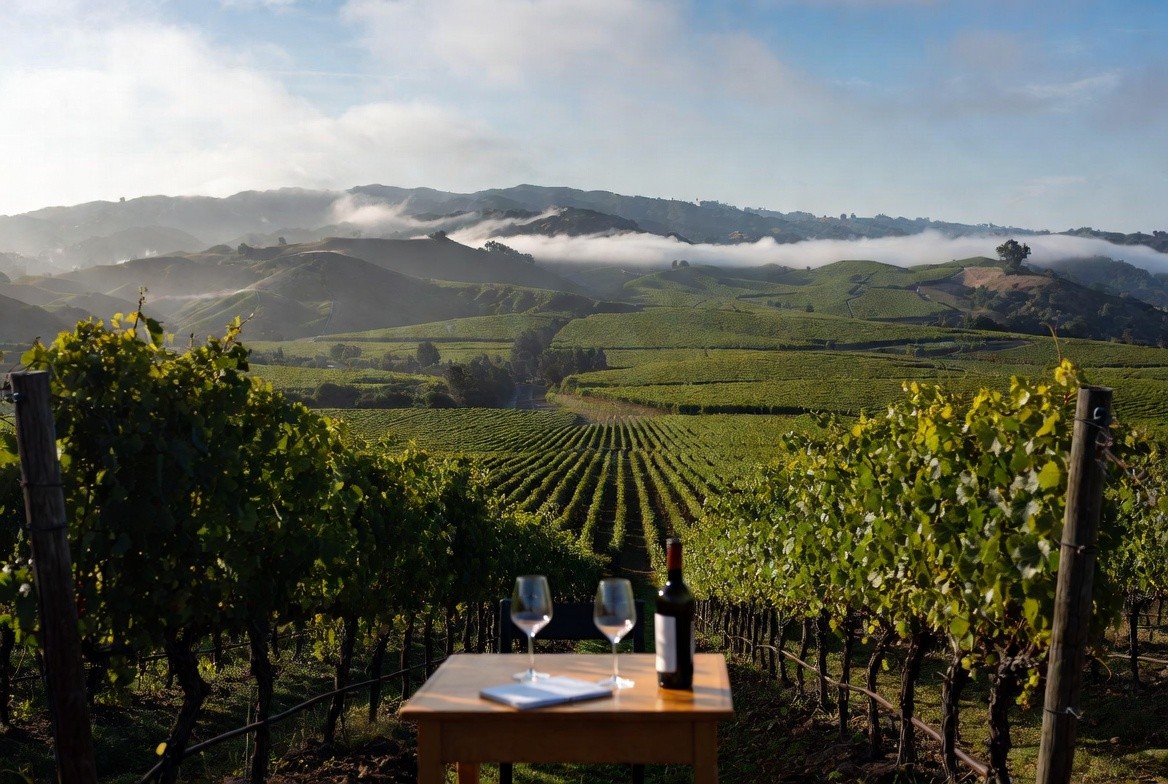
Somewhere between the first vineyard you visit and the last glass you finish, Napa Valley makes a quiet offer. Slow down. Stay a little longer. Listen.
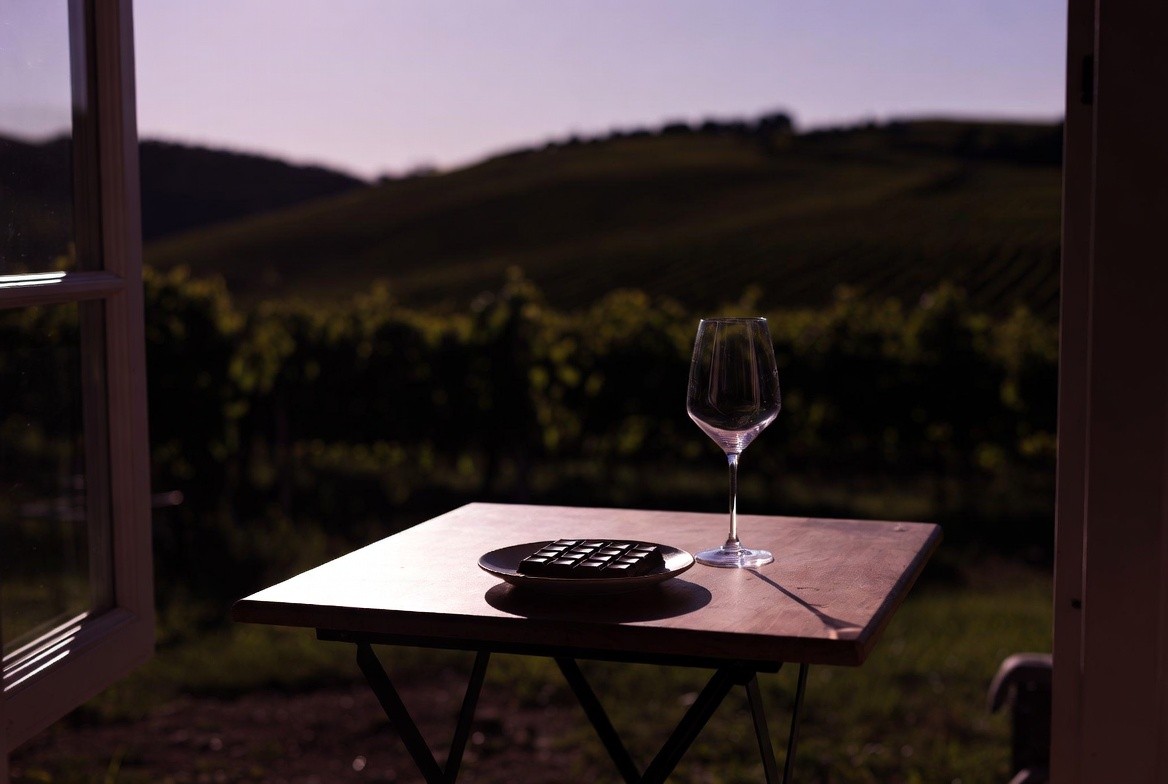
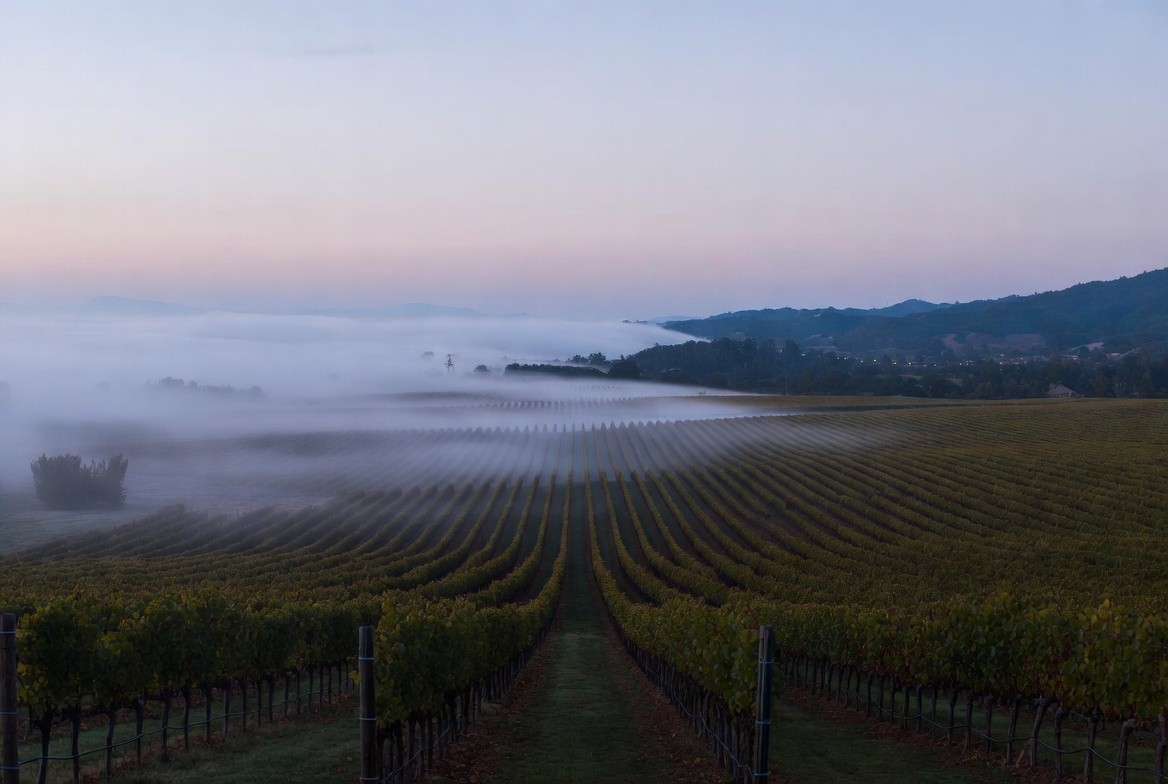
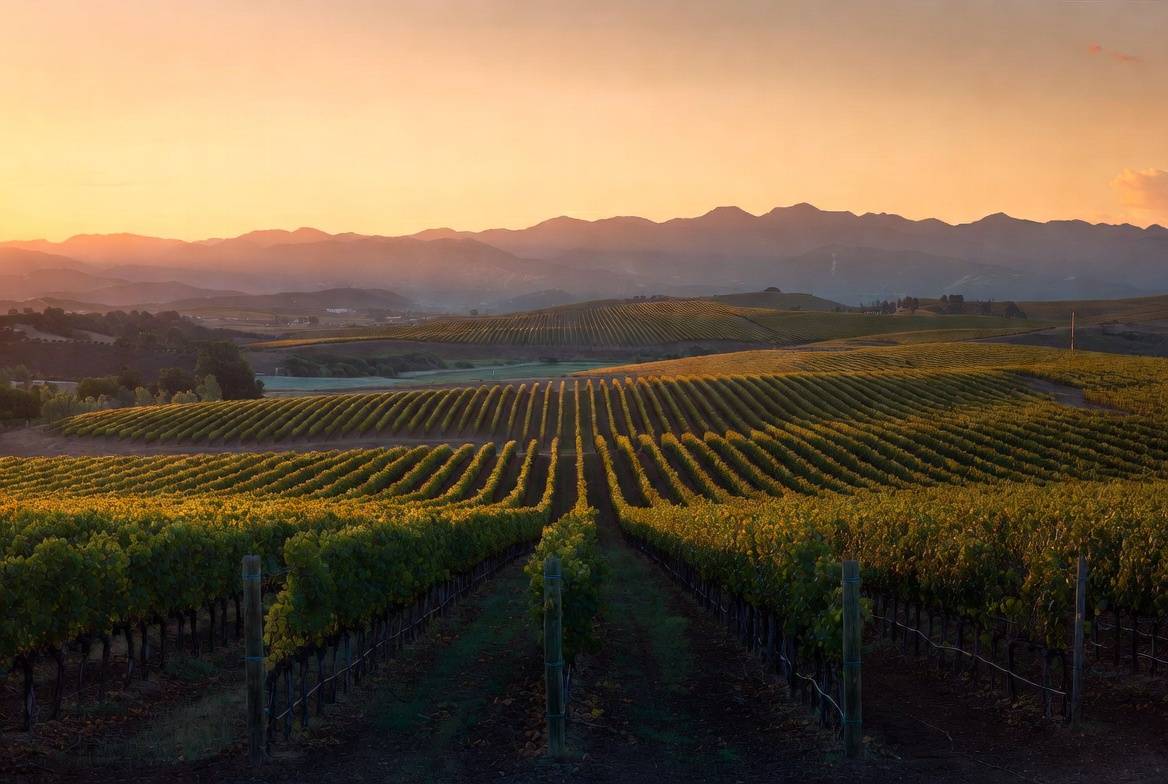
Morning fog lifts gently off the Rutherford benchlands. Early evening light settles into what locals call Cabernet light as it brushes the slopes of the Mayacamas. These moments are not scenery. They are the rhythm of the valley.
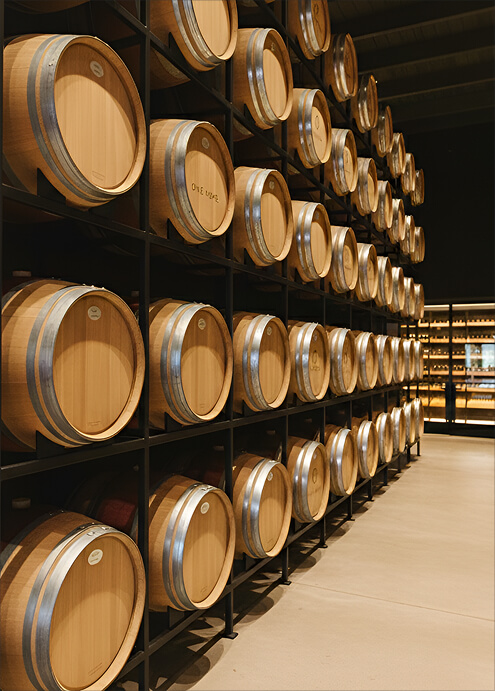
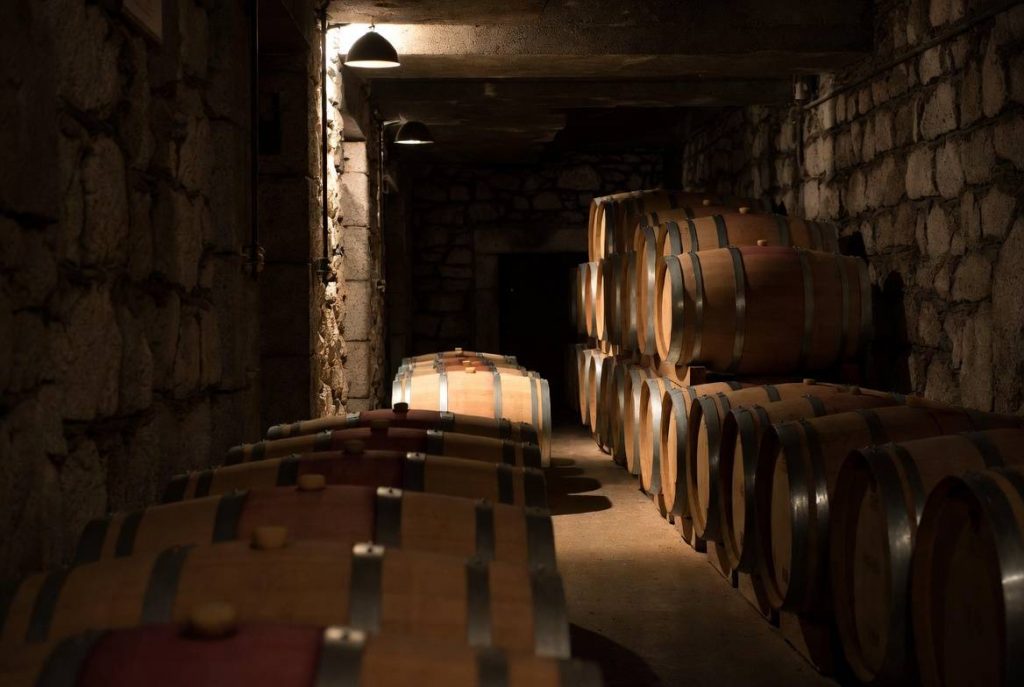
The people who leave Napa changed are not the ones with shipping boxes stacked by the door. They are the ones who remember the smell of a cellar, the temperature shift as the sun drops, and the story a host shares once the formal tasting ends. Those are the souvenirs that last.
What This Experience Is Really About
Napa is not a place that rewards speed. It is a place that rewards attention.
The most meaningful visits are shaped by:
Local connection
Conversations with the people who farm the benchlands and know their vineyards by feel, not just by map.
Sensory immersion
Walking vineyard rows instead of watching the clock. Feeling the air change as you move from valley floor to hillside.
Culinary pacing
Long lunches at places like Farmstead or Bistro Jeanty where food becomes part of the memory, not an interruption between tastings.
Wine sets the scene. People create the story.
When It Is Best (Seasonal Insight)
Winter
The quiet season. Tasting rooms slow down, fires are lit, and conversations deepen. This is when lived local stories surface naturally.
Spring
Green hills, open schedules, and a sense of optimism across the valley. A beautiful time to understand how the year begins.
Harvest
Late summer and fall bring energy and motion, especially along the valley floor. It is busier, but returning visitors feel connected to the rhythm rather than overwhelmed by it.
Midweek advantage
Tuesday through Thursday remains the truer Napa in every season. Fewer crowds, more generosity, better conversations.
What Most Visitors Miss
Many visitors treat Highway 29 like a checklist and miss the valley’s quieter cues.
They miss how the air cools instantly when the sun drops behind the Mayacamas.
They miss the fifteen minutes after a tasting ends, when the host relaxes and the real history comes out.
They miss the small family estates tucked just off Silverado Trail or a few minutes past Yountville Cross Road.
Napa reveals itself between appointments, not inside them.
My Local Notes
When friends ask me what they should buy in Napa, I usually ask a different question. How do you want to remember this trip?
If the answer is connection, the solution is simple. Less driving. Fewer stops. More presence.
A practical tip. Choose one anchor neighborhood, like St. Helena or Oakville, and stay within a fifteen minute radius. The valley opens up when you stop crossing it.
A Short Personal Story
One of my most memorable Napa moments did not happen in a tasting room. I was standing at the edge of a vineyard with a grower who had worked the same hillside for three decades. No notes, no pitch. Just a quiet explanation of a difficult year and why the vines still mattered to him. I have tasted thousands of wines since. That conversation is what stayed.
How to Travel Napa This Way
Choose anchors, not checklists
Find two wineries that value hospitality and return to them.
Honor the one hour rule
If you only have an hour, choose a seated tasting of three wines instead of rushing through a long flight.
Leave space open
Some of the best moments happen when you are turning toward the base of Mount St. Helena with no destination in mind.
Gentle Note From Home
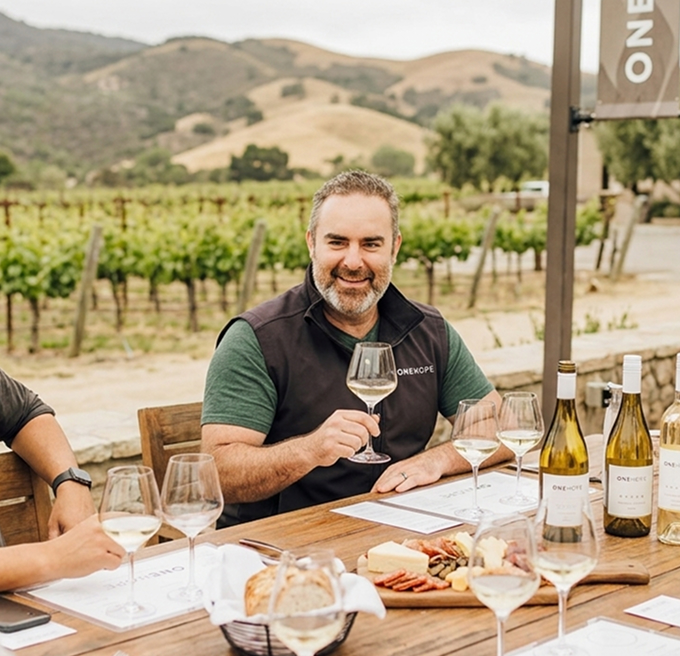
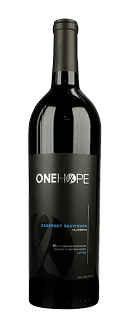
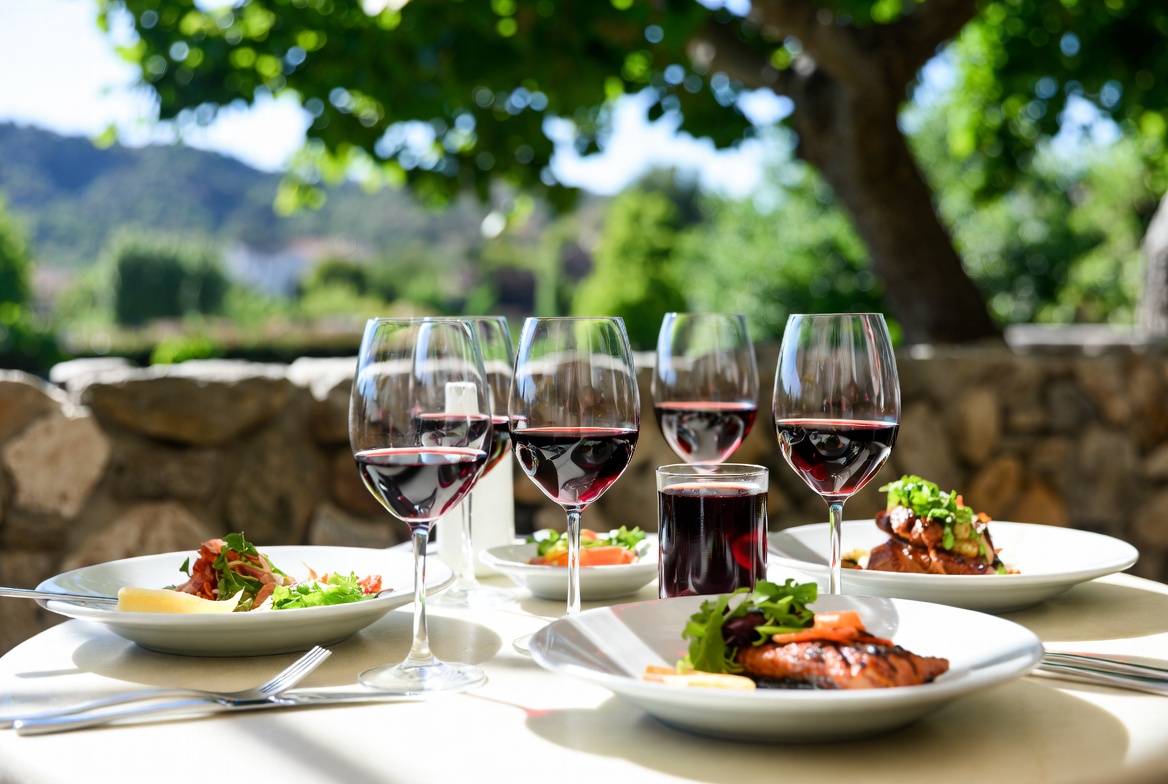
I will admit I am a little biased. ONEHOPE and Estate 8 grew out of a belief that wine is ultimately about connection. We designed our space for unrushed moments, where views slow conversations and people feel comfortable staying a little longer. If you visit, I hope you leave remembering the feeling more than the technical details.