What This Experience Is Really About
Napa is not a place you fully understand in one visit. It reveals itself slowly through continuity.
Familiarity
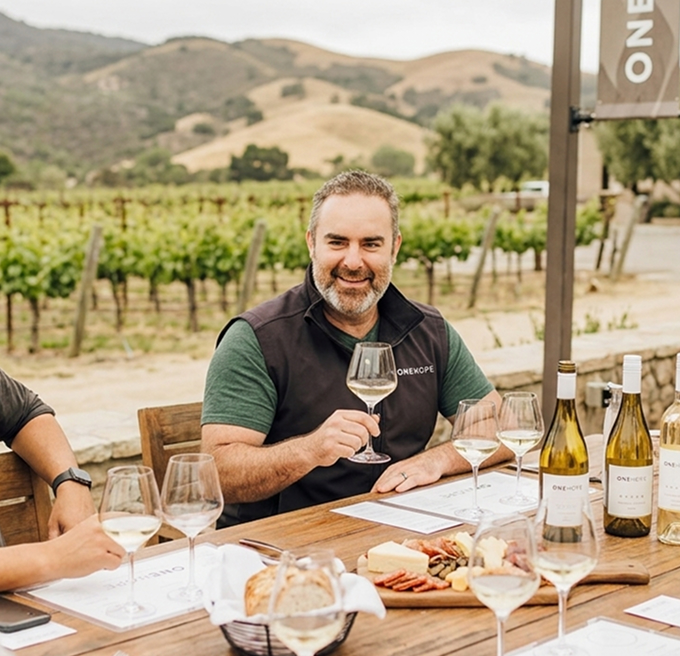
Returning to wineries where hosts remember your name and how you like to taste.
Environmental context
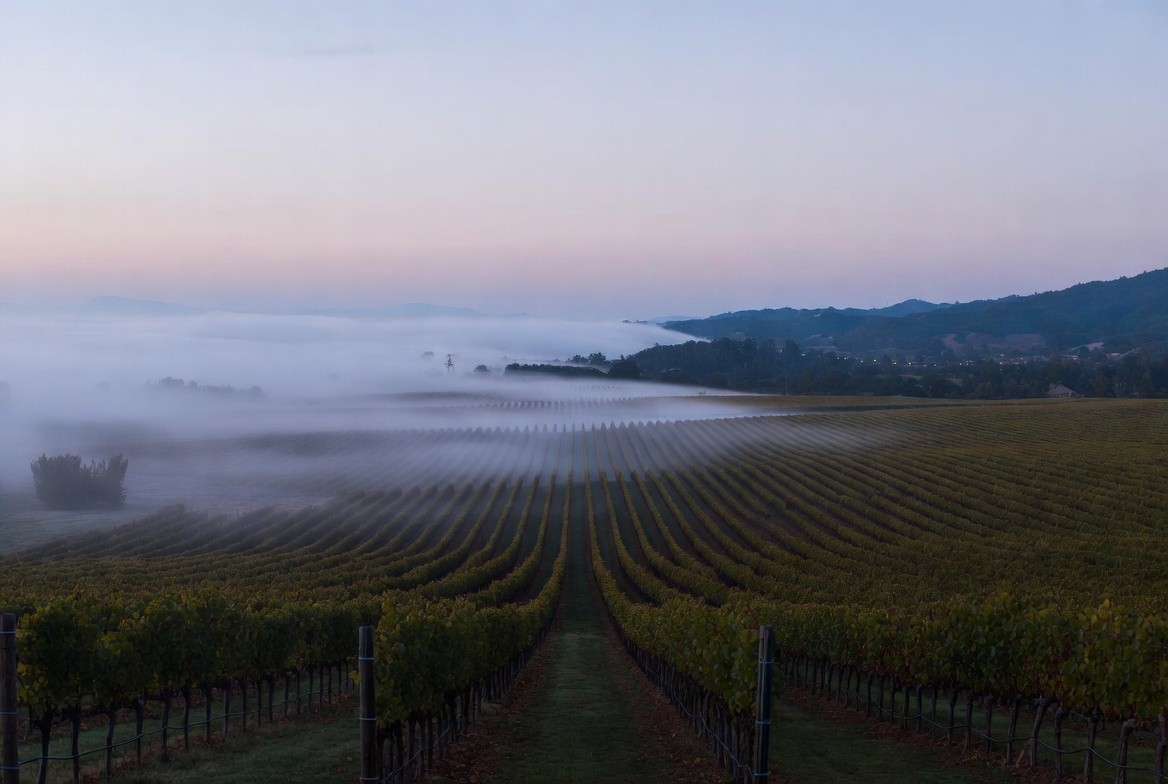
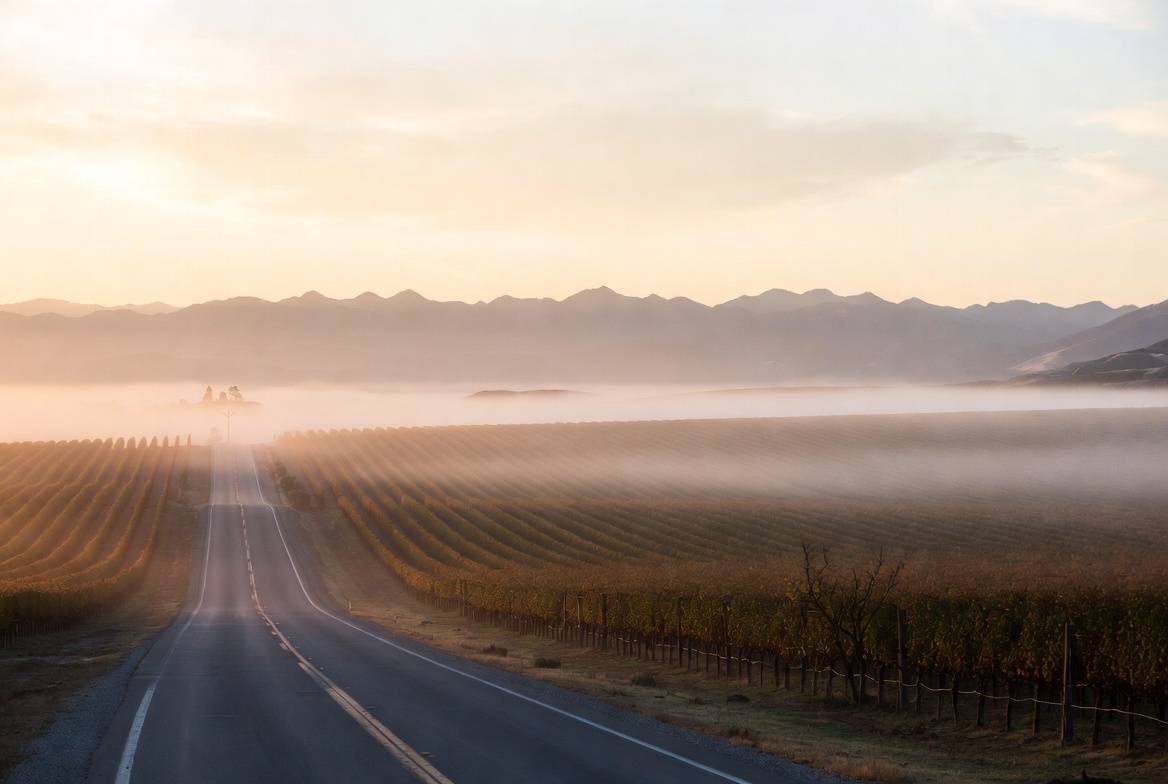
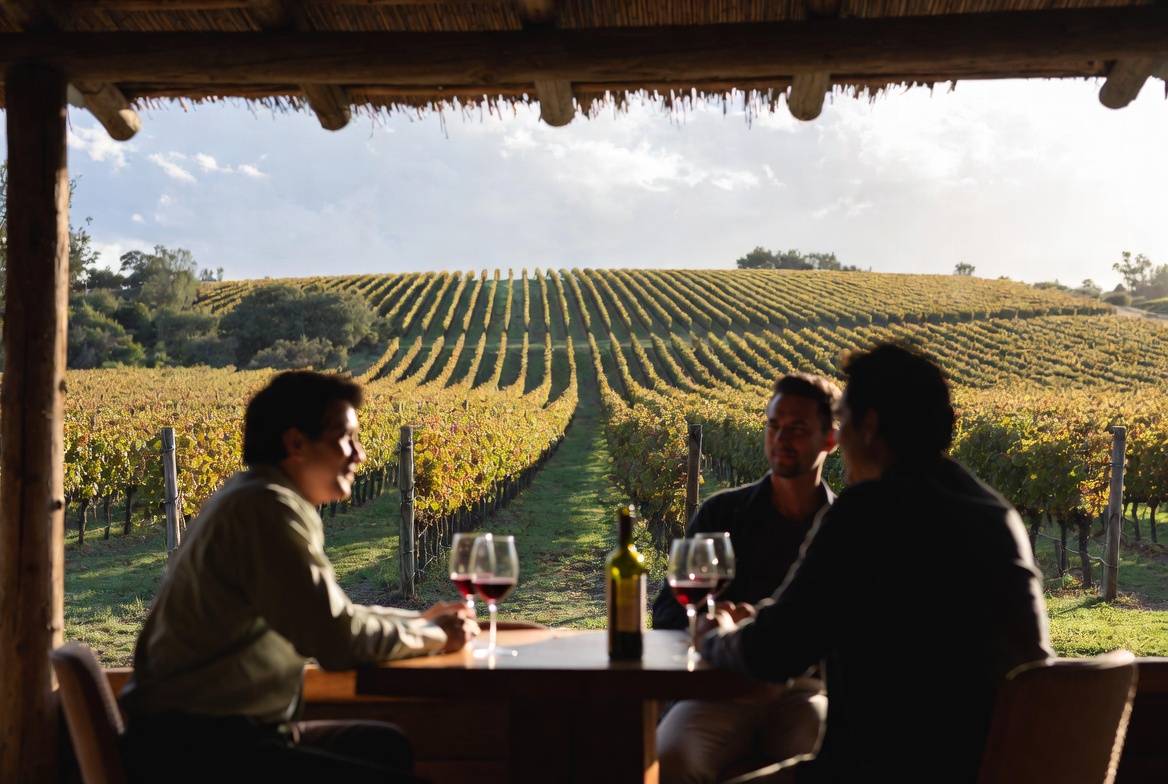
Watching the same hillside in the Mayacamas change from spring green to harvest gold.
Steady anchors
Finding restaurants that feel like a home base rather than a reservation.
When you stop trying to see everything, Napa gives you something better. It gives you orientation.
When It Is Best (The Rewards of Seasonality)
Winter and early spring
This is the slower, truer Napa. Fires are lit. Tasting rooms are quiet. Conversations deepen. This is when small histories surface naturally.
Late spring and early summer
The optimistic season. Hills are vibrant. Days stretch longer. Napa feels open and generous.
Harvest and early fall
The valley hums with energy, especially along the Rutherford Bench and the valley floor. For repeat visitors, seeing the picking process feels less like a show and more like being let into the rhythm.
Each season adds a layer. That is why people return.
What Most Visitors Never Get To
Many travelers plan Napa as a greatest hits tour. They move quickly and leave with bottles but no sense of orientation.
Repeat visitors gain something different.
Vertical perspective
Tasting the same vineyard Cabernet two years apart and understanding how weather shaped the wine.
Spatial awareness
Knowing that being five minutes north of Yountville Cross Road places you in the heart of some of the world’s most expressive Cabernet soils.
Emotional grounding
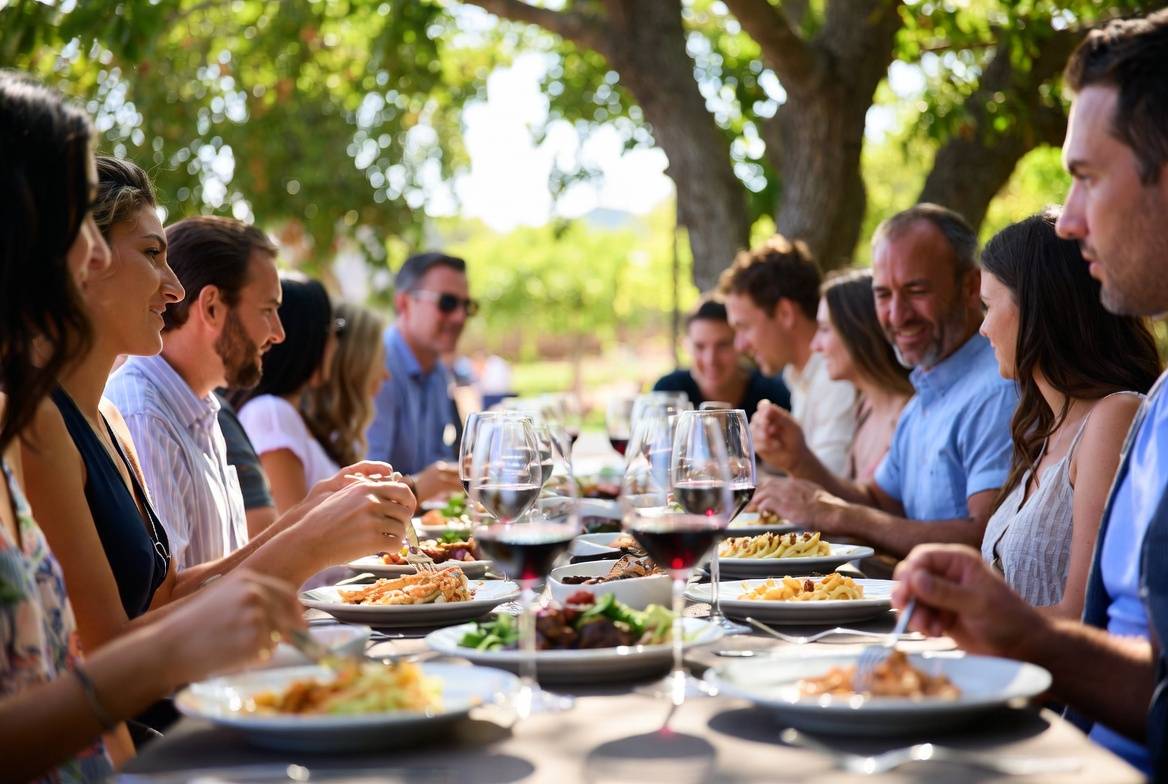
Realizing that wine is the conduit, not the destination. The memories live at the table.
My Local Notes
I always tell friends to stop asking what they should add and start asking what they should return to. Over time, Napa stops being wine country and starts feeling personal.
A practical note. Choose one neighborhood per trip, like St. Helena or Oakville. Staying put reduces driving and lets you settle into the vocabulary and pace of that place.
A Short Personal Story
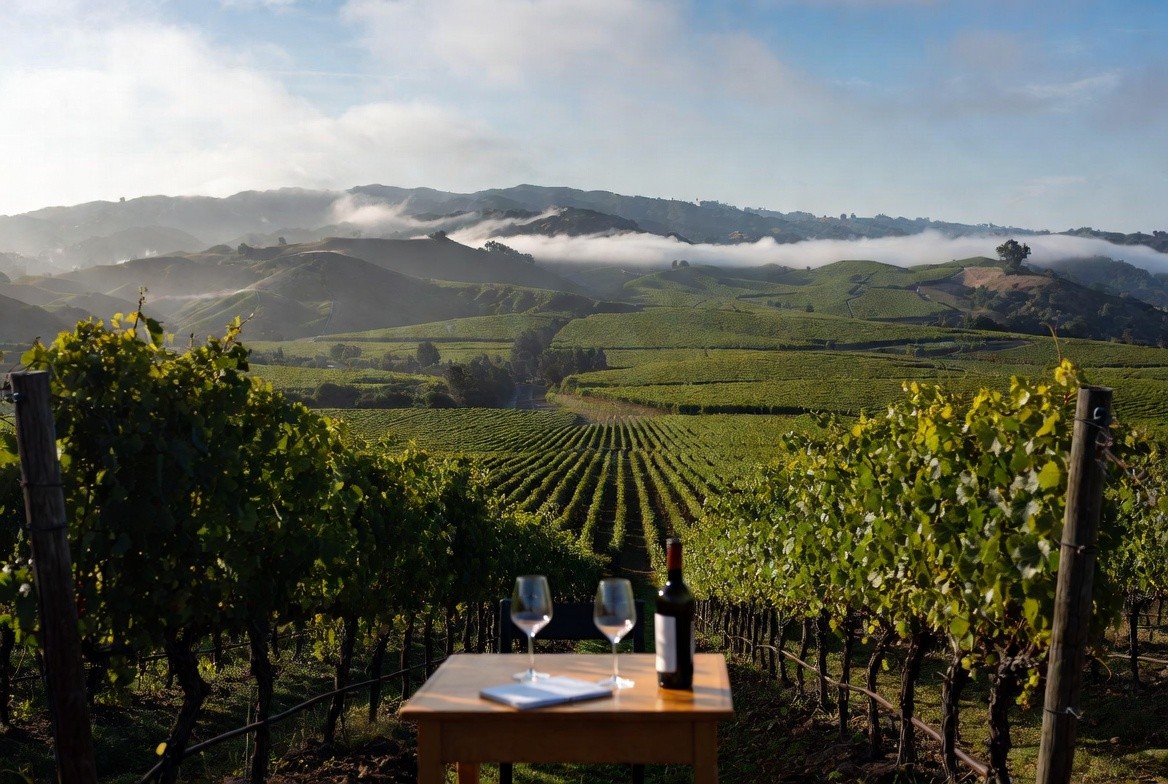
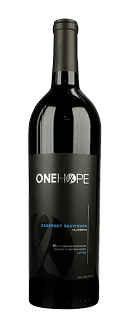
There are vineyard rows I have walked hundreds of times, from the early days of building ONEHOPE to now. I know where the vines catch the soft Cabernet light in the early evening and where the air cools first as the sun drops. Every year looks different. The land stays steady. That is the relationship Napa offers if you stop rushing it.
How to Travel Napa With a Long View
Choose anchors, not checklists
Find two wineries whose philosophy you respect and return to them year after year.
If you only have one day
Pick one winery you can imagine revisiting and pair it with a long lunch at a trusted anchor like Farmstead or Bistro Jeanty.
If you come back every year
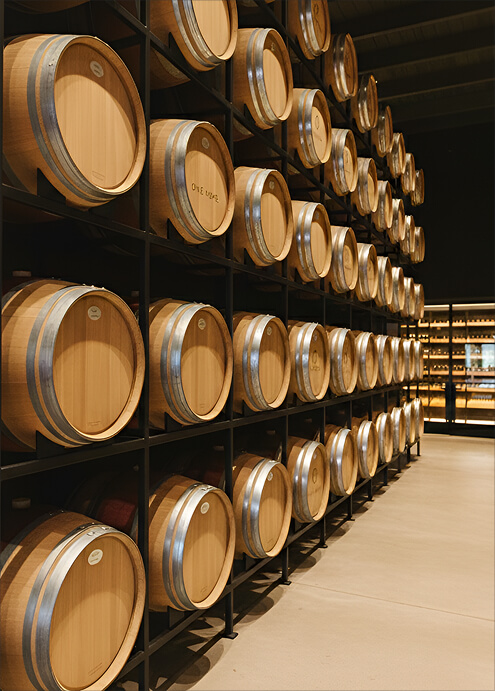
Build traditions. A winter barrel tasting. A spring lunch. A fall walk through the vines.
Where Traditions Are Built
Boutique tasting rooms
Small producers like O’Brien Estate or Keever Vineyards where hospitality stays personal.
Historic landmarks
Returning to places like Inglenook or Schramsberg to see how heritage remains steady while the valley evolves.
Gentle Note From Home
I will be honest. I am a little biased. Estate 8 and ONEHOPE are my passion projects, built with the idea that people should return to a place, not just visit it once. We built the home and community before the winery because continuity mattered more than novelty. When you visit, I want it to feel like picking up a conversation right where we left off.