Some of Napa Valley’s most revealing moments do not involve wine at all.
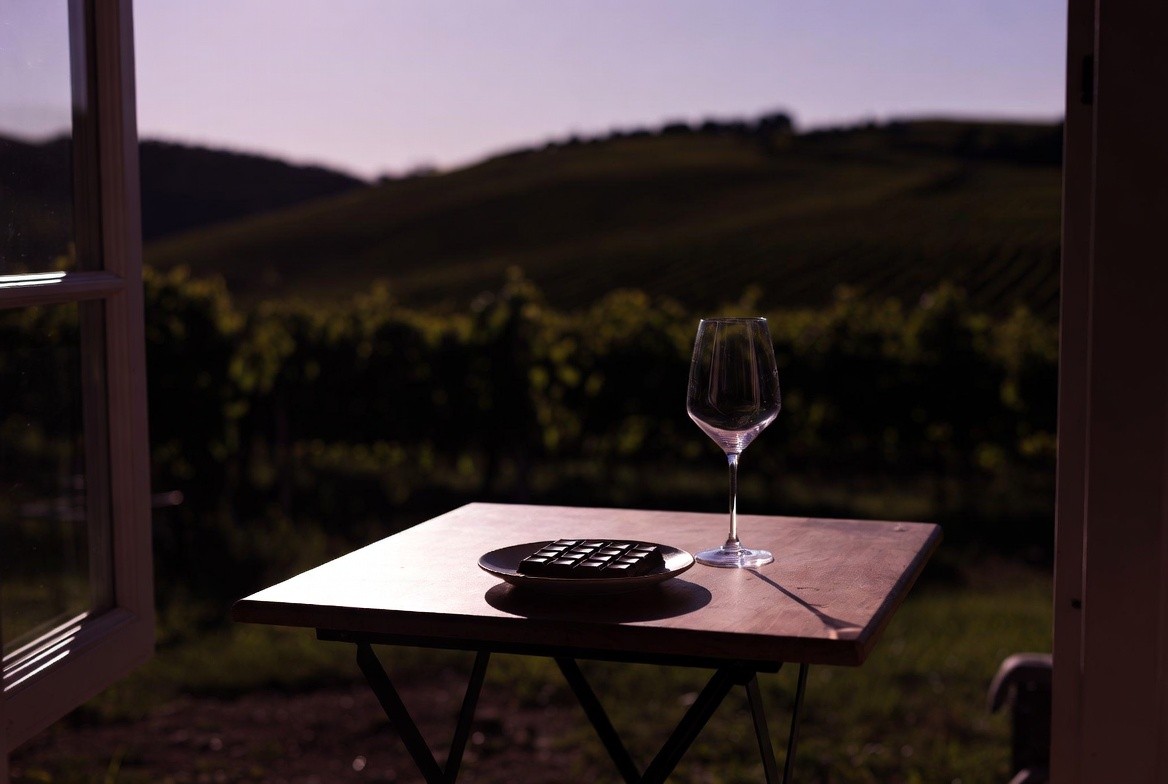
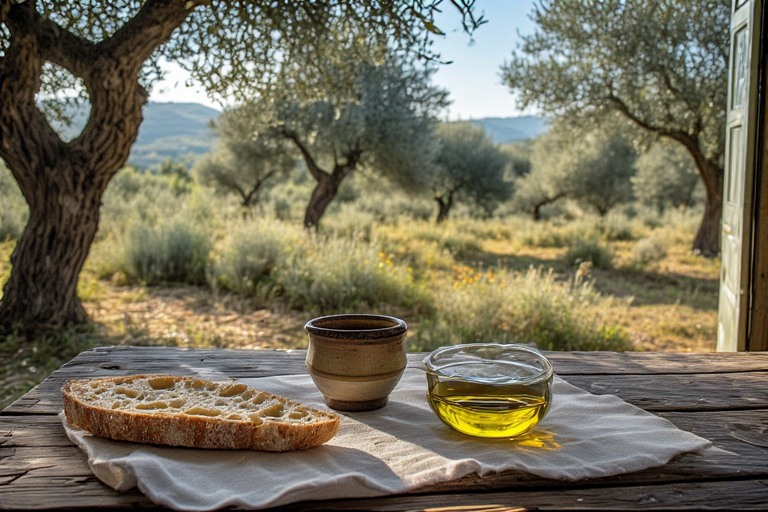
They happen in kitchens and quiet tasting rooms tucked behind olive groves, where shelves hold oils, vinegars, and preserves made with the same care usually reserved for grapes on the Rutherford benchlands. Morning light spills through open doors. Small ceramic cups appear on the counter. Someone talks about harvest timing, acidity, or why bitterness matters.
If you love olive oil, vinegar, and pantry craft, Napa opens up in a different way. Less about performance. More about process. More about the small histories that shape how people actually cook and eat here.
What This Experience Is Really About
Pantry craft in Napa is about intention and daily usefulness.
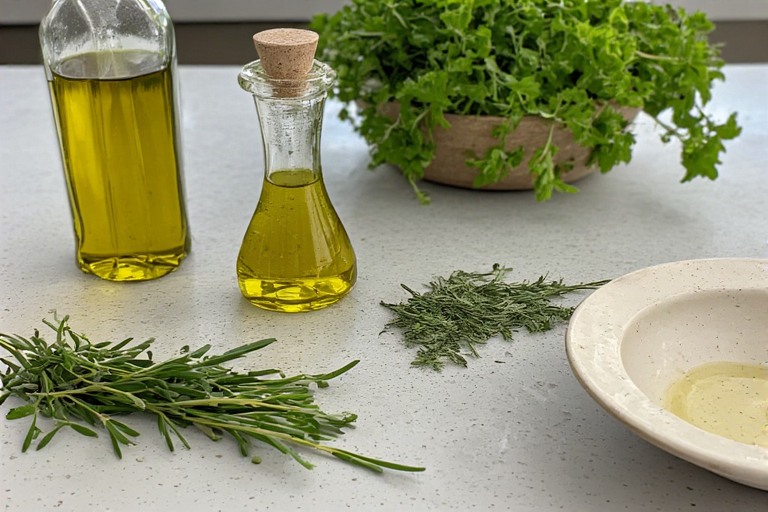
Great olive oil here is not judged by smoothness alone. It carries bitterness, spice, and structure. Vinegar is not just acid. It reflects fruit, patience, and time.
For travelers, this side of Napa offers a grounding counterpoint to wine tasting. It brings the valley back to the table and into everyday life. These are ingredients meant to work quietly, not compete for attention.
When It Is Best
Mornings are ideal. Your palate is fresh and oils show clearly.
Fall brings harvest energy, when olives are pressed alongside grapes and producers are deeply connected to the season. Winter and early spring slow everything down. These shoulder seasons offer quiet rooms and unhurried explanations.
Midweek matters. Tuesday through Thursday remains the slower, truer Napa, when locals linger and producers have time to talk through the details that matter.
Where People Often Miss the Mark
Many visitors treat pantry items as souvenirs instead of tools.
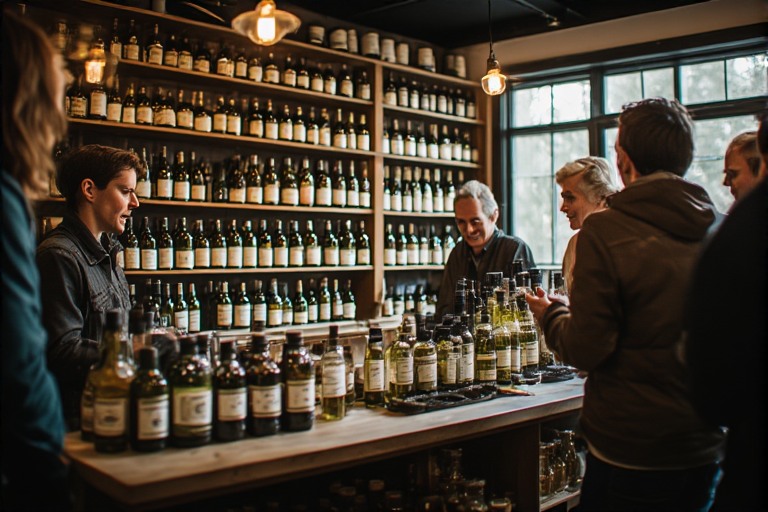
Buying olive oil without asking about harvest date often leads to disappointment later. Tasting vinegars too quickly misses texture and balance. Focusing on novelty instead of use overlooks what makes these ingredients special.
Napa rewards curiosity about process. How something is made. How it is meant to be used. How it fits into real life.
My Local Notes
Always taste olive oil before wine, not after. Ask when the olives were harvested and how the oil is meant to be used. Good producers welcome those questions.
Pay attention to texture as much as flavor, especially with vinegar. The best ones feel complete, not sharp.
If you drive just a few minutes off the main road, especially along Silverado Trail or past the Yountville Cross Road, you will often find smaller, family run groves that feel like a long exhale between winery visits.
A Short Personal Story
Some of the most meaningful Napa conversations I have had happened over olive oil, not wine. Standing at a counter, dipping bread, talking about timing and restraint.
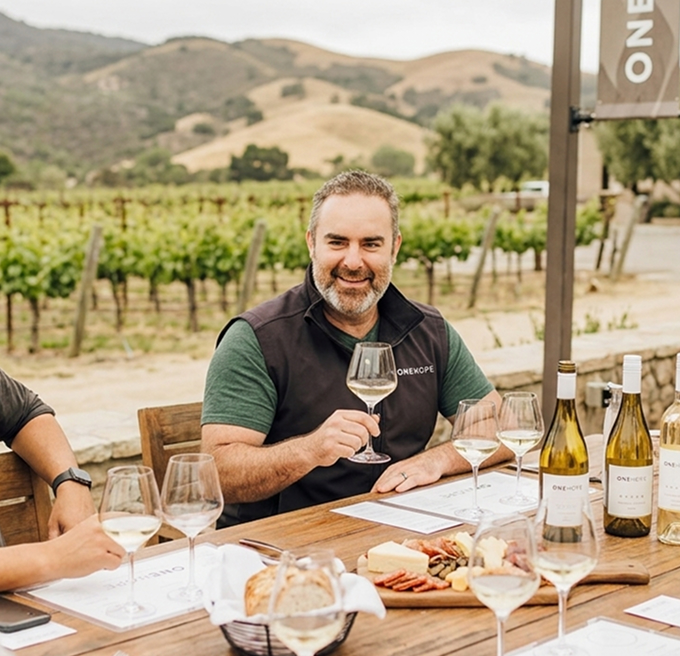
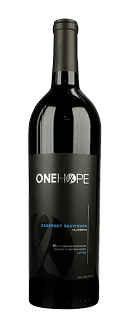
That mindset carries into how we think about hospitality at ONEHOPE and the way we stock the pantry at Estate 8. Ingredients should earn their place on the table. When they do, everything else feels more intentional.
How to Explore Pantry Craft Intentionally
Slow down.
Choose depth over variety. One thoughtful visit tells you more than several rushed stops. Ask how each product is used at home. Think about what you actually cook.
A good bottle of oil or vinegar should feel familiar within a week, not intimidating.
If You Only Have One Stop
Choose one producer and stay awhile. Taste oils first, then vinegars. Ask about harvest, aging, and storage. Let the conversation guide what you bring home.
If You Have a Full Afternoon
Pair a pantry tasting with a light lunch or a walk. Pantry craft works best when it resets your palate and grounds the day between wine visits.
Small Histories
Before Napa became globally known for wine, it was an agricultural valley. Olives, fruit trees, gardens, and small farms shaped how people cooked and gathered.
That history still shows up in the best pantry producers today. Practical. Seasonal. Deeply rooted.
Gentle Note From Home
I will admit a small bias. At ONEHOPE and Estate 8, pantry ingredients matter as much as what is in the glass. Good oil and thoughtful vinegar create the foundation for gathering. Everything else builds from there.