There is a quiet moment in Napa Valley just after sunrise when old vines reveal themselves differently than young ones.
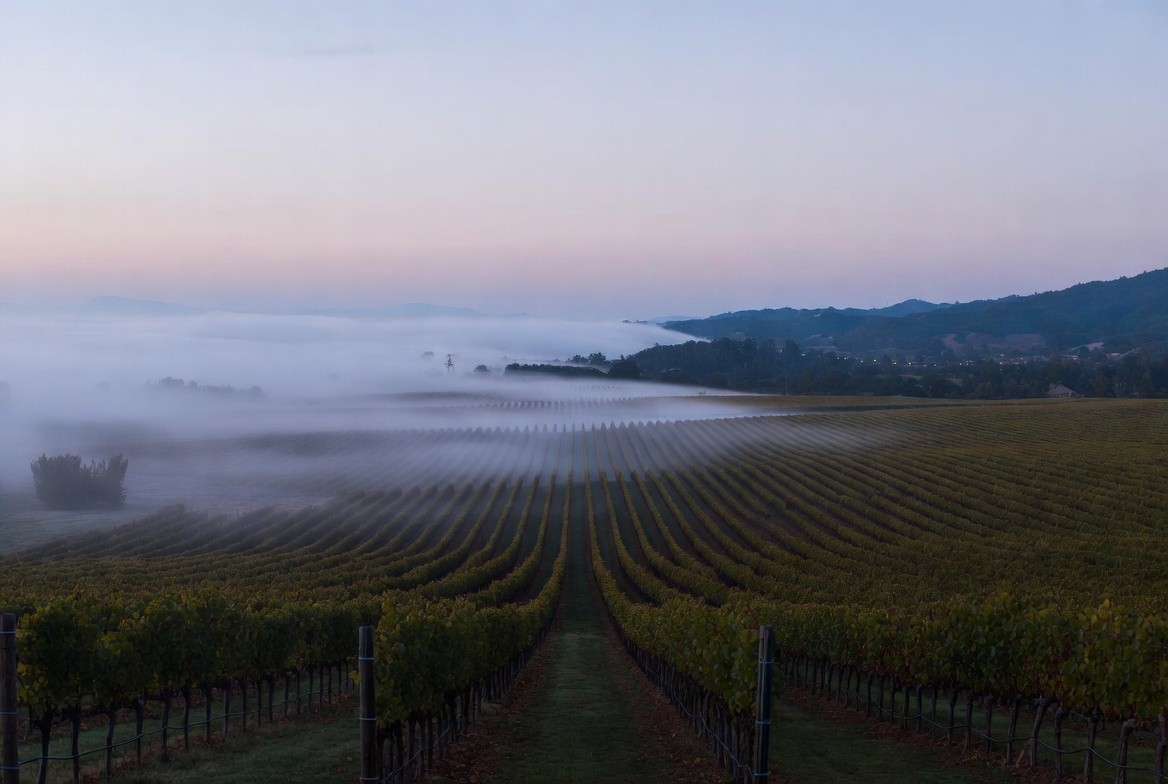
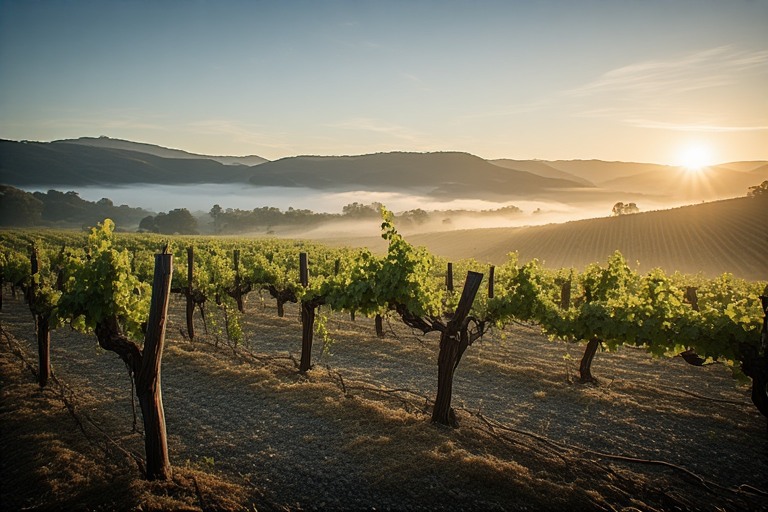
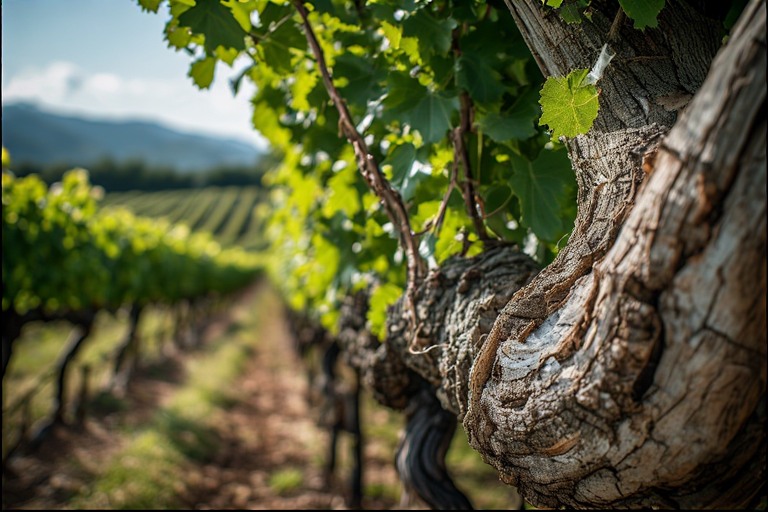
Drive north along Silverado Trail through Rutherford and St. Helena before the first tasting appointments begin. Fog hangs low across the vineyard rows, and the older blocks stand slightly uneven, their trunks thick, gnarled, and sculptural, shaped by decades of pruning decisions and changing seasons. These vines do not reach upward aggressively. They settle into the land.
If you love old vines and heritage blocks, Napa Valley becomes less about trend and more about continuity. You begin to notice patience everywhere: wider spacing between rows, deep-rooted trunks, and the feeling that wine here is not simply produced but inherited. Before Napa became a global luxury destination, it was a collection of farming families tending the same ground year after year. Old vines still carry that memory.
What “Old Vines” Actually Mean in Napa
California has no legal definition for old vines, but many growers reference vineyards planted before 1960, often tracked through organizations like the Historic Vineyard Society. In Napa, these surviving blocks frequently contain early selections sometimes called Napa Native material, planted before modern cloning standardized vineyards.
What makes these vineyards remarkable is physiology rather than nostalgia.
Deep Root Systems
Older vines draw water and nutrients from deep soil layers, creating resilience during drought cycles common in Northern California.
Natural Regulation
After decades in place, vines balance growth naturally, requiring fewer aggressive interventions in canopy management.
Yield Concentration
Age reduces production but increases intensity. Smaller clusters often translate to layered structure and longer finishes.
Walking an old vineyard feels different. The rows are less uniform. Each vine behaves like an individual rather than part of a system.
Where Heritage Vineyards Reveal Themselves
Rutherford Benchlands
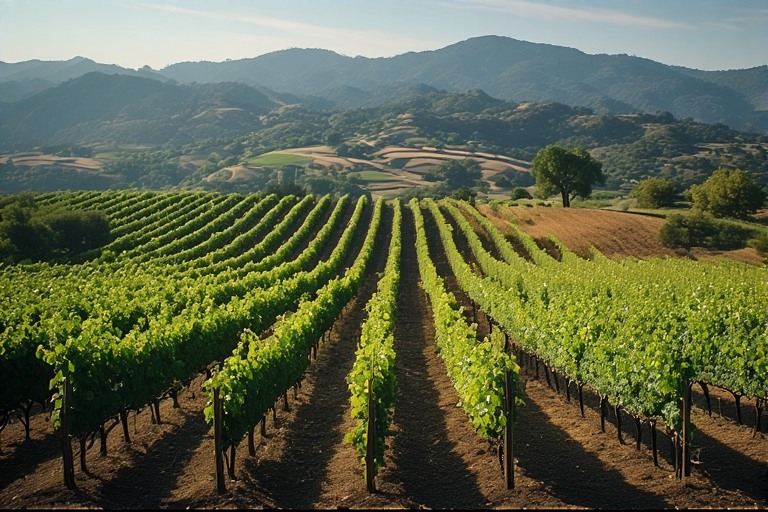
Rutherford remains one of Napa’s most historically continuous farming corridors. Gravelly bench soils promote longevity and drainage, shaping the fine tannins commonly described as Rutherford Dust.Directional cue: Look toward the western side of Highway 29 where the valley floor begins to rise toward the Mayacamas. Many heritage blocks sit quietly behind olive trees or modest entrances rather than grand gates.
St. Helena and the Mid-Valley
St. Helena carries a lived agricultural continuity. Near town, you may notice head-trained vines that resemble small trees rather than trellised rows. These plantings often predate modern vineyard redesigns and reflect earlier farming philosophies focused on durability.
Calistoga and the Rugged North
Up-valley warmth and volcanic soils allowed certain vineyards to survive multiple replant cycles. Heritage Zinfandel and mixed black field blends appear more frequently here, echoing Napa’s pre-Cabernet history.
In summer heat, these older vines often outperform younger plantings because dense natural canopies protect fruit from sun exposure.
How to Experience Old Vines Intentionally
Most visitors taste wine without seeing where it begins. Heritage-focused travel reverses that order.
Morning Observation
Walk a public vineyard edge at sunrise. Young vines appear uniform. Old vines feel expressive.
The 10:00 a.m. Appointment
Choose estate visits that include vineyard walks or agricultural discussions.
Questions Worth Asking
- Which vineyard block is the oldest on the property?
- Has this site ever been replanted?
- How has farming changed as the vines aged?
The Comparison
Visit a heritage vineyard in the morning and a newer high-density planting later in the day. The architectural difference becomes obvious once you know what to look for.
My Local Notes
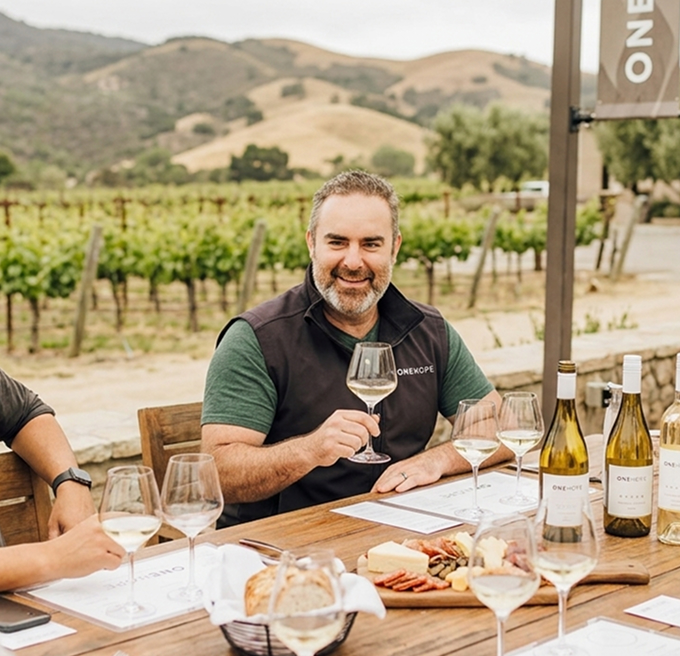
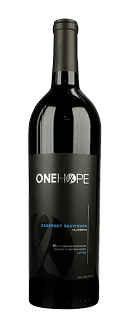
When we were developing ONEHOPE and shaping Estate 8, I found myself drawn repeatedly to the older vineyard sections surrounding Rutherford. There is a calm confidence to mature vines that you cannot manufacture.
One harvest morning, I walked a neighboring heritage block just as the fog began lifting. The trunks looked almost sculpted by time itself. No two vines were identical. Standing there, it became clear that time is an ingredient you cannot accelerate.
I will admit I am biased. Estate 8 is my baby. But choosing Rutherford was partly about proximity to vineyards that had already proven themselves across generations. Old vines remind you that great wine is rarely about innovation alone. It is about stewardship and restraint.
What Most Visitors Miss
Many travelers focus on tasting room design and overlook the history growing outside.
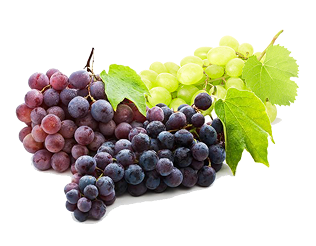
- Field Blends: Older vineyards were often planted with multiple varieties together such as Zinfandel, Petite Sirah, and Carignane.
- Longevity Decisions: Most commercial vineyards are replanted after 25 years. A vineyard reaching 50 or 70 years reflects intentional preservation.
- Agricultural Continuity: Heritage blocks represent families choosing patience over production volume.
The real story of Napa often stands quietly beyond the patio.