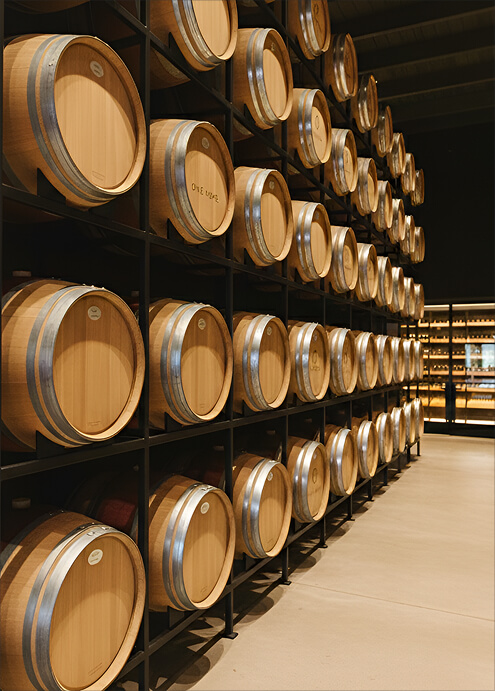
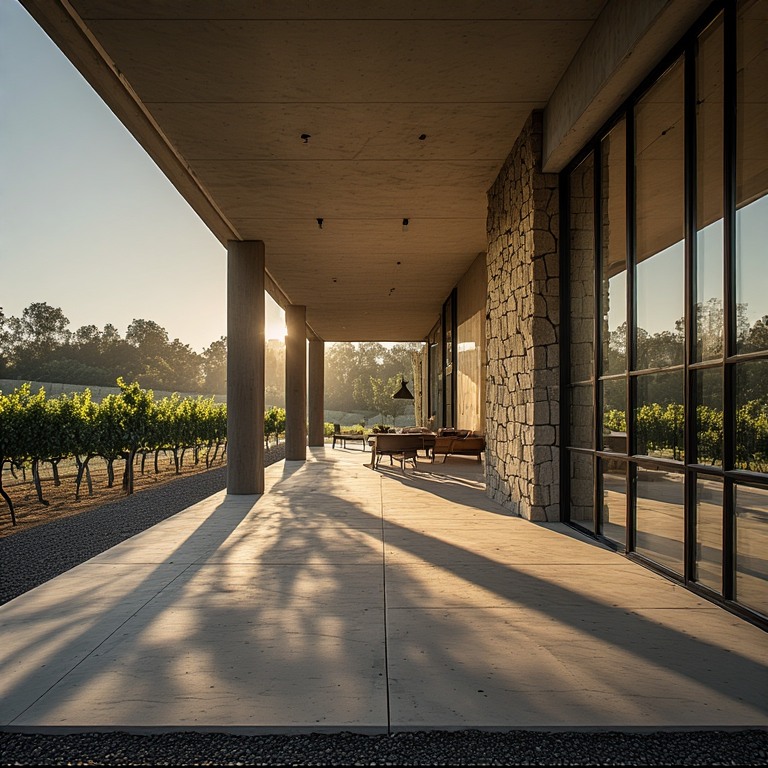
There is a moment in Napa Valley when architecture stops feeling like design and starts feeling like landscape. It happens early, before the first tasting begins, when morning light moves slowly across stone walls in Rutherford and casts long shadows through wood slats in Yountville. Steel warms in the sun. Limestone holds the night’s cool air. Gravel softens footsteps.
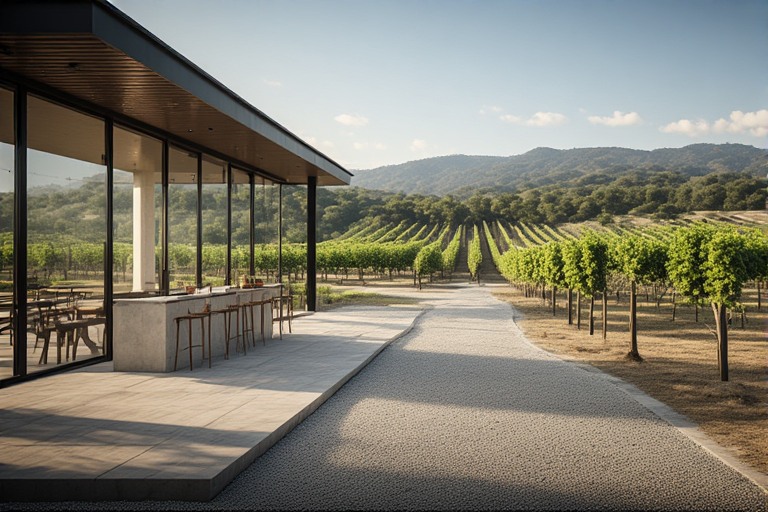
If you travel for architecture details and materials, Napa reveals itself differently. You start noticing how buildings sit low against vineyard lines, how glass frames the Mayacamas instead of competing with them, and how nearly every structure feels rooted in agriculture first and aesthetics second. Wine country design is not about spectacle. It is a conversation between land, climate, and restraint.
In Napa, architecture is meant to belong.
What This Experience Is Really About
Architecture in Napa is shaped by necessity before style. Buildings must regulate temperature, manage seasonal light, and coexist with working farmland.
You will begin to notice recurring principles:
- Natural Materials
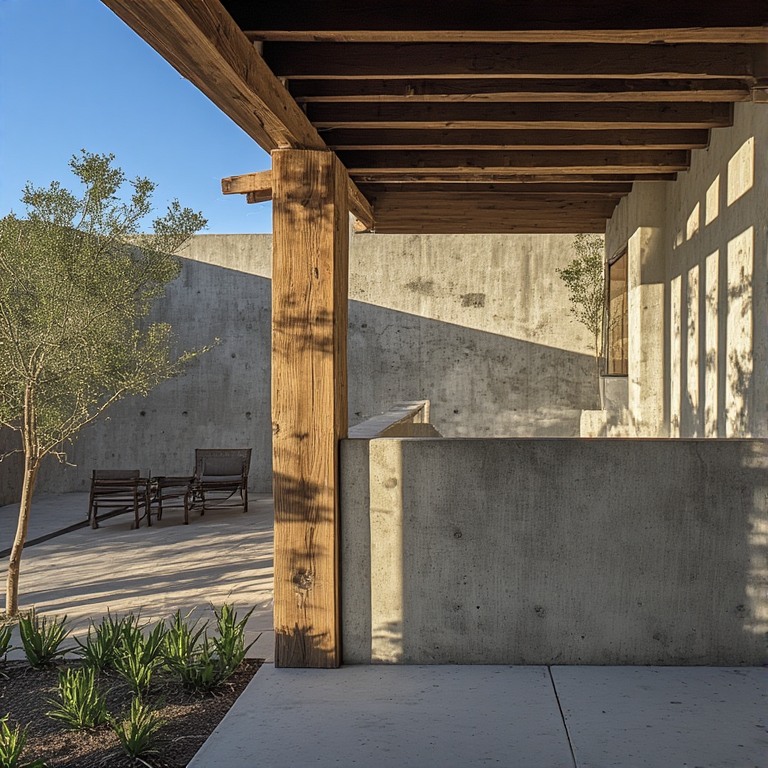
Board-formed concrete, reclaimed oak, weathered steel, volcanic stone. - Indoor-Outdoor Flow
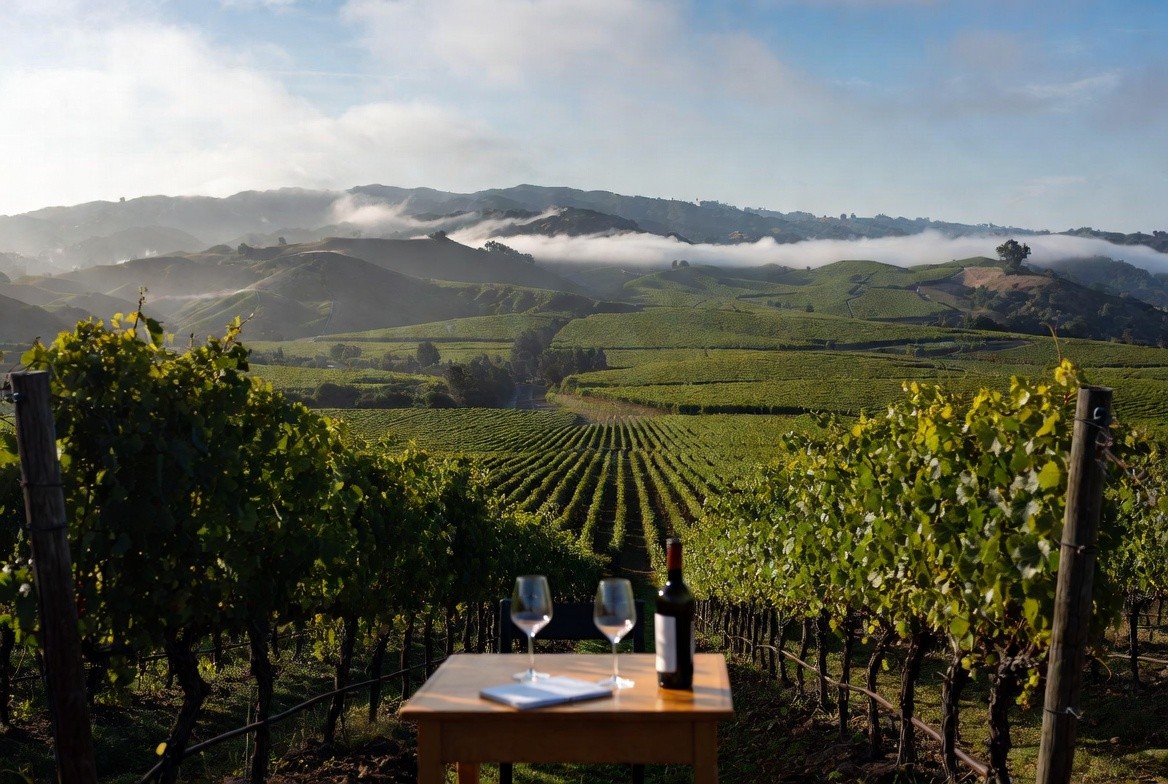
Spaces dissolve boundaries between vineyard and interior, allowing landscape to lead the experience. - Low Profiles
Structures respect vineyard sightlines rather than dominate them. - Light as Material
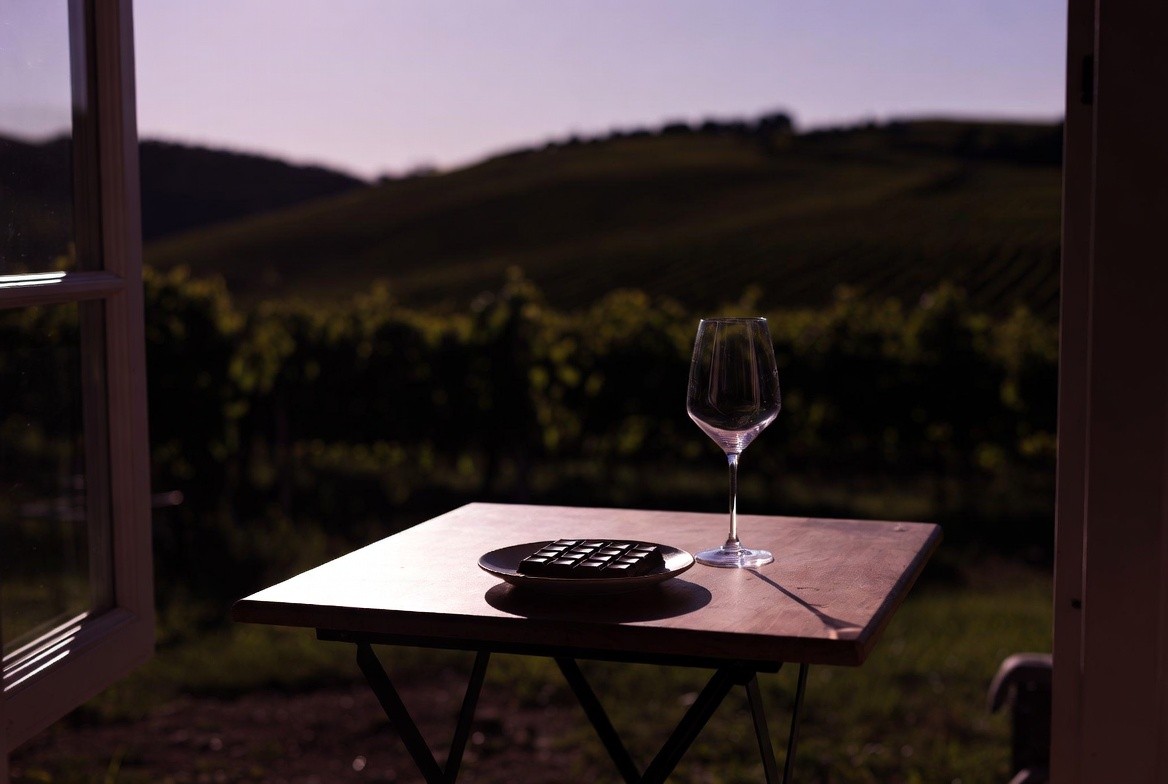
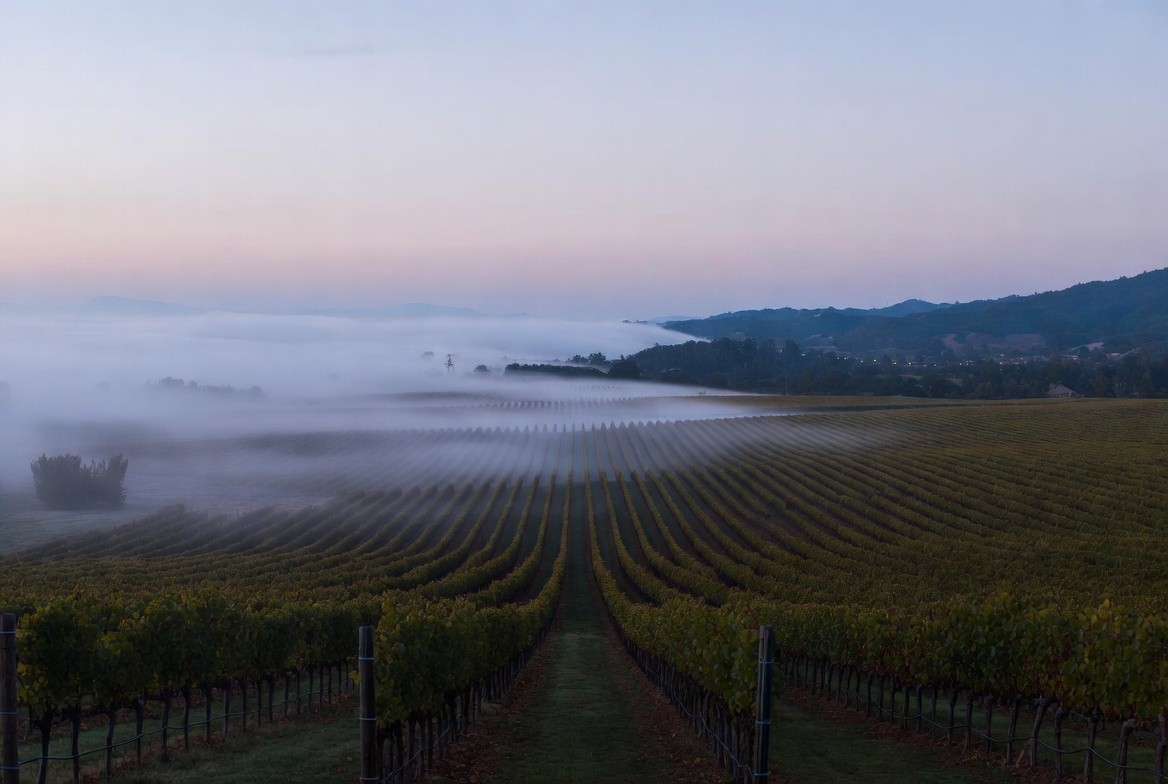
Fog, golden hour, and shadow movement are treated as design elements.
Unlike urban architecture, Napa buildings are designed to age. Patina is intentional. Time is part of the architecture.
Architectural Regions to Explore
Rutherford and Oakville
Here, architecture feels restrained and confident. Estate buildings sit quietly within vineyard grids, emphasizing proportion over scale.
Details to notice:
- gravel courtyards that absorb sound
- thick walls for thermal stability
- shaded loggias designed for afternoon heat
This is where design disappears into land.
Yountville
Five minutes south of Oakville, Yountville represents hospitality-driven architecture. Washington Street balances manicured gardens, warm wood textures, and European symmetry adapted to California light.
Walk slowly here. Notice how pathways guide movement without announcing it.


St. Helena
St. Helena blends historic agricultural structures with contemporary interventions. Barn forms meet modern glass volumes.
Look for:
- exposed beams preserved from earlier eras
- restored industrial doors
- limestone tones echoing vineyard soils
The town feels layered rather than redesigned.
Calistoga
Up-valley architecture becomes heavier and more rugged, reflecting volcanic terrain and warmer temperatures. Buildings emphasize shade, thickness, and earth-toned materials that withstand heat and time.
How to Experience Napa Architecture Intentionally
Morning Observation
Drive Silverado Trail just after sunrise. Watch how fog interacts with building forms and how east-facing walls catch light before the valley floor warms.
10:00 a.m. Estate Visit
Choose a seated experience allowing movement through courtyards, production spaces, and outdoor areas. Ask about passive cooling, orientation, and material sourcing.Lunch with Design Awareness
Restaurants like The Charter Oak or Farmstead at Long Meadow Ranch show how architecture shapes hospitality flow. Notice acoustics, spacing, and sightlines more than décor.
My Local Notes
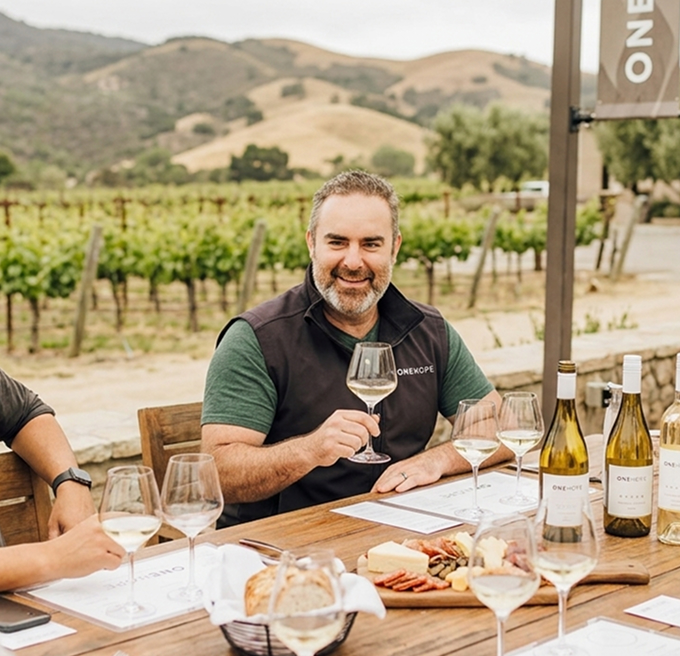
When we were developing ONEHOPE and building Estate 8, some of our longest conversations had nothing to do with wine. They were about materials. How stone feels under morning fog. How wood changes after ten harvest seasons. How a building should disappear into the vineyard rather than announce itself.
One morning before construction finished, I stood alone watching light move across unfinished walls while fog lifted off Rutherford. No guests, no music, just quiet and raw structure. That was the moment I understood that architecture here is stewardship.
I will admit I am biased. Estate 8 is my baby. But the goal was never to build something impressive. It was to build something inevitable, something that felt like it had always belonged to the land.
What Most Visitors Miss
Many visitors photograph views but overlook the details that create them:
- drainage channels subtly integrated into pathways
- roof overhangs calculated for seasonal sun angles
- materials chosen to reduce glare against vineyard light
- buildings aligned with prevailing winds for natural cooling
In Napa, architectural decisions are agricultural decisions.
Architecture-Focused Napa Itinerary
8:00 a.m.
Walk a vineyard edge near Rutherford and observe texture, shadow, and spacing.
10:00 a.m.
Estate visit focused on vineyard integration and design philosophy.
1:00 p.m.
Lunch in St. Helena with outdoor seating and garden-oriented design.
3:30 p.m.
Drive toward Calistoga to observe how materials shift as terrain changes.