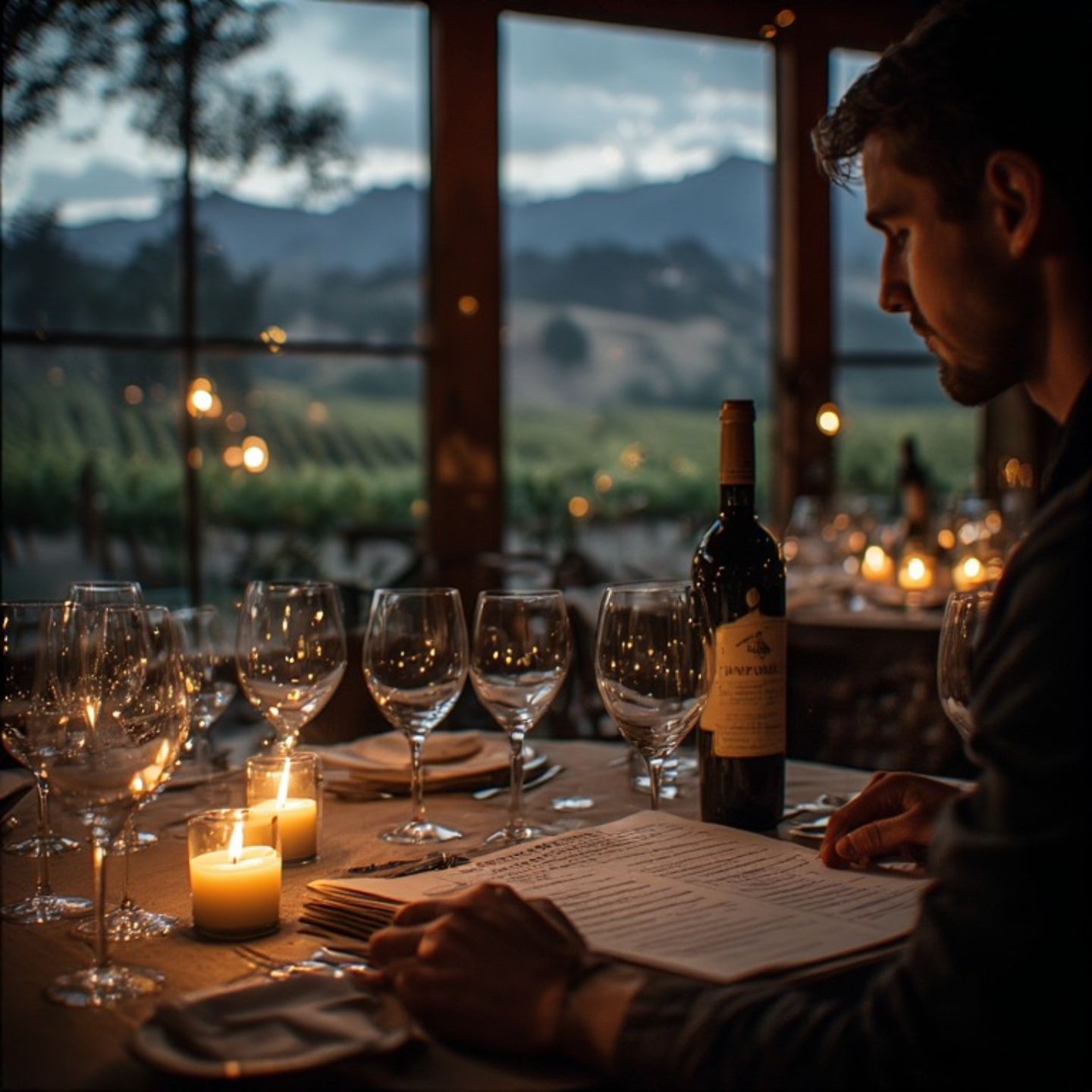
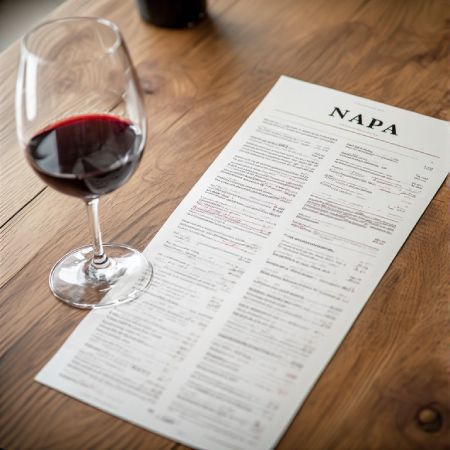
There is a moment in Napa Valley that happens just before dinner service begins. Outside, the last vineyard light settles across the benchlands. Inside, a dining room moves quietly into focus. Glassware is polished one final time. Bottles are lined up with intention. A sommelier studies the list not as inventory but as a story waiting to unfold.
If you care about wine lists and sommelier culture, Napa Valley becomes more than a tasting destination. It becomes a living classroom where farming, hospitality, and human connection meet at the table.
A wine list here is never accidental. It reflects weather patterns, relationships with growers, and decades of accumulated trust. Long before Napa became associated with luxury travel, it was defined by people who farmed the land and the professionals who learned how to present that work with care.
What Sommelier Culture Really Means in Napa
In Napa, sommeliers act as translators of the landscape. Their role sits between agriculture and experience. The best professionals here understand soil composition as well as service choreography.
A strong Napa wine list reflects:
Geographic Awareness
Sub-AVAs like Rutherford, Oakville, Howell Mountain, and Carneros appear intentionally, allowing guests to taste the valley through place rather than prestige.
Vintage Storytelling
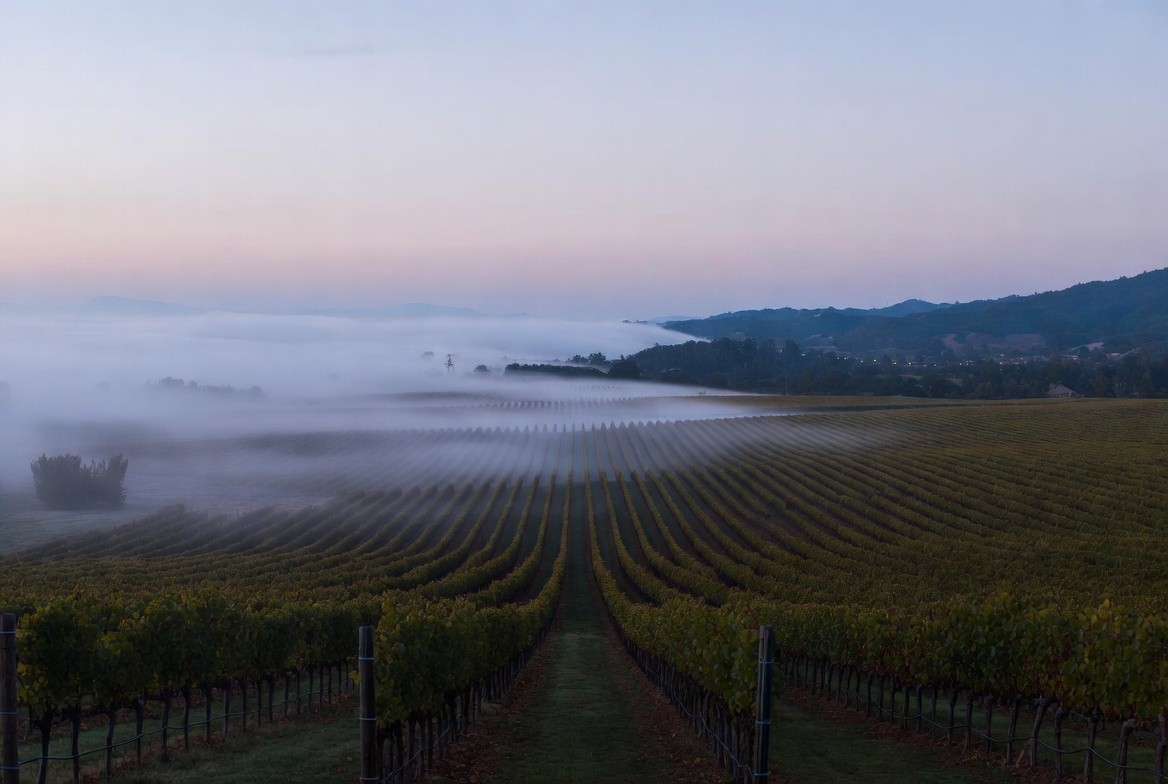
Weather matters. Fog patterns, heat spikes, and rainfall influence how a year tastes in the glass.
Balance
Iconic estates sit alongside small producers whose wines rarely leave the valley.
Lived Context
Many sommeliers personally know the growers behind the bottles. Recommendations come from relationships, not theory.
This proximity between vineyard and dining room is what makes Napa unique in the global wine world.
Where Sommelier Culture Comes Alive
Yountville
Yountville operates as Napa’s culinary corridor. Wine service here feels precise but welcoming. Expect deep Cabernet verticals, thoughtful pairings, and sommeliers who guide conversation rather than perform expertise.
St. Helena
Wine lists here feel grounded in agricultural identity. Along Main Street, restaurants balance benchmark Napa producers with bottles locals actually open at their own tables.
Directional cue: just north of Zinfandel Lane, evenings slow noticeably. Lunch energy fades and conversations deepen.
Downtown Napa
The riverfront has become a gathering place for the next generation of wine professionals. After service, industry teams meet here to explore lesser-known regions alongside Napa classics, keeping the culture evolving.
The Right Way to Experience a Napa Wine List
Many visitors unintentionally exhaust their palate before dinner. They spend the day moving quickly between tastings and arrive unable to fully experience a curated list.
A more intentional rhythm looks like this:
Morning
10:00 a.m. seated tasting focused on vineyard education and structure.
Midday
A relaxed, produce-driven lunch that resets the palate.
Evening
Trust the sommelier. Describe what you enjoy instead of requesting labels.Jake’s Local Tip:
Ask, “What wine tells the story of Napa tonight?”
You will almost always discover something more meaningful than the obvious choice.
My Local Notes
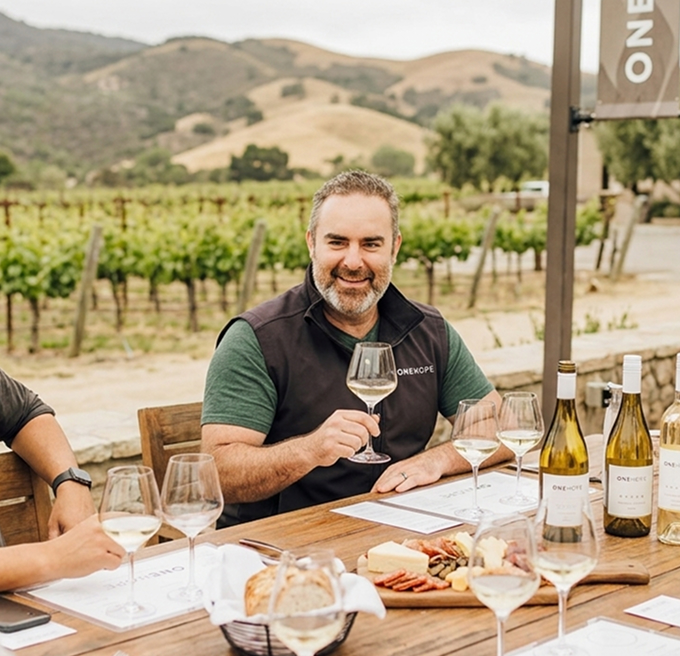
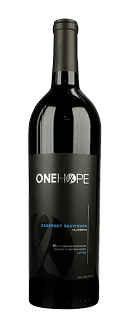
When we were building ONEHOPE and later Estate 8, I found myself studying restaurant wine lists as closely as vineyard maps. I wanted to understand what happened after the wine left the property.
One evening in Yountville stands out. A sommelier poured our Cabernet beside an older vintage from a neighboring Rutherford vineyard. Instead of comparing scores, he talked about drainage patterns, fog timing, and how the growing seasons shaped texture differently.
Guests leaned forward. The table went quiet. The wine suddenly made sense.
I will admit I am biased. Estate 8 is my baby. But that night reinforced something I believe deeply. Wine reaches its full meaning when someone connects the land to the person sitting at the table.
What Most Visitors Miss
Travelers often chase famous labels but overlook the craft behind presentation.
They miss:
- Why a sommelier selects a specific vintage for a dish.
- How serving temperature changes tannin perception.
- The role of glass shape and decanting in revealing structure.
- The human intuition behind a great recommendation.
Sommelier culture exists to make wine more approachable, not more exclusive.
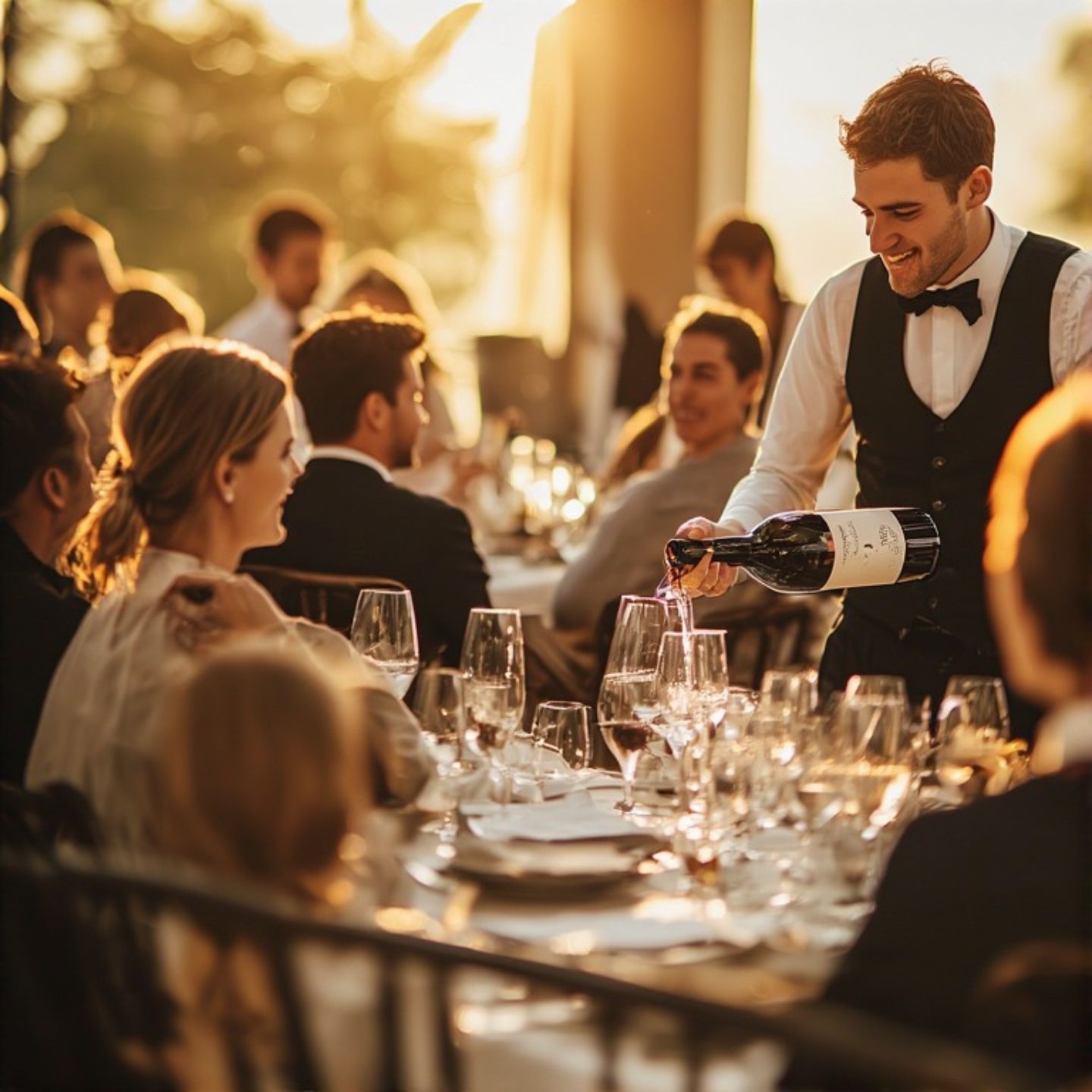
How to Read a Napa Wine List Like a Local
Instead of scanning for prestige, look for signals:
- Sub-AVA organization shows geographic intent.
- Library vintages indicate strong producer relationships.
- Half bottles encourage learning through comparison.
- Balanced pricing tiers reflect thoughtful curation.
The best Napa lists feel edited, not overwhelming.