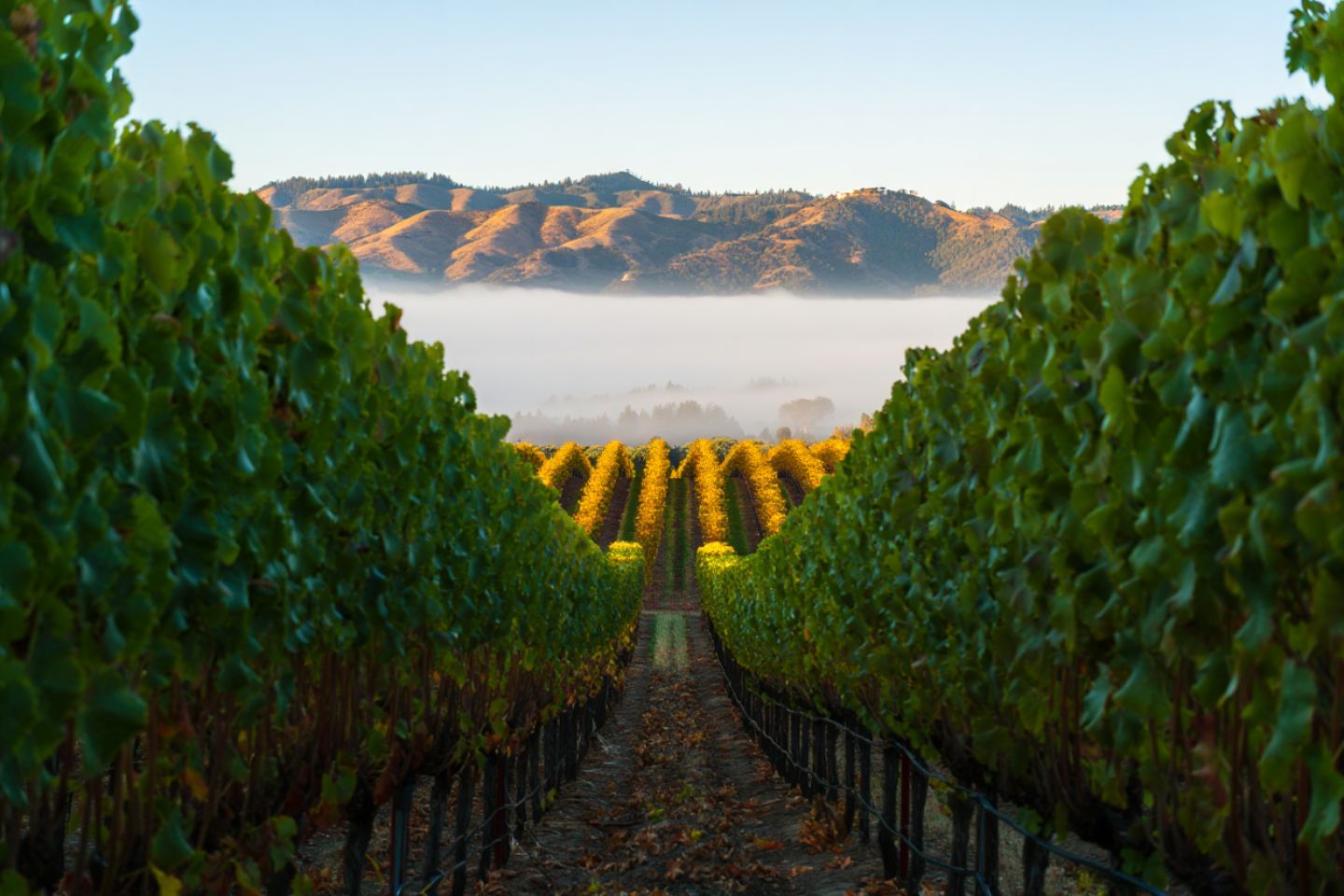
Stand on the east side of Silverado Trail in the early morning in Rutherford and you can feel it before you taste it.
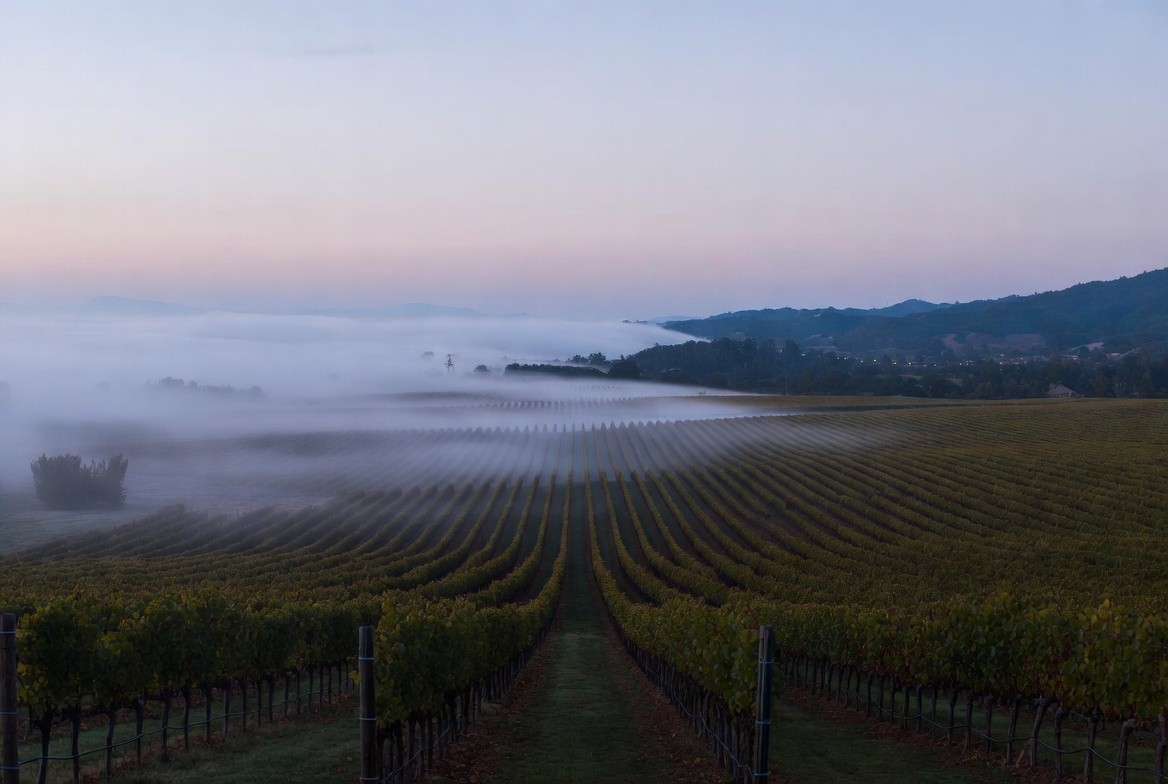
Cool air lingers from the night. Fog drifts north from San Pablo Bay and settles low across the valley floor. The Mayacamas Mountains catch first light while the Vaca Range stays in shadow. Two vineyards less than a mile apart will ripen differently. One will carry brighter acidity. The other will show firmer tannin and darker fruit.
That difference is terroir.
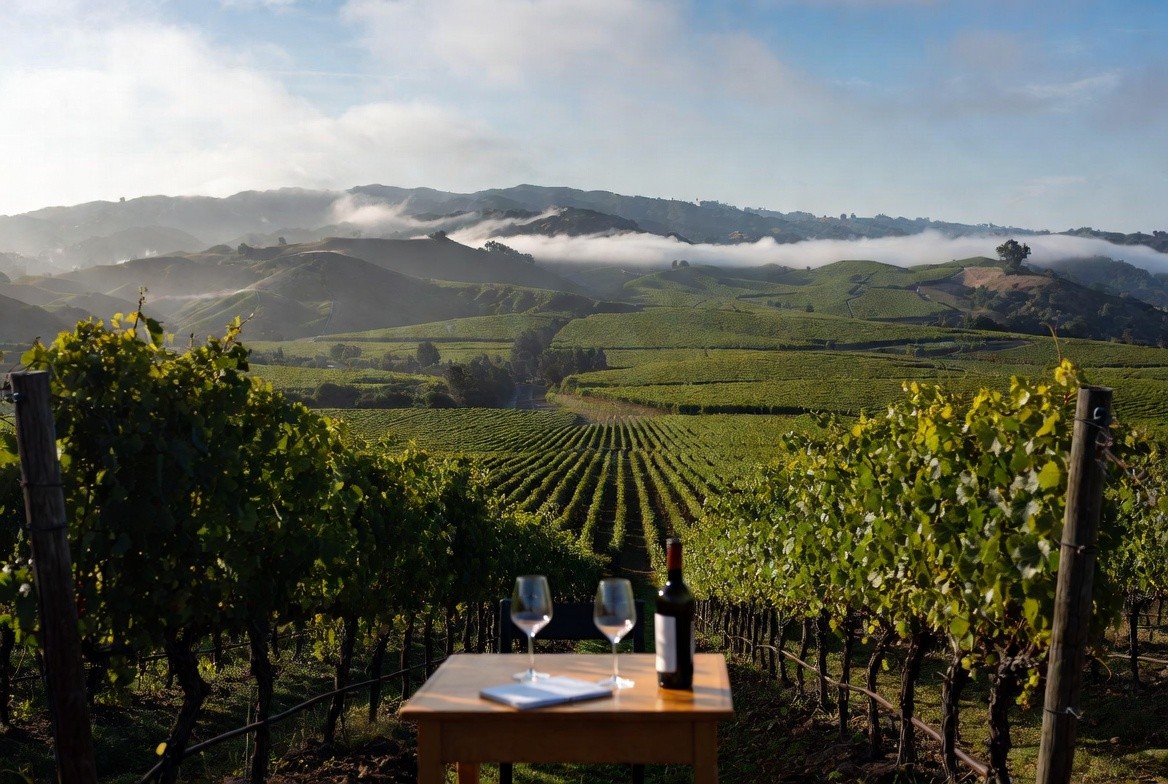
Napa Valley may be only about thirty miles long, but within that corridor are dramatic shifts in temperature, elevation, soil structure, and sunlight exposure. If you are fascinated by microclimates, this valley becomes a living case study. Learning to see those transitions turns a visit into an education.
What Terroir Actually Means in Napa
Terroir is not romance. It is measurable influence.
In Napa, terroir is shaped by:
- Marine fog from San Pablo Bay cooling southern Napa and Carneros
- Valley floor heat retention in Oakville and Rutherford
- Elevation and slope exposure on Howell Mountain and Spring Mountain
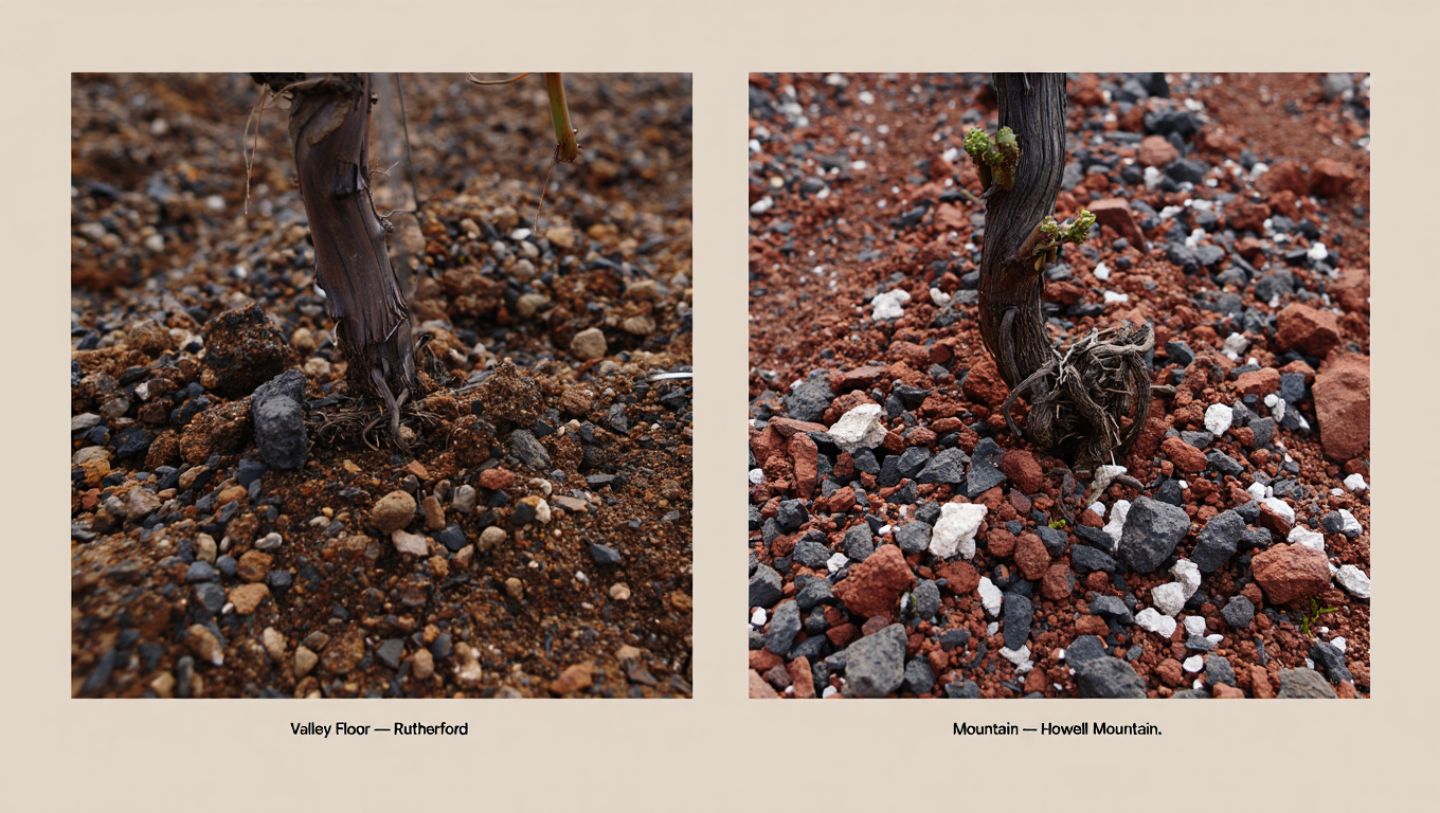
- Soil diversity ranging from volcanic rock to alluvial benchland loam
The Rutherford benchlands are known for well drained, gravelly soils that create fine grained tannins often described as Rutherford Dust. Climb above the fog line on Howell Mountain and you encounter rockier soils, stronger UV exposure, cooler nights, and smaller berries with thicker skins.
Move south toward Carneros and the cooling influence from the bay preserves acidity and restraint.
You can taste those differences if you slow down.
The Fog Line and the Mountain Break
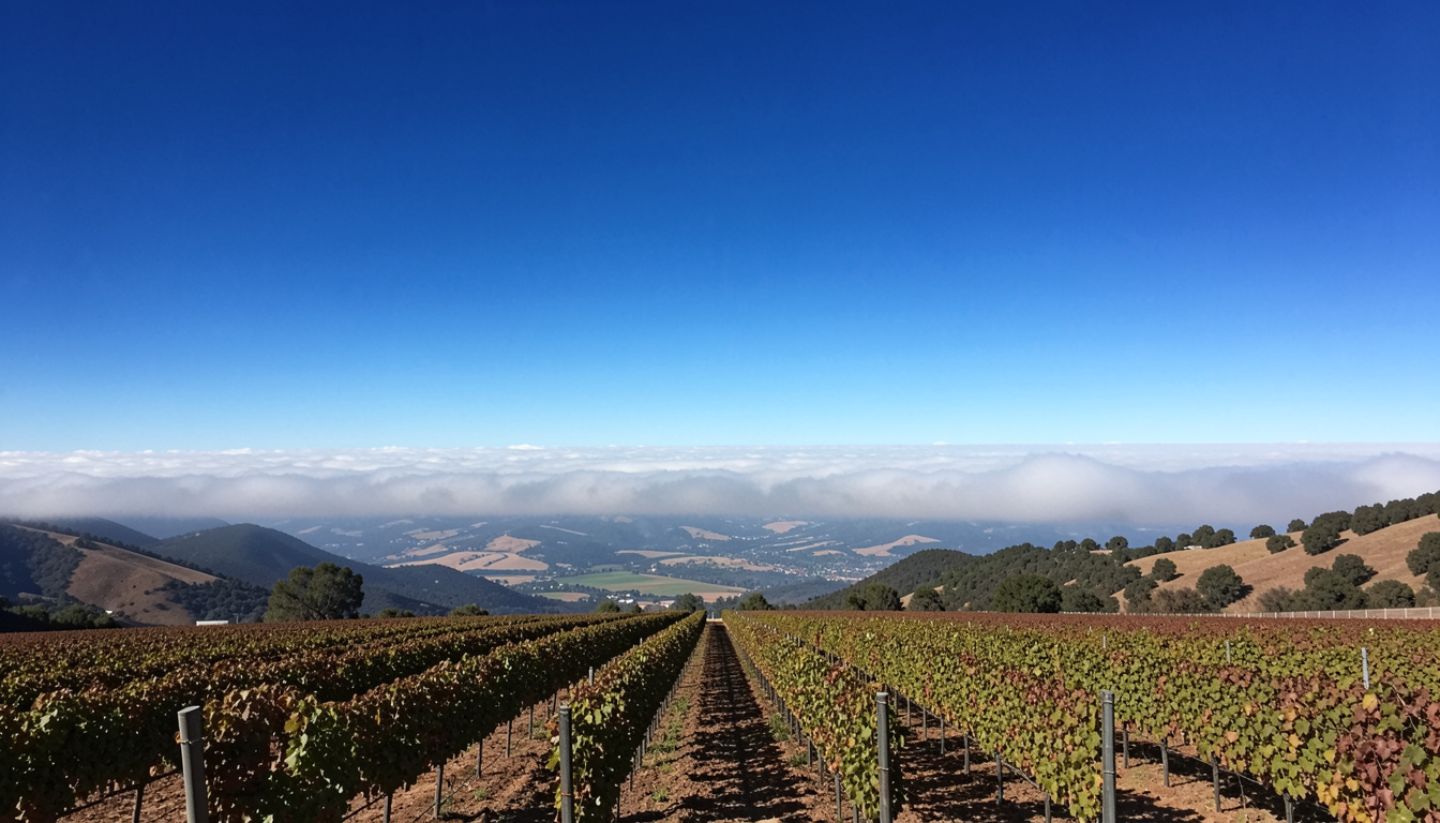
One of the most instructive exercises in Napa is simply watching the fog.
In Carneros, fog can linger deep into the morning. Acidity is preserved. Wines show tension and brightness.
By the time you reach Oakville, the fog has often lifted. Heat accumulates. Ripeness accelerates.
Drive north toward Calistoga and daytime temperatures rise. Then climb into the mountains and the air cools again. Diurnal shift becomes dramatic. Structure tightens.
You can feel the microclimate change through the open car window.
A Terroir Focused Napa Itinerary
The Contrast Day
8:00 a.m.
Drive north from Napa along Silverado Trail. Notice where fog thins and where sunlight first hits the vines.
10:00 a.m.
Seated Cabernet tasting in Rutherford. Focus on tannin texture and mid palate structure.
1:00 p.m.
Lunch in St. Helena at The Charter Oak or Farmstead at Long Meadow Ranch. Observe how valley grown produce reflects seasonal timing and soil.
3:30 p.m.
Second tasting at elevation on Howell Mountain or Spring Mountain. Compare acidity, tannin firmness, and fruit density to your morning session.
Two appointments. Same varietal. Different geography.
That is how terroir becomes tangible.
My Local Notes
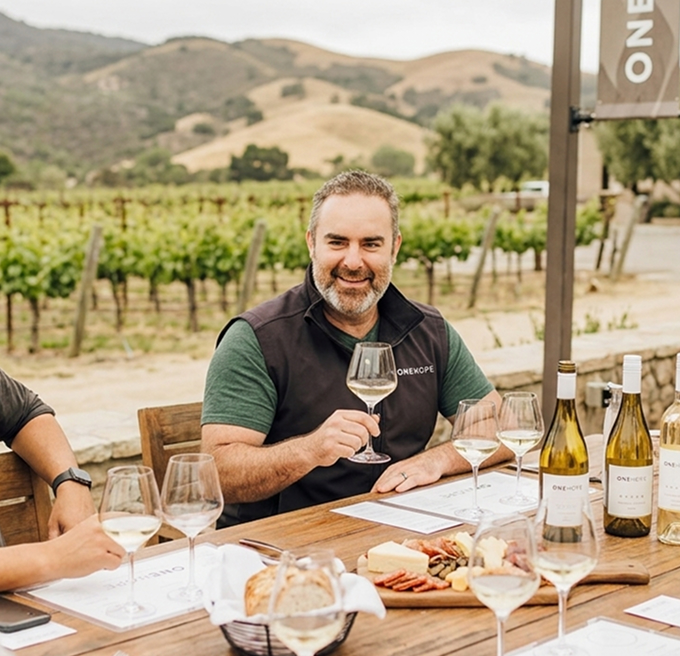
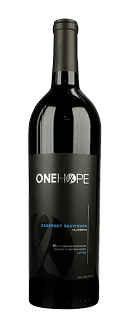
When we were shaping ONEHOPE and developing Estate 8, most of our early conversations centered on land rather than architecture.
Estate 8 sits in Rutherford, and there is a specific moment in the morning when the fog lifts just enough to reveal the vines but not the hills beyond. The air feels cooler than Oakville but warmer than Carneros. Subtle differences, but consistent.
One harvest season, I drove up to Howell Mountain after walking our blocks. It was less than ten miles away, yet the temperature drop was immediate. The fruit looked different. Smaller berries. Thicker skins. More tension.
I will admit I am biased. Estate 8 is my baby. But we chose Rutherford for drainage, sunlight, and benchland structure, not prestige. Terroir is decision making rooted in land, not reputation.
Those drives between valley floor and mountain taught me more than any tasting note ever could.
What Most Visitors Miss
Many visitors speak about Napa as if it were one climate.
They miss:
- The cooling marine layer influence in Carneros
- The gravelly soils that define Rutherford structure
- The volcanic origins of mountain AVAs
- The diurnal swings that preserve acidity
- The role of slope orientation in ripening patterns
If you care about microclimates, Napa rewards observation more than itinerary stacking.
Seasonal Terroir Signals
Winter
Rain replenishes groundwater and activates cover crops between rows.
Spring
Fog patterns are visible and vine vigor reflects soil health.
Summer
Heat accumulation diverges dramatically between valley floor and mountain sites.
Fall
Harvest timing reveals which microclimates ripen first and which hold tension longer.
Terroir is seasonal, not static.