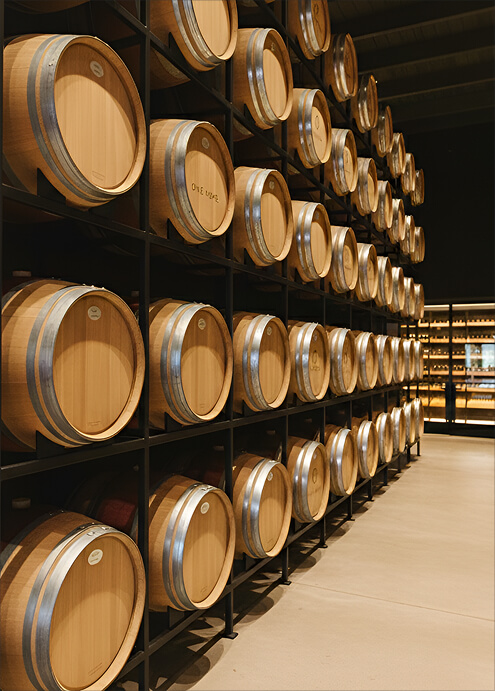
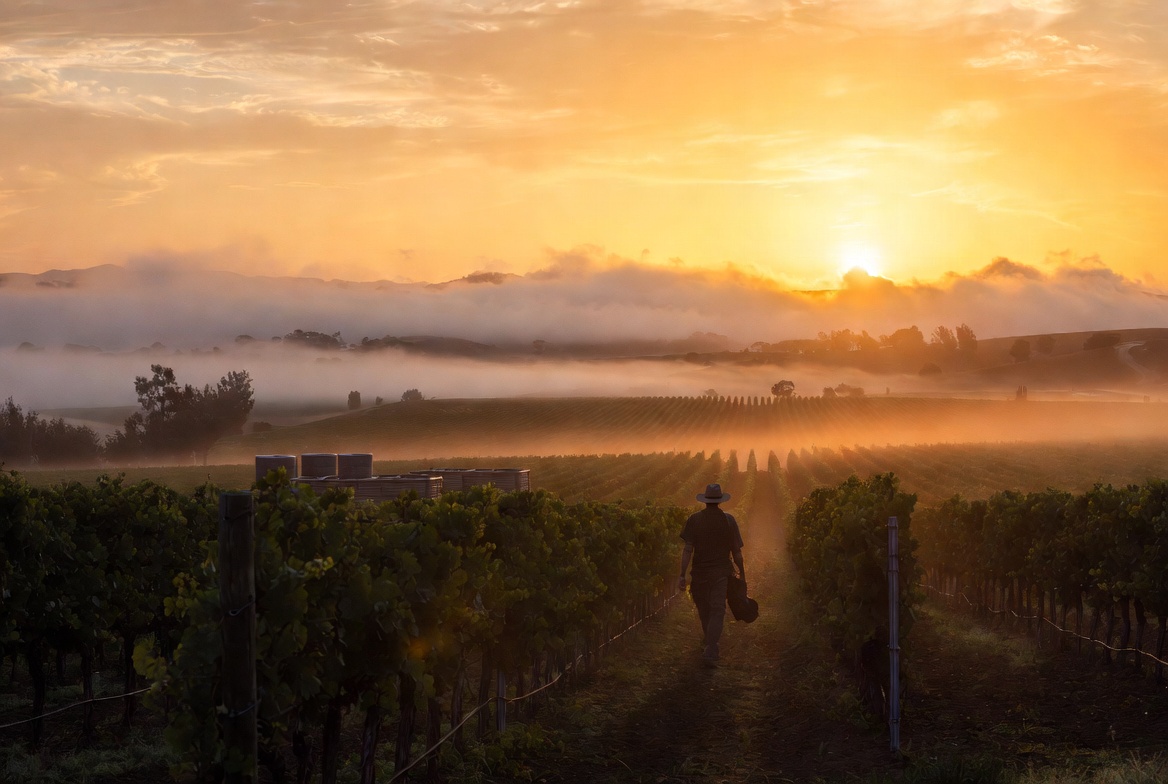
There is a particular stillness in Napa Valley just after sunrise.
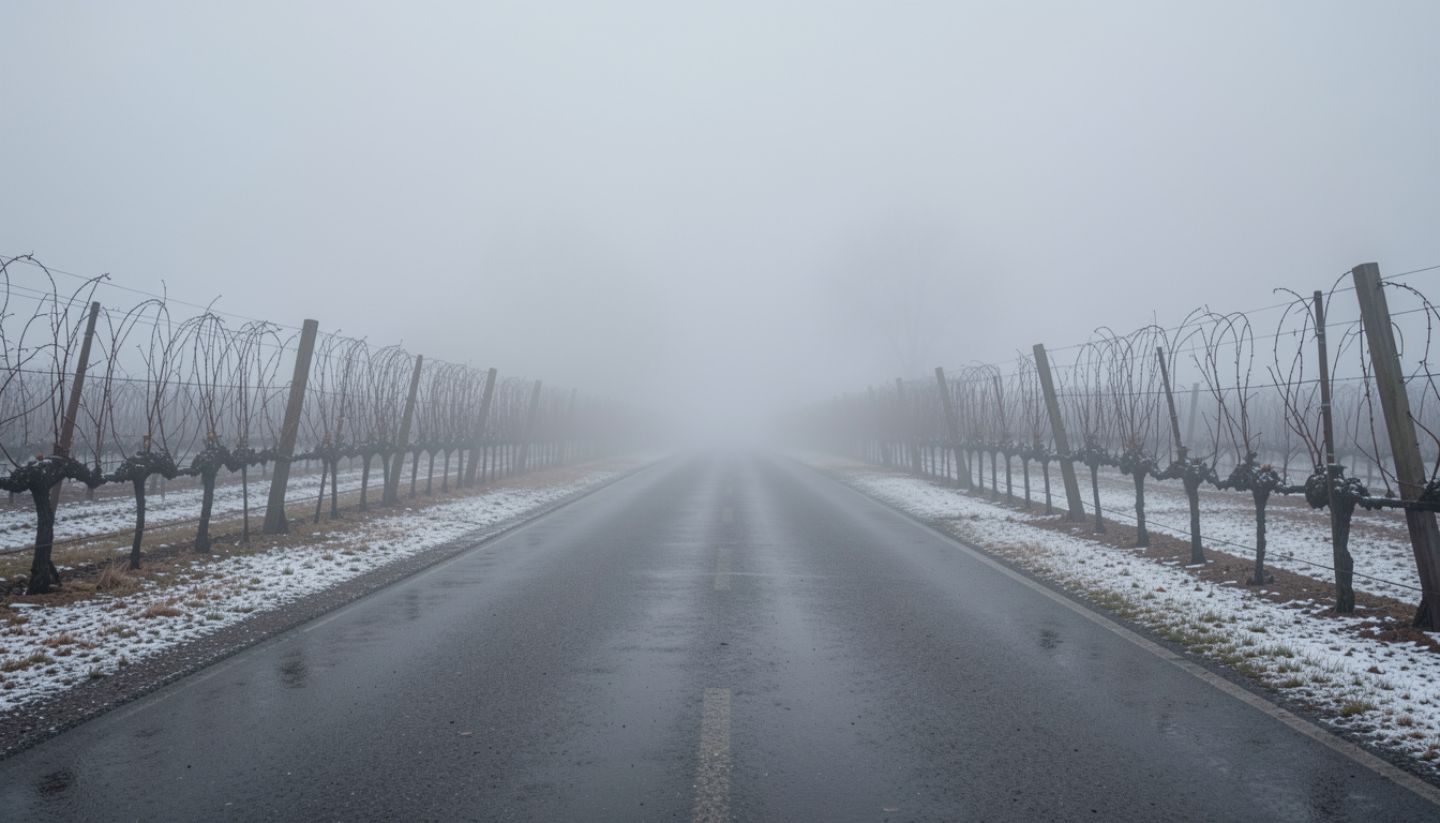
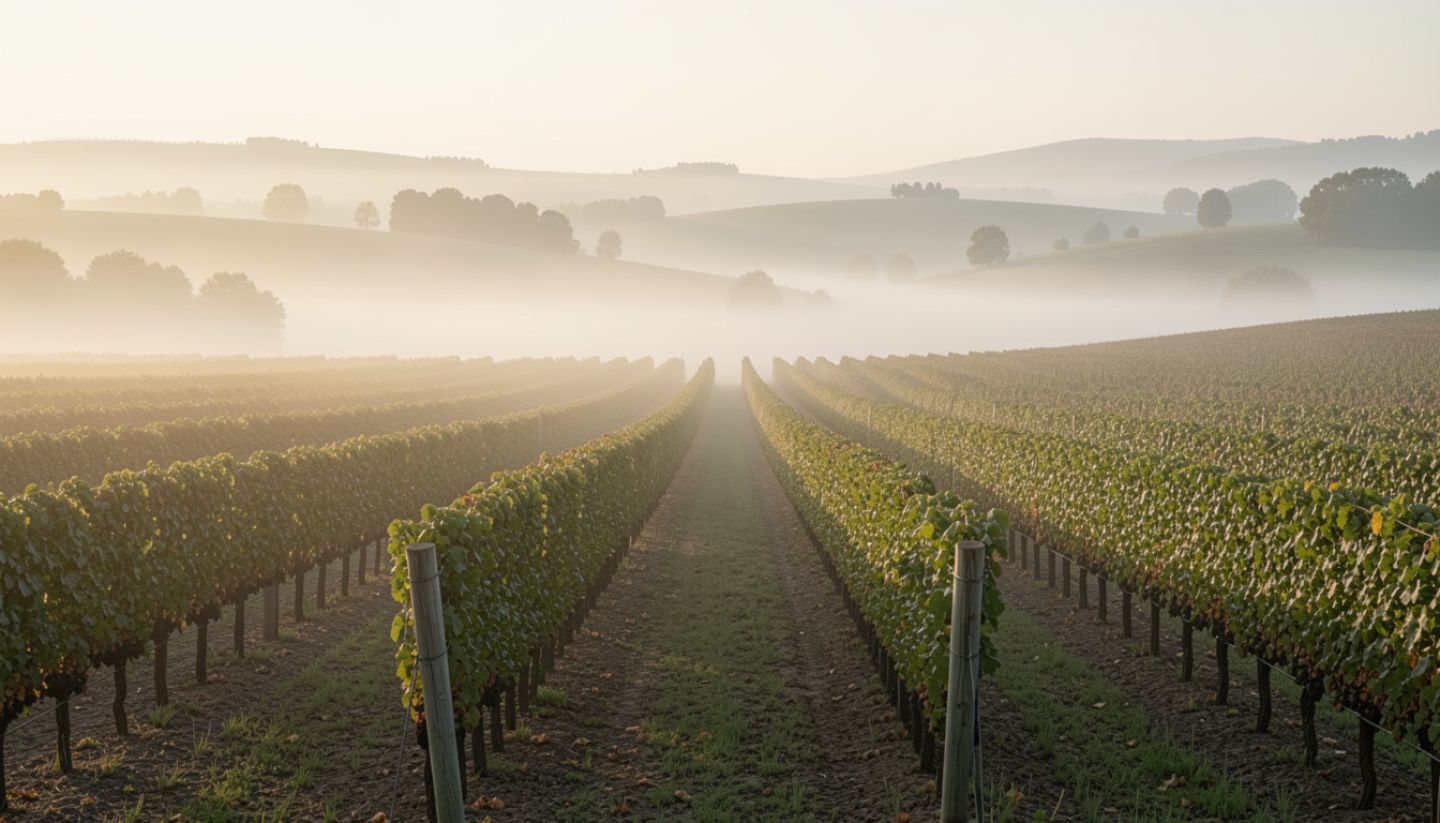
Fog rests low over the Rutherford benchlands. Fruit hangs heavy in Oakville. The air carries that faint scent people like to call Rutherford dust mixed with ripening Cabernet. If you walk the rows early enough, before the first crush pad hums to life, you can feel the tension between control and surrender.
If you love natural wines and minimal intervention, that tension is the story.
Napa is often associated with polish and power. But beneath that reputation is a deep current of growers who believe the vineyard should speak first and the cellar should listen.
What This Experience Is Really About
Minimal intervention in Napa is not about trend. It is about restraint.
It is about:
- Farming first, winemaking second
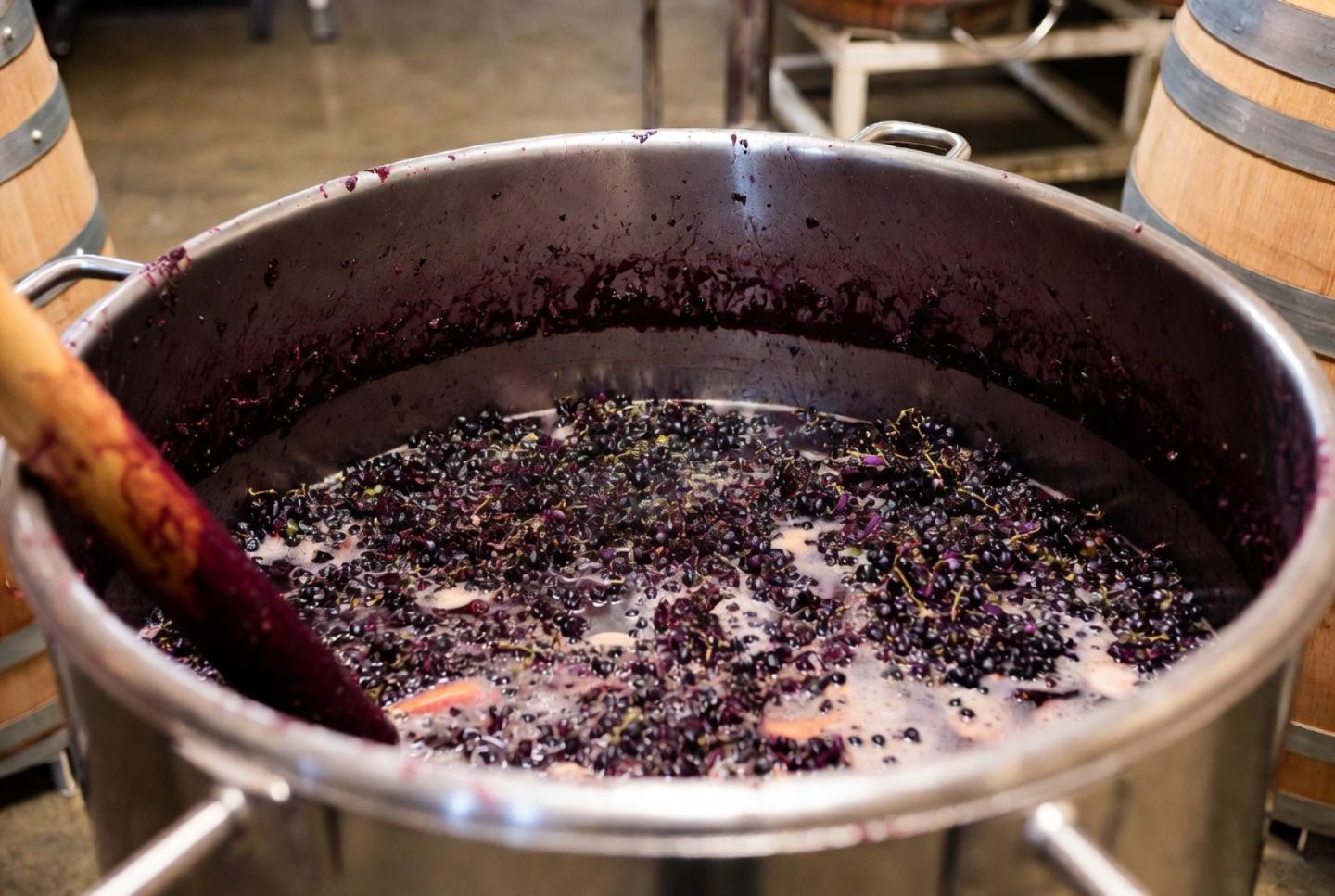
- Native yeast fermentation that reflects the vineyard microbiome
- Respecting vintage variation rather than chasing uniformity
- Using sulfur and oak with discipline, not excess
This valley is defined by microclimate. The cooling influence from San Pablo Bay near Carneros shapes acidity. The benchlands of Rutherford hold heat differently than the valley floor. As you climb toward Howell Mountain, structure tightens and tannin shifts.
Natural wine in Napa is not rebellion. It is a return to the land.
Where to Explore Natural Wine in Napa Valley
Rutherford and St. Helena
Rutherford and St. Helena form the heart of the benchlands. Look for producers who emphasize soil health, cover cropping, and hand harvesting. Conversations here often revolve around vine balance and vineyard expression.
Oakville
In Oakville, terroir is discussed with precision. Clonal selection, rootstock choice, and fermentation vessels matter. Minimal intervention here often means allowing structure and site specificity to show without over manipulation.
Carneros and South Napa
Near Napa in the Carneros region, cooler conditions favor tension and natural acidity. These sites often lend themselves to restrained styles and thoughtful cellar work.
When booking, ask informed questions:
- Is the vineyard CCOF certified organic or Demeter biodynamic?
- Are native yeasts used for fermentation?
- Is the wine fined or filtered?
- How much sulfur is added and at what stage?
Napa hospitality teams respect guests who care about farming integrity.
Farming Is the Foundation
Minimal intervention begins long before harvest.
Across Napa Valley, many estates now practice:
- Organic or biodynamic vineyard management
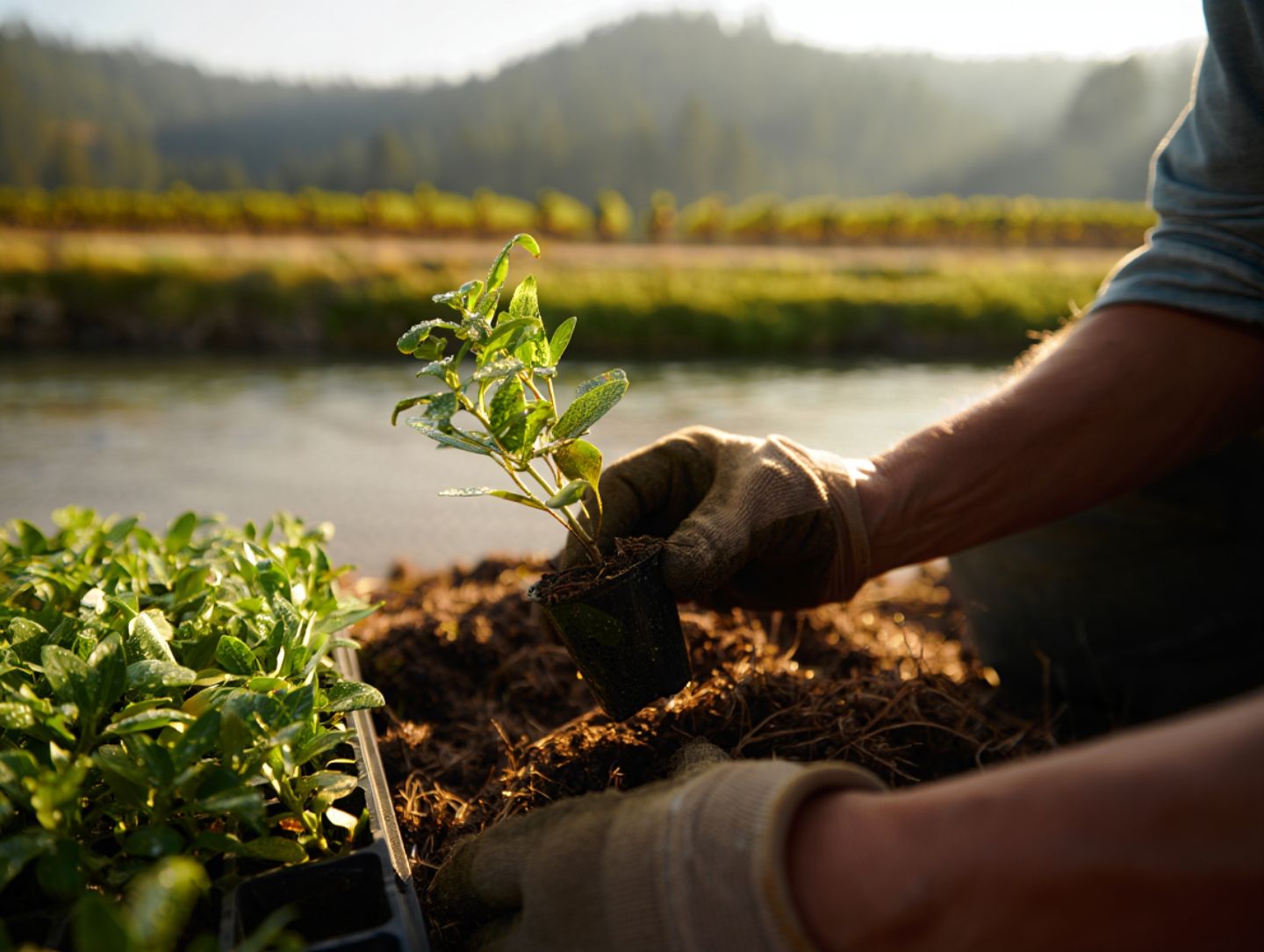
- Cover cropping to build soil life
- Reduced irrigation to encourage deep root systems
- Manual canopy management and hand harvesting
This is where the work happens. The cellar simply preserves what the vineyard provides.
Natural wine in Napa often expresses structure and longevity rather than fragility. It can be both transparent and age worthy.
What Most Visitors Miss
Visitors sometimes assume Napa equals big, monolithic Cabernet.
They miss:
- The nuance between valley floor and hillside fruit
- The tension that comes from mountain sites
- The growers quietly prioritizing soil health over yield
- The discipline behind balanced, unfined bottlings
Minimal intervention here does not have to mean cloudy or unstable. It often means clarity of site and vintage.
My Local Notes
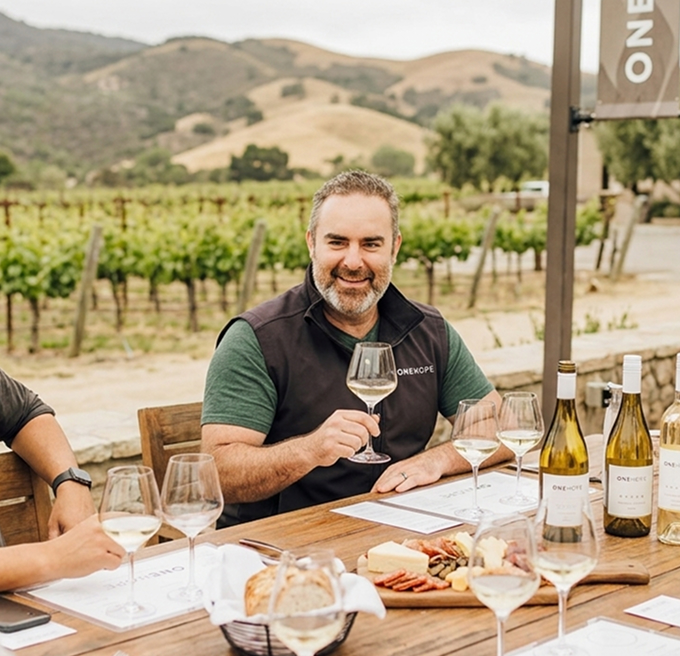
When we were developing Estate 8, some of our earliest conversations centered on farming integrity. I remember one harvest morning standing at the edge of the vineyard before the first pick. No forklifts. No crush equipment running. Just crews waiting on light and fruit at optimal ripeness.
That quiet moment reminded me that the most important decisions are made in the soil months earlier.
I will admit I am biased. Estate 8 is my baby. But I have always believed that great Napa wine ends with restraint in the cellar. Minimal intervention is not about doing less. It is about doing only what is necessary.
A Soil to Glass Itinerary
The Focused Day
- Sunrise walk along Silverado Trail to observe vineyard blocks and cover crops
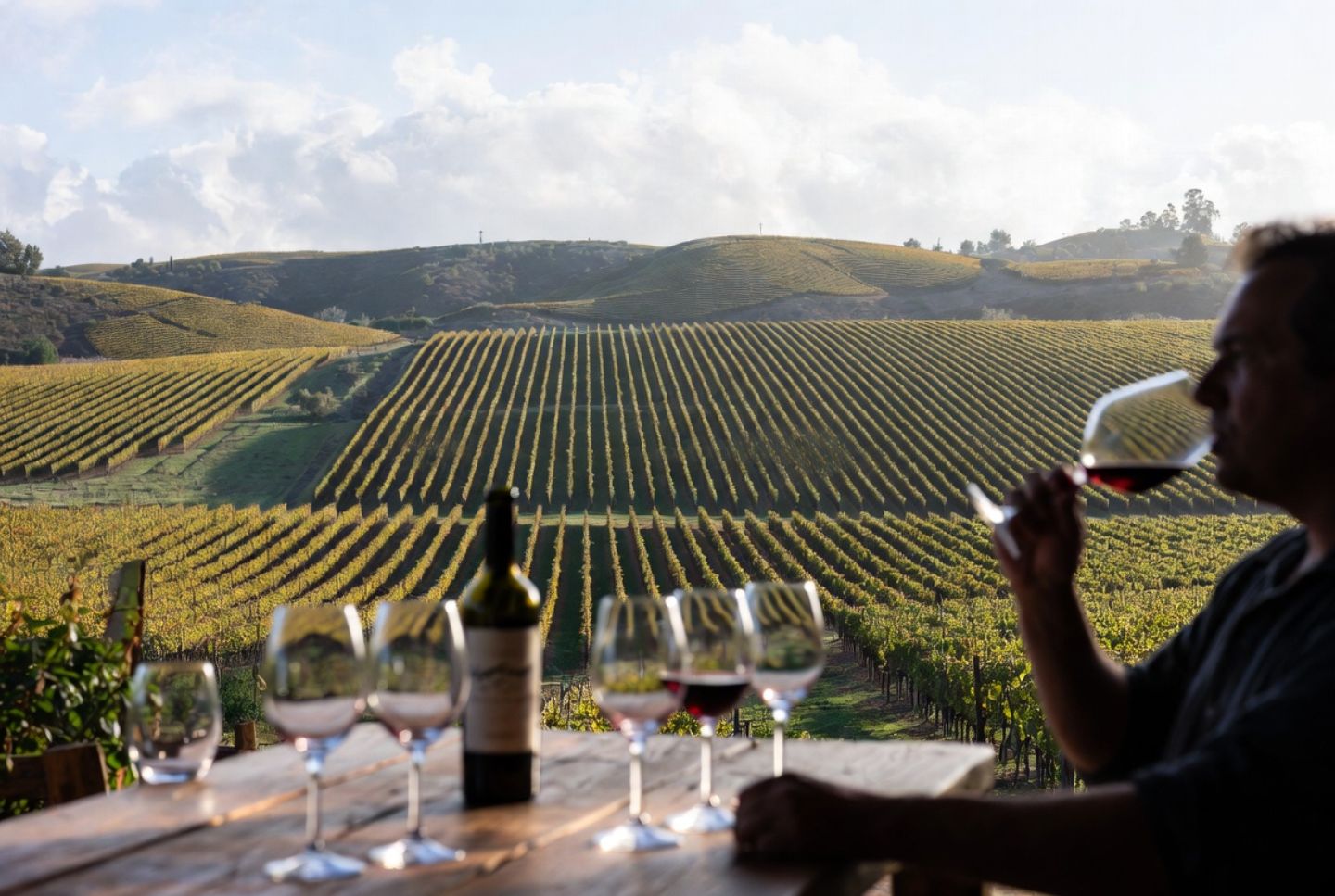
- 10 a.m. estate tasting in Rutherford focused on farming philosophy
- Lunch in St. Helena at Farmstead at Long Meadow Ranch for farm driven cuisine
- Afternoon appointment in Oakville with a small lot producer emphasizing native fermentation
The Full Minimal Intervention Weekend
- Morning biodynamic estate visit in Rutherford
- Midday comparative tasting of mountain versus valley fruit
- Lunch in Yountville focused on seasonal produce
- Late afternoon conversation driven tasting near Carneros
Limit yourself to two or three tastings per day. These conversations deserve attention.
Small Histories
Napa’s global reputation was built on structure and ageability.
Before modern technology standardized production, most wines were minimal by necessity. Farming dictated outcome. Cellar tools were limited. Vintages varied.
In many ways, today’s minimal intervention movement is less a revolution and more a return.