The launch is over.
The adrenaline is not.
You arrive in Napa after a big project launch with the work technically finished, but your body still humming. The inbox has gone quiet. Deadlines are behind you. The nervous system has not caught up yet.
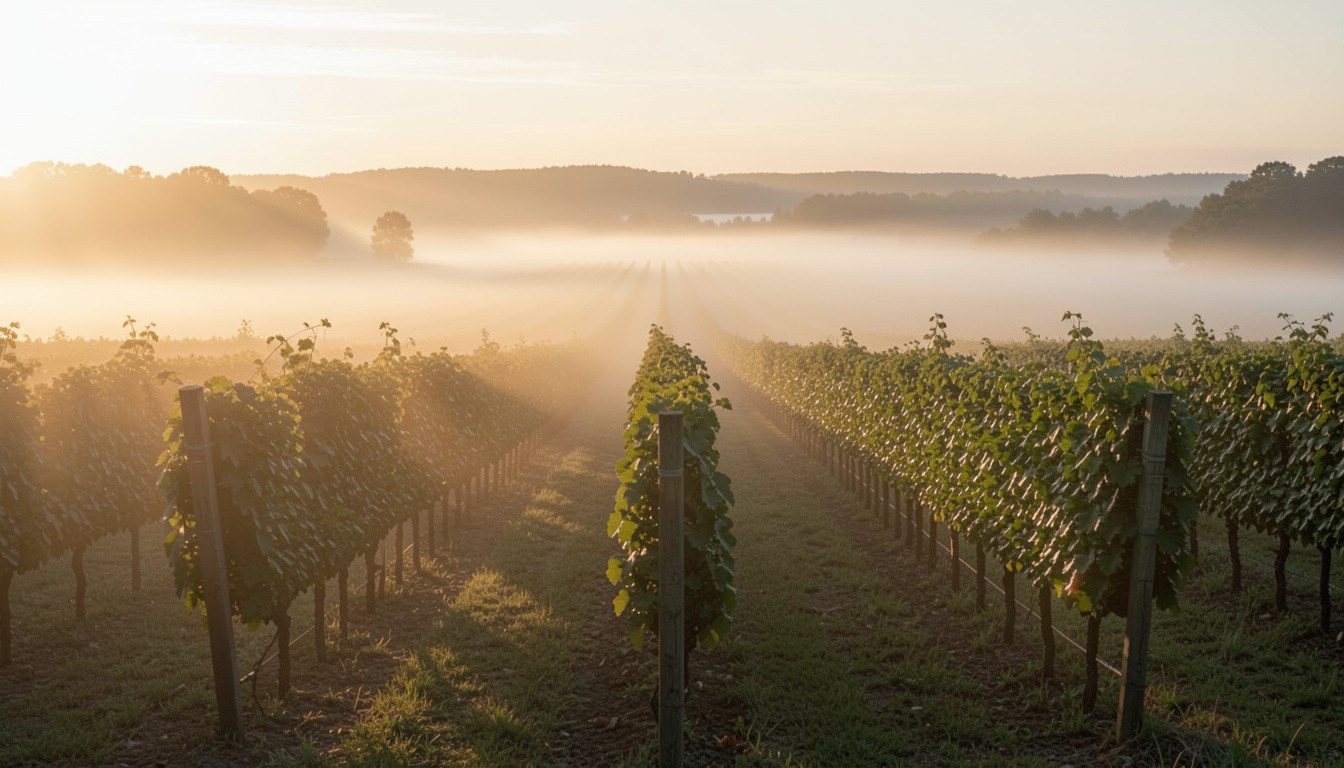
Napa understands this moment well. Morning fog settles low across the Rutherford benchlands. The Oakville floor stays hushed until late morning. Even midweek traffic feels deliberate rather than rushed. This is not a place that asks what you built. It simply gives you room to come down from it.
What This Experience Is Really About
This trip is not about celebration.
It is about re regulation.
Large launches compress time. Decisions stack. Feedback loops accelerate. Even successful outcomes leave the body in a heightened state longer than expected.
Napa unwinds that momentum in simple ways.
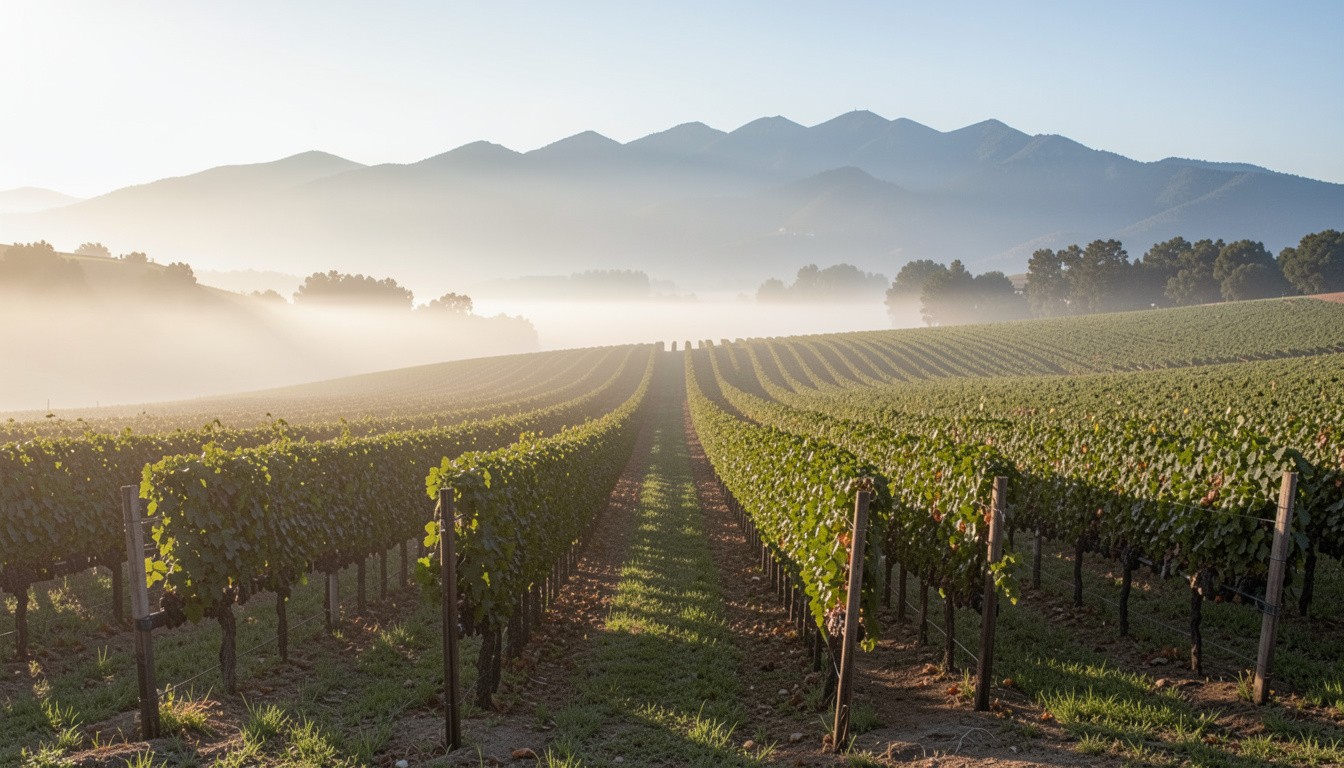
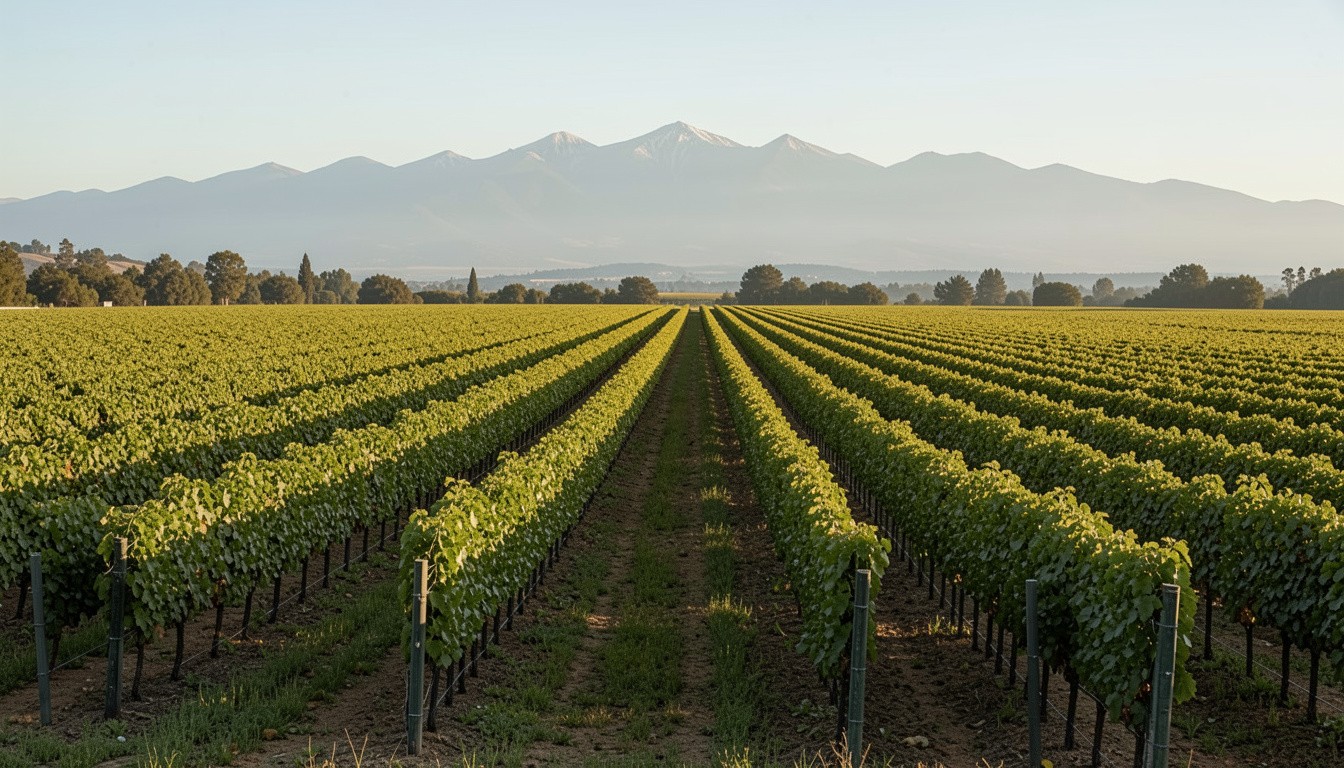
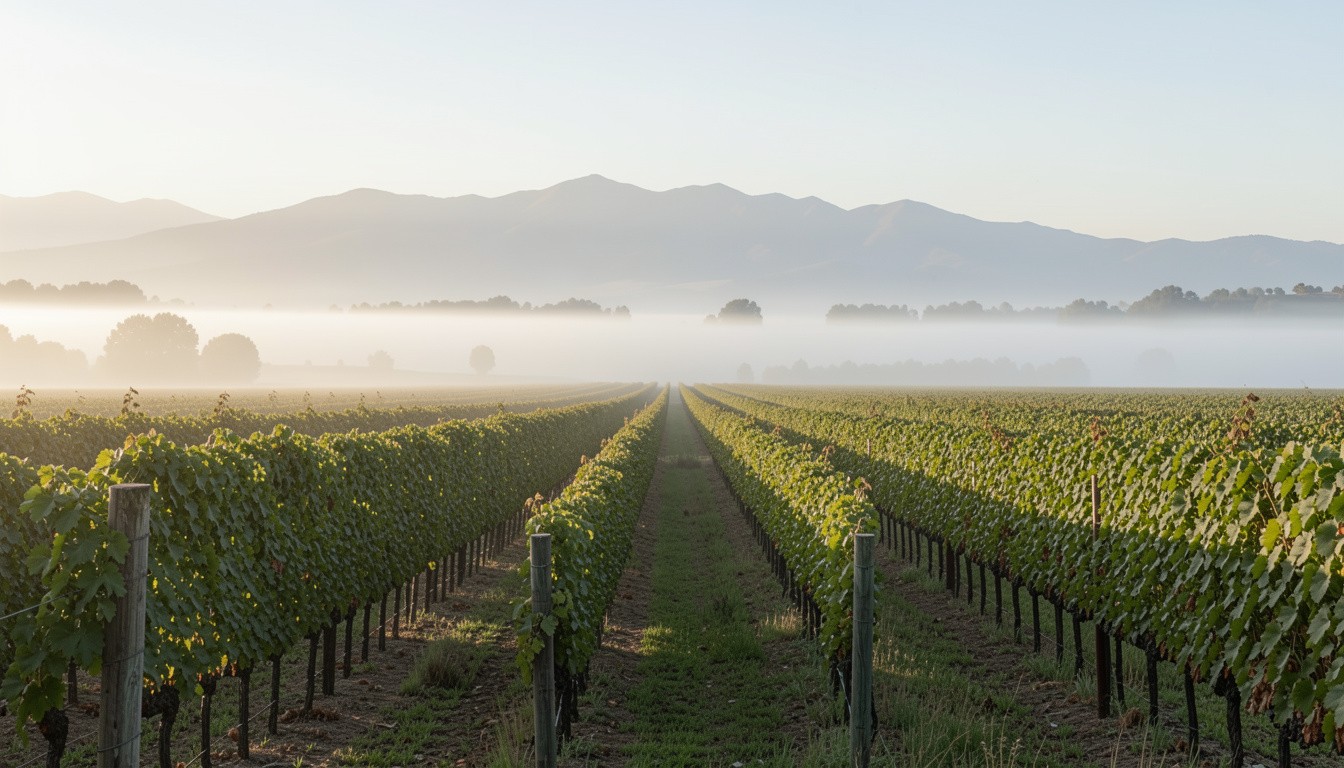
Vineyard rows repeat into the distance, slowing visual input.
Hospitality unfolds without urgency or performance.
Conversations stretch without needing an outcome or next step.
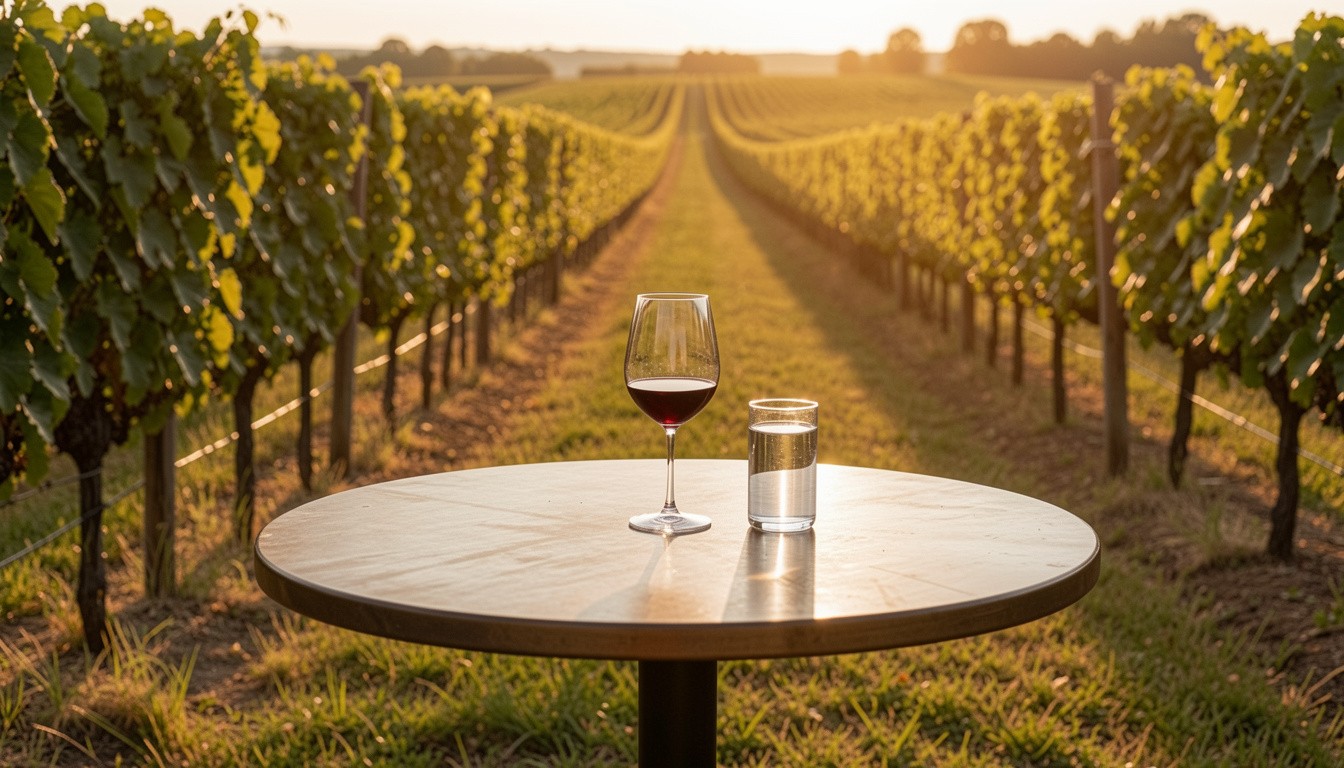
Wine becomes a marker of pause rather than achievement. One glass can last an entire afternoon. That is not restraint. That is recovery.
When It Is Best
Napa works best for post launch resets when the valley feels predictable.
Tuesday through Thursday is the quieter, truer Napa. Hosts have time. Roads breathe.
Late morning starts around 10:30 allow the fog to lift without pressure to rush.
Late winter through early spring, often called mustard season, feels especially restorative with fewer crowds and softer energy.
Reset requires margin. Avoid stacking reservations.
What Most Visitors Miss
After a big launch, many people instinctively plan a high energy trip. Multiple wineries. Tight itineraries. Long days.
That approach often mirrors the very intensity you are trying to leave behind.
Napa works best when it becomes a container rather than a schedule. One destination. One table. One long view. Enough time for your thoughts to finish themselves.
My Local Notes
When friends come to Napa after a major launch, I can usually tell within minutes whether they are still in execution mode. Shoulders stay tight. Eyes scan for a clock. Silence feels uncomfortable at first.
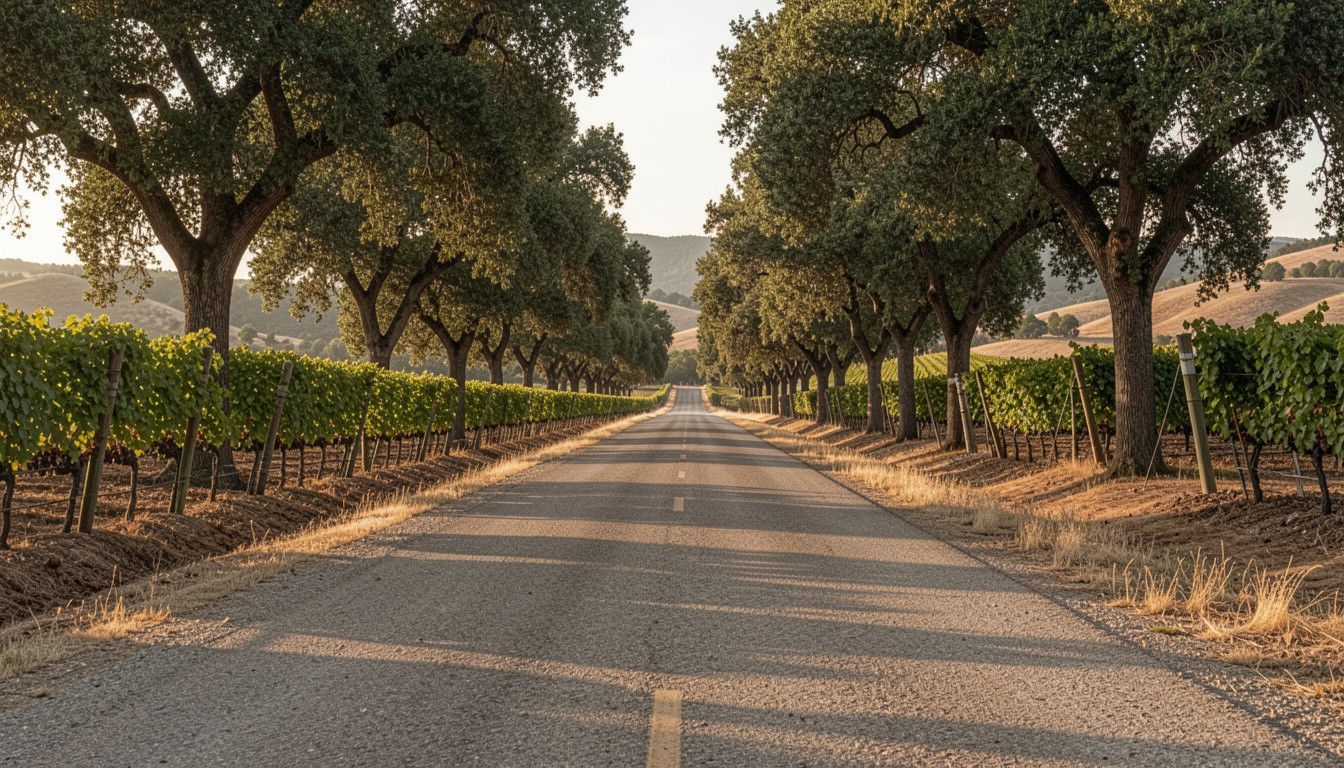
Years ago, after a demanding release, I walked a quiet vineyard road with no tasting planned and no meetings waiting. Just gravel underfoot and fog lifting slowly off the vines. Halfway through that walk, the urgency finally dropped. That moment taught me how long momentum can linger after work is technically done.
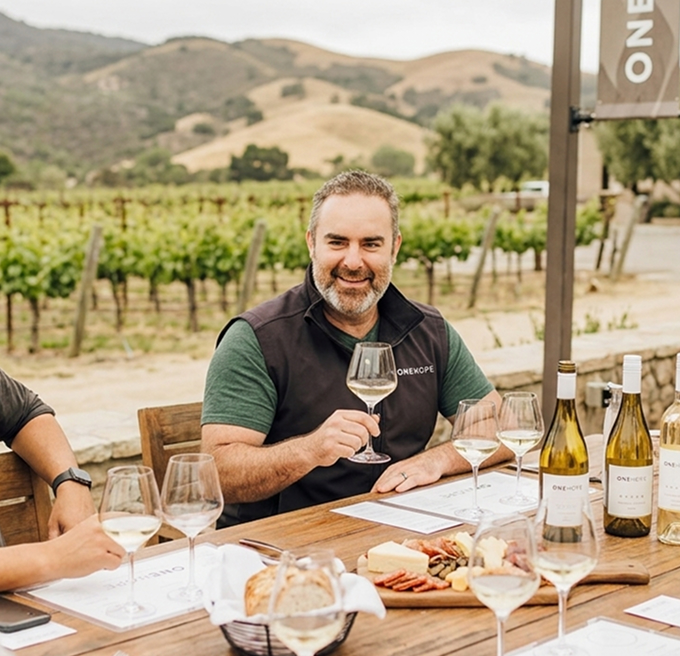
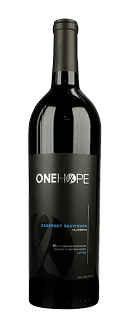
I will admit a small bias here. Our home at ONEHOPE at Estate 8 was designed with margin in mind. It is very much my baby. I have watched guests arrive wound tight after launches and leave steadier simply because nothing asked them to perform.
How to Shape the Day
If You Only Have One Hour
Choose a single seated outdoor tasting or a quiet café with vineyard views. Ask for fewer wines and more time. Sit facing the Mayacamas rather than the tasting room interior.
If You Have a Full Afternoon
Begin with one calm winery visit that emphasizes place over production.
Move to a long lunch in St. Helena or Yountville where the table is yours.
End with a slow drive along Silverado Trail, stopping once just to look back across the valley floor.
Let the day taper rather than crescendo.
Where to Eat Around Here
Post launch meals should feel grounding, not stimulating.
Farmstead at Long Meadow Ranch offers space, consistency, and food that steadies rather than excites.
Charter Oak encourages lingering with open hearth cooking and unhurried pacing.
Brix pairs gardens and walking paths with meals that do not demand attention.
Choose places that never ask how quickly you will be finished.
Small Histories
Napa has always respected cycles of intensity and rest. Vines are pushed hard during the growing season, then pruned back in winter so they can recover. The valley understands that productivity without pause eventually costs more than it creates.
Visitors arriving after major launches often recognize that truth here before they articulate it anywhere else.